Configure your ring
With Studio Bonnot, become the architect of your dream ring
Start creating
Bonnot Paris
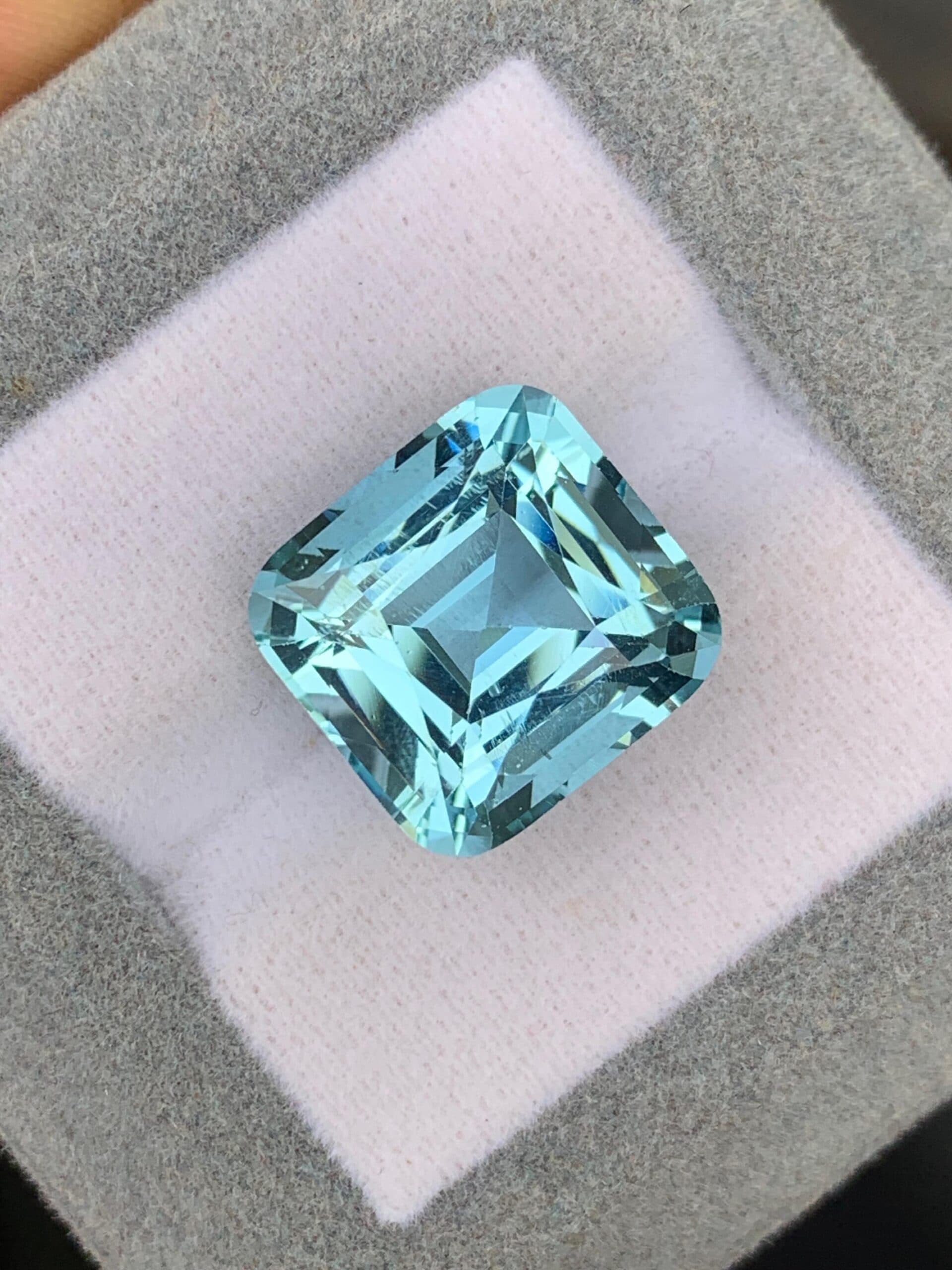
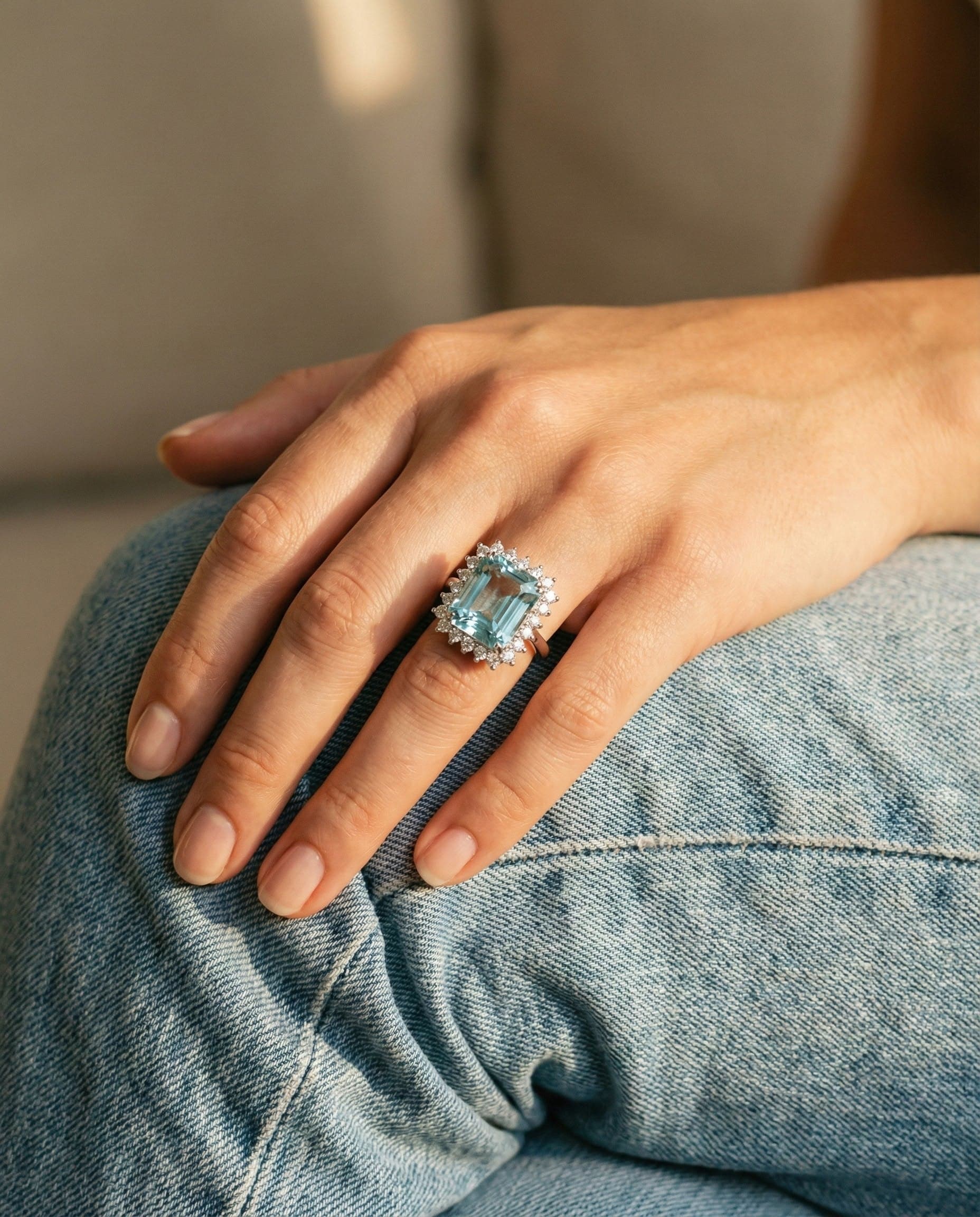
Aquamarine carries the sea in its very name and colour: a fresh, luminous blue ranging from pale sky to the deep Santa Maria shade, the most sought-after of all. A close relative of emerald within the beryl family, it offers…

Explore
5/5
Excellent
5/5

Sophie Vincent
7 months ago
J'ai contacté la bijouterie Bonnot car je souhaitais un saphir Padparadscha, qui est assez rare. Toute la transaction a été faite à distance et s'est très bien passée. Ils sont très professionnels, à l'écoute et très sympathiques. J'ai reçu ma bague et elle correspond tout à fait à ma demande. Merci beaucoup 😋
5/5

Célia Gastel
6 months ago
L'adresse parfaite ! Bastien a été très à l'écoute, très bonne communication et très réactif ! Et leurs pierres sont superbes
5/5

Pn Ph
6 months ago
Excellente expérience avec Bastien pour la conception de notre bague de fiançailles sur mesure. Il a été disponible, les échanges ont été fluides et efficaces. La conception de la bague a été rapide, elle est magnifique et correspond exactement à ce que nous voulions. Nous recommandons fortement Bonnot pour son expertise, mais aussi son sens de l'écoute.
5/5

JFL lancelier
6 months ago
Très professionnels.un service impeccable une belle offre de bijoux de très grande qualité
5/5

Alan Cormand
6 months ago
J’ai récemment commencé une collection de pierres précieuses et je suis vraiment impressionné par la qualité. Les pierres sont magnifiques, bien taillées et correspondent parfaitement à la description. En plus, la livraison a été très rapide. Je recommande sans hésitation !
5/5

Alex
6 months ago
Une très belle maison qui allie savoir-faire et excellence du service. L’expérience client est fluide, rapide et d’une grande transparence. Merci à Bonnot Joaillerie pour cet accompagnement de qualité.
5/5

Christine Petit
6 months ago
Bastien est à la fois très sympathique et très professionnel. J'ai été très bien reçue, le contact et la communication sont faciles. J'ai fait transformer une marguerite en bague plus moderne et je suis ravie du résultat.
5/5

marielle frances
6 months ago
Une très belle rencontre autour d'une belle Pierre, merci à Bastien et François pour leur accueil! A très bientôt pour l'achat de nouvelles pierres!
5/5

Yac ine
5 months ago
Professionnels, réactifs et sympathiques, je recommande.

Exceptional precious stones at fair and transparent prices

Our unique gemstones reflect the purity and elegance of nature

Exclusively by renowned independent laboratories
Exceptional sourcing
At Bonnot Paris, every stone is selected for its rarity, clarity and ethical provenance, ensuring full traceability, exceptional quality and fair pricing.
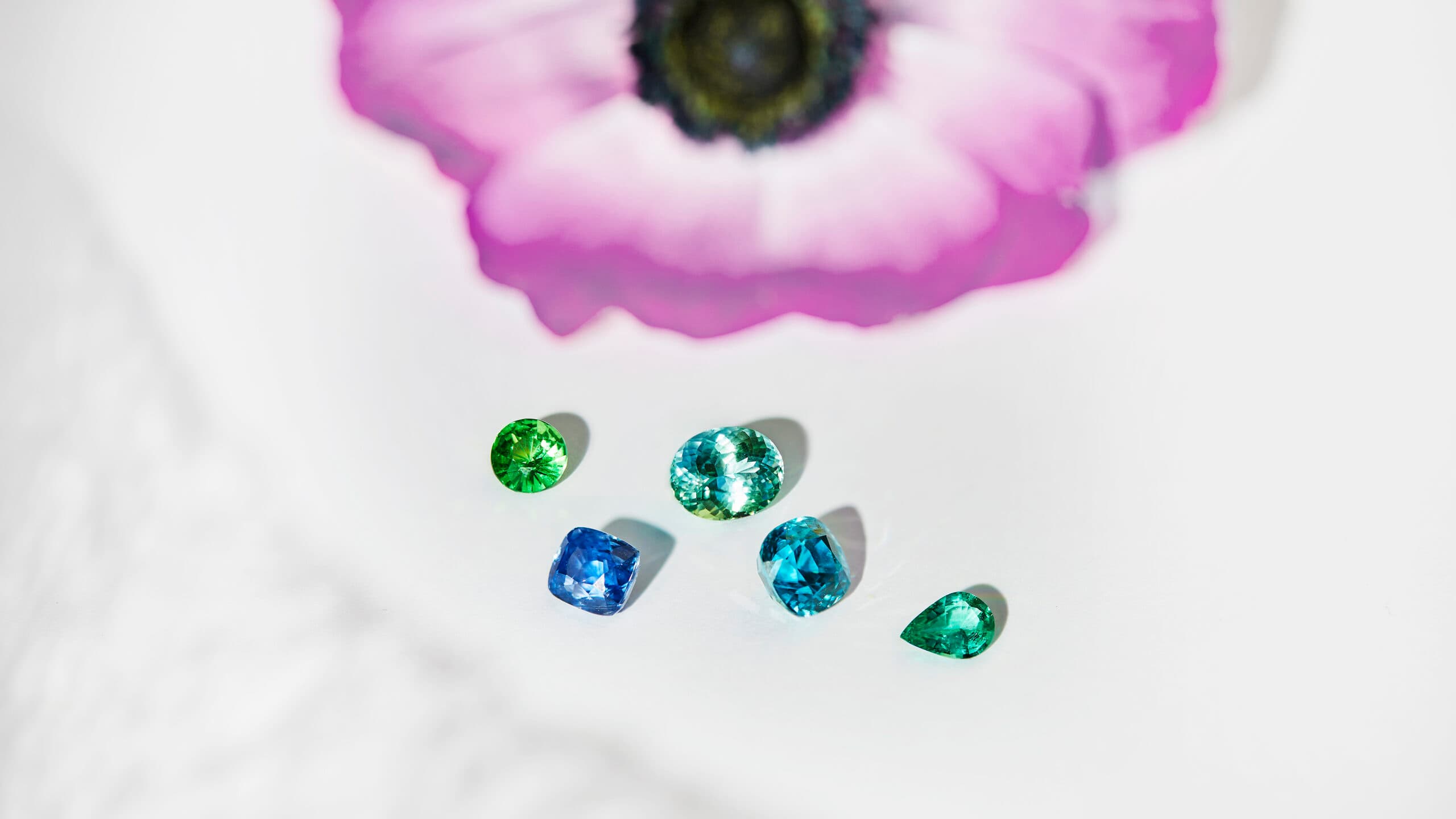
Aquamarine is a blue gemstone belonging to the beryl family, alongside emerald and morganite. Its colour is produced by the presence of iron in its crystal structure. The name derives from the Latin aqua marina, meaning “sea water”. With a hardness of 7.5 to 8 on the Mohs scale, it is well suited to everyday jewellery.
Aquamarine and blue topaz are two distinct stones despite their visual resemblance. Aquamarine belongs to the beryl family, while blue topaz forms its own separate mineral family. Furthermore, blue topaz is almost always produced by irradiating a colourless topaz. Aquamarine, by contrast, displays a natural colour, simply enhanced by gentle heat treatment. As a result, aquamarine commands considerably greater value on the market than blue topaz.
Brazil has historically been the most reputed source, and in particular the Santa Maria shade from Minas Gerais. More recently, however, Mozambique has yielded stones of equivalent quality, known as Santa Maria Africana. Madagascar and Pakistan also produce fine-quality aquamarines. Ultimately, the most important criteria remain the intensity of the blue and the transparency of the stone, rather than its precise origin.
Yes, most aquamarines on the market undergo gentle heat treatment. This process eliminates greenish or yellowish tints to reveal a purer blue. The practice is traditional, widely accepted in the trade, and non-destructive. It must, however, be disclosed on the certificate. Bonnot Paris does not sell any aquamarine that has undergone prohibited treatments such as irradiation.
Yes, aquamarine is an excellent choice for an engagement ring. Its hardness of 7.5 to 8 on the Mohs scale gives it the resilience needed for daily wear. Its crystalline blue also offers a refined and less conventional alternative to the classic diamond or blue sapphire. It appeals in particular to couples seeking a stone that symbolises serenity and authenticity. Aquamarine engagement rings can be created as bespoke pieces, set in 18-carat gold or 950 platinum.
Aquamarine lends itself to every category of jewellery: rings, pendants, earrings, hoops and bracelets. Its transparency also allows for very large stones, making it ideal for striking pendants. All these pieces can be created as bespoke commissions, in yellow, rose or white 18-carat gold, or in 950 platinum. Allow 4 to 6 weeks for a personalised creation based on an existing design.