
Direct from source
Exceptional precious stones at fair and transparent prices
Bonnot Paris
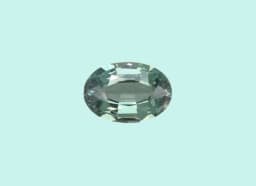
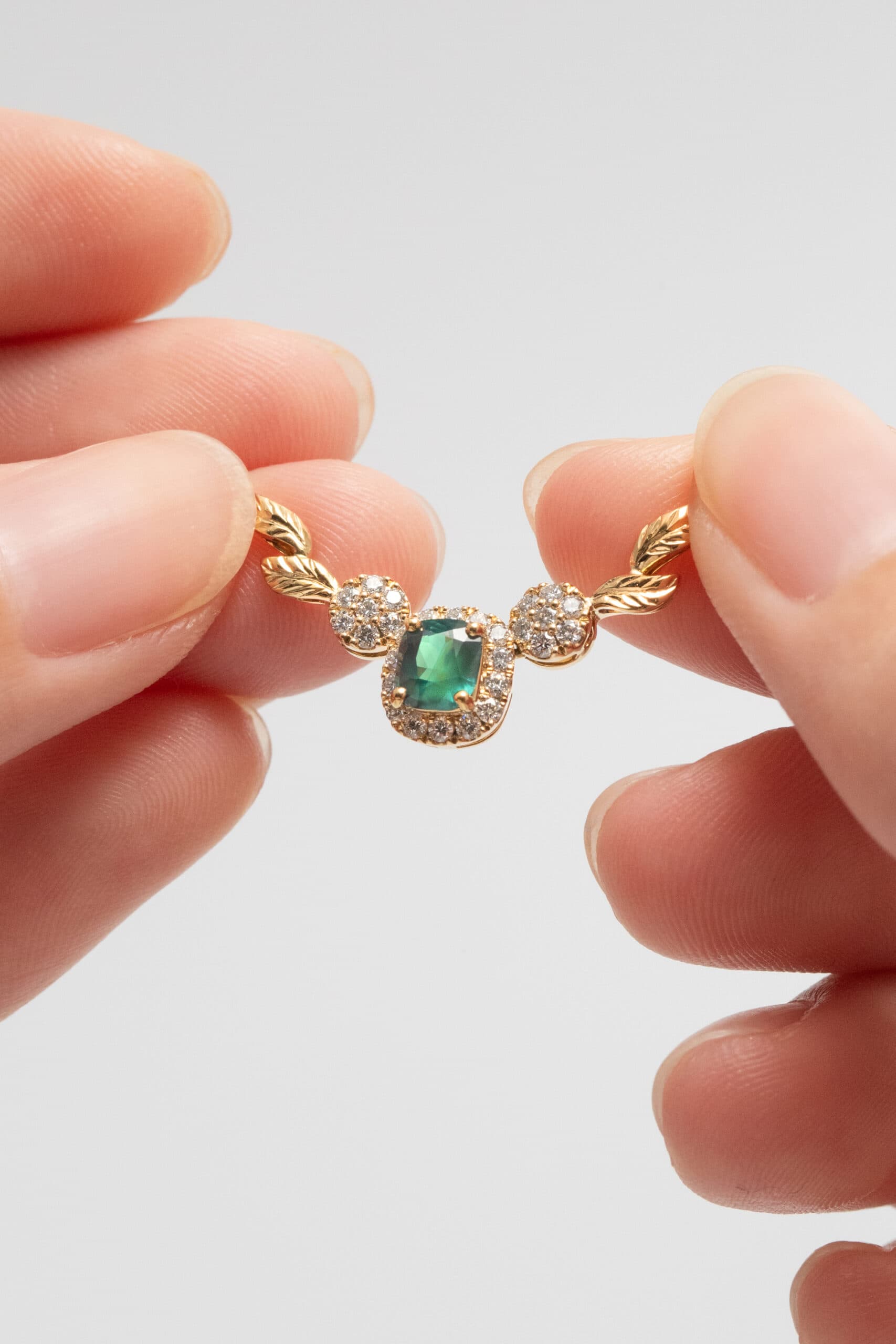
Alexandrite is one of the rarest precious stones in the world. It captivates with a singular optical phenomenon: a spectacular colour change depending on the light source. In daylight, it displays a deep green. Under artificial…
Explore
5/5/5
Excellent
Exceptional precious stones at fair and transparent prices

Our unique gemstones reflect the purity and elegance of nature

Exclusively by renowned independent laboratories
Exceptional sourcing
At Bonnot Paris, every stone is selected for its rarity, clarity and ethical provenance, ensuring full traceability, exceptional quality and fair pricing.
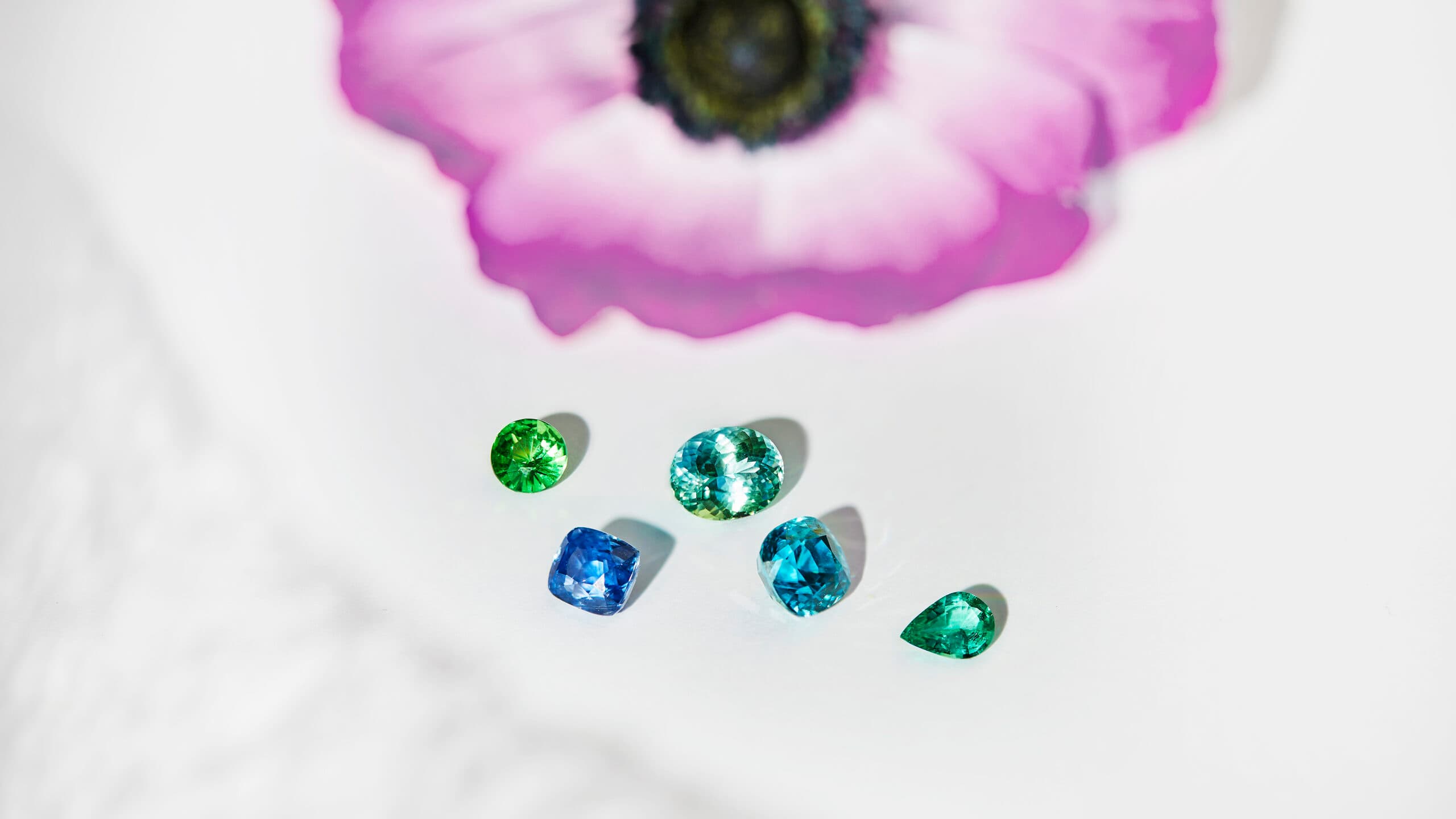
Alexandrite is a rare variety of chrysoberyl, set apart from all other precious stones by its colour change. It appears green in natural light and shifts to red or purple under incandescent light. With a hardness of 8.5 on the Mohs scale, it is a robust stone well suited to everyday jewellery. Alexandrite is also the birthstone for June and traditionally symbolises the 55th wedding anniversary.
The colour change is caused by trace amounts of chromium within the stone's crystal structure. This chromium selectively absorbs certain wavelengths of light. In daylight, which is rich in blue wavelengths, alexandrite transmits green. Under incandescent light, which is rich in red wavelengths, it transmits reds and violets instead. This phenomenon — known as the alexandrite effect — remains one of the most spectacular displays found in the natural mineral world.
Historically, Russian alexandrites from the Ural Mountains are the most prized among collectors. Those deposits are now nearly exhausted, however. On today's market, Brazilian alexandrites from Hematita offer a particularly strong colour change. Sri Lanka and Tanzania also yield remarkable stones. For exceptional alexandrites, the gemological certificate will state the geographic origin, which has a direct bearing on the stone's value.
Cat's eye alexandrite combines two optical phenomena. It displays the classic alexandrite colour change and, at the same time, a chatoyant effect: a moving band of light crosses the stone like the pupil of a cat's eye. This effect is produced by microscopic parallel inclusions within the crystal. Cat's eye alexandrites are even rarer than standard alexandrites and command correspondingly high prices.
Yes, alexandrite is a remarkable choice for an engagement ring. Its hardness of 8.5 and strong toughness allow it to withstand daily wear over many decades. Beyond its durability, its colour change makes it a deeply symbolic stone — a gem that transforms with the light, much like life shared together. Its rarity does, however, make it a stone for those who are looking for something truly exceptional. Bespoke alexandrite engagement rings can be created in 18-carat gold or 950 platinum.