Configure your ring
With Studio Bonnot, become the architect of your dream ring
Start creating
Bonnot Paris
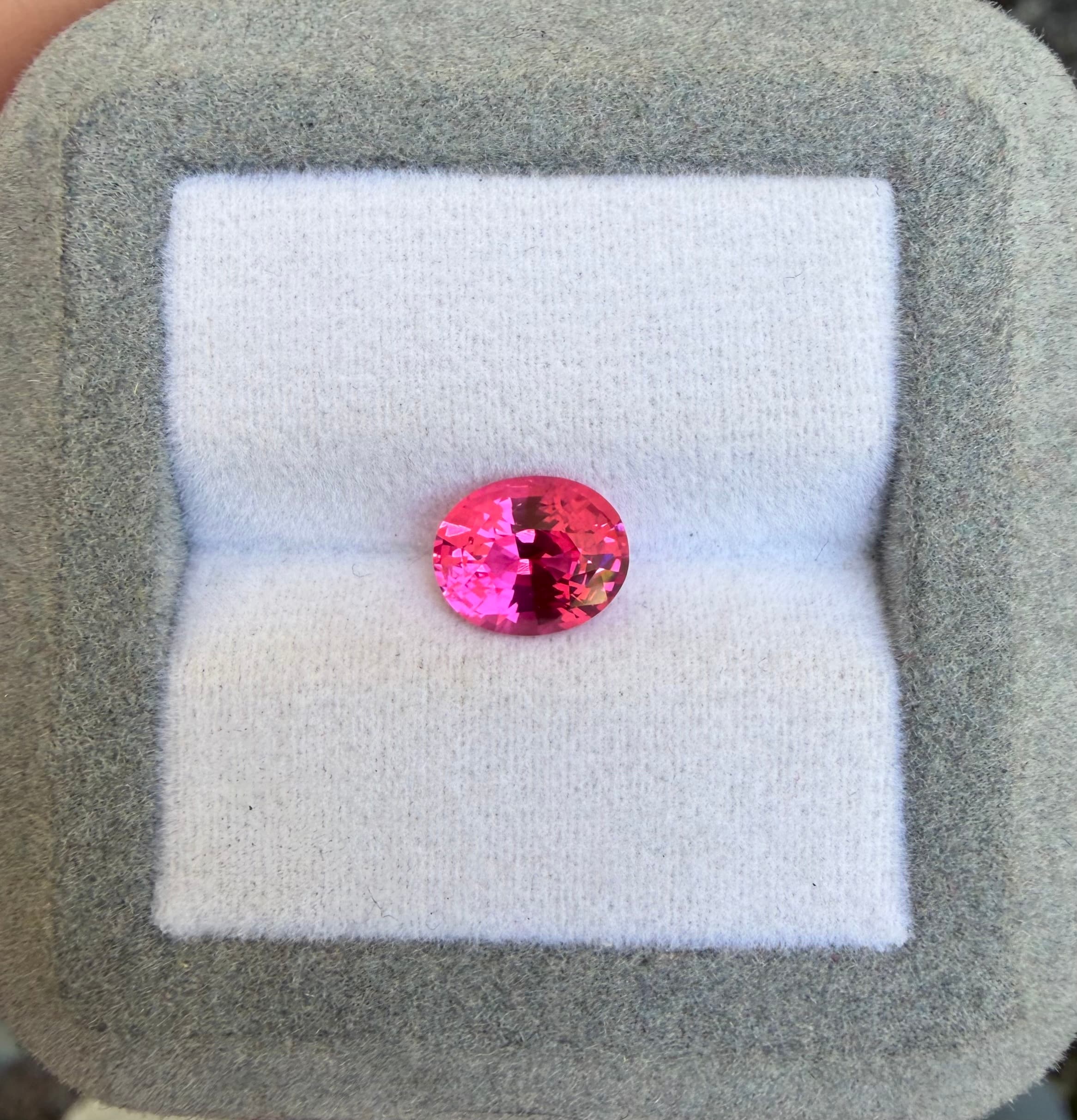
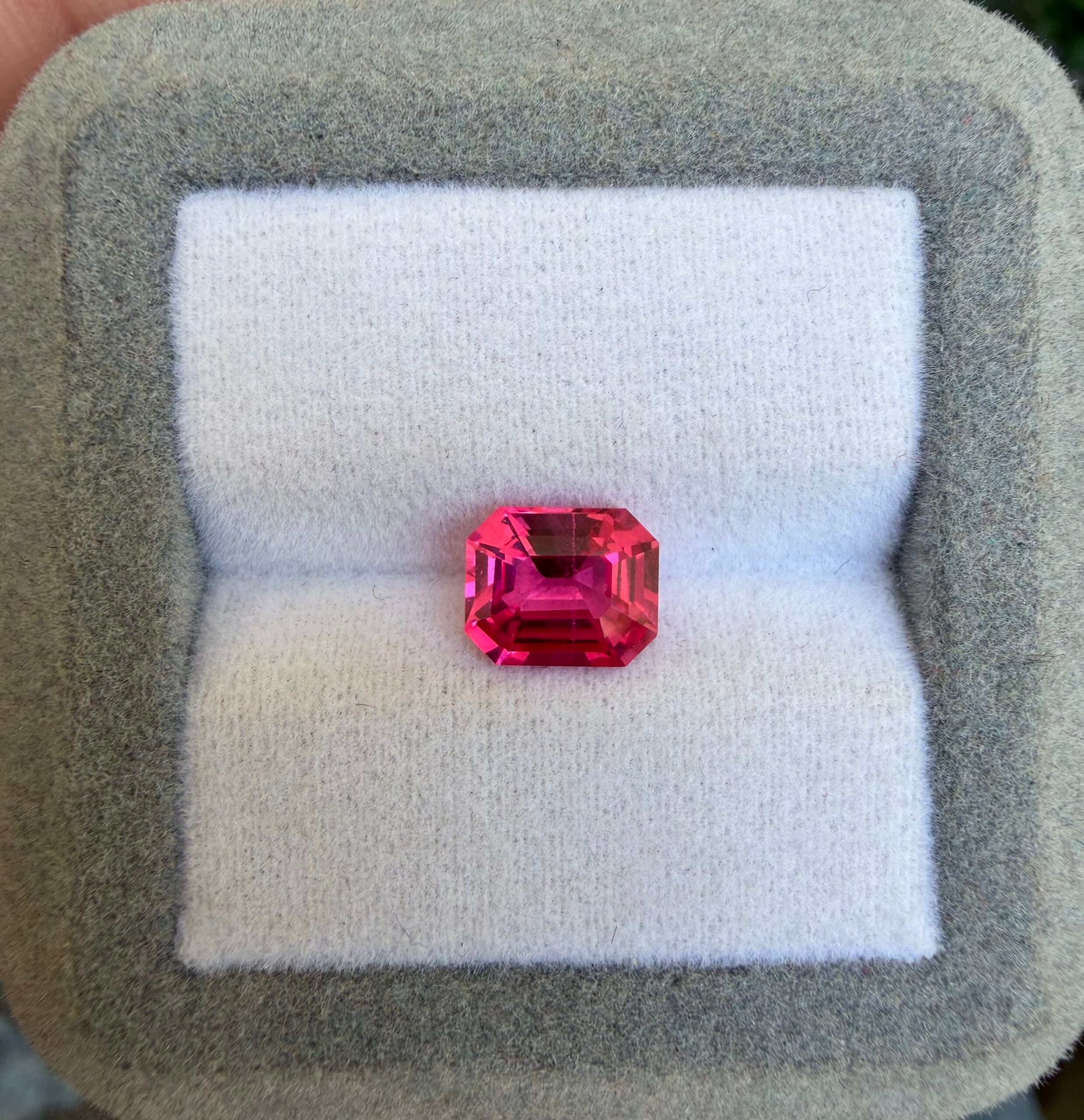
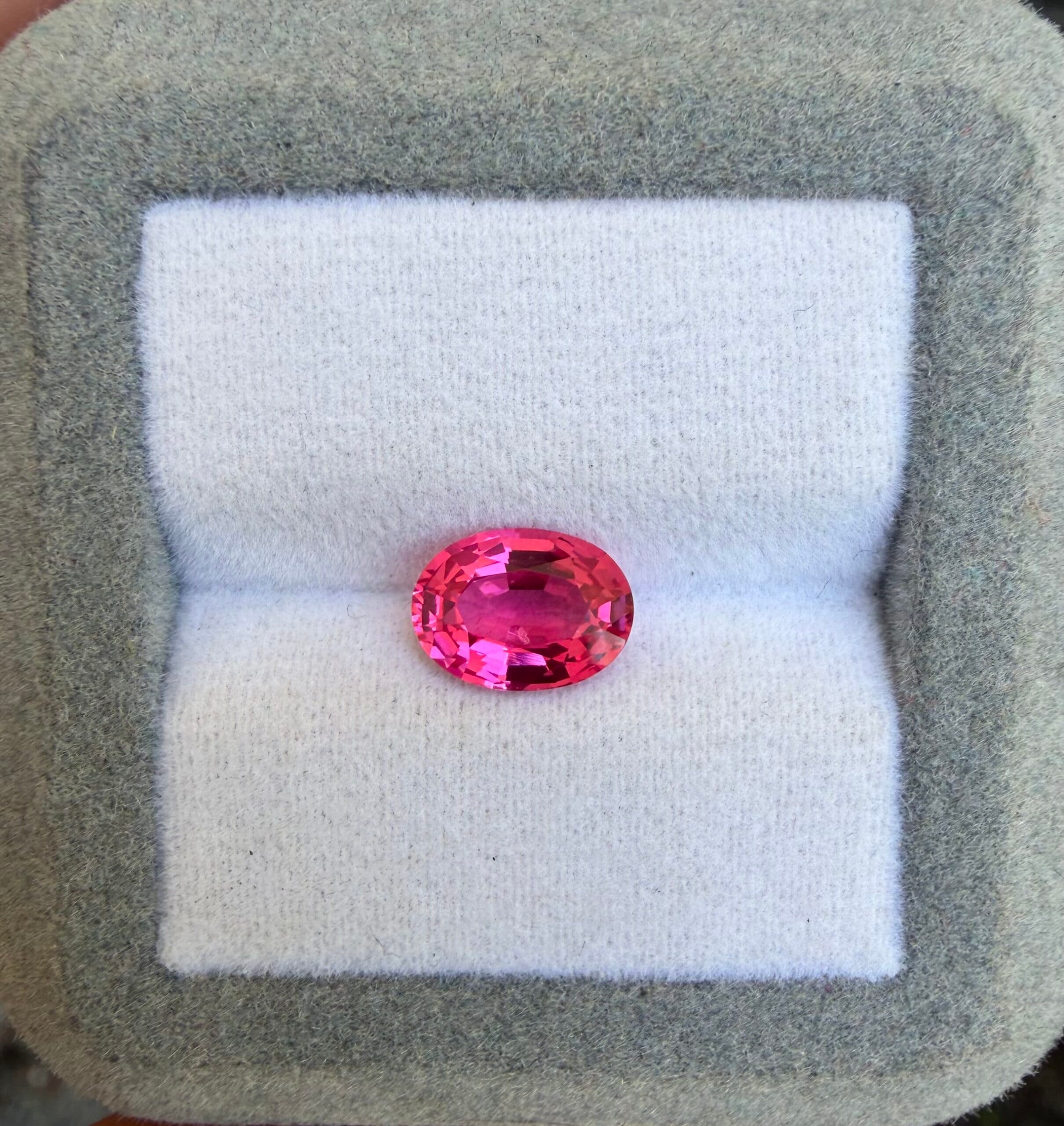
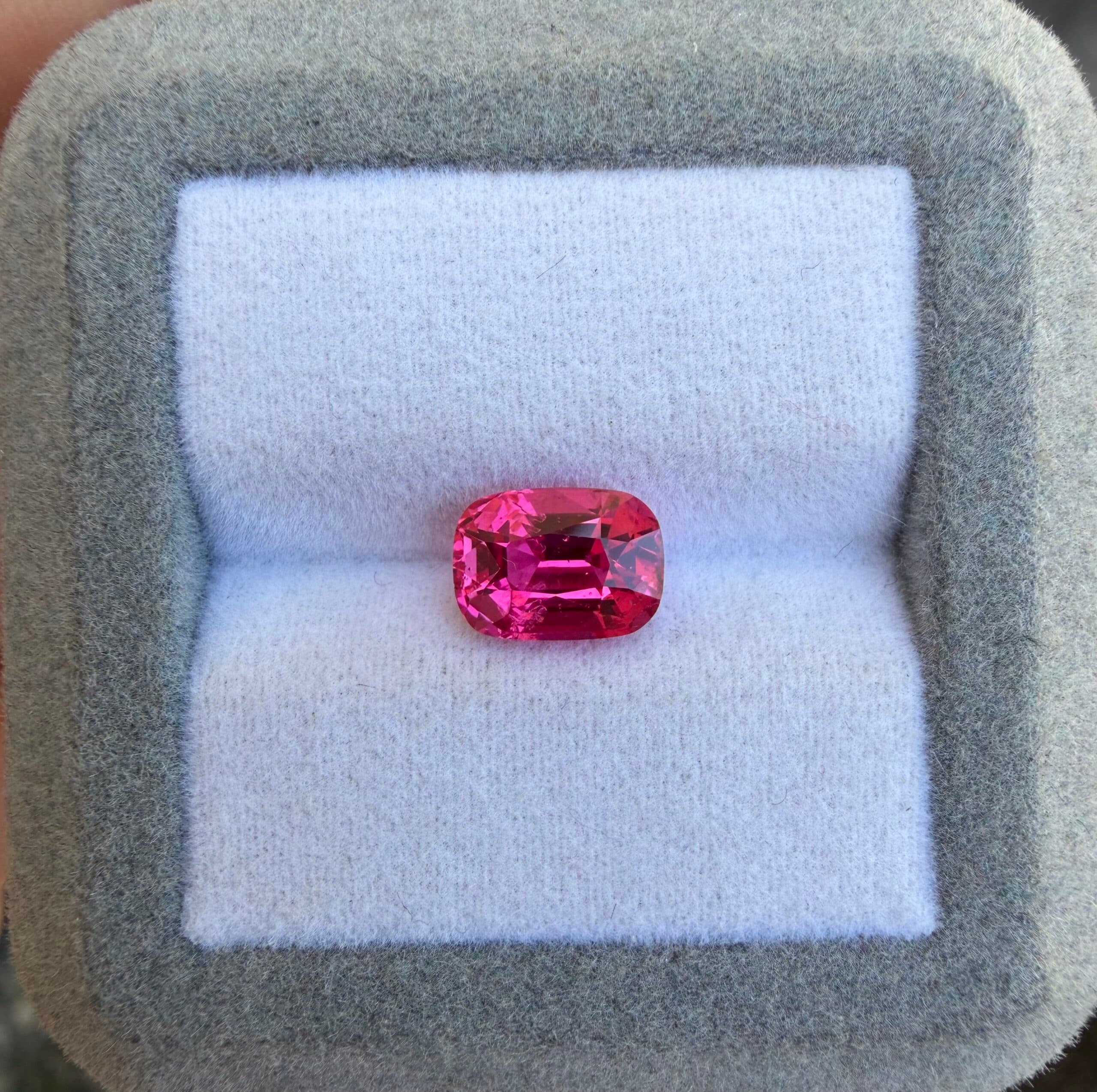
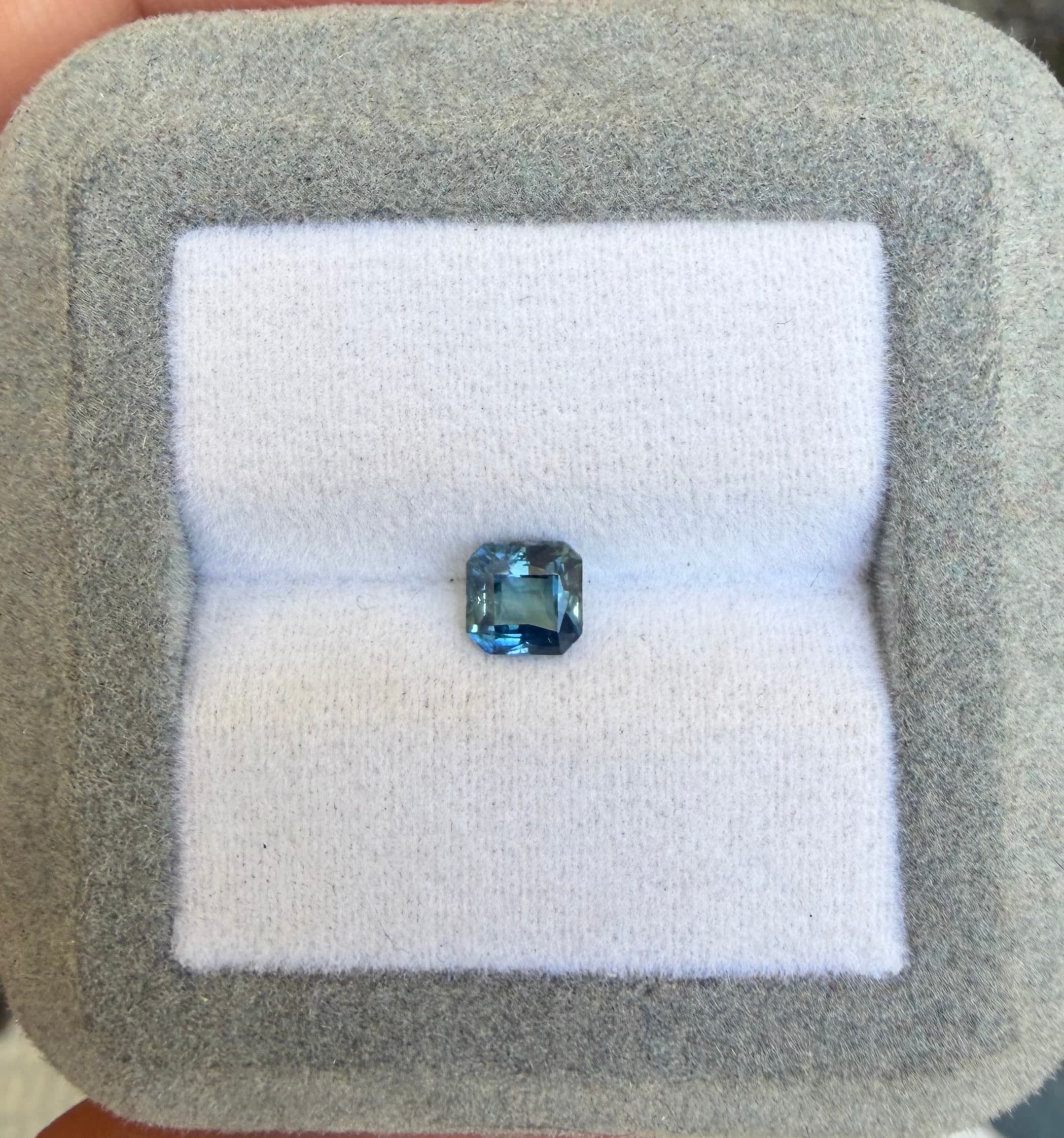
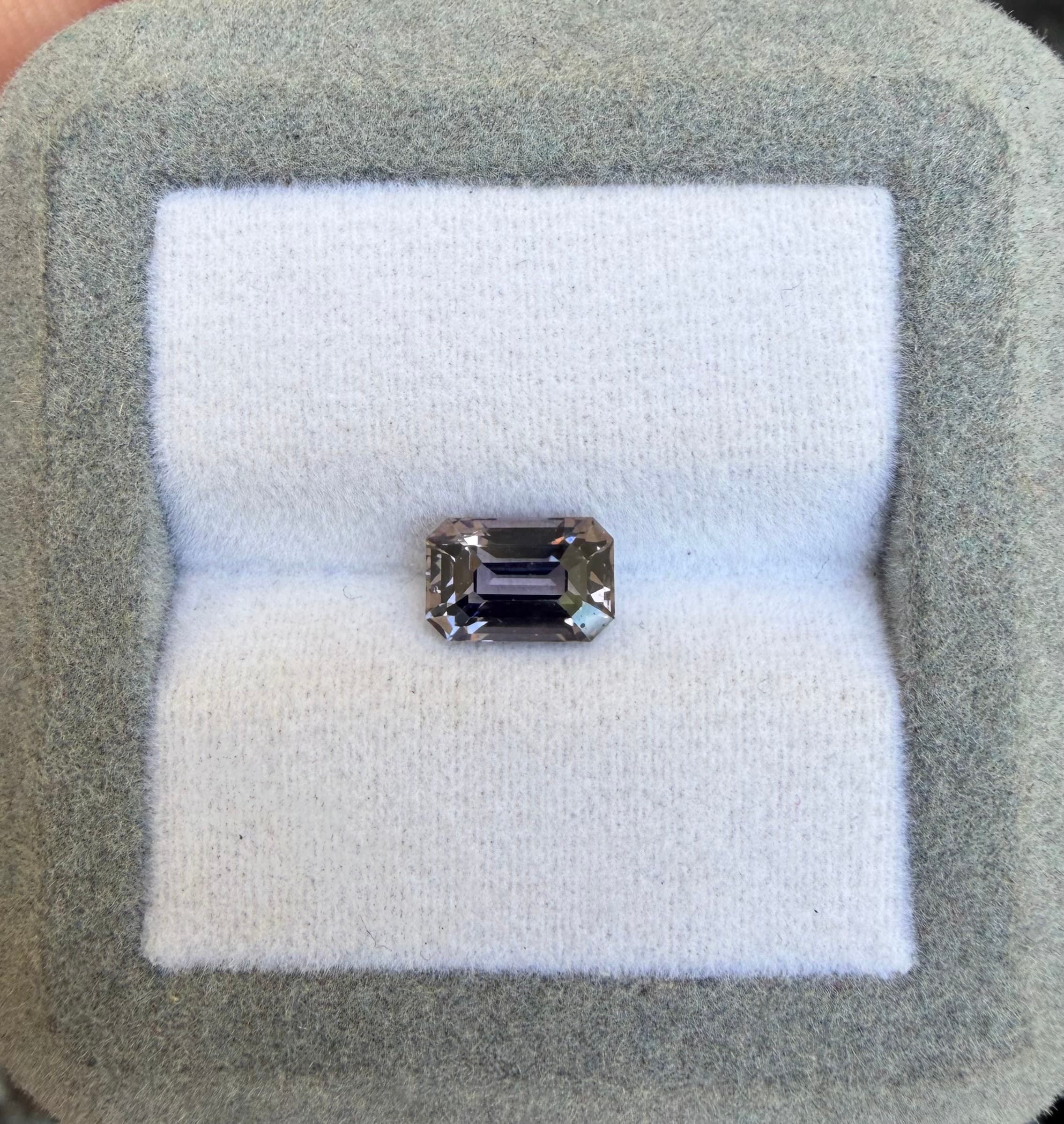
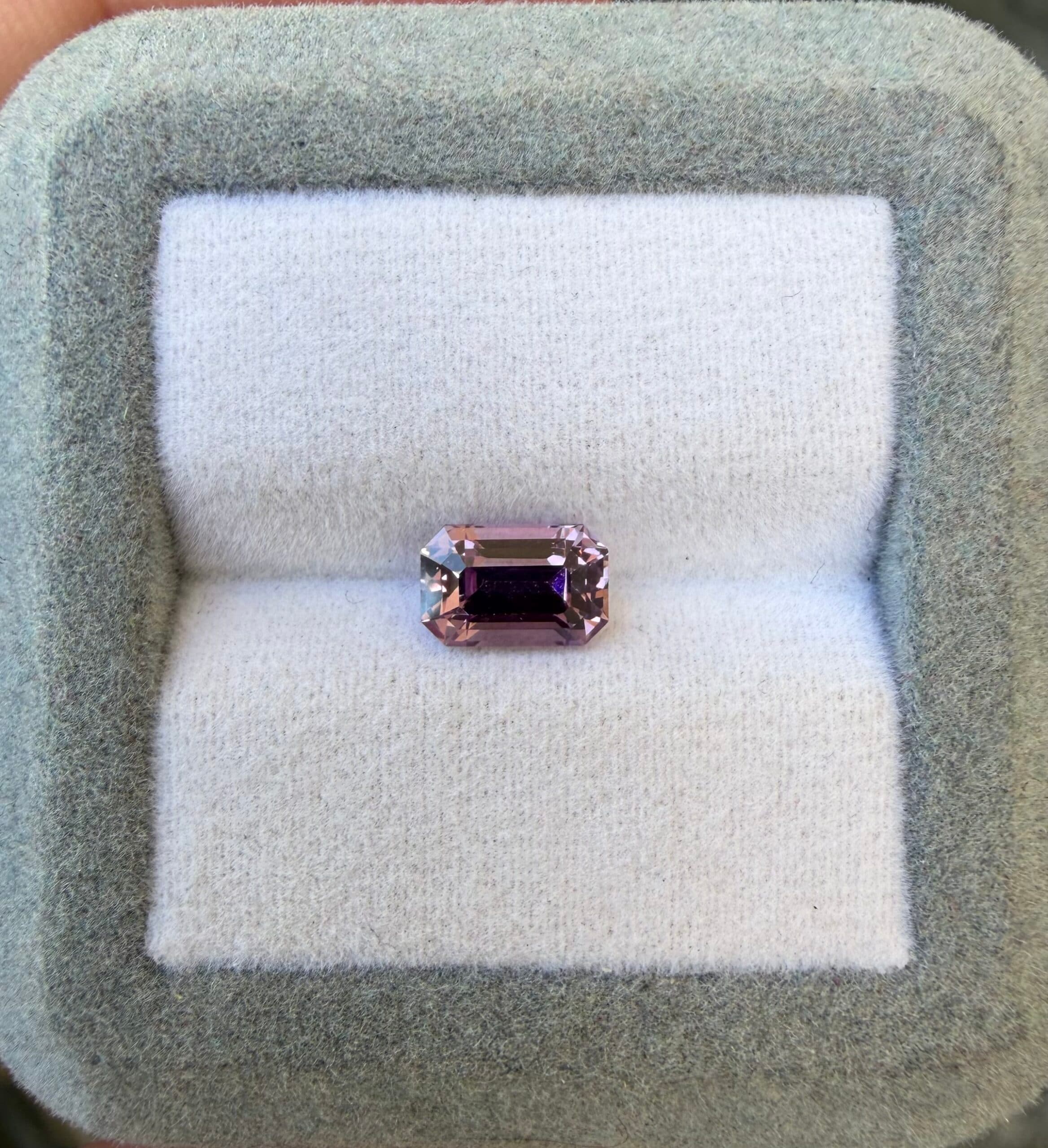
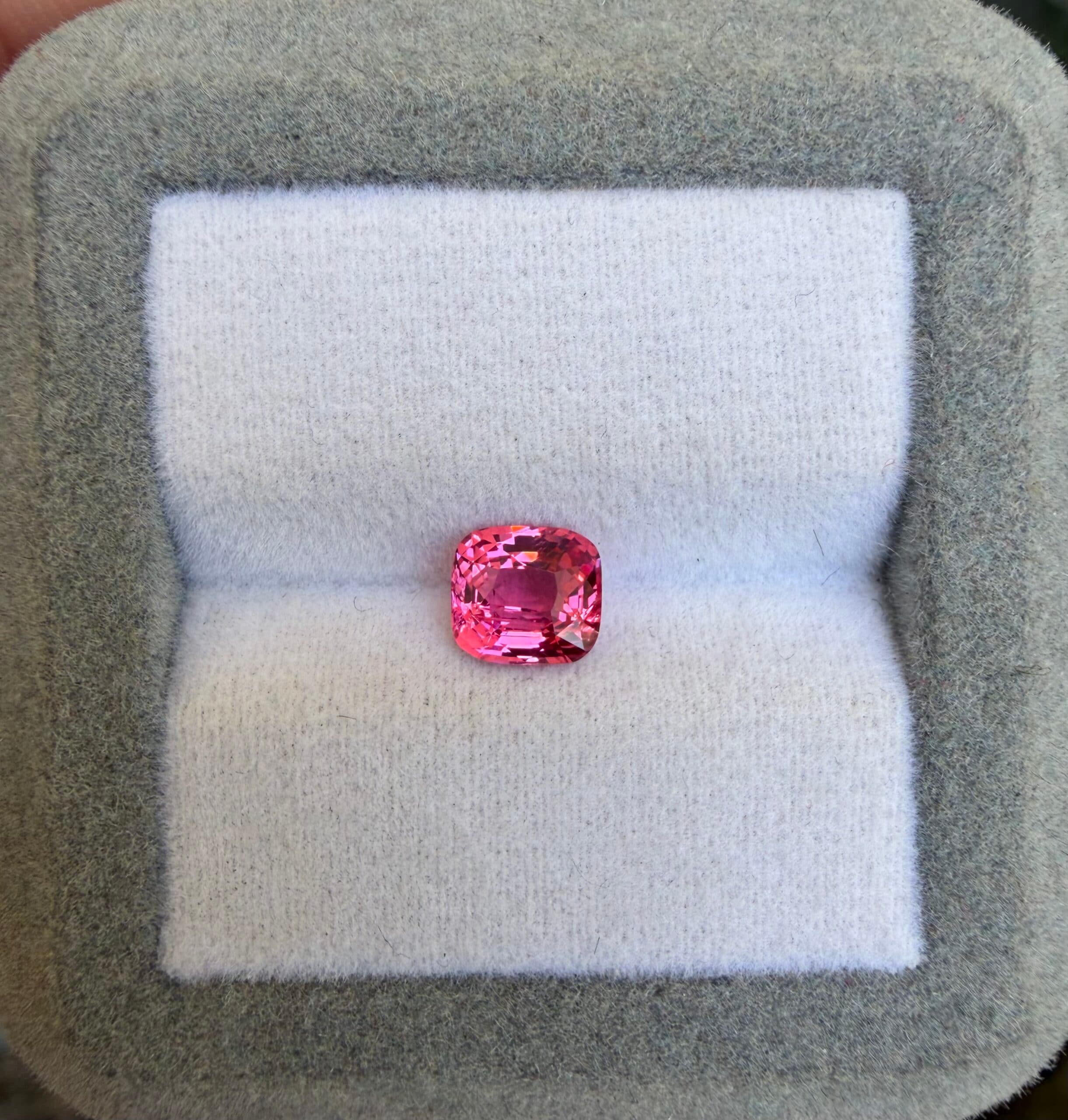
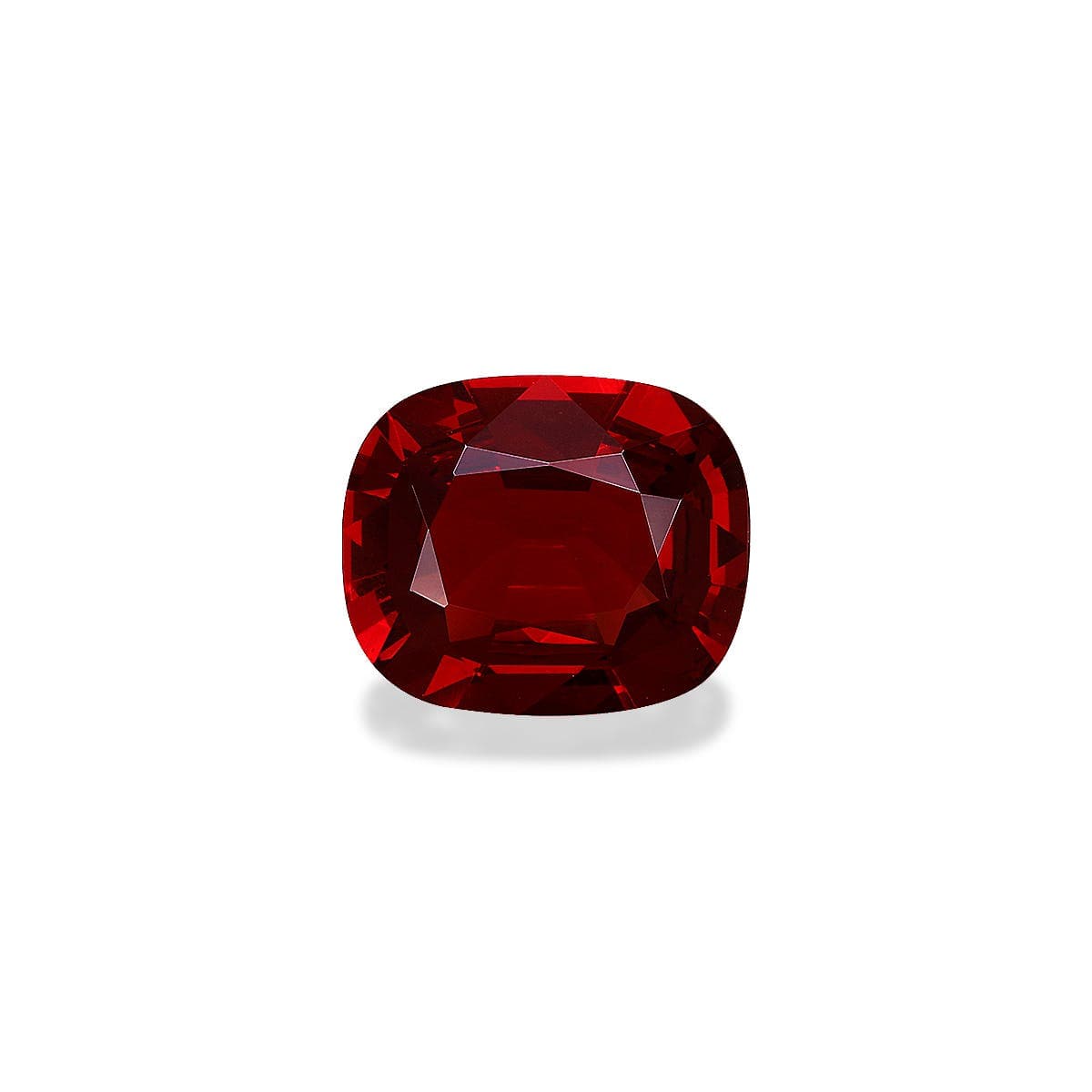
Spinel is one of the best-kept secrets in fine jewellery. Long mistaken for ruby — the so-called "Black Prince's Ruby" in the British Crown Jewels is in fact a spinel — it is almost always entirely natural and untreated, with…
Configure your ring
With Studio Bonnot, become the architect of your dream ring
Rating based on 100 customer reviews
Trusted by clients the world over
ICA Member
The only French jeweller to be a member of the International Colored Gemstone Association
Bonnot Paris Showroom
Everything begins with an appointment at Bonnot Paris
The Bonnot atelier
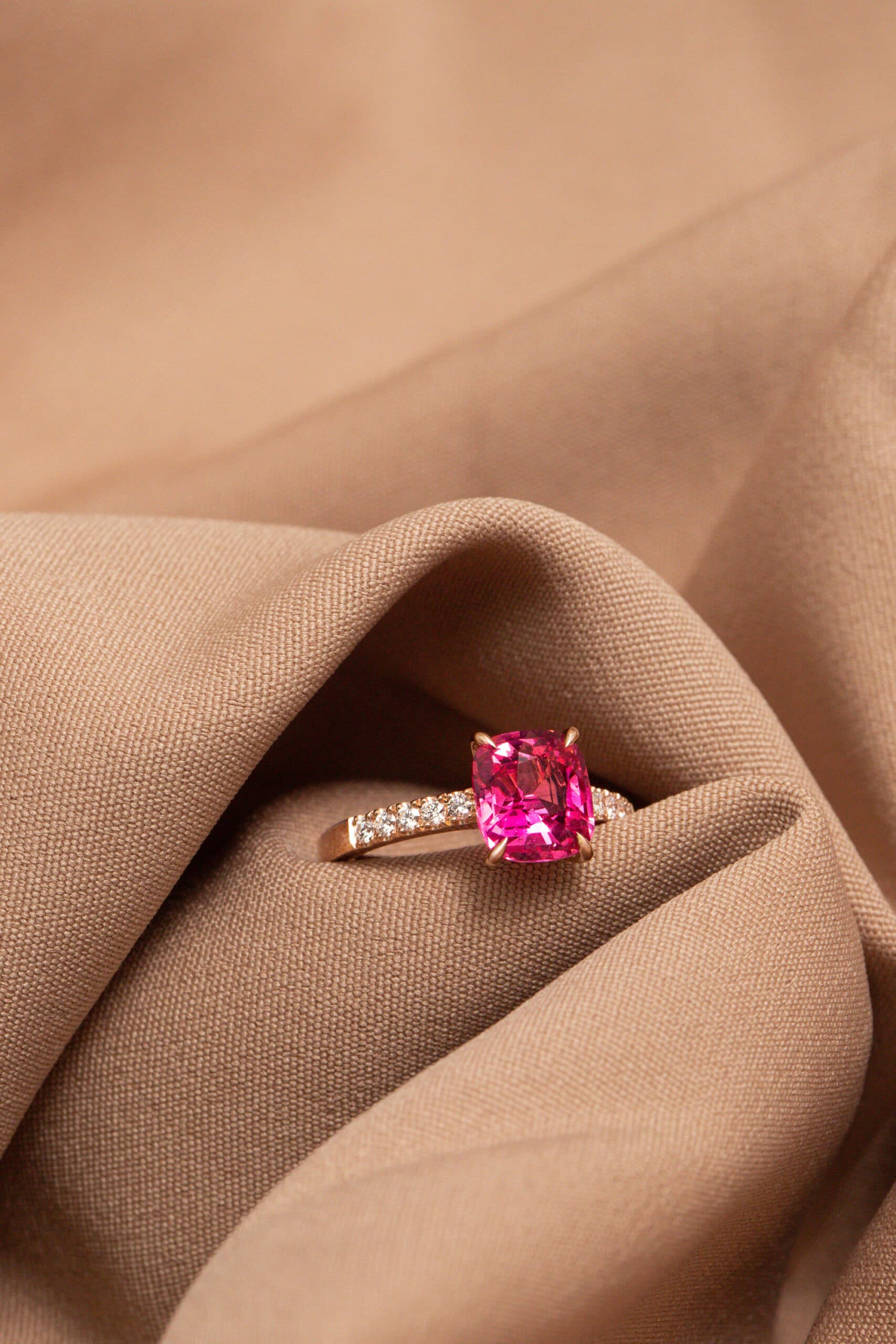
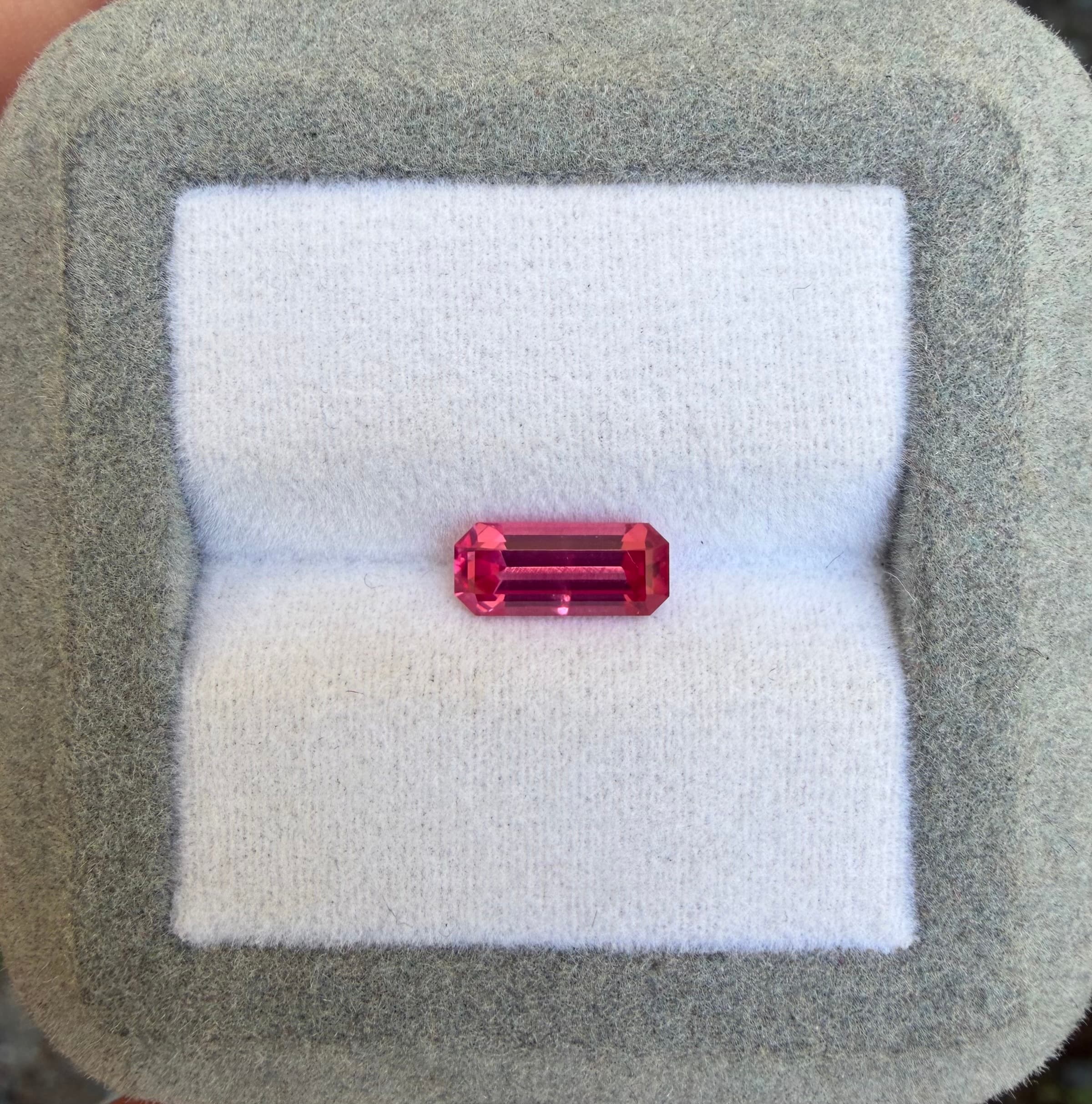
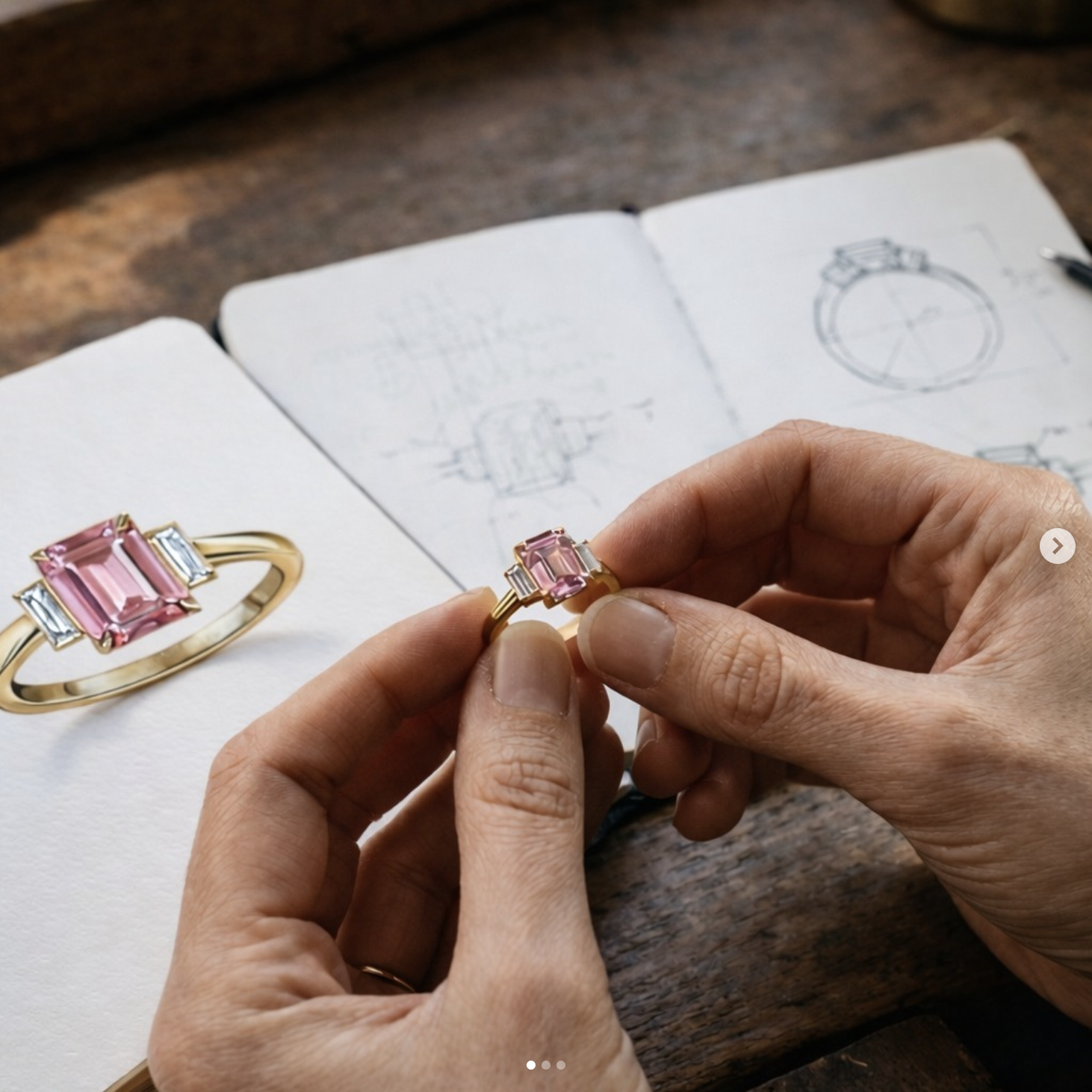
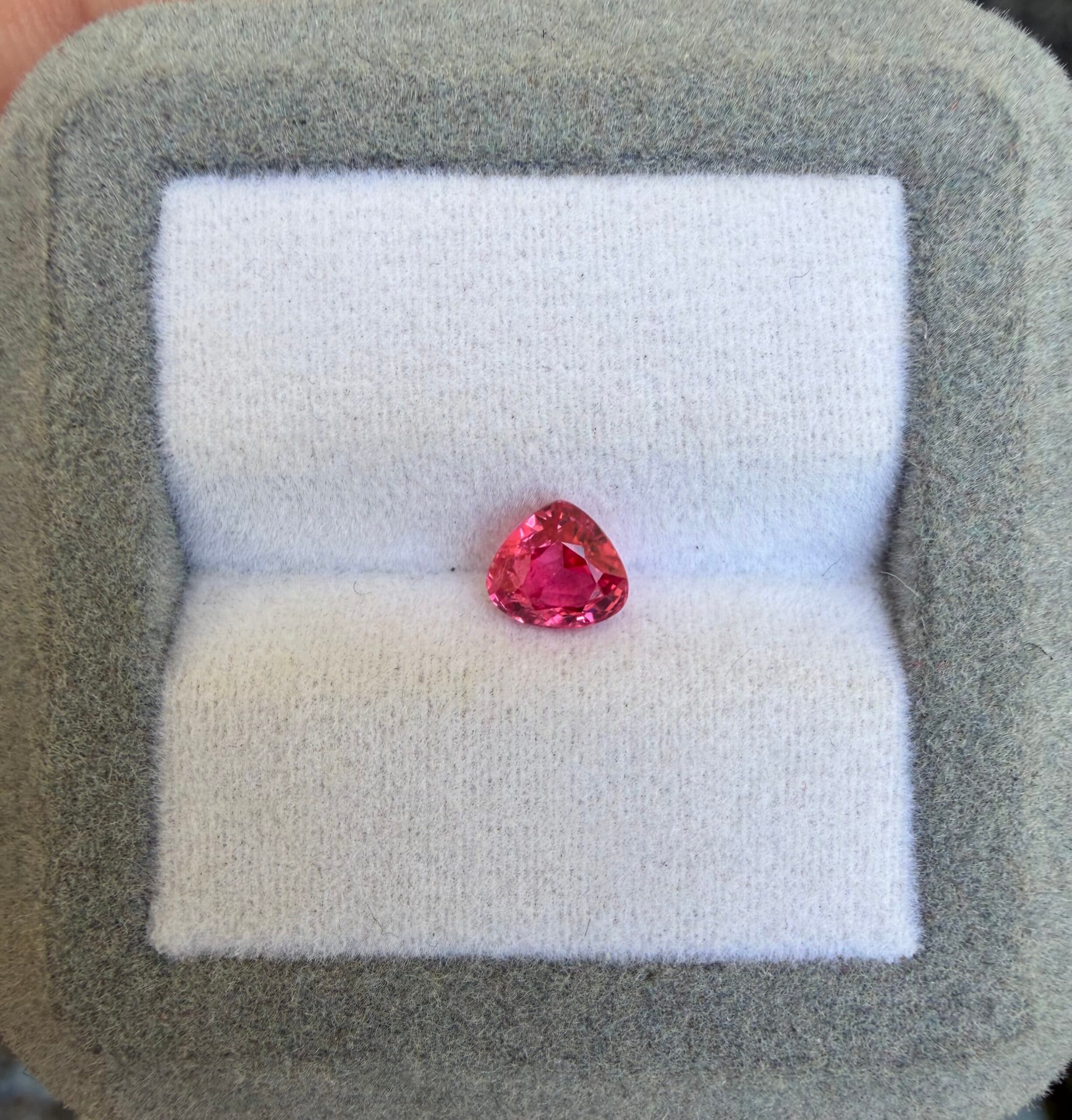
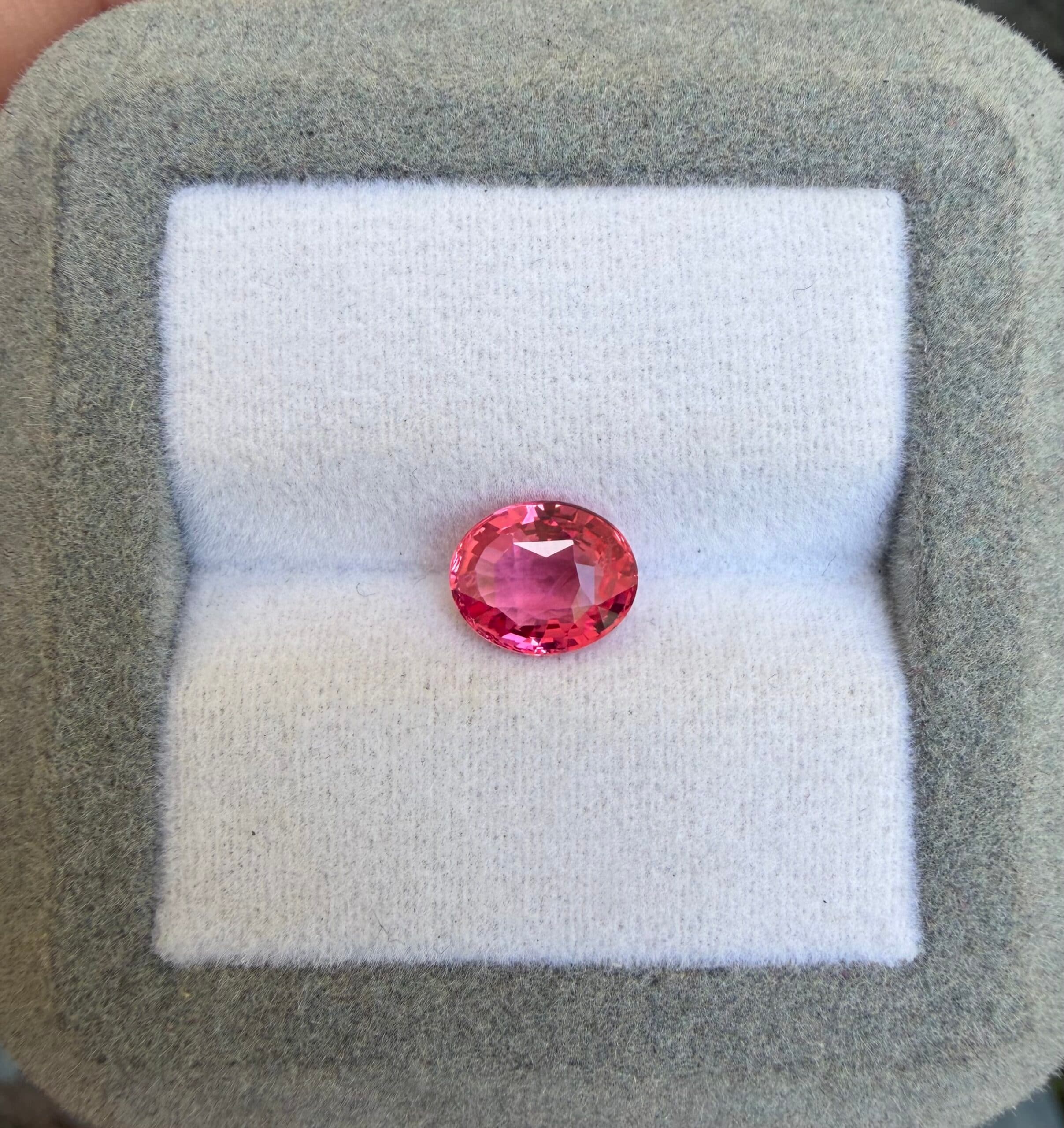
Every stone in this collection can be set in Paris on 18k gold, designed with you.
TRAVEL DIARY
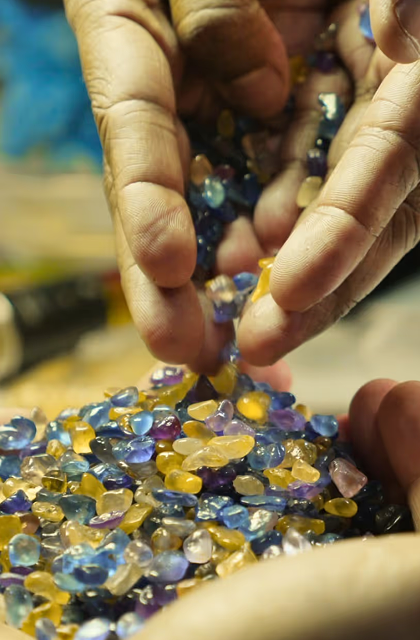
In Luc Yen, cradle of the world's finest spinels, with local dealers.
Explore
5/5
Excellent
5/5

Sophie Vincent
7 months ago
J'ai contacté la bijouterie Bonnot car je souhaitais un saphir Padparadscha, qui est assez rare. Toute la transaction a été faite à distance et s'est très bien passée. Ils sont très professionnels, à l'écoute et très sympathiques. J'ai reçu ma bague et elle correspond tout à fait à ma demande. Merci beaucoup 😋
5/5

Célia Gastel
6 months ago
L'adresse parfaite ! Bastien a été très à l'écoute, très bonne communication et très réactif ! Et leurs pierres sont superbes
5/5

Pn Ph
6 months ago
Excellente expérience avec Bastien pour la conception de notre bague de fiançailles sur mesure. Il a été disponible, les échanges ont été fluides et efficaces. La conception de la bague a été rapide, elle est magnifique et correspond exactement à ce que nous voulions. Nous recommandons fortement Bonnot pour son expertise, mais aussi son sens de l'écoute.
5/5

JFL lancelier
6 months ago
Très professionnels.un service impeccable une belle offre de bijoux de très grande qualité
5/5

Alan Cormand
6 months ago
J’ai récemment commencé une collection de pierres précieuses et je suis vraiment impressionné par la qualité. Les pierres sont magnifiques, bien taillées et correspondent parfaitement à la description. En plus, la livraison a été très rapide. Je recommande sans hésitation !
5/5

Alex
6 months ago
Une très belle maison qui allie savoir-faire et excellence du service. L’expérience client est fluide, rapide et d’une grande transparence. Merci à Bonnot Joaillerie pour cet accompagnement de qualité.
5/5

Christine Petit
6 months ago
Bastien est à la fois très sympathique et très professionnel. J'ai été très bien reçue, le contact et la communication sont faciles. J'ai fait transformer une marguerite en bague plus moderne et je suis ravie du résultat.
5/5

marielle frances
6 months ago
Une très belle rencontre autour d'une belle Pierre, merci à Bastien et François pour leur accueil! A très bientôt pour l'achat de nouvelles pierres!
5/5

Yac ine
5 months ago
Professionnels, réactifs et sympathiques, je recommande.

Exceptional precious stones at fair and transparent prices

Our unique gemstones reflect the purity and elegance of nature

Exclusively by renowned independent laboratories
Exceptional sourcing
At Bonnot Paris, every stone is selected for its rarity, clarity and ethical provenance, ensuring full traceability, exceptional quality and fair pricing.
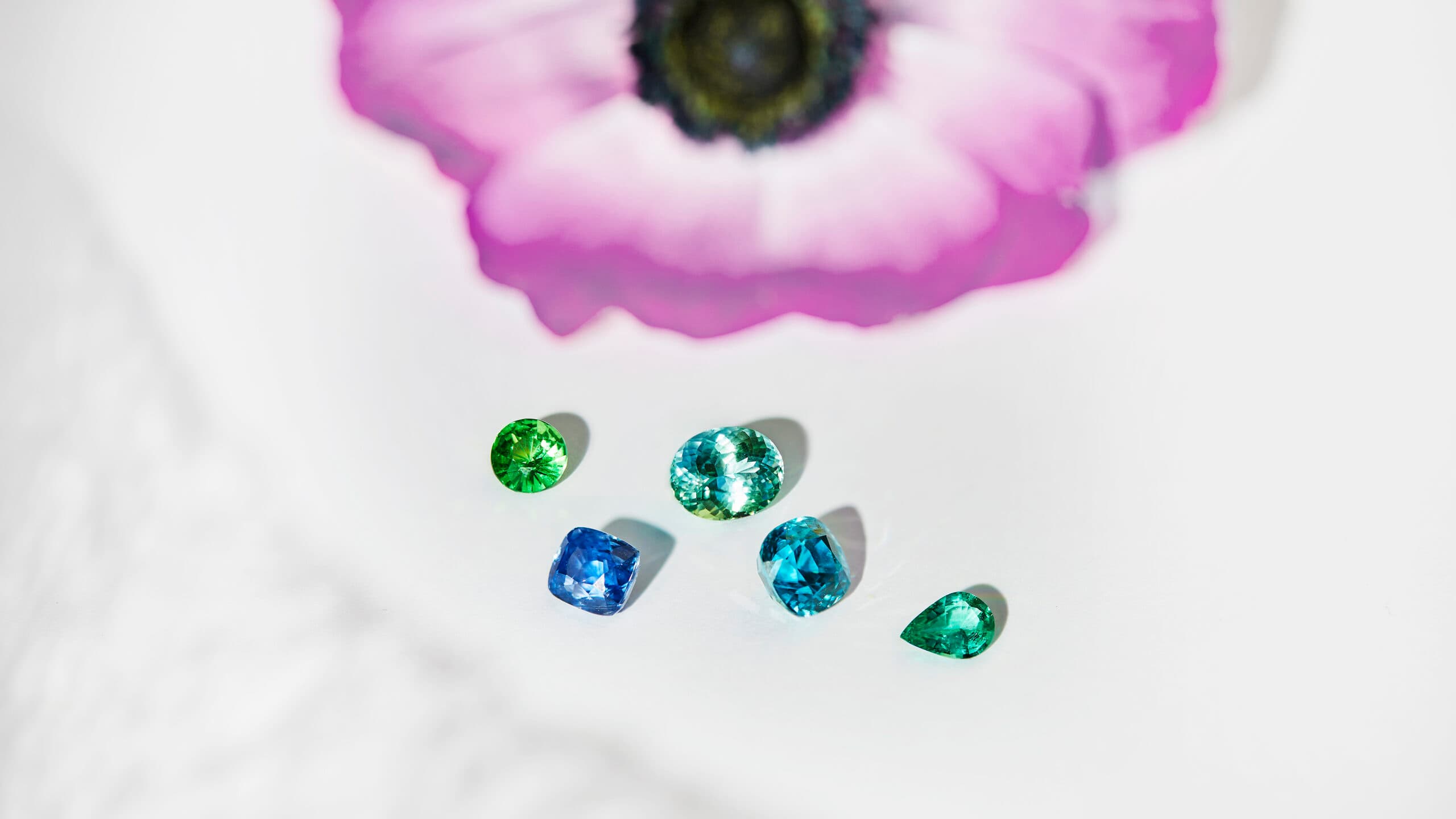
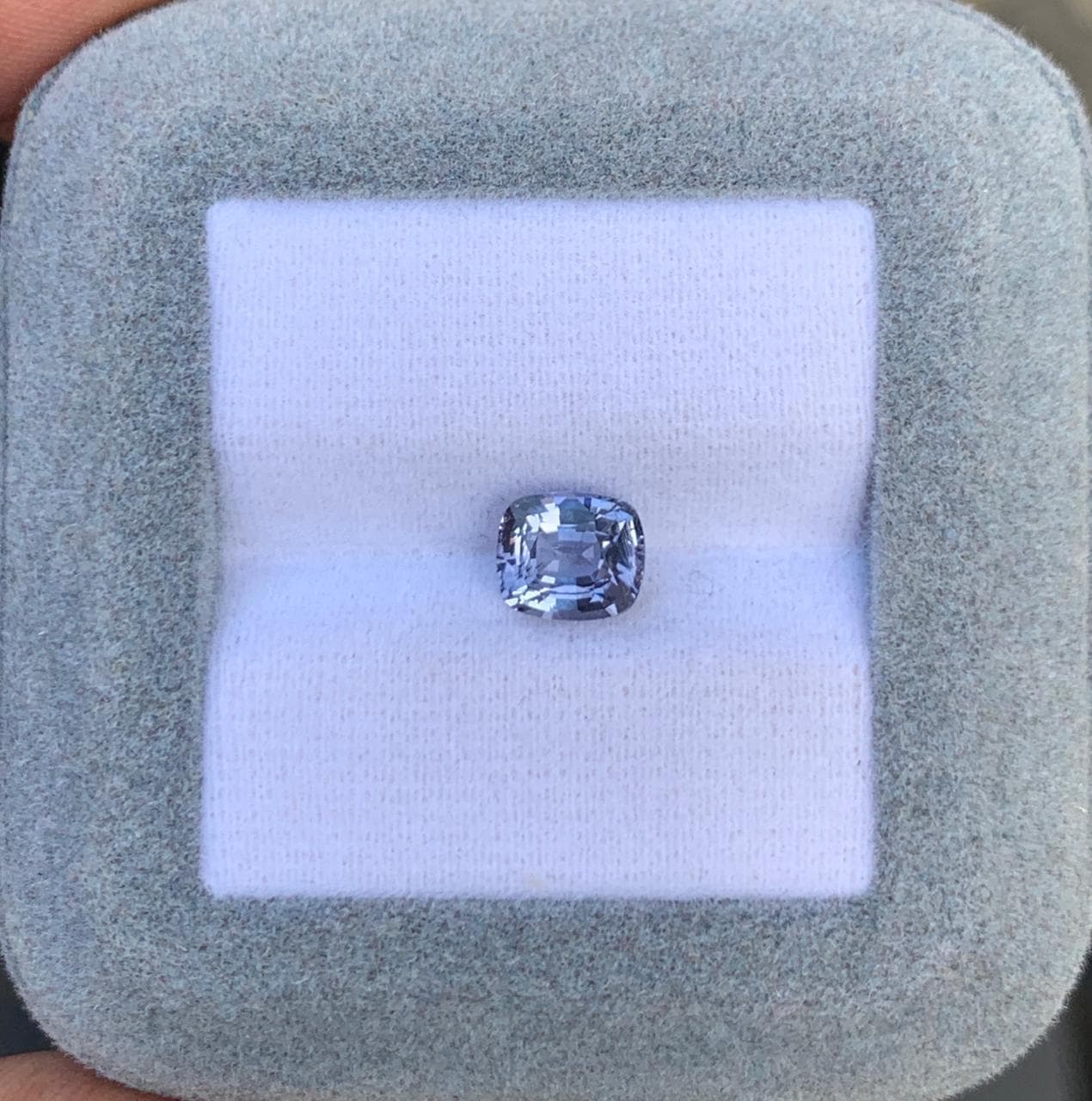
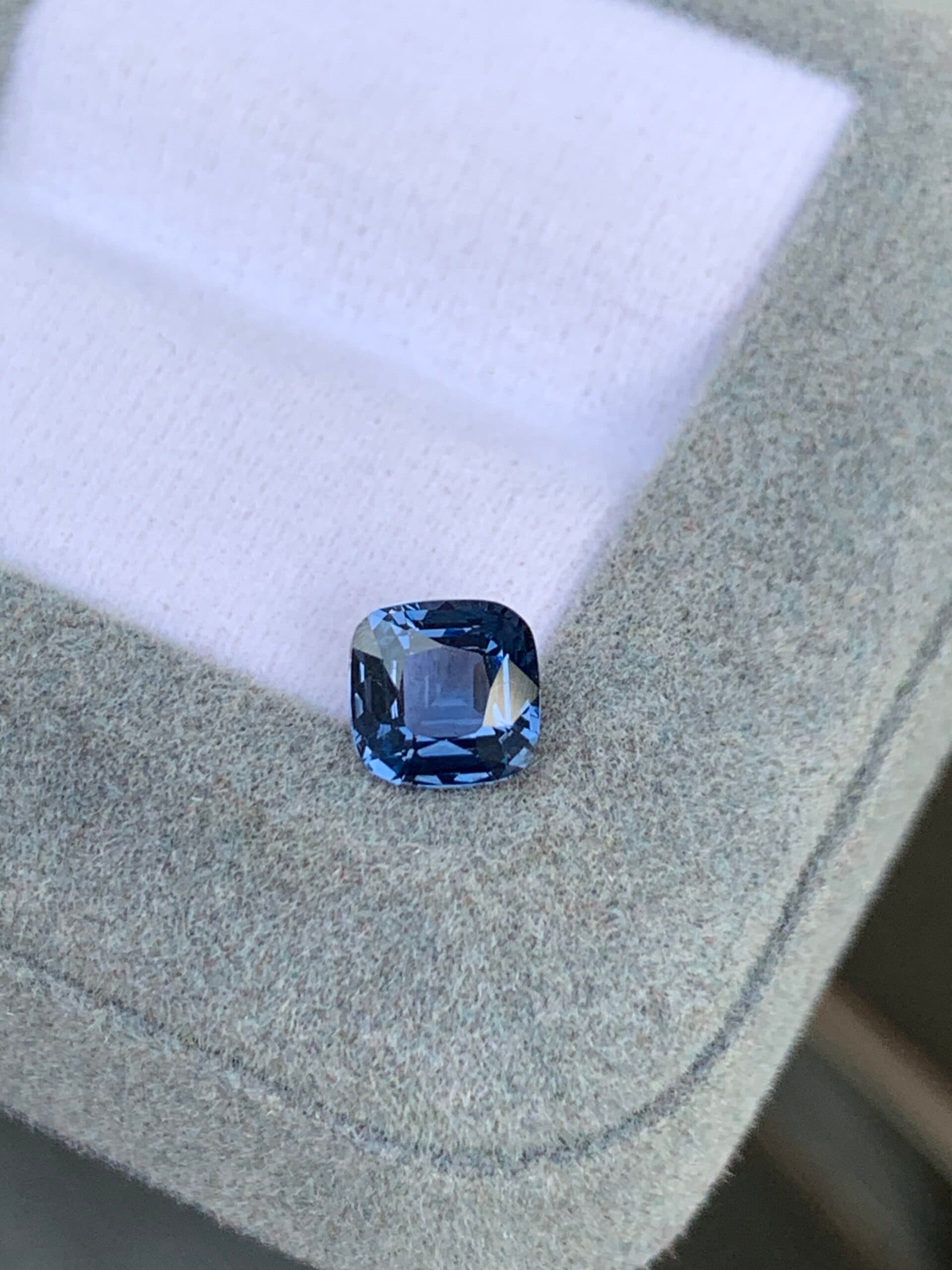
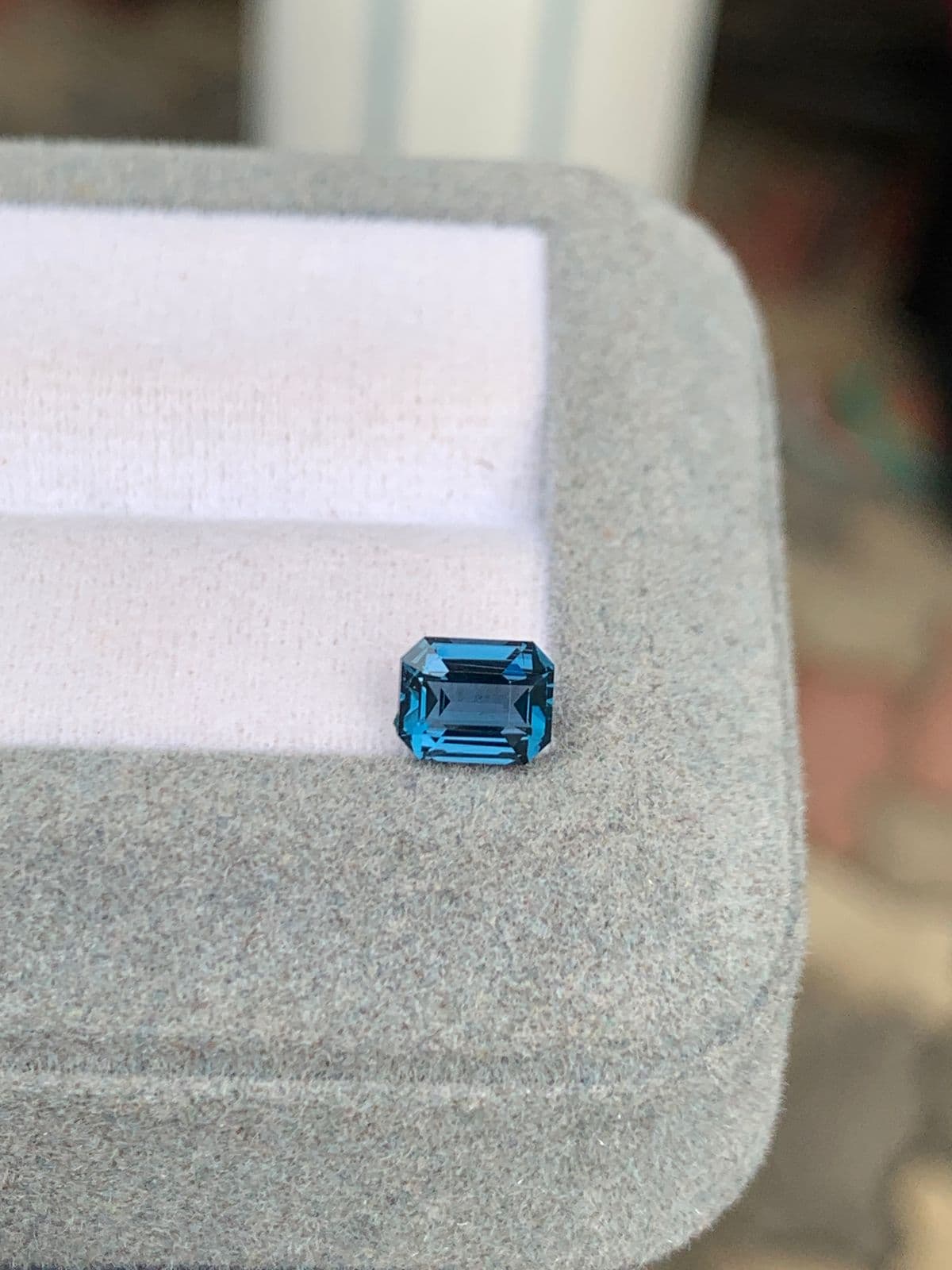
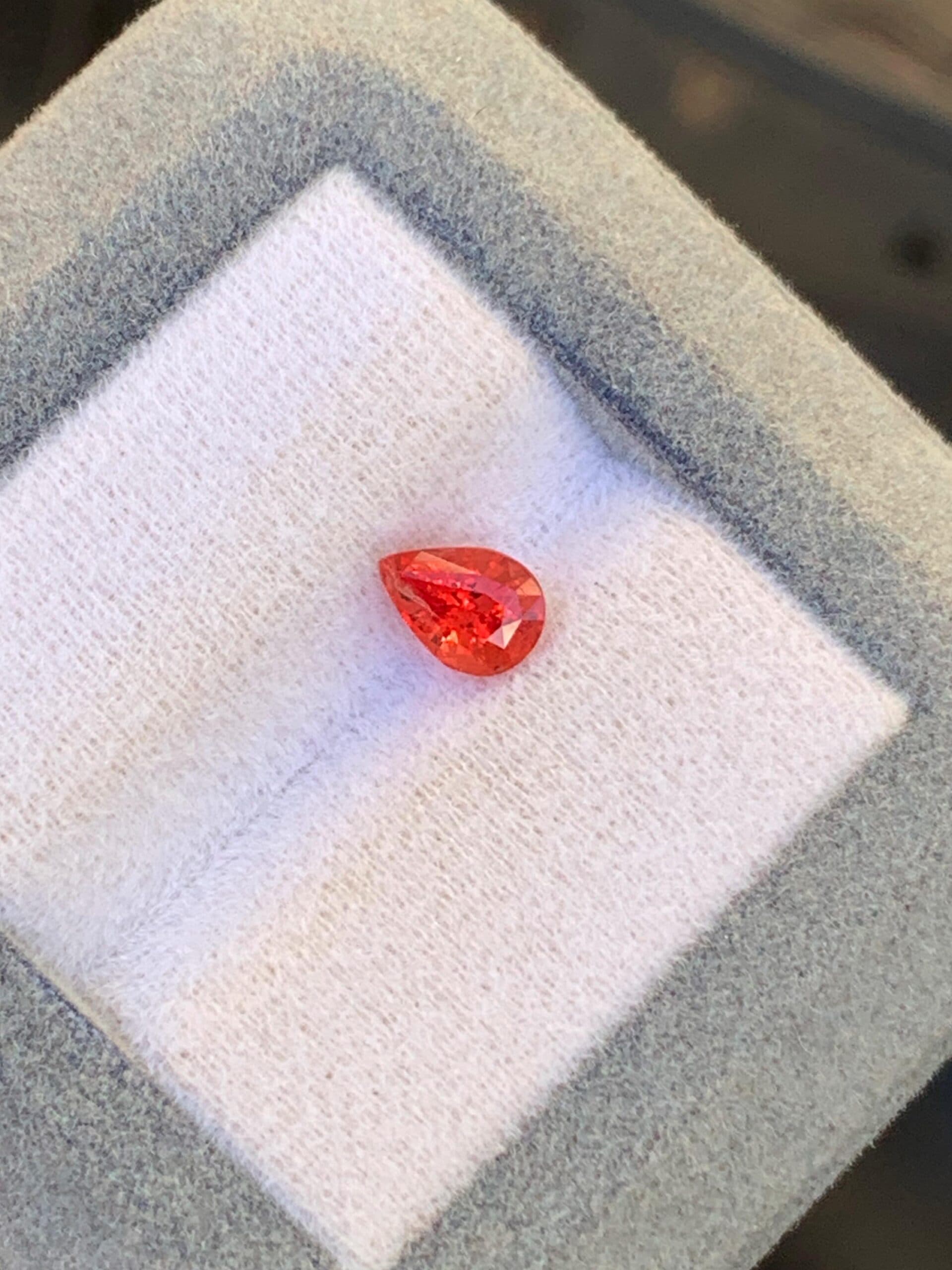
Spinel is a crystalline precious stone that occurs naturally in a wide range of colours. Its hardness of 8 on the Mohs scale gives it excellent durability. It differs from ruby and sapphire in its mineral composition. Its transparency and brilliance place it visually alongside the most prestigious coloured stones.
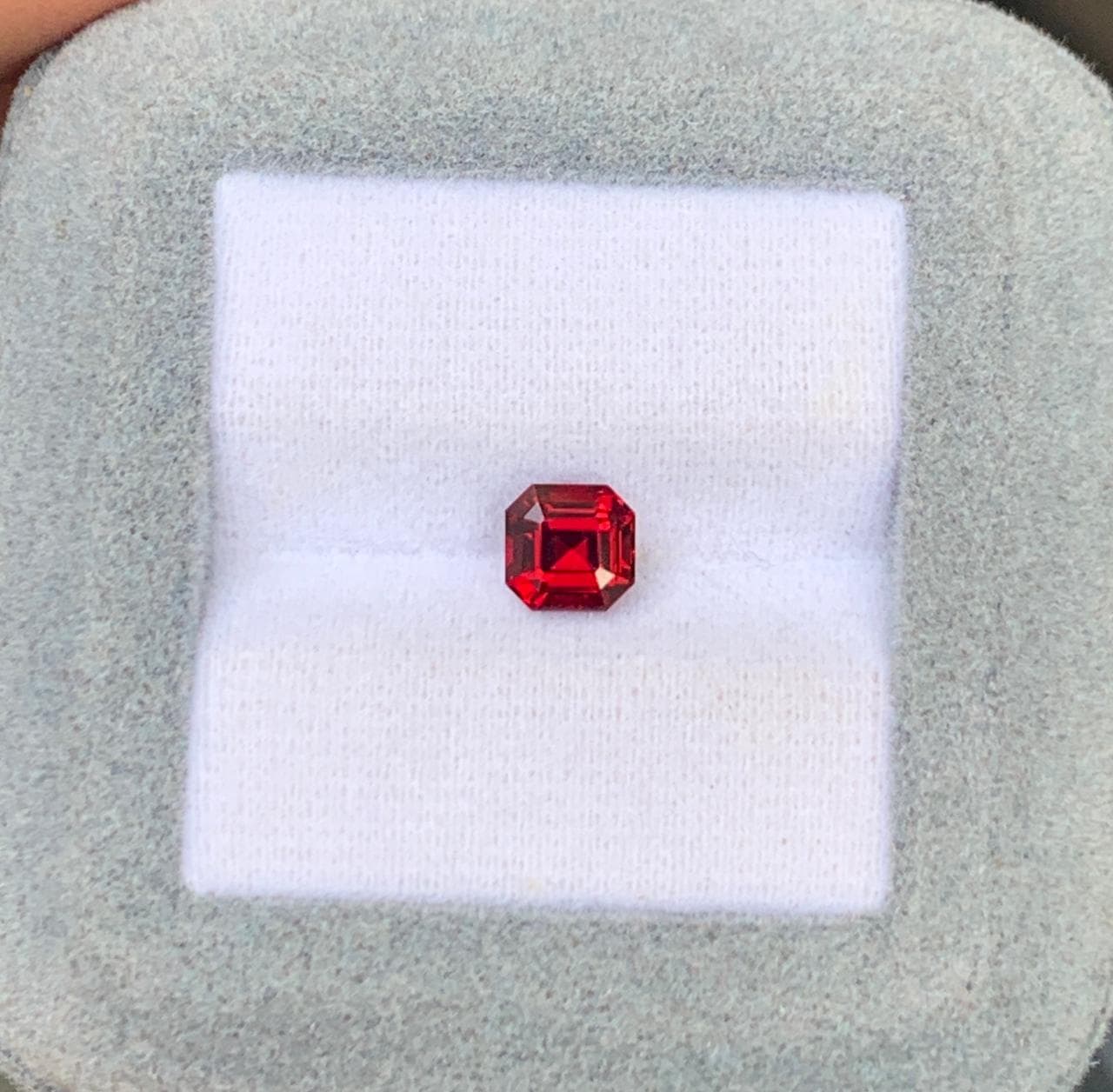
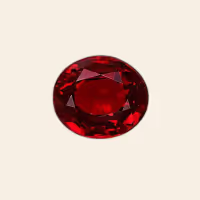
Spinel and ruby can display strikingly similar red hues, yet they are distinct stones with different mineral compositions. Ruby owes its colour to chromium, as does spinel — but the two belong to entirely different mineral families. They were confused with one another for centuries: the famous "Black Prince's Ruby" in the British Crown Jewels was not identified as a spinel until 1851. In terms of hardness, ruby scores 9 against spinel's 8 on the Mohs scale, though spinel remains perfectly suited to daily wear.
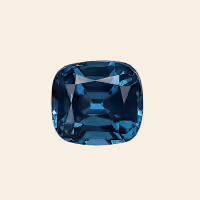
The price of a spinel varies considerably depending on colour, weight and origin. For a good-quality stone of around one carat, expect to pay €300 to €1,500 per carat. Mahenge pink spinels from Tanzania reach €3,000 to €10,000 per carat. "Jedi" red spinels from Burma can exceed €15,000 per carat. Cobalt blue spinels remain the rarest and most expensive of all. At equivalent quality, a spinel typically costs three to five times less than a ruby.
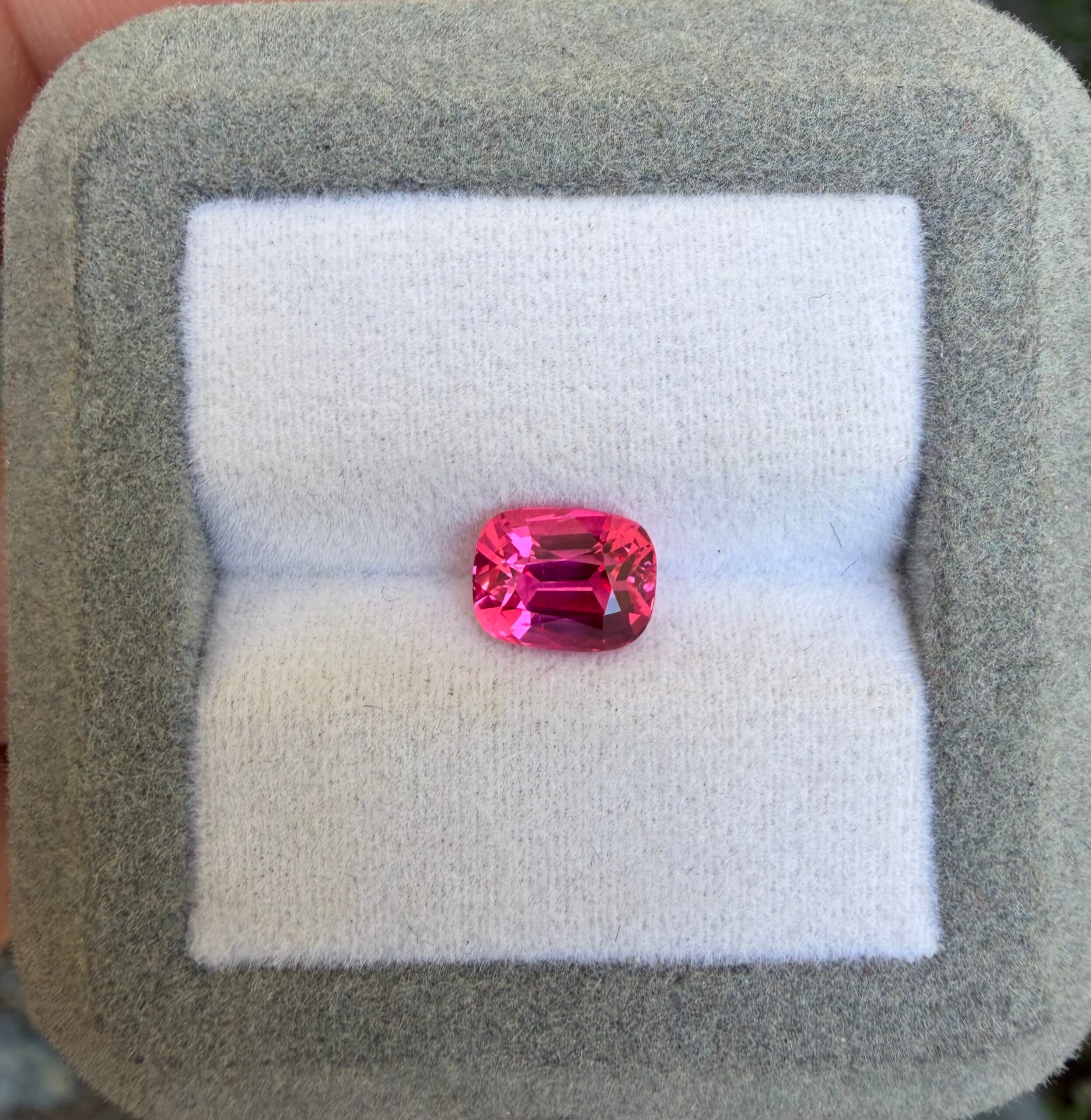
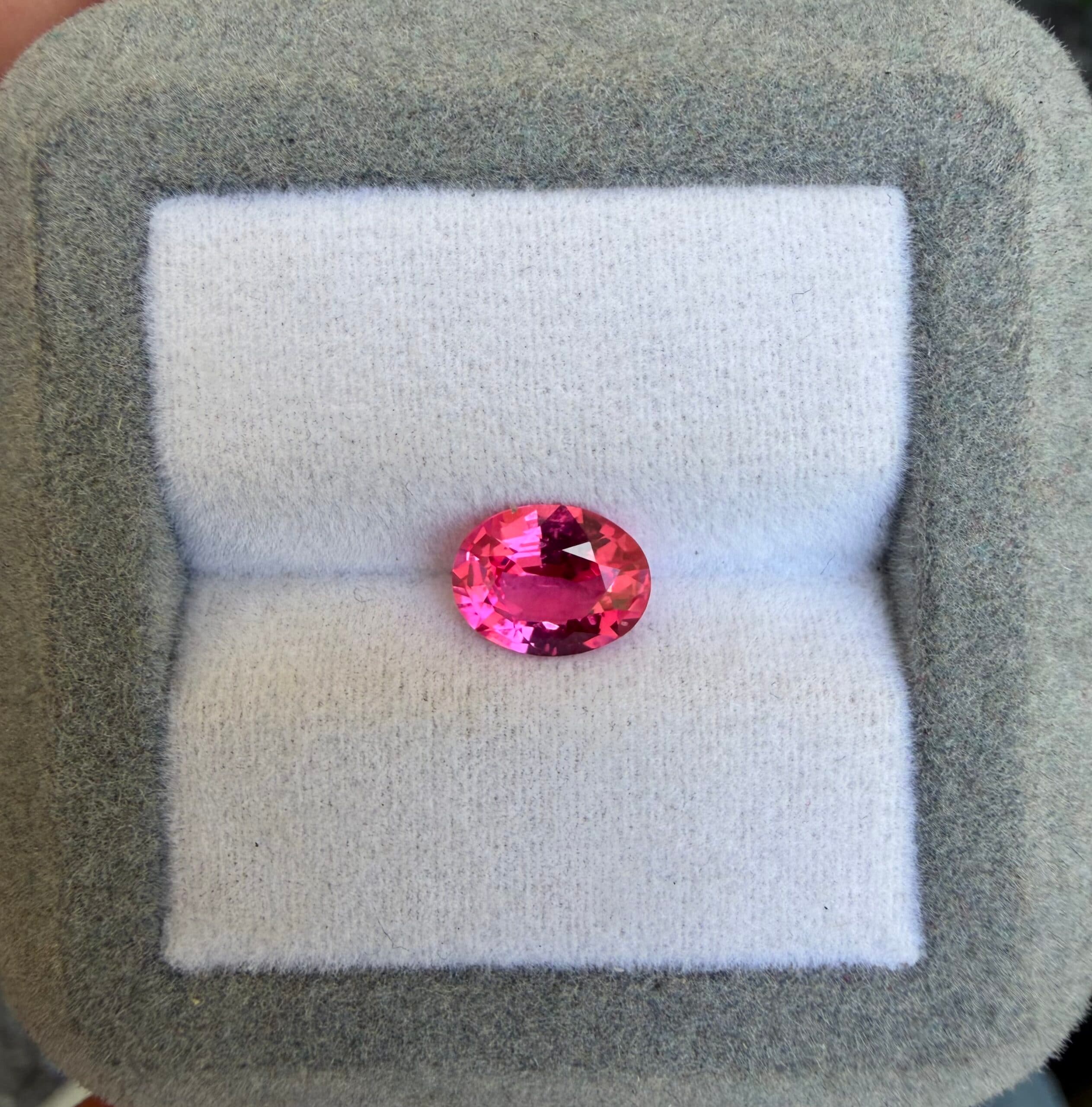
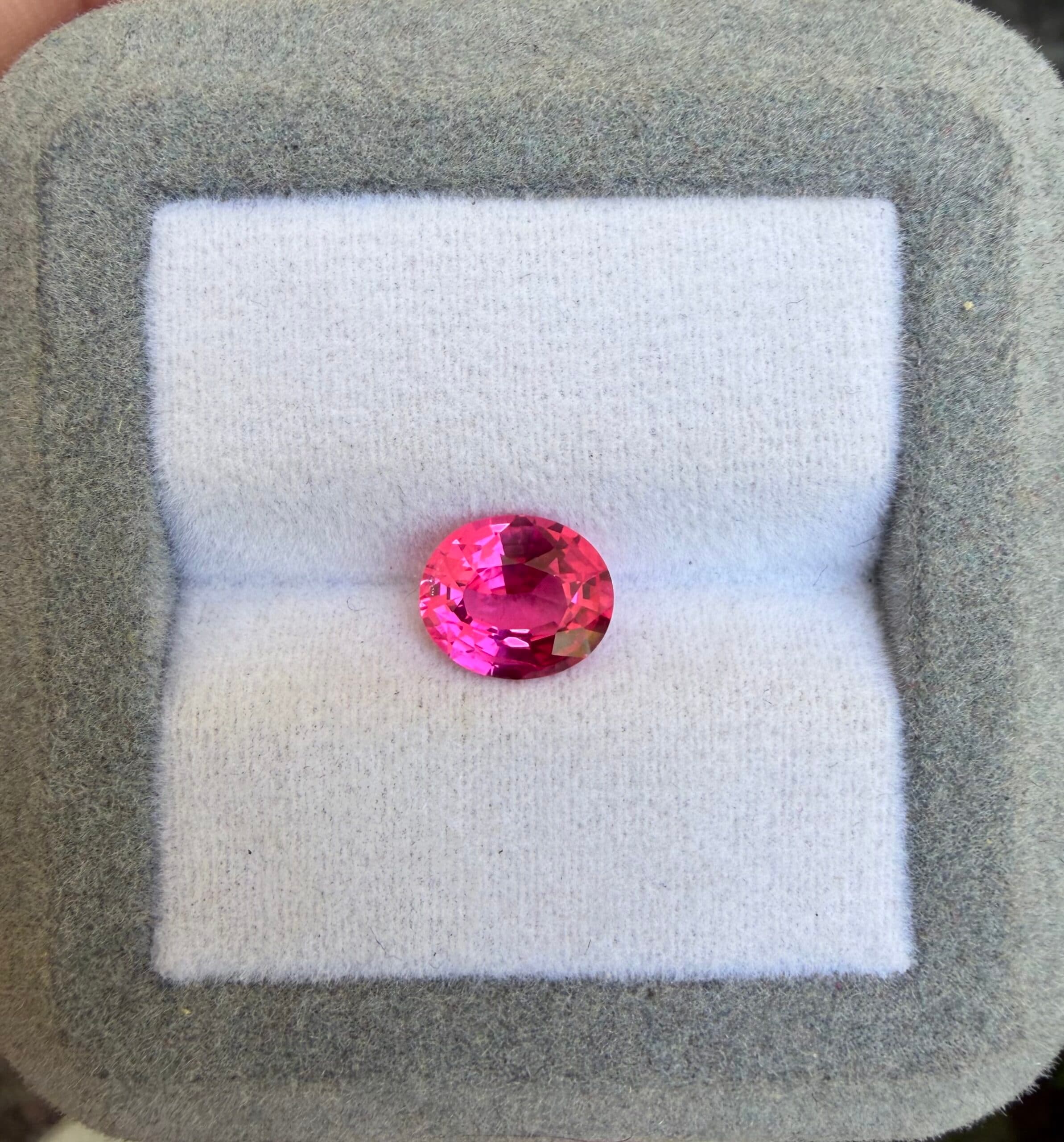
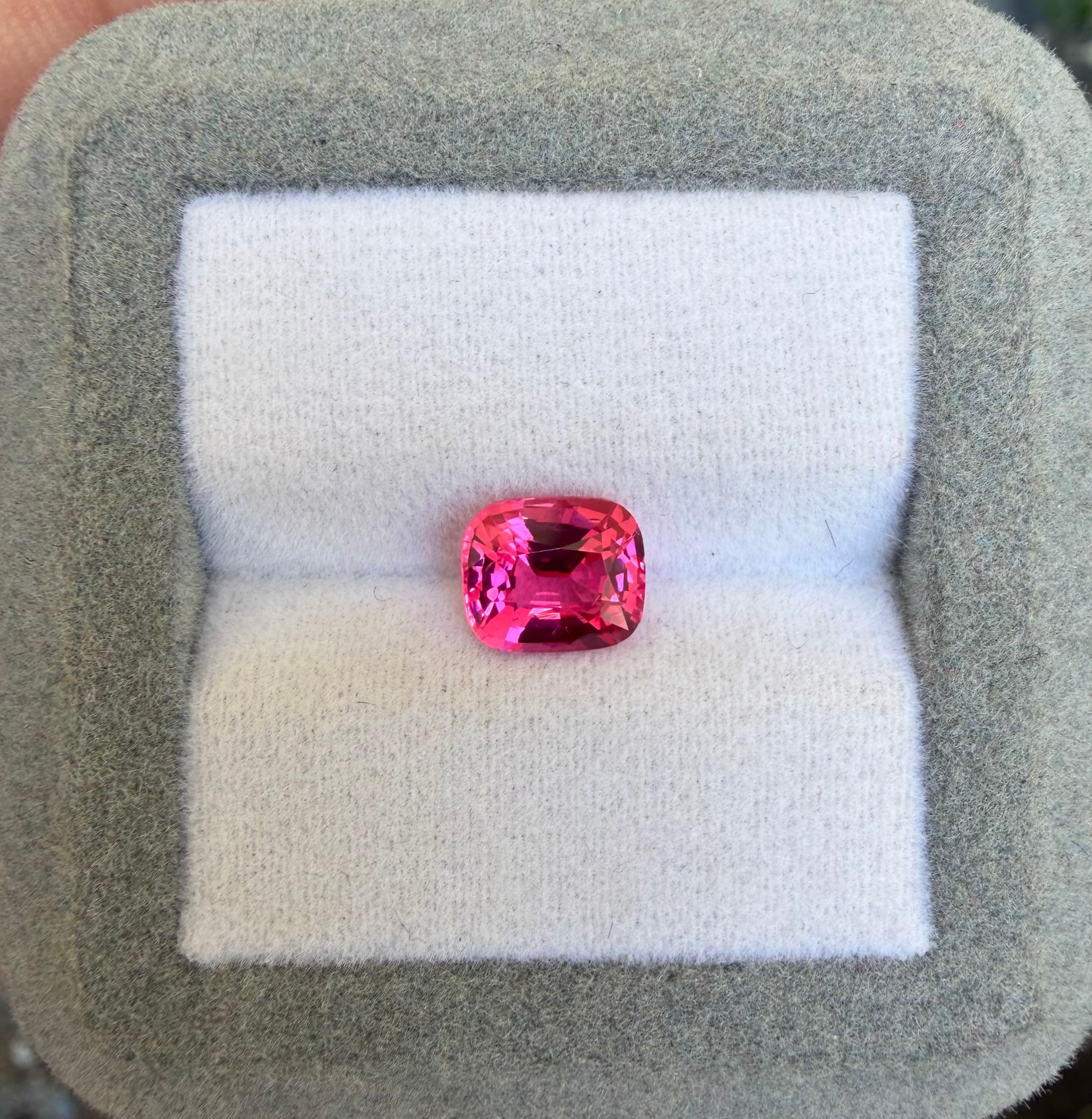
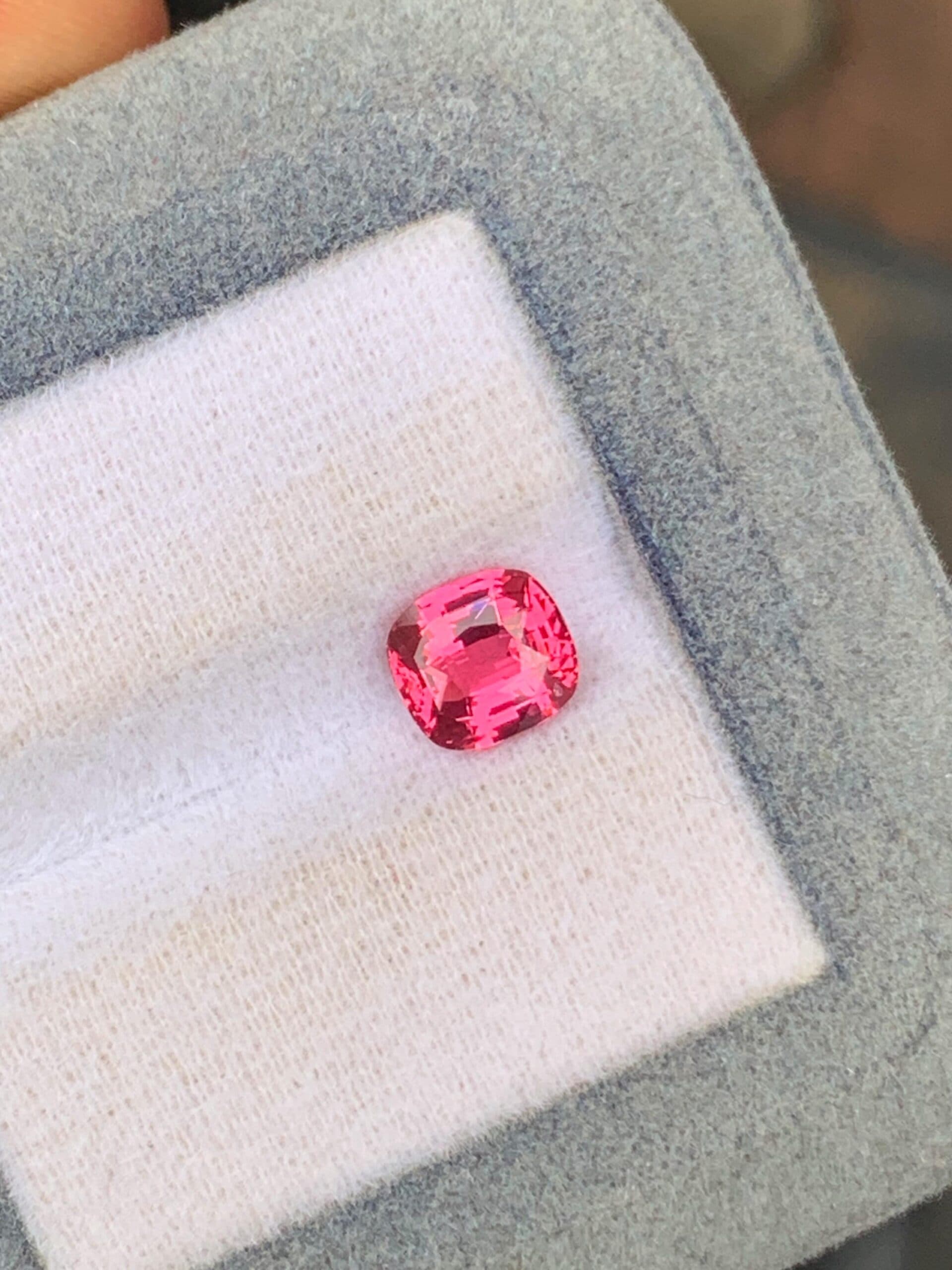
Spinels come principally from four historic sources. Burma (Mogok) yields the legendary neon-red "Jedi" spinels, the most coveted of all. Tanzania (Mahenge) has been the world benchmark for fluorescent pink spinels since 2007. Tajikistan (Kuh-i-Lal) produces pink spinels with soft, historically significant hues. Vietnam (Luc Yen) offers spinels across many colours, including rare blues. Sri Lanka rounds out supply with more modest but notable production.
Spinel is one of the very few precious stones that is naturally untreated. More than 95% of spinels on the market receive no heat treatment or chemical enhancement whatsoever — one of its most compelling advantages over ruby or sapphire. This quality appeals particularly to enthusiasts and collectors alike. Bonnot Paris guarantees the absence of treatment for every spinel in the collection, confirmed without exception by an independent certificate.
Yes, spinel is an excellent choice for an engagement ring. Its hardness of 8 on the Mohs scale ensures lasting durability and stands up to everyday wear without requiring a protective setting. Its natural rarity and untreated character make it a particularly meaningful choice. Spinel offers a distinctive alternative to classic sapphire and ruby, and its broad colour palette makes it possible to find a truly one-of-a-kind stone.
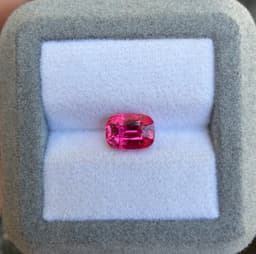
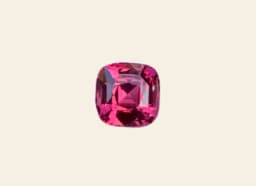
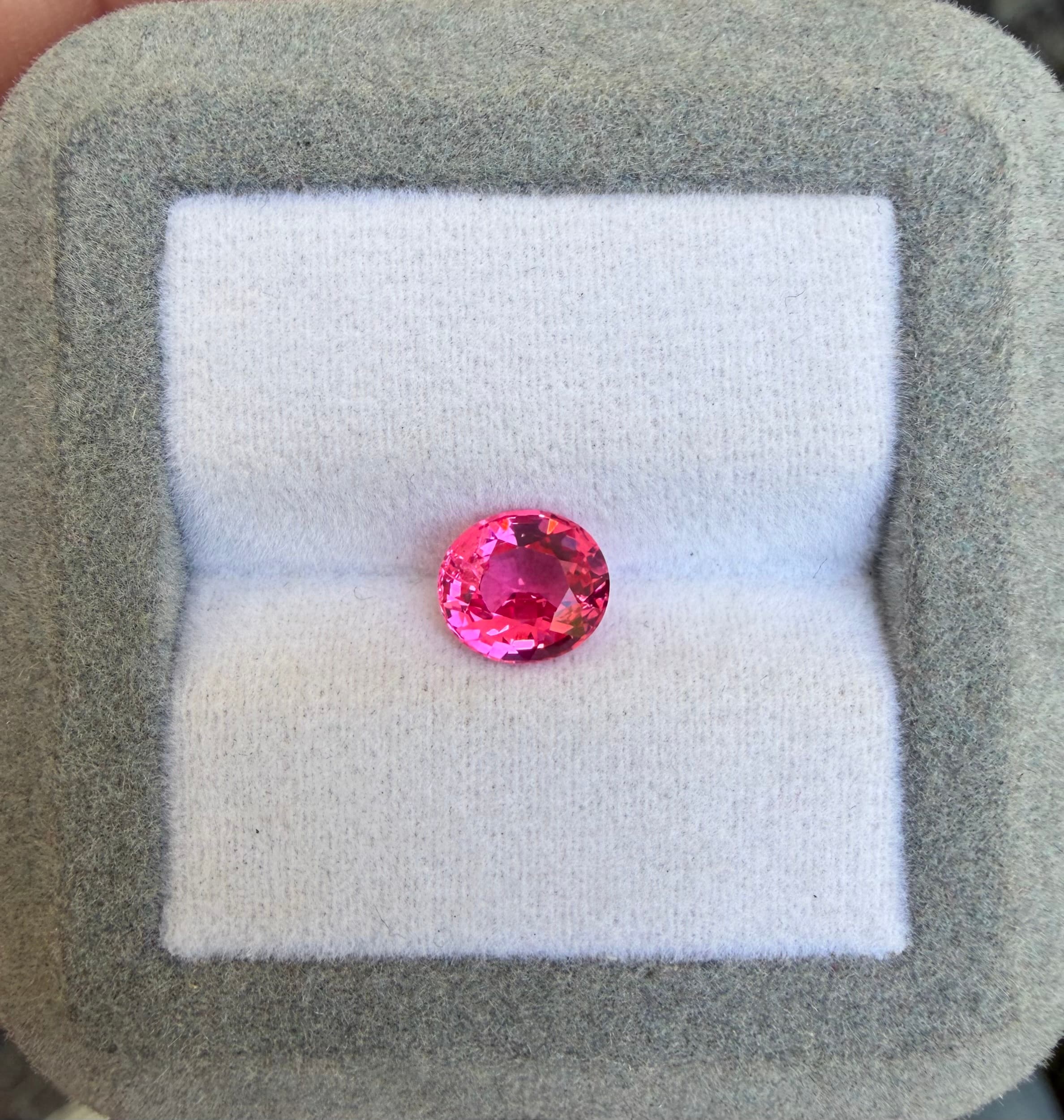
Mahenge spinel refers to the fluorescent pink spinels discovered at the eponymous deposit in Tanzania. The landmark find dates to August 2007, when an exceptional 52 kg crystal was unearthed — a discovery that transformed the spinel market. Mahenge colour is defined by a unique neon-pink fluorescence, the result of a rare combination of chromium and the virtual absence of iron. Mahenge spinels fetch €3,000 to €15,000 per carat depending on quality.