Configure your ring
With Studio Bonnot, become the architect of your dream ring
Start creating
Bonnot Paris
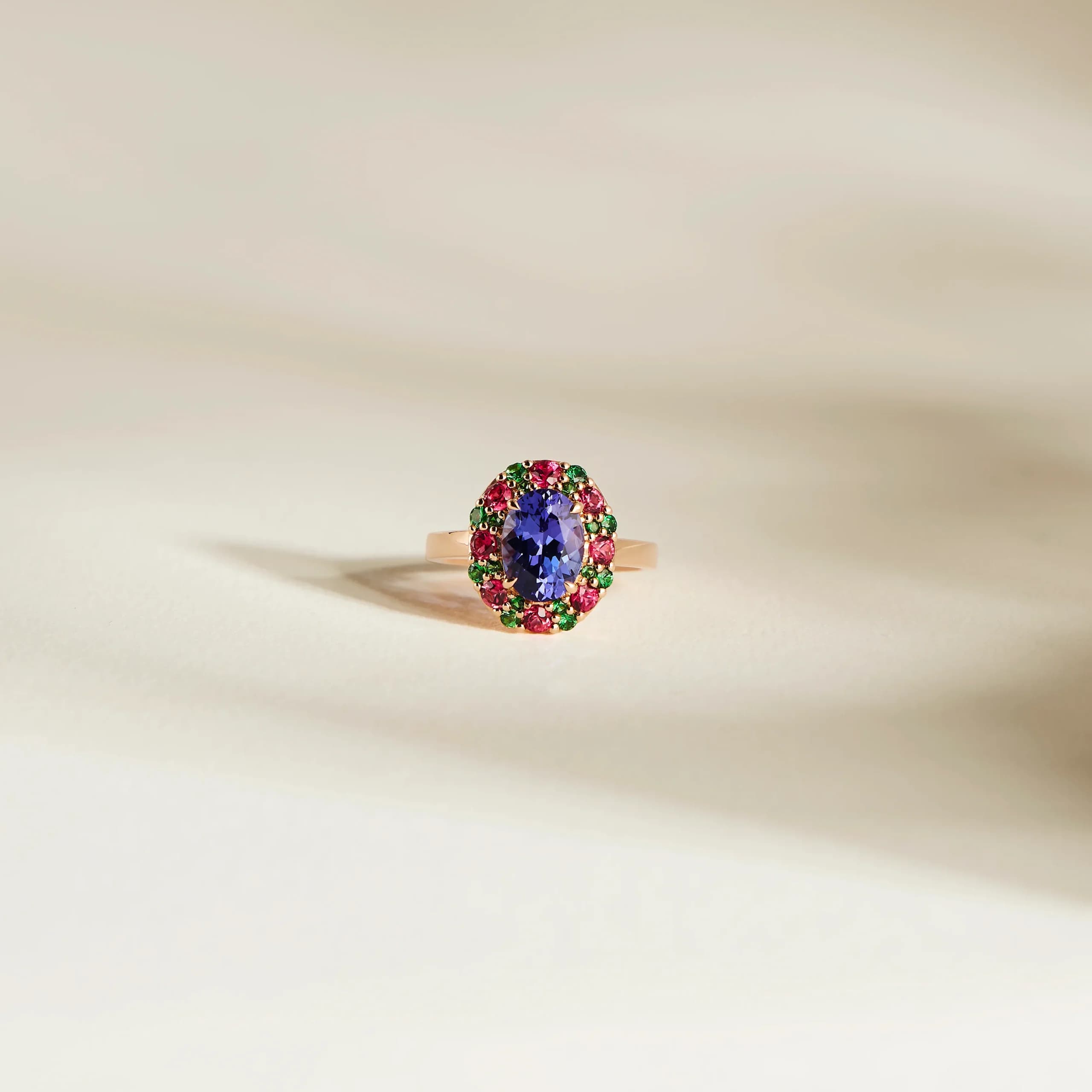
Tanzanite is one of the most singular precious stones in the world. Discovered in 1967 on the slopes of Kilimanjaro, it comes from a single deposit. The Merelani region of Tanzania remains the only source on earth. This…
TRAVEL DIARY
At the source of tanzanite and tsavorite garnets, in northern Tanzania.
Explore
5/5
Excellent
5/5

Sophie Vincent
7 months ago
J'ai contacté la bijouterie Bonnot car je souhaitais un saphir Padparadscha, qui est assez rare. Toute la transaction a été faite à distance et s'est très bien passée. Ils sont très professionnels, à l'écoute et très sympathiques. J'ai reçu ma bague et elle correspond tout à fait à ma demande. Merci beaucoup 😋
5/5

Célia Gastel
6 months ago
L'adresse parfaite ! Bastien a été très à l'écoute, très bonne communication et très réactif ! Et leurs pierres sont superbes
5/5

Pn Ph
6 months ago
Excellente expérience avec Bastien pour la conception de notre bague de fiançailles sur mesure. Il a été disponible, les échanges ont été fluides et efficaces. La conception de la bague a été rapide, elle est magnifique et correspond exactement à ce que nous voulions. Nous recommandons fortement Bonnot pour son expertise, mais aussi son sens de l'écoute.
5/5

JFL lancelier
6 months ago
Très professionnels.un service impeccable une belle offre de bijoux de très grande qualité
5/5

Alan Cormand
6 months ago
J’ai récemment commencé une collection de pierres précieuses et je suis vraiment impressionné par la qualité. Les pierres sont magnifiques, bien taillées et correspondent parfaitement à la description. En plus, la livraison a été très rapide. Je recommande sans hésitation !
5/5

Alex
6 months ago
Une très belle maison qui allie savoir-faire et excellence du service. L’expérience client est fluide, rapide et d’une grande transparence. Merci à Bonnot Joaillerie pour cet accompagnement de qualité.
5/5

Christine Petit
6 months ago
Bastien est à la fois très sympathique et très professionnel. J'ai été très bien reçue, le contact et la communication sont faciles. J'ai fait transformer une marguerite en bague plus moderne et je suis ravie du résultat.
5/5

marielle frances
6 months ago
Une très belle rencontre autour d'une belle Pierre, merci à Bastien et François pour leur accueil! A très bientôt pour l'achat de nouvelles pierres!
5/5

Yac ine
5 months ago
Professionnels, réactifs et sympathiques, je recommande.

Exceptional precious stones at fair and transparent prices

Our unique gemstones reflect the purity and elegance of nature

Exclusively by renowned independent laboratories
Exceptional sourcing
At Bonnot Paris, every stone is selected for its rarity, clarity and ethical provenance, ensuring full traceability, exceptional quality and fair pricing.
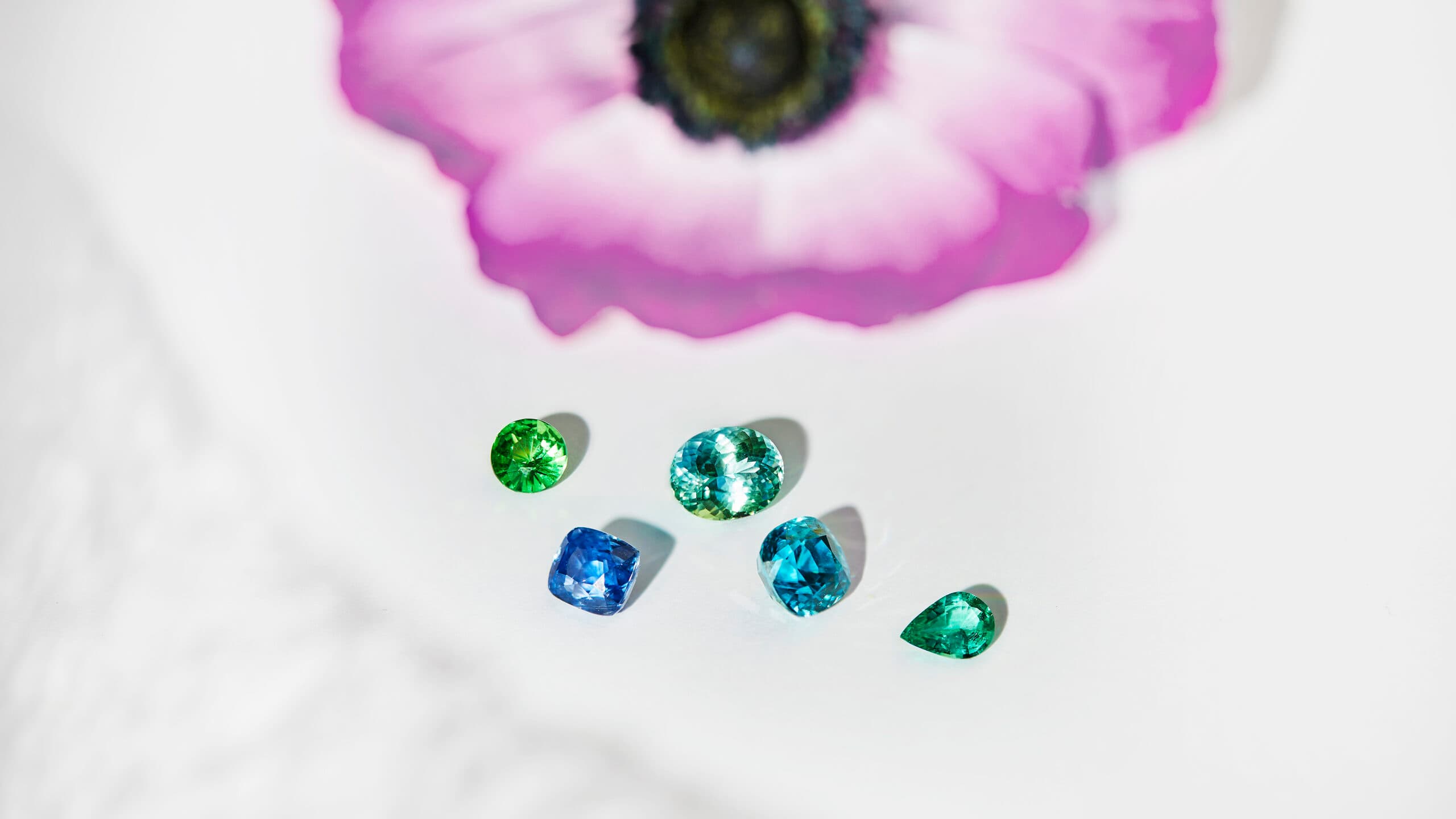
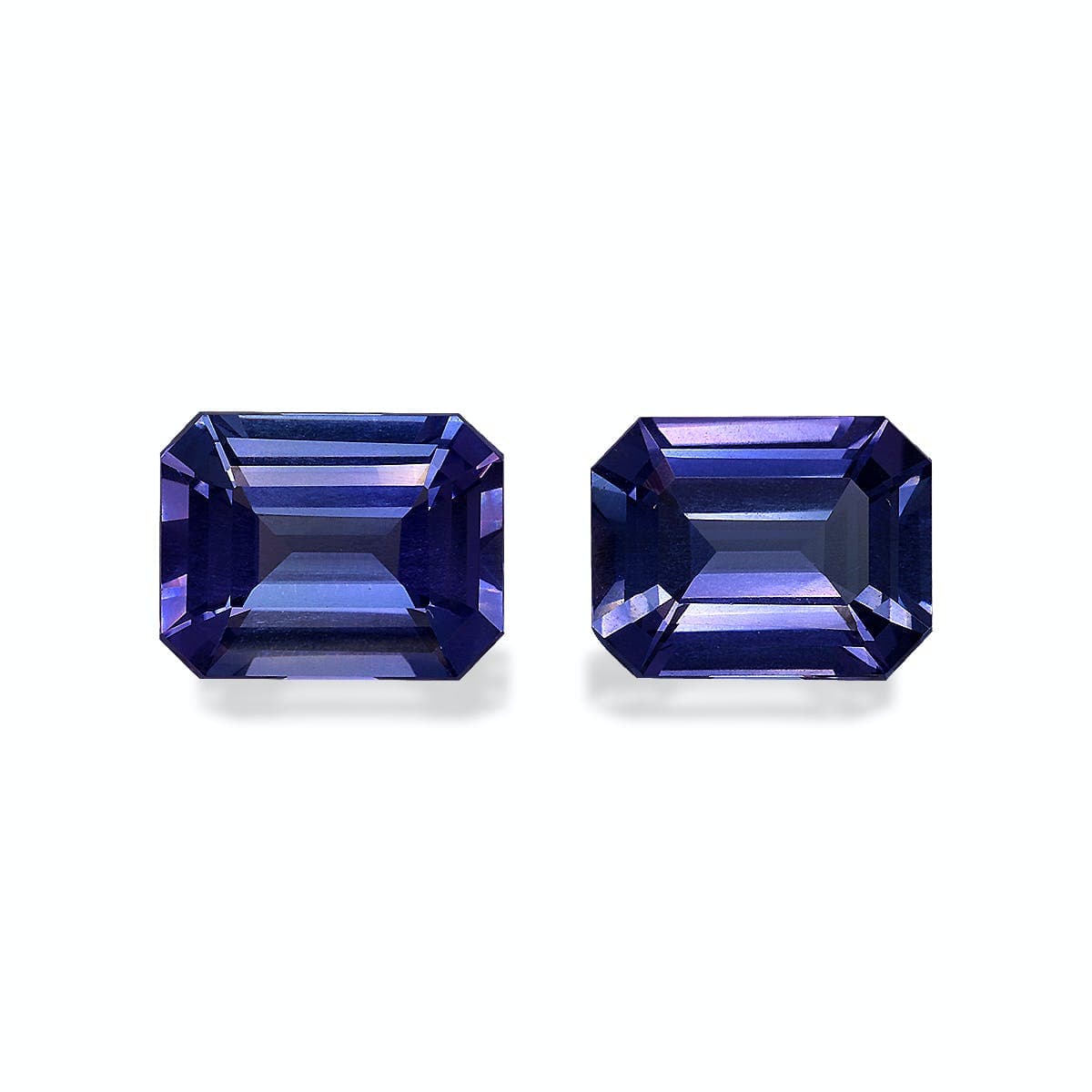
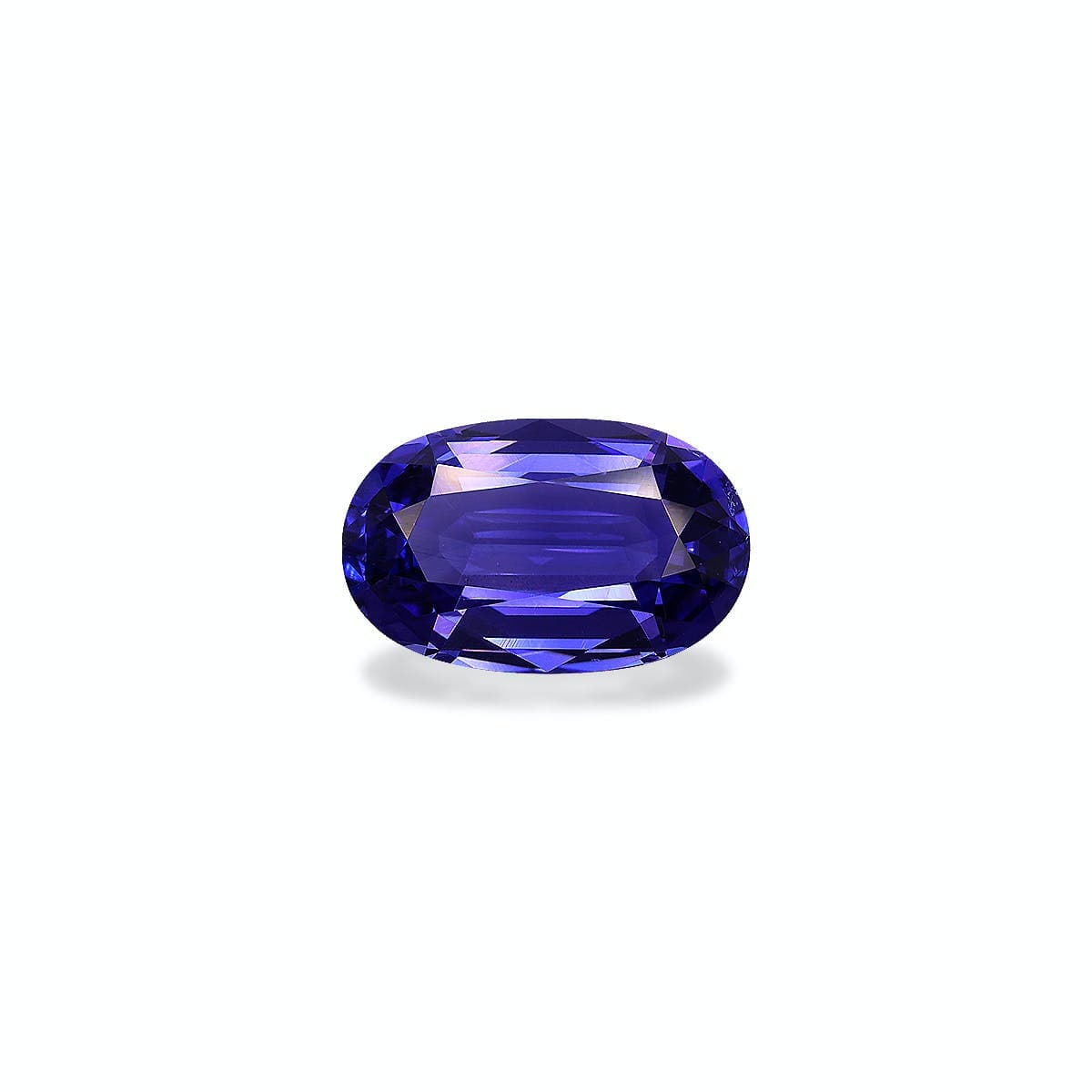
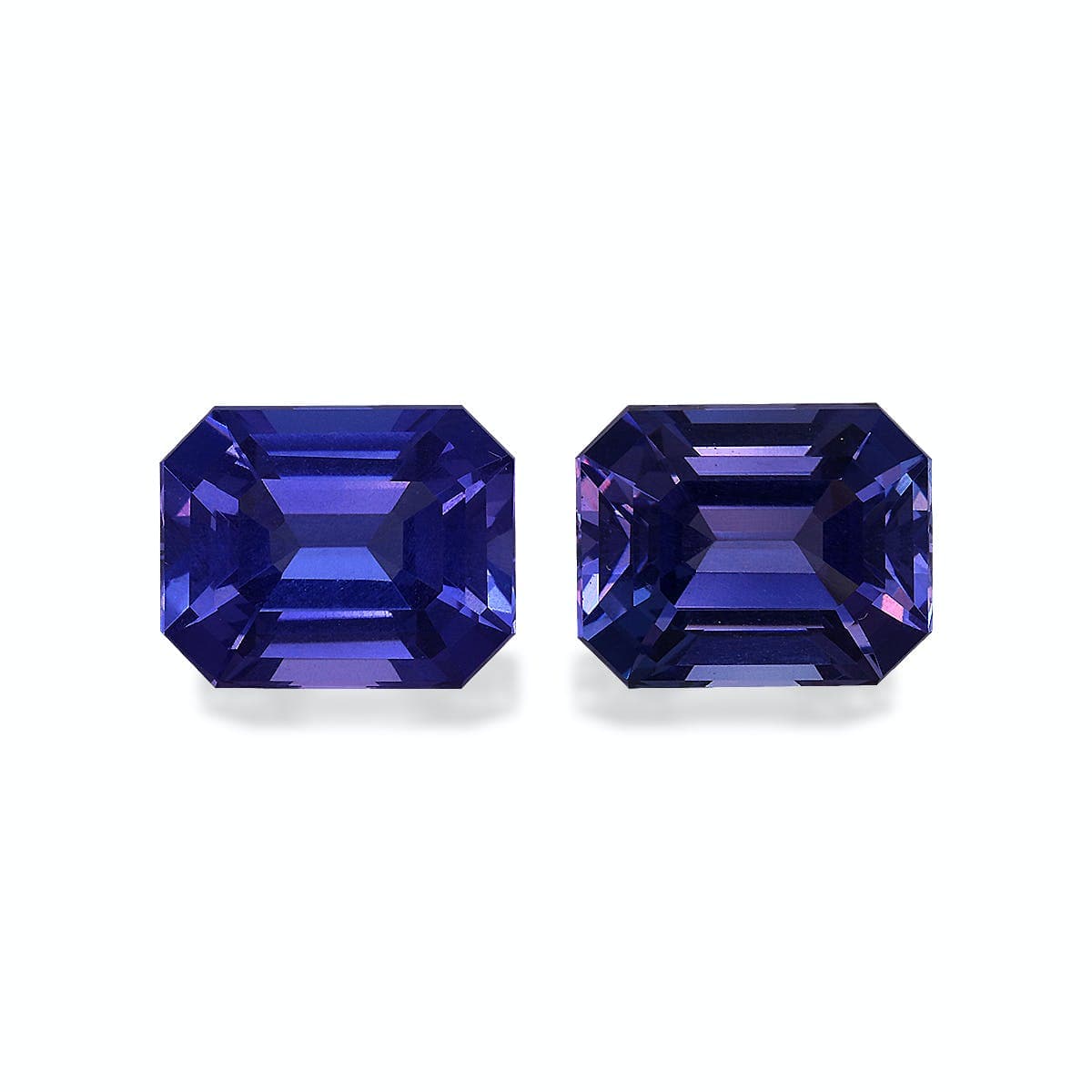
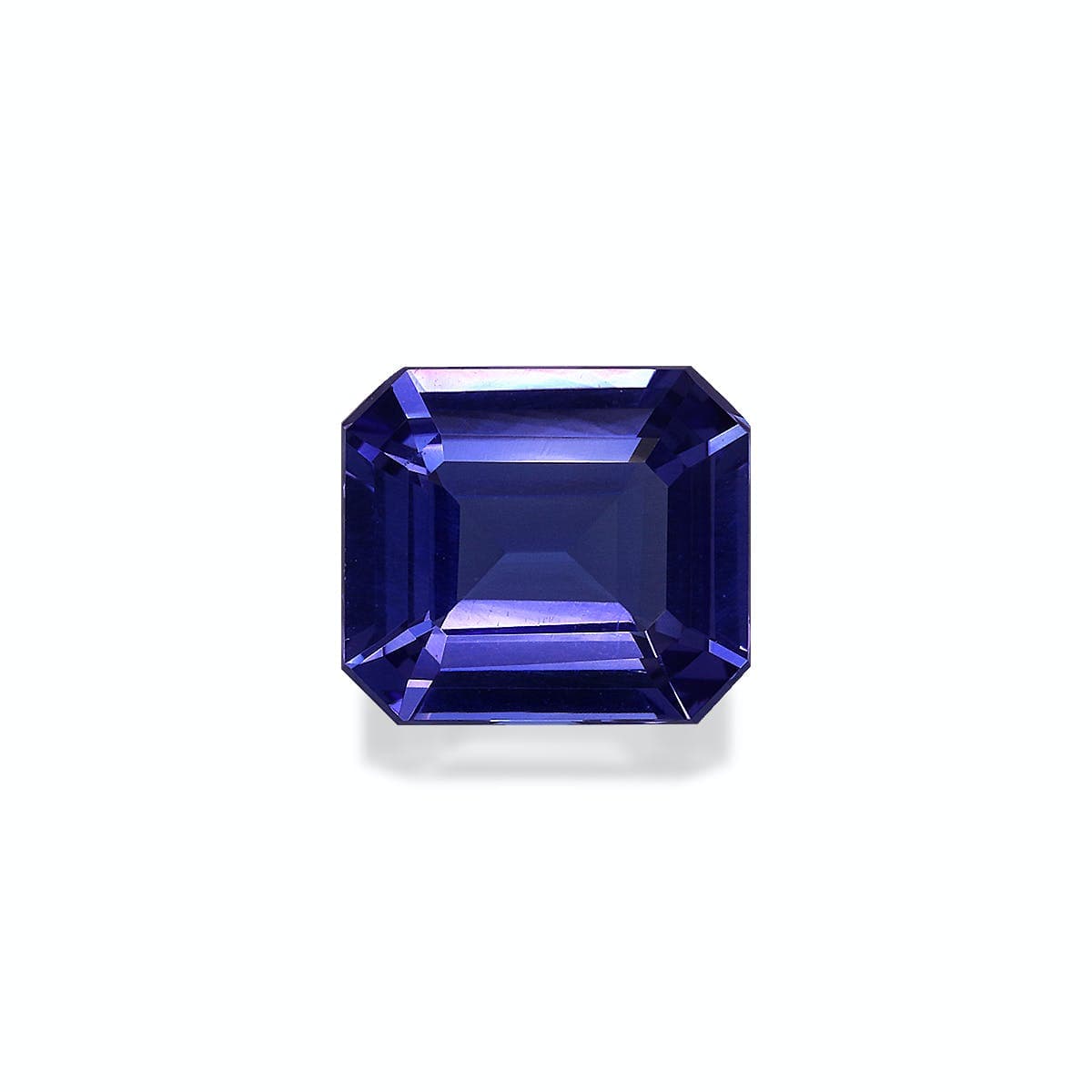
Tanzanite is a precious stone belonging to the zoisite mineral family. Its colour ranges from deep blue to intense violet. It displays a remarkable optical property: three distinct hues become visible depending on the angle of observation. Manuel d'Souza, a Portuguese prospector, discovered the first tanzanite in 1967. Tiffany & Co gave it its commercial name.
Tanzanite comes from a single deposit in the entire world. This zone is located in the Merelani region, in north-eastern Tanzania. The slopes of Kilimanjaro are home to this exceptional geological source. No other tanzanite deposit has ever been discovered. This geological uniqueness makes it one of the rarest stones on earth.
The price of a tanzanite varies according to colour saturation and carat weight. Expect €300 to €800 per carat for a good-quality tanzanite of around 1 carat. For 2–3 carats of equivalent quality, prices range from €800 to €2,000 per carat. Exceptional tanzanites with deep, saturated blue-violet colour can reach €3,000 to €5,000 per carat. The ideal colour combines rich blue with vivid violet overtones.
Tanzanite comes from a single deposit in the world, in Merelani, Tanzania. This zone spans just 7 km². Geological reserves have been diminishing steadily since the 1990s. Experts estimate that only 20 to 30 years of mining remain. At this rate, tanzanite could become virtually impossible to find by 2055. This foreseeable scarcity is fuelling growing interest among collectors and investors alike.
Yes, the vast majority of tanzanites on the market undergo low-temperature heating (around 500°C). In its rough state, the stone displays an unattractive brownish-yellow colour. Heating reveals the characteristic blue-violet for which tanzanite is prized. This treatment is universally accepted and stable over time. Naturally blue tanzanites that have not been heated remain extremely rare and command a significant premium.
Tanzanite can work beautifully in an engagement ring, with a few considerations in mind. Its hardness of 6.5 to 7 on the Mohs scale makes it more delicate than sapphires or rubies. A protective setting is recommended to minimise the risk of chipping. The stone is better suited to rings worn on special occasions than to intensive daily wear. For an everyday ring, blue sapphire remains the stronger technical choice.
Tanzanite is associated with transformation, wisdom and intuition. Its blue-violet colour evokes meditative states and spirituality. In 2002, it became an official birthstone for the month of December. This designation by the American Gem Trade Association gave it a recognised symbolic standing. Tanzanite is also traditionally offered to mark a new beginning or a moment of personal growth.
Tanzanite calls for a little extra care owing to its moderate hardness. Avoid knocks, extreme temperatures and harsh chemical products. Clean the stone with lukewarm soapy water and a soft brush. Ultrasonic cleaners and steam baths should be strictly avoided. Remove your jewellery before sport, housework and swimming.