Configure your ring
With Studio Bonnot, become the architect of your dream ring
Start creating
Bonnot Paris
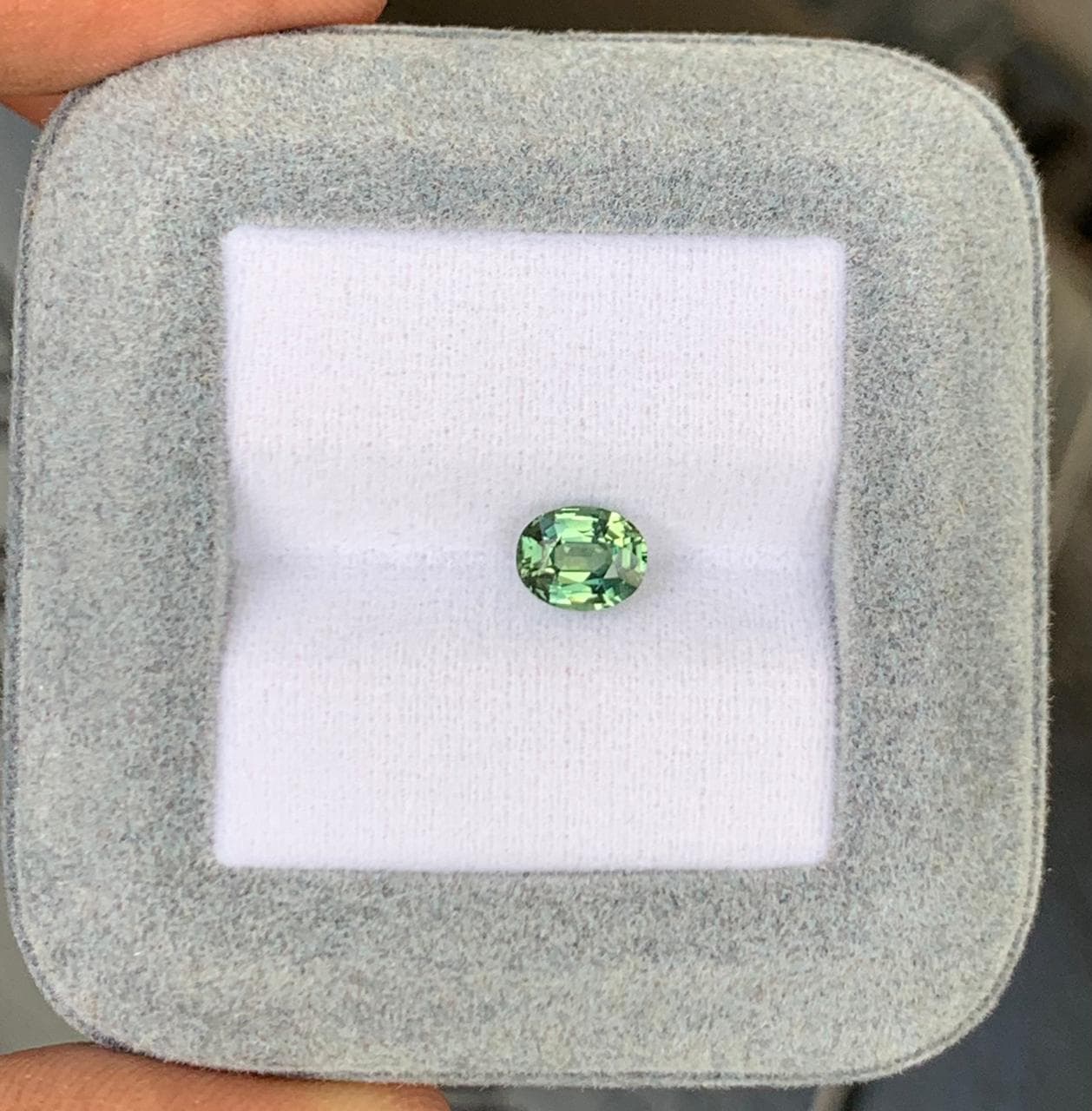
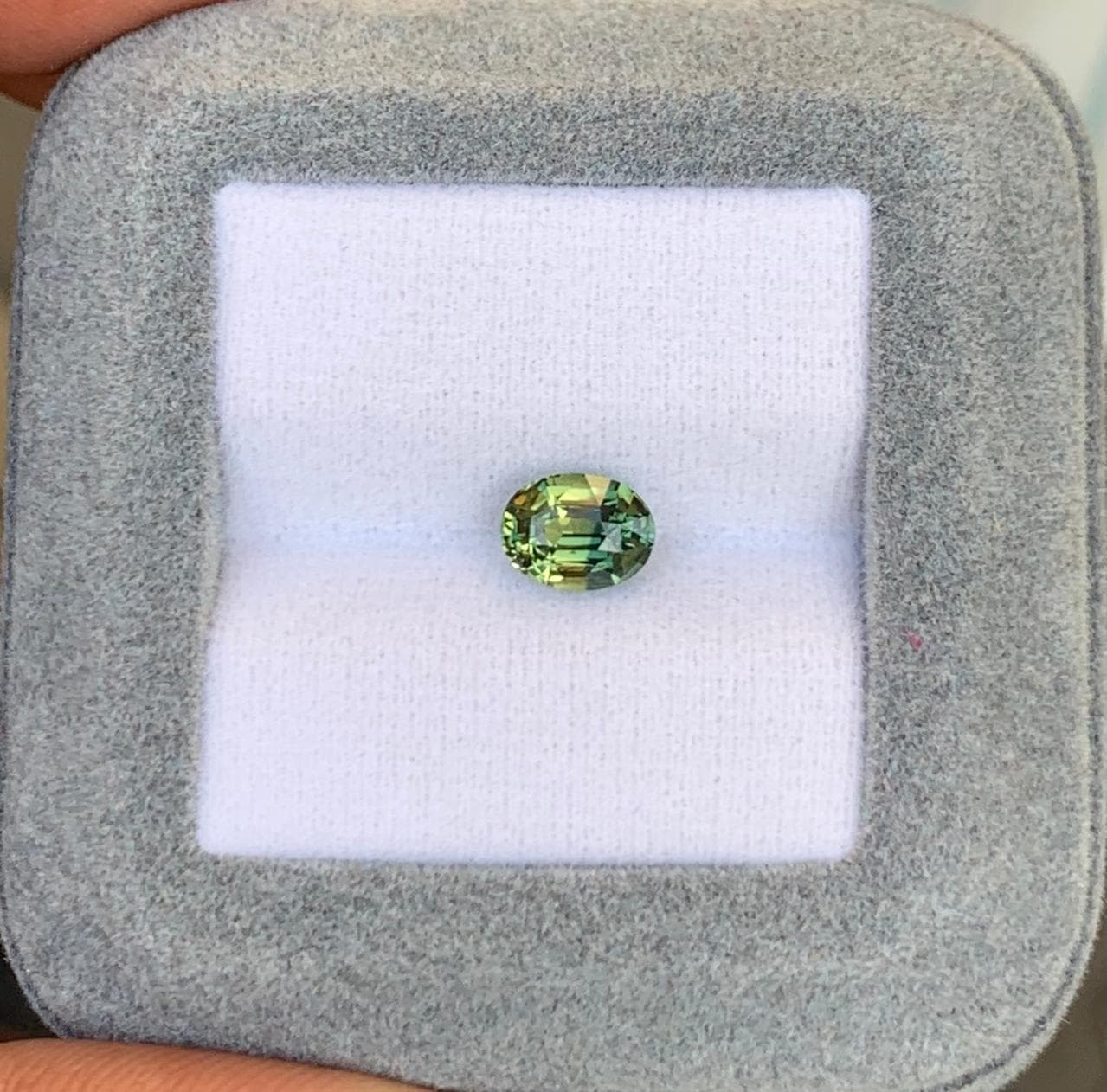
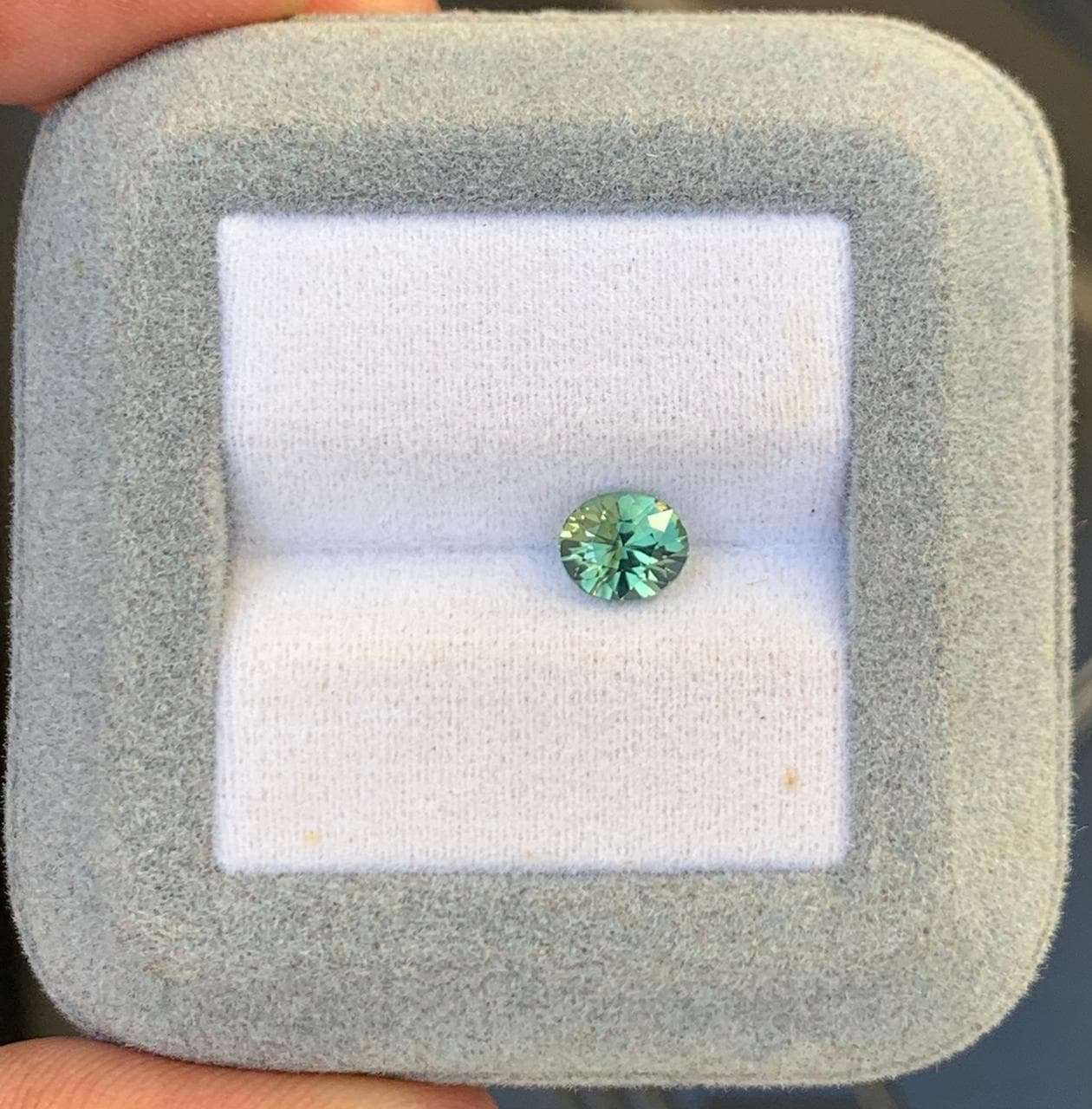
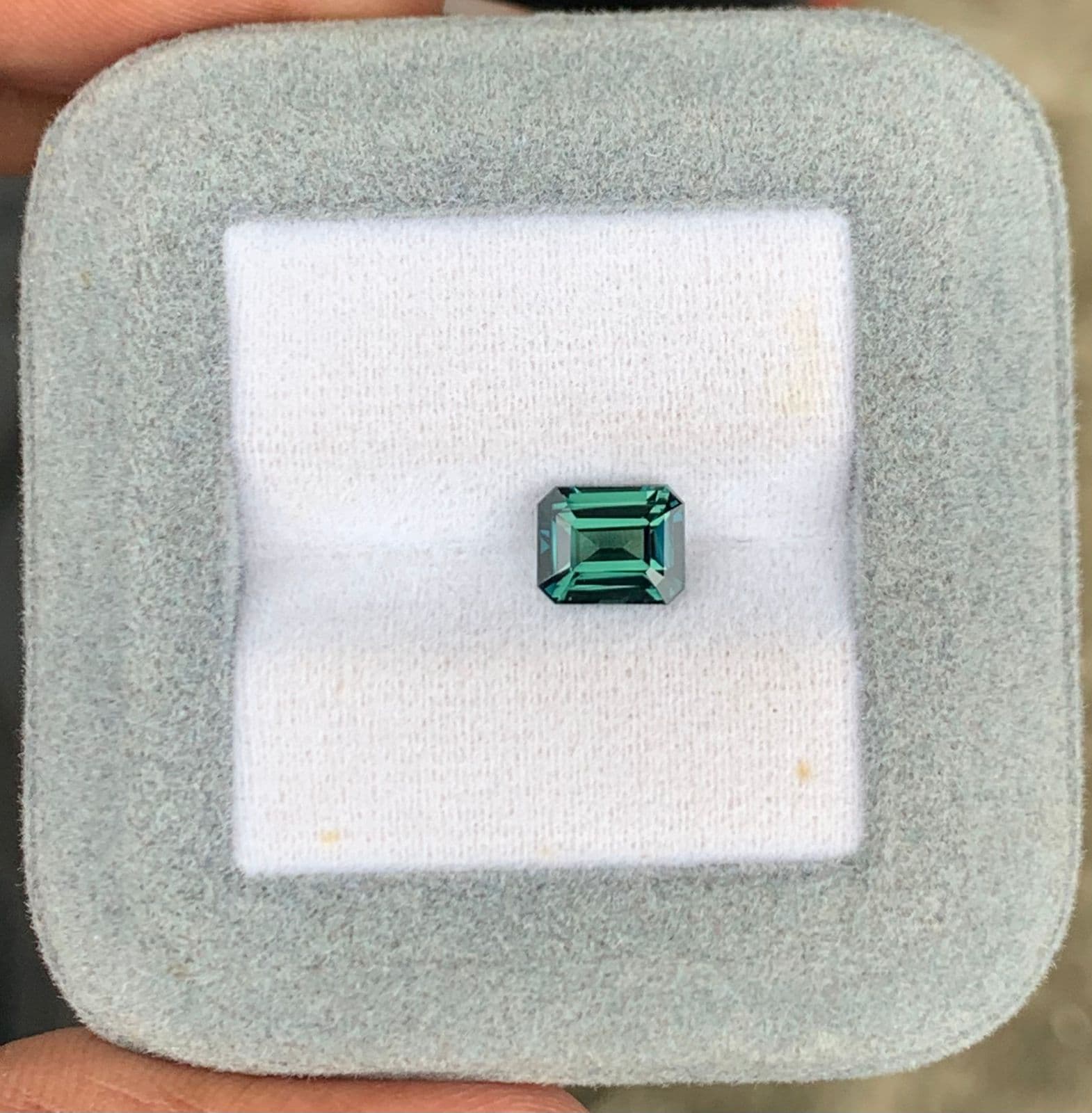
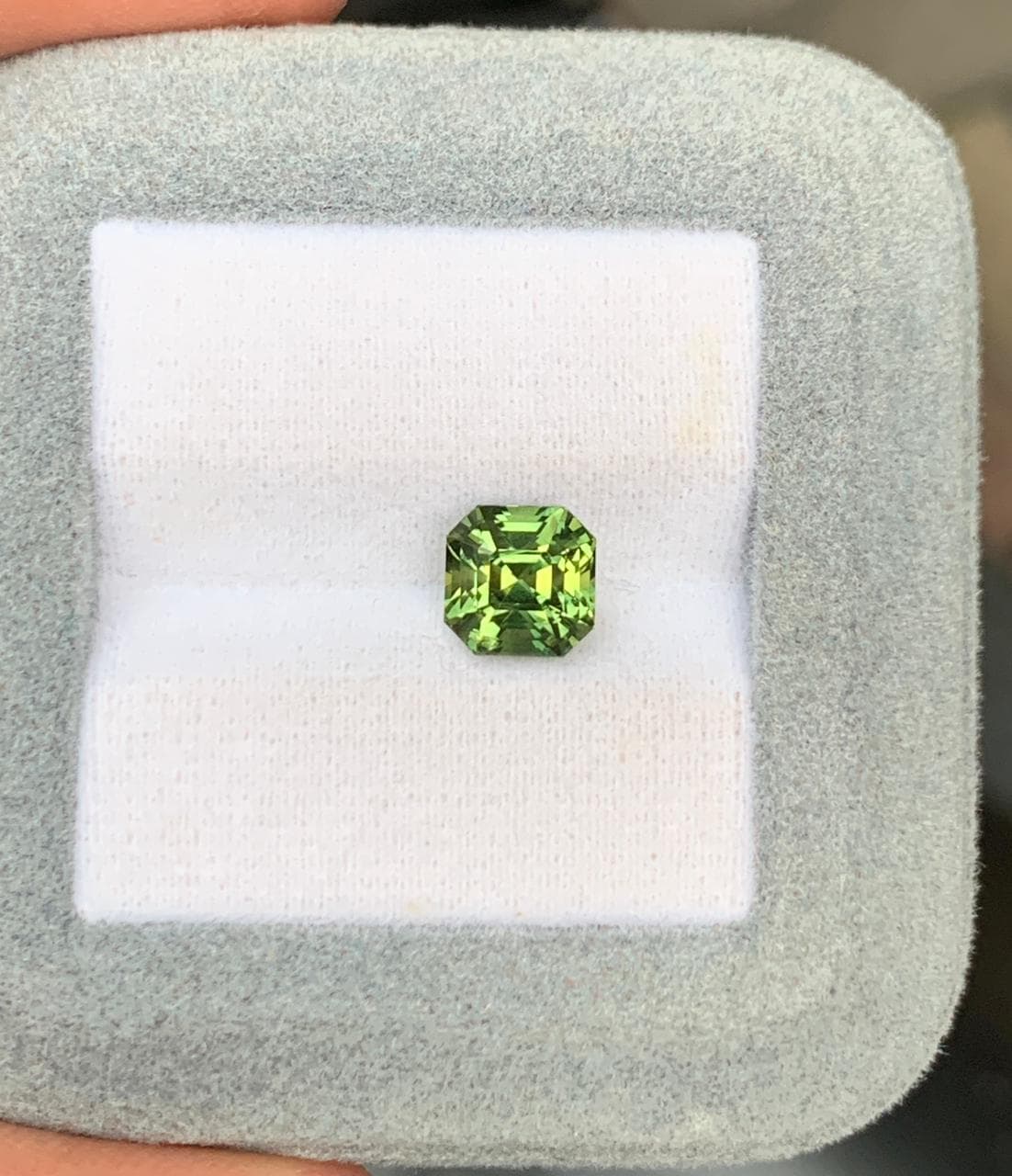
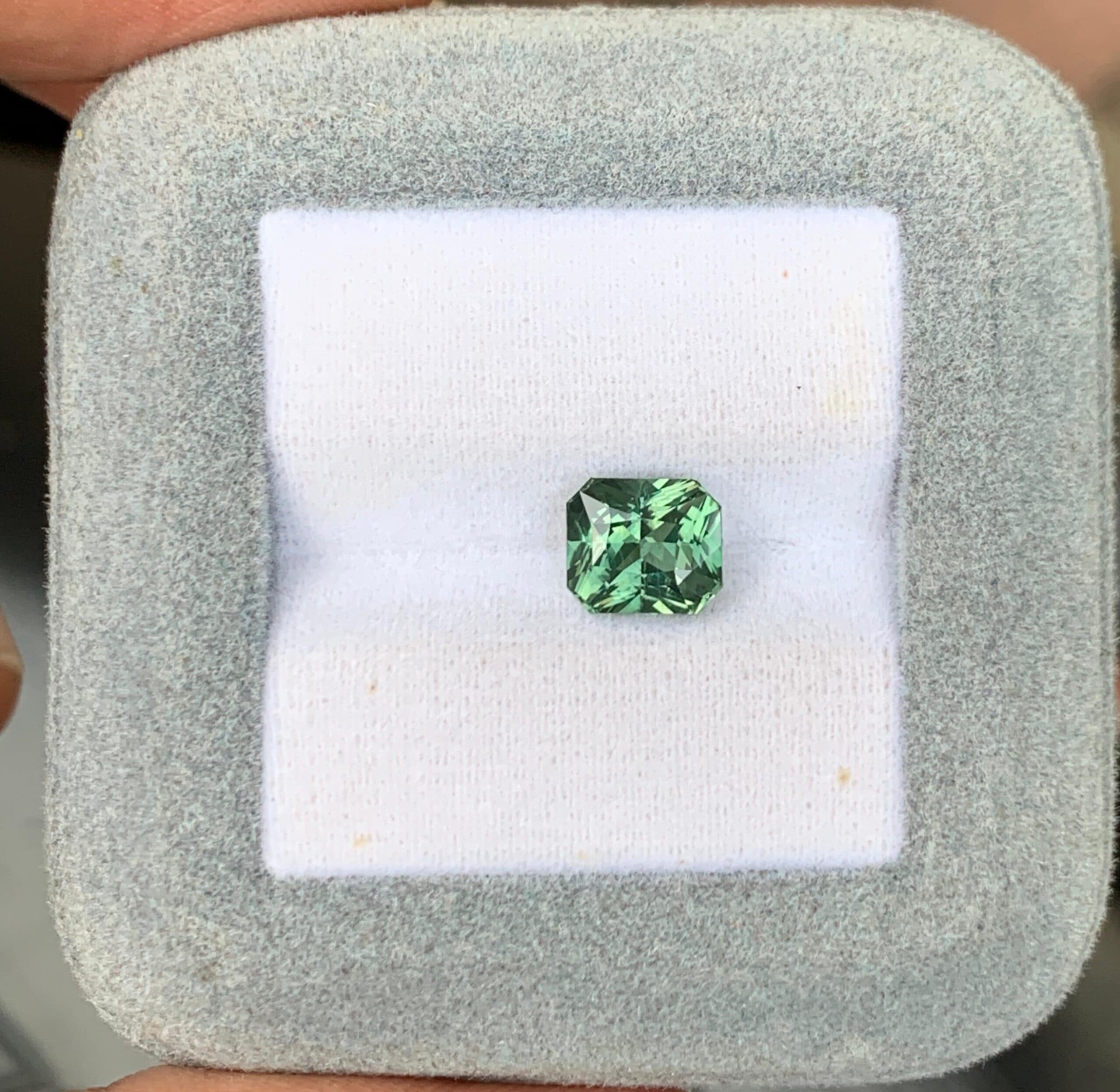
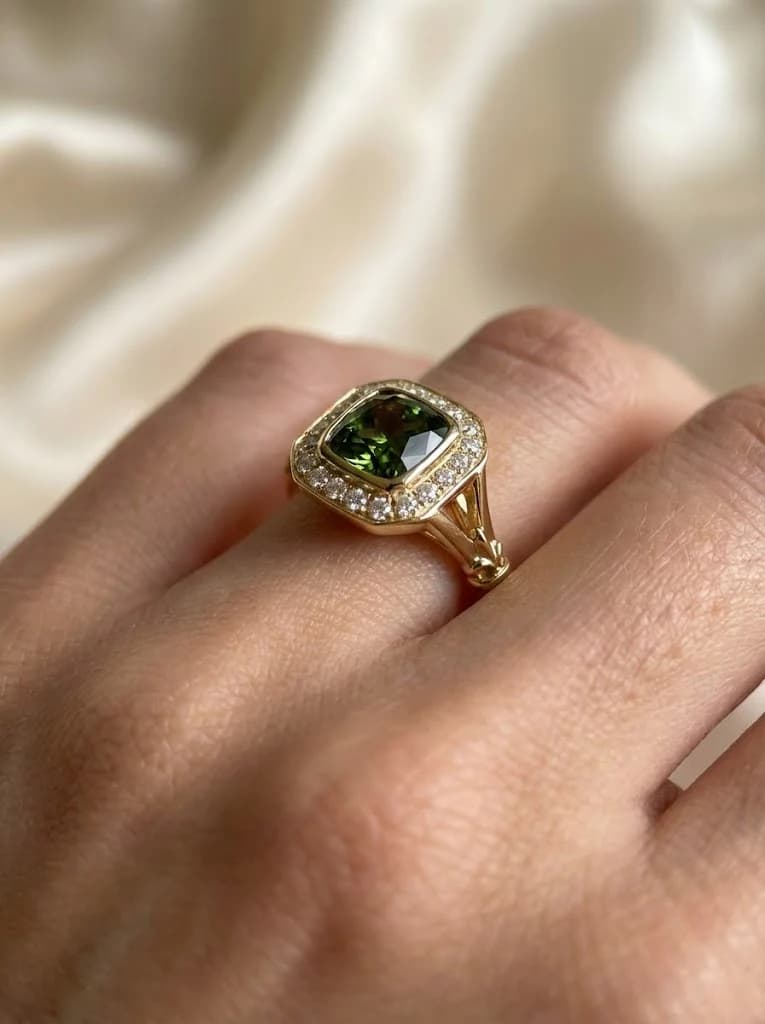
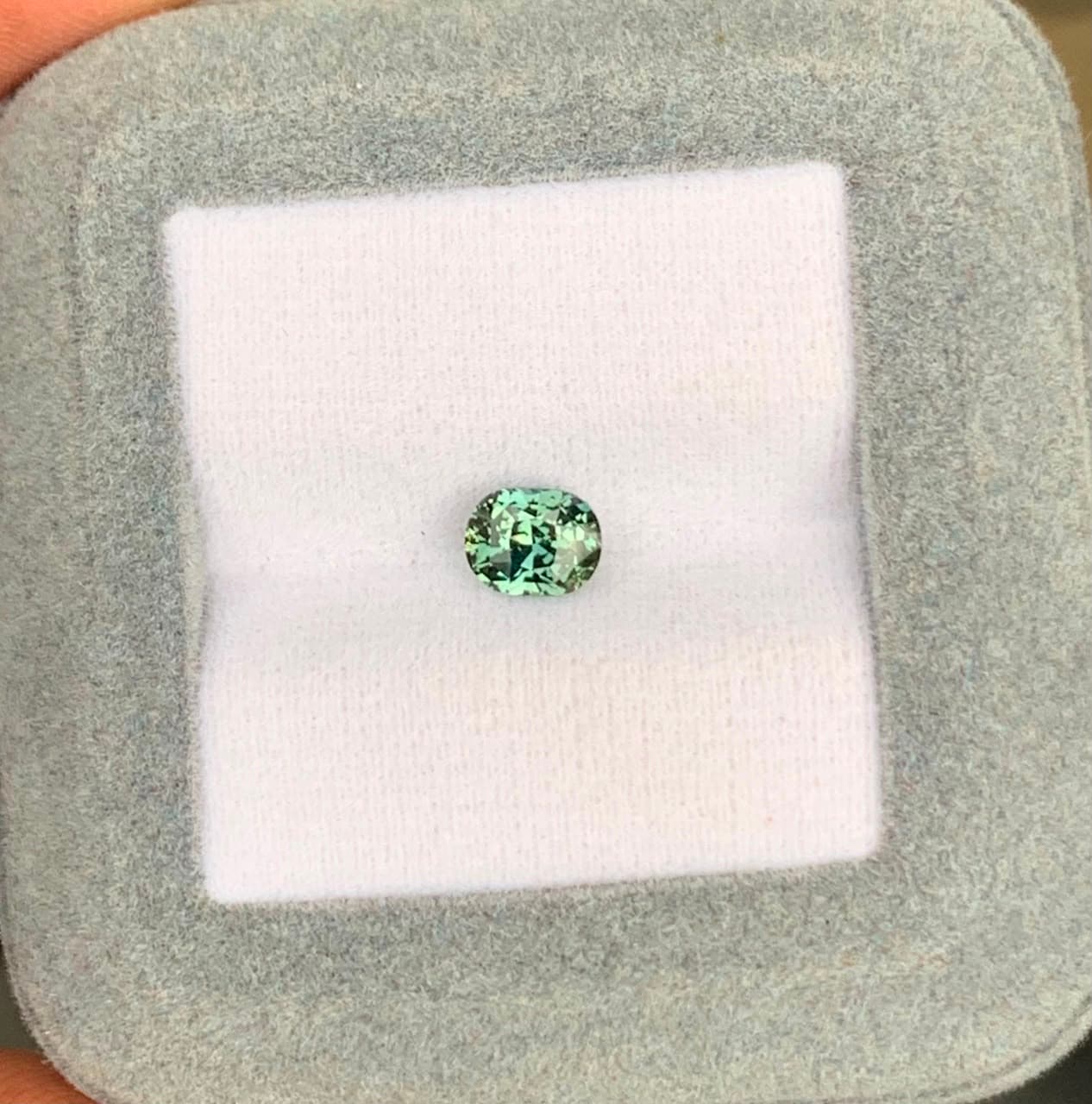
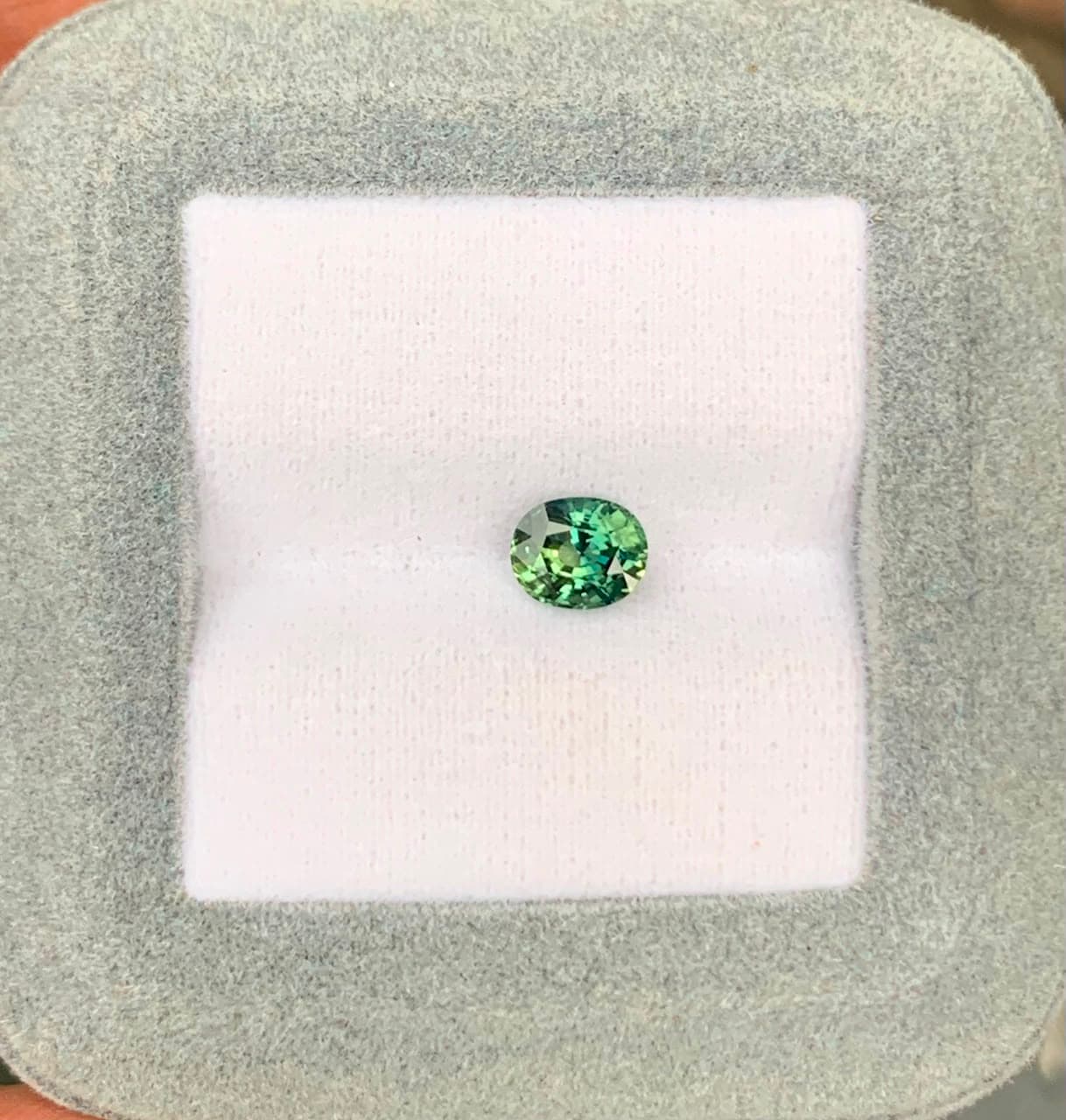
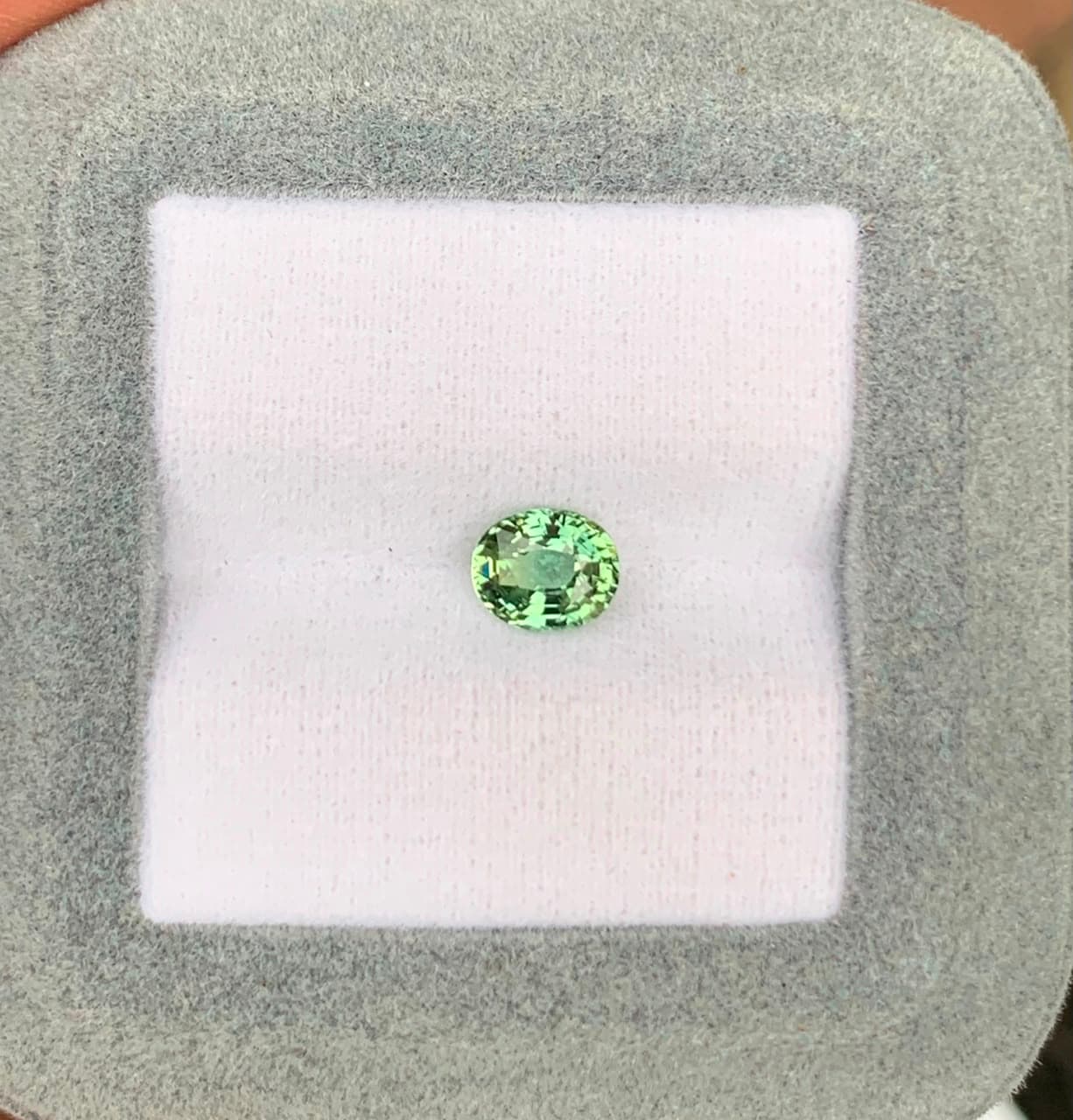
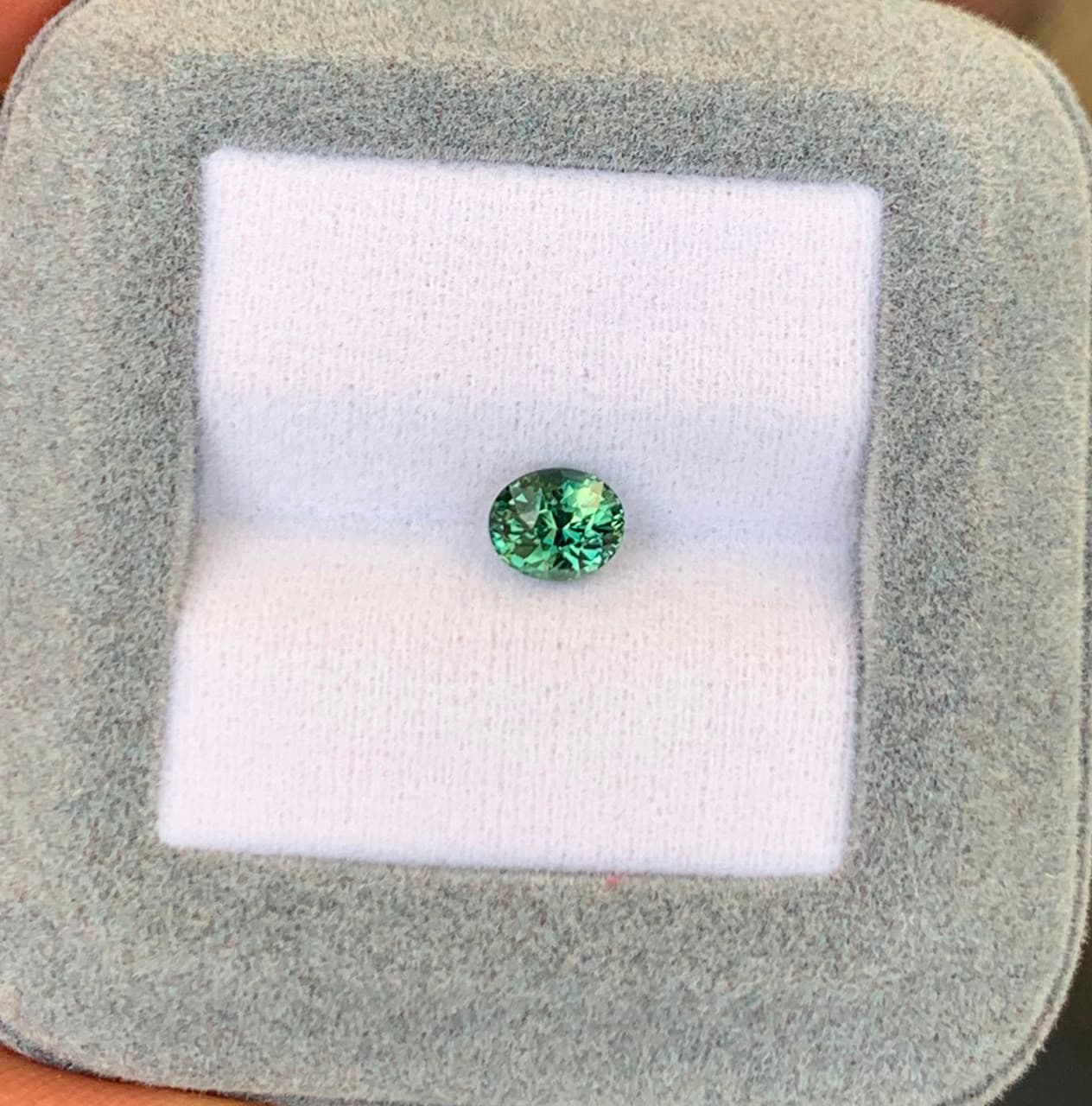
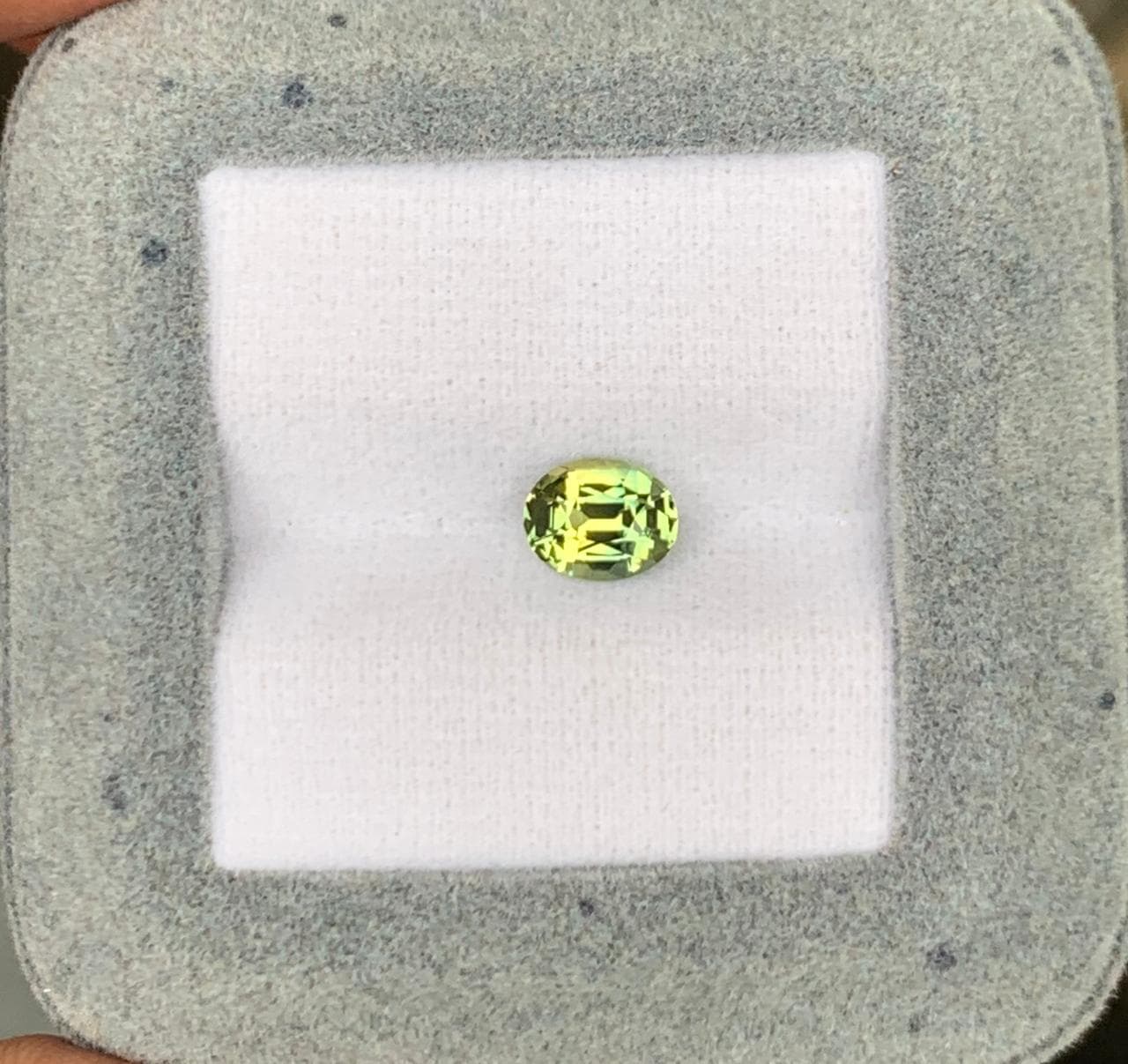
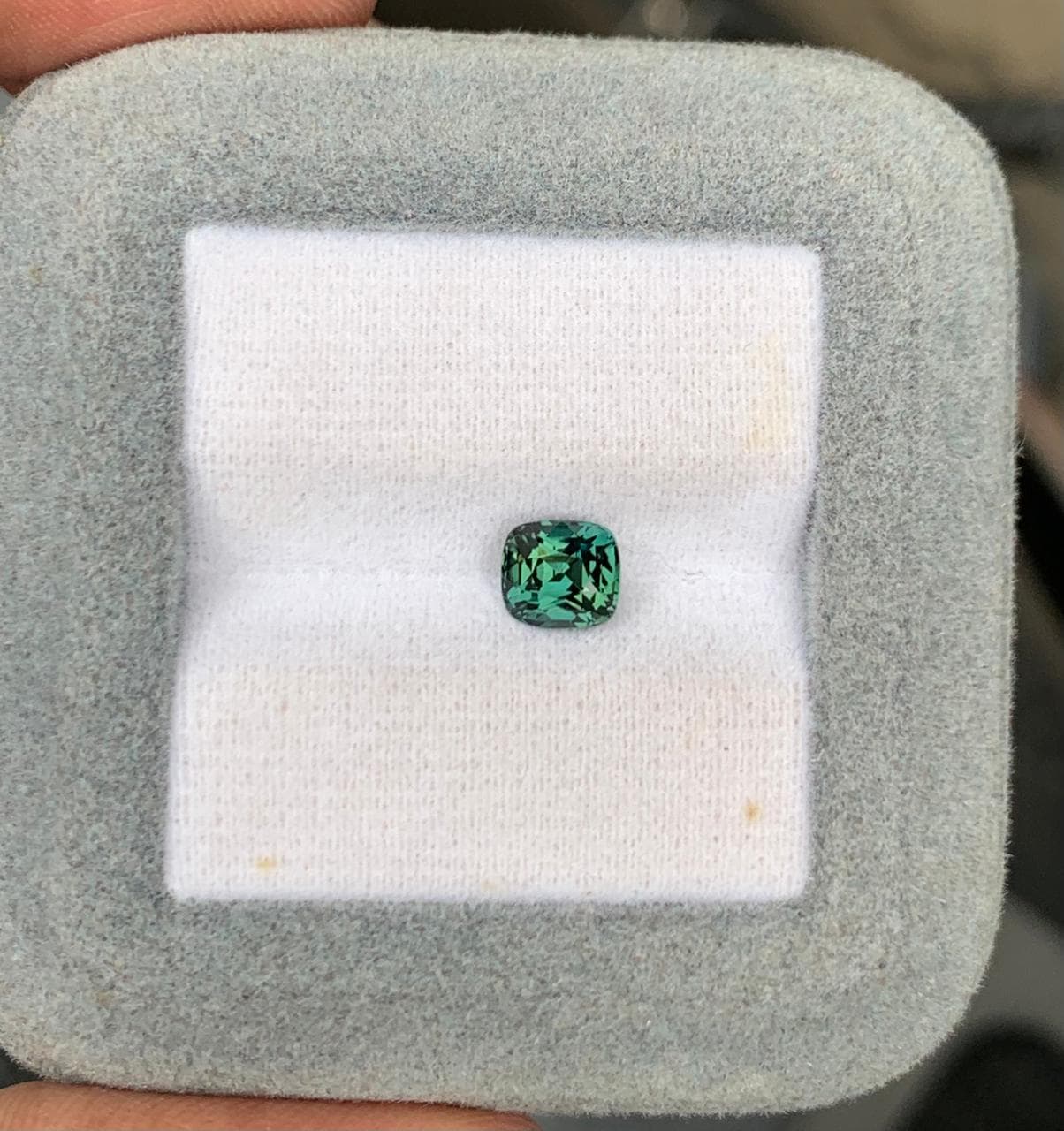
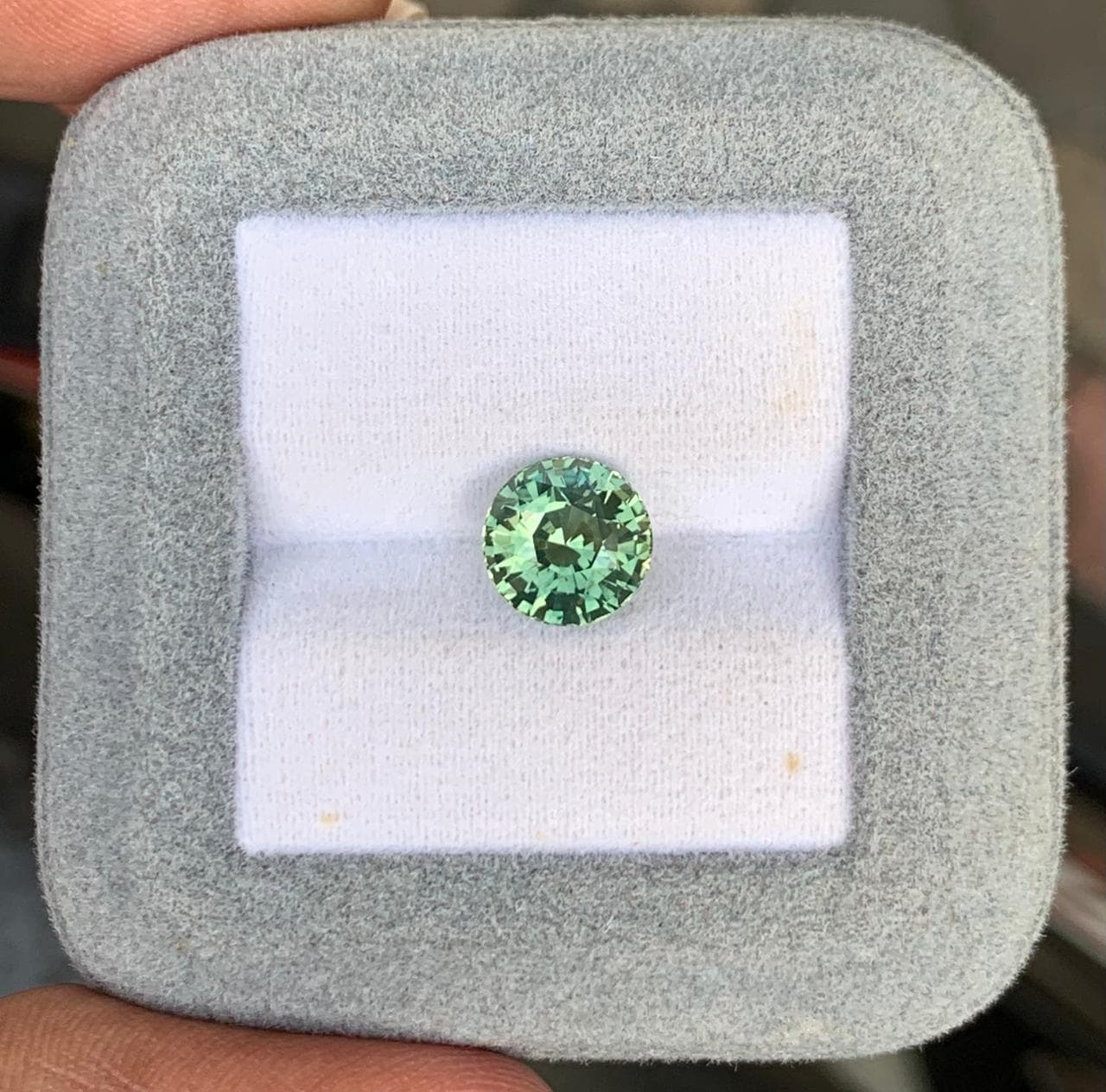
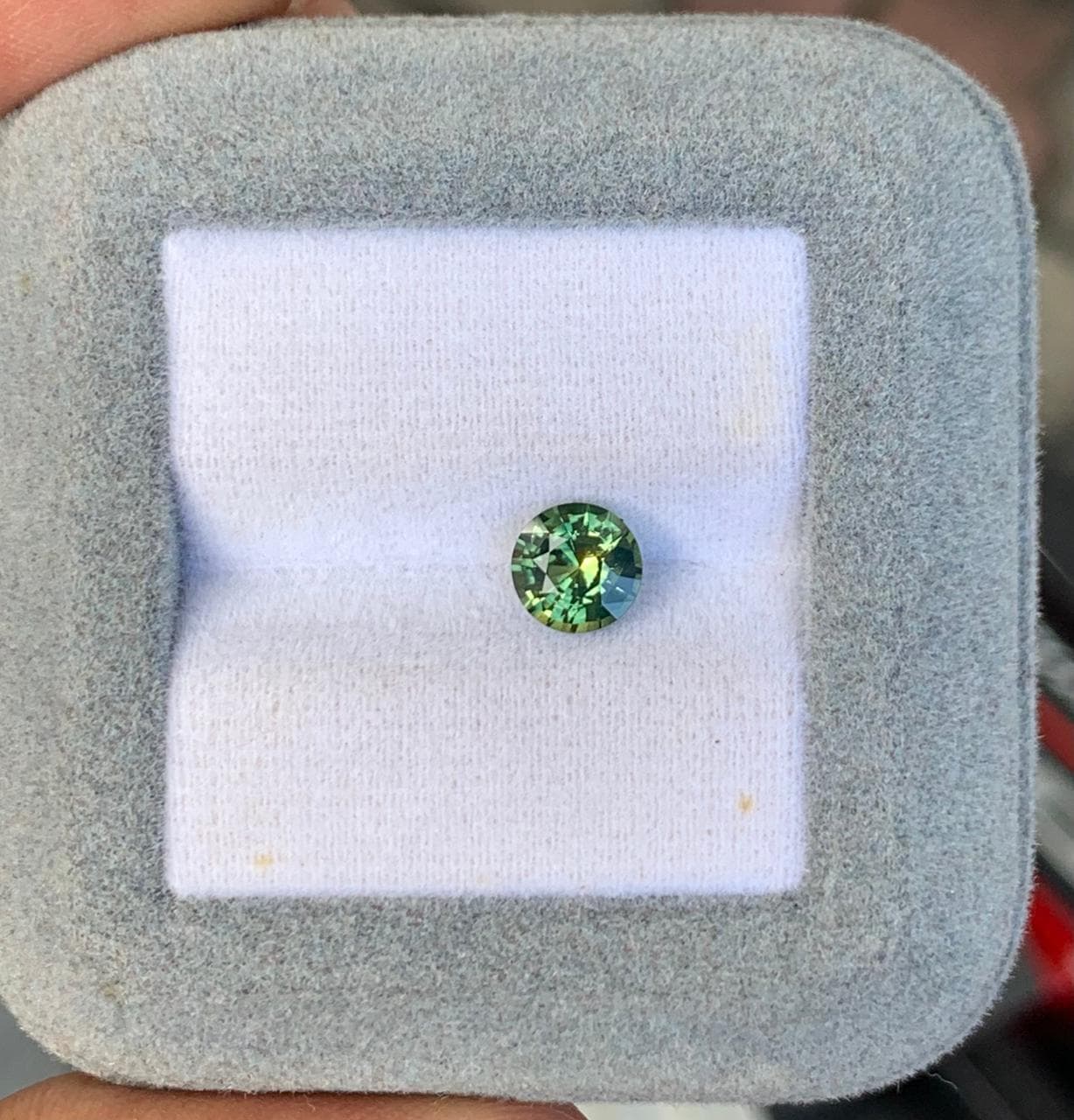
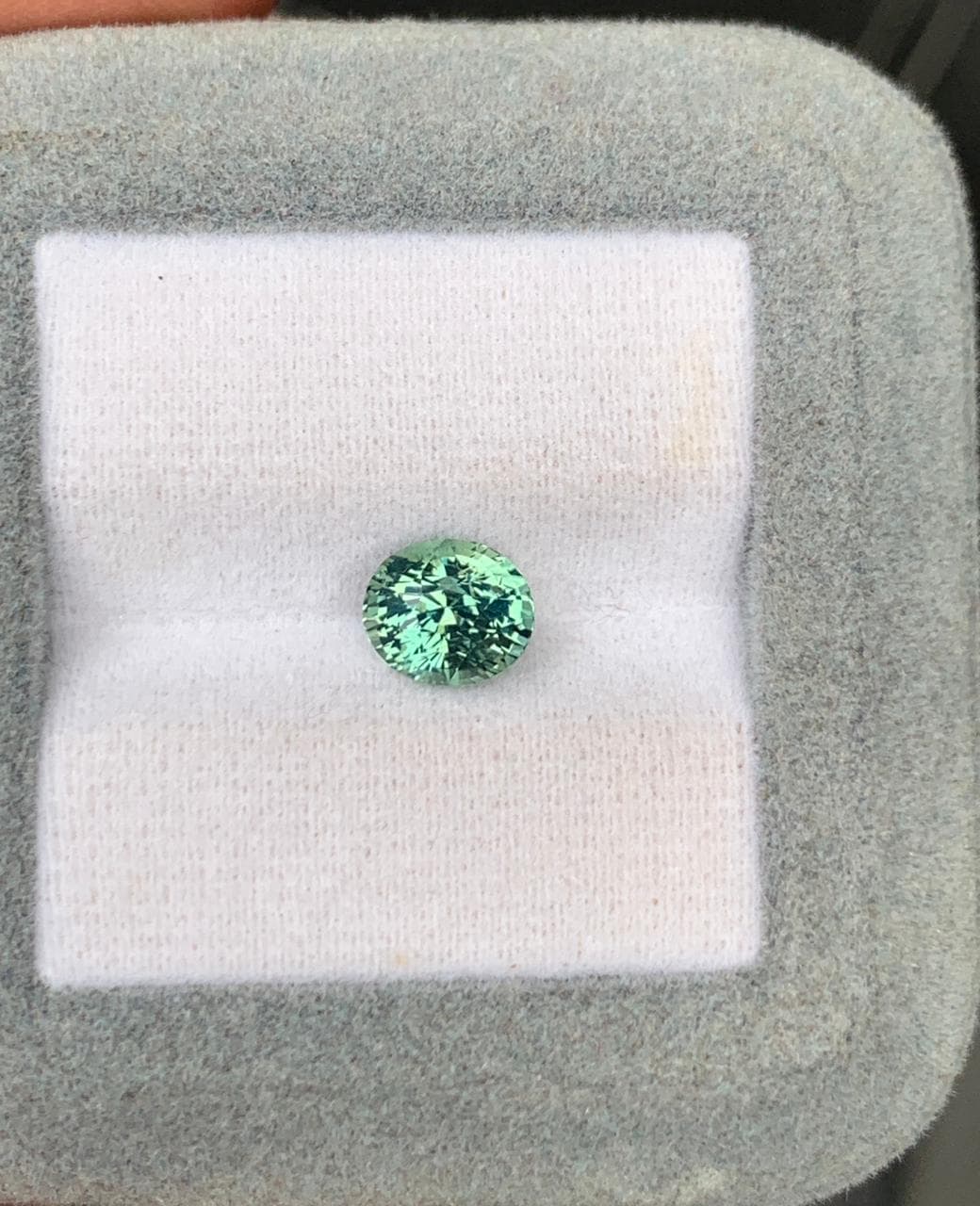
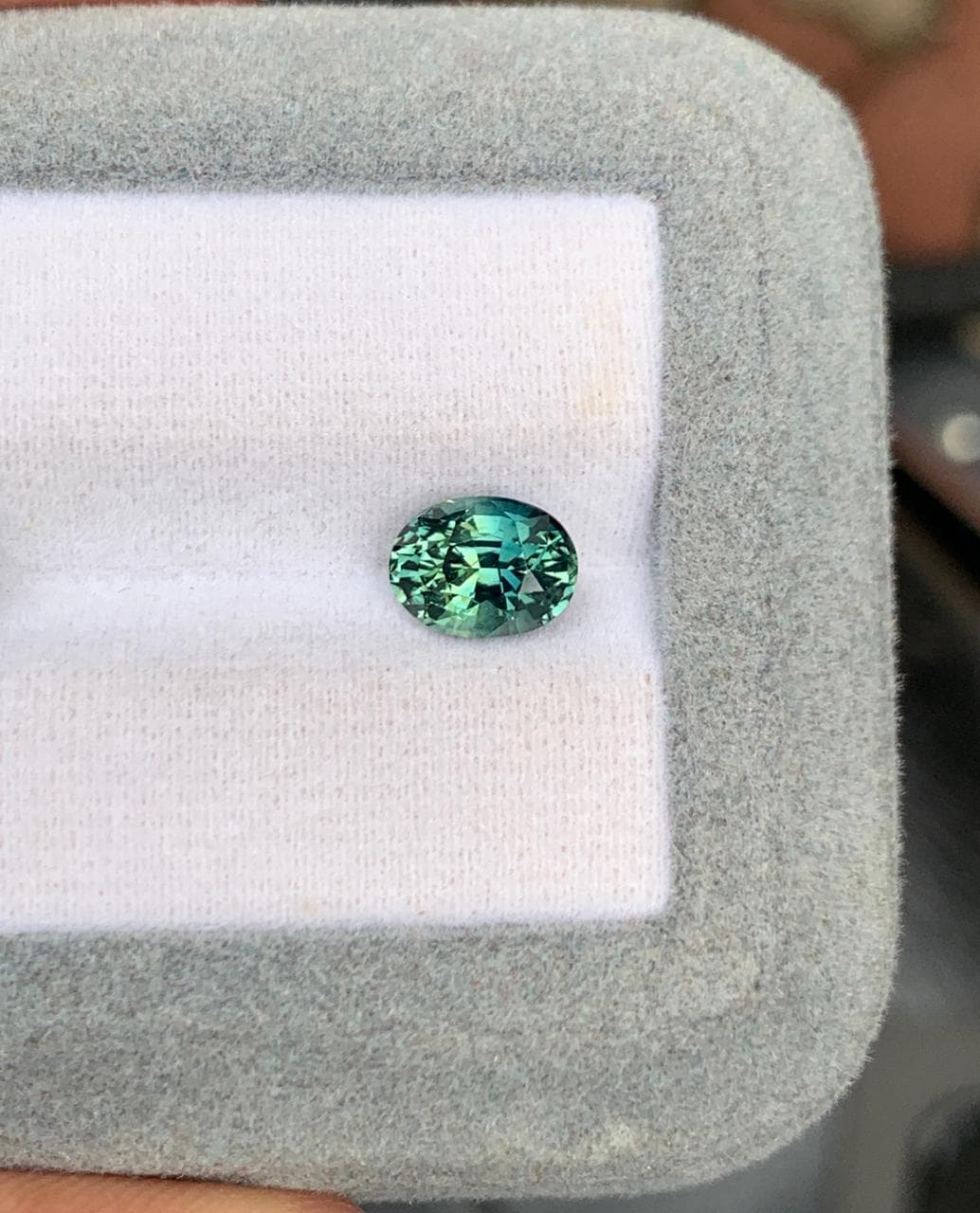
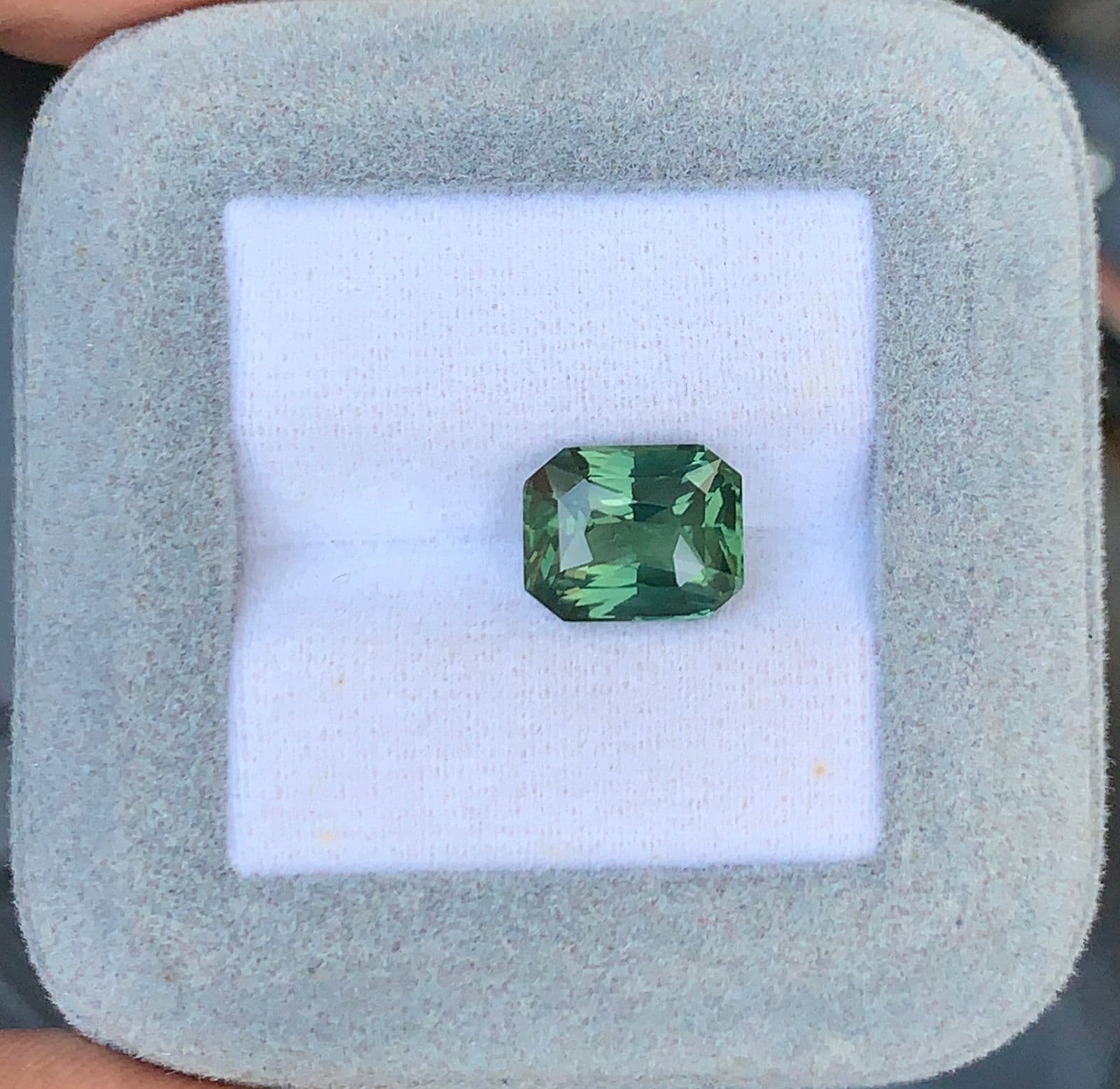
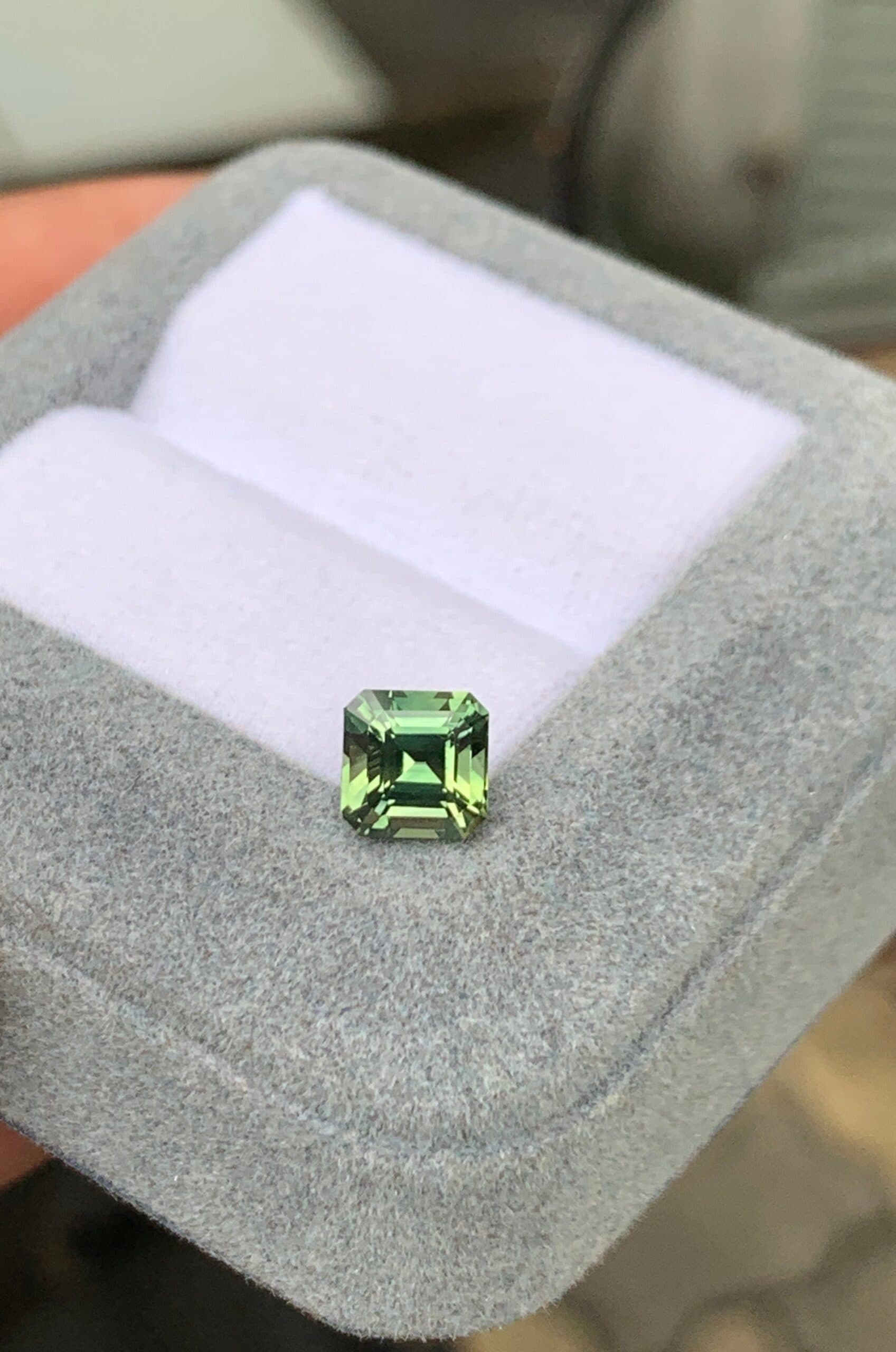
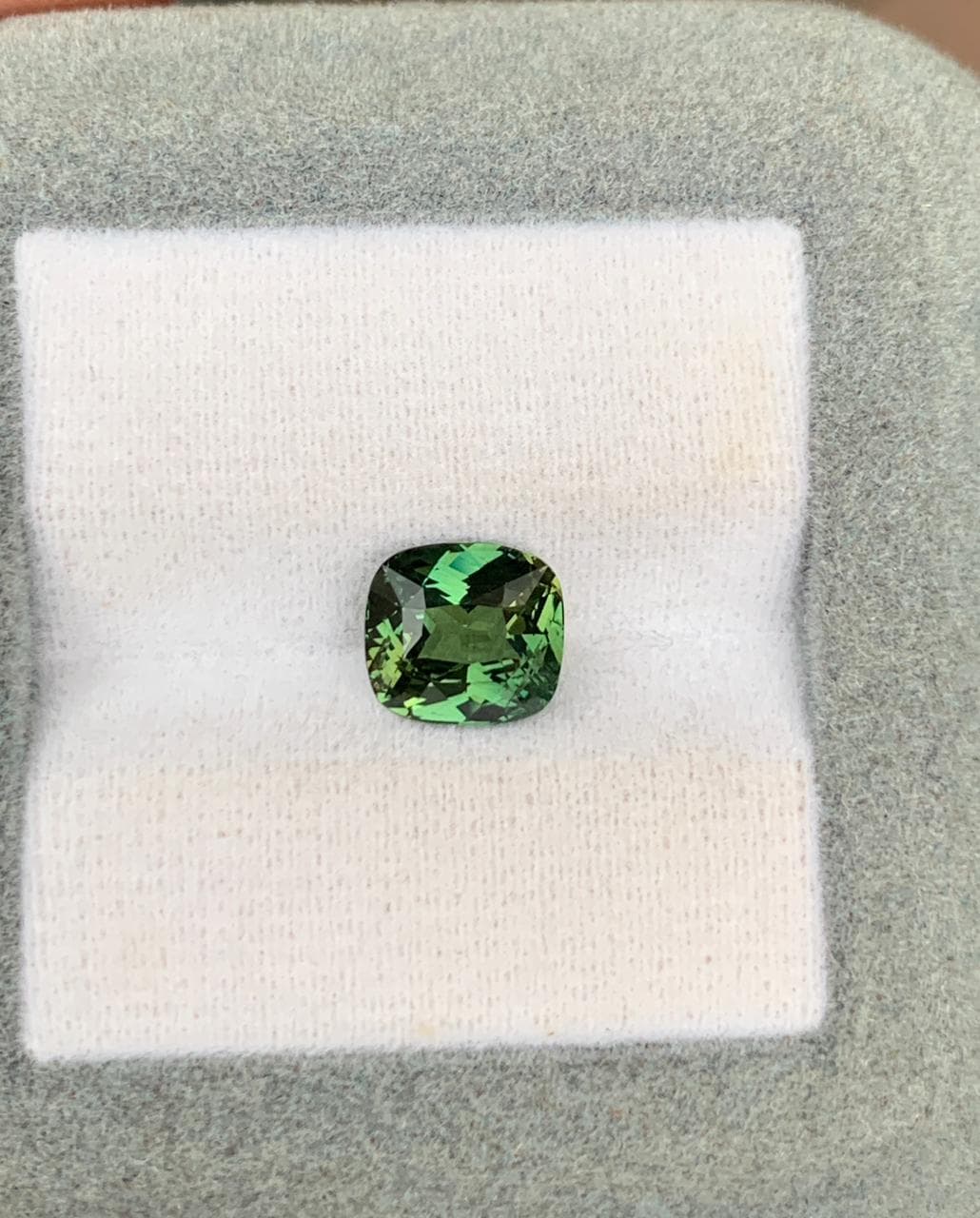
Green sapphire is a quietly rare gemstone: from mint to forest green, a shade seldom seen in fine jewellery. It combines the hardness of 9/10 on the corundum scale with a price point that, in our selection, is often more…
Configure your ring
With Studio Bonnot, become the architect of your dream ring
Rating based on 100 customer reviews
Trusted by clients the world over
ICA Member
The only French jeweller to be a member of the International Colored Gemstone Association
Bonnot Paris Showroom
Everything begins with an appointment at Bonnot Paris
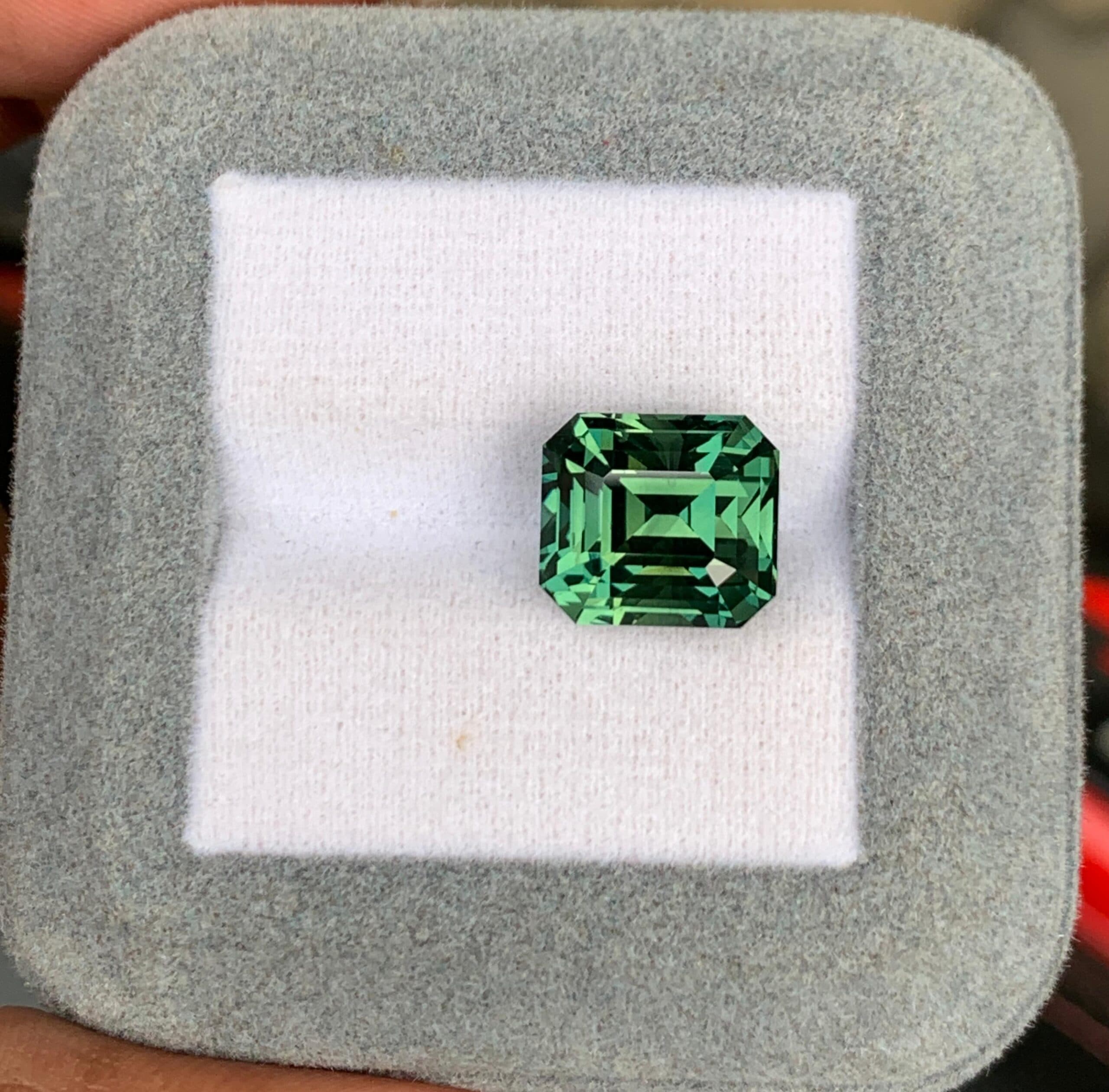
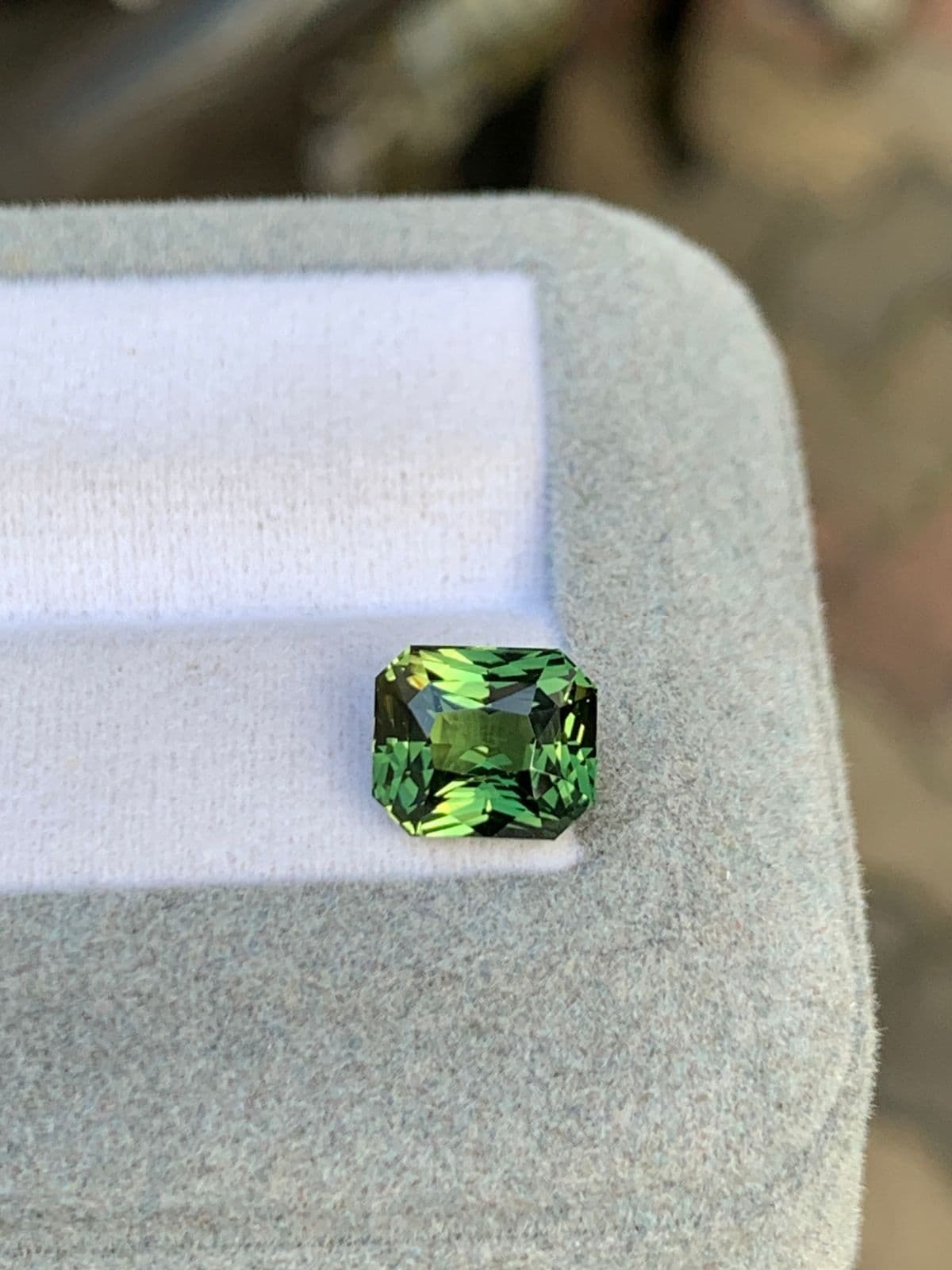
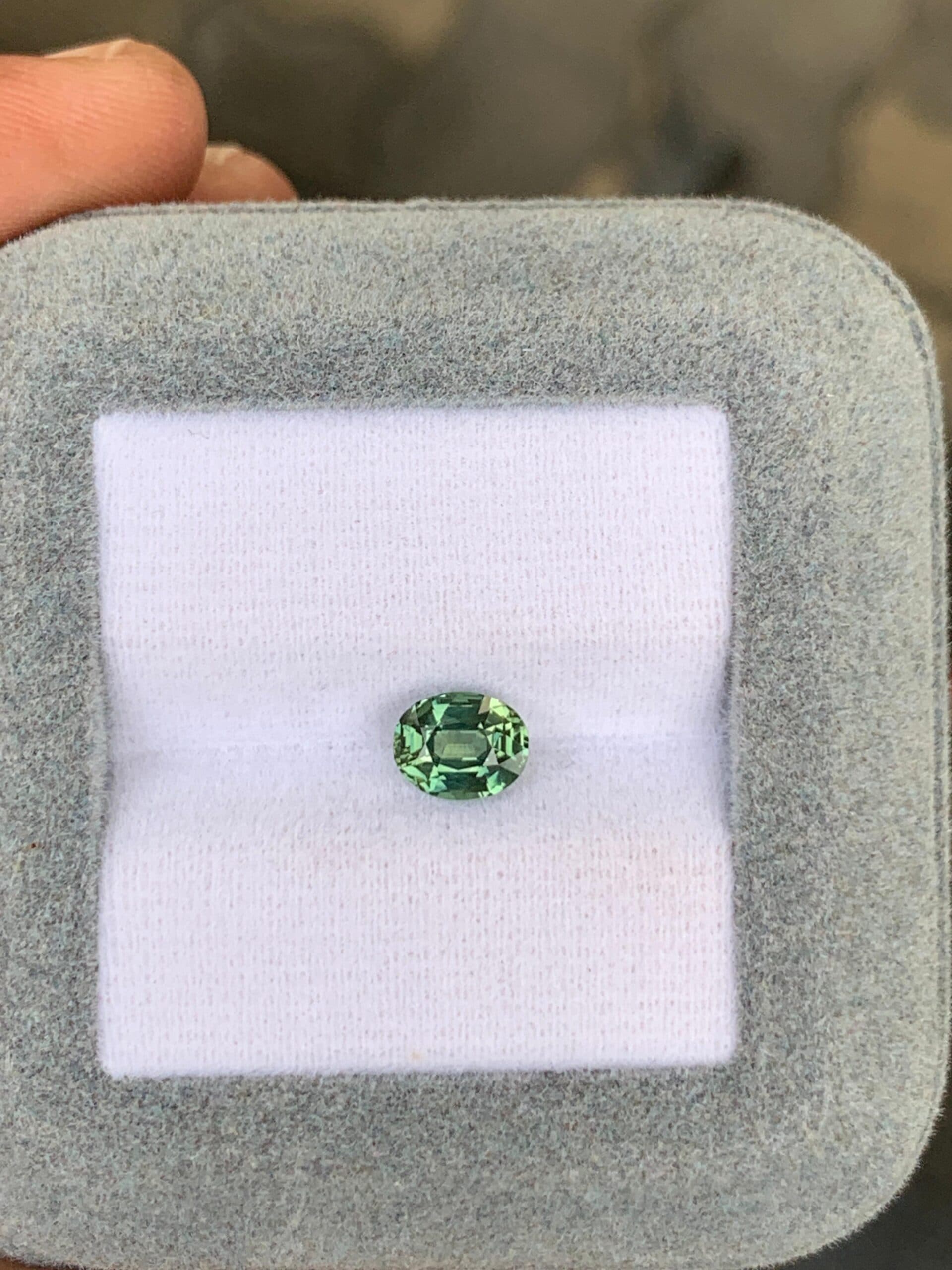
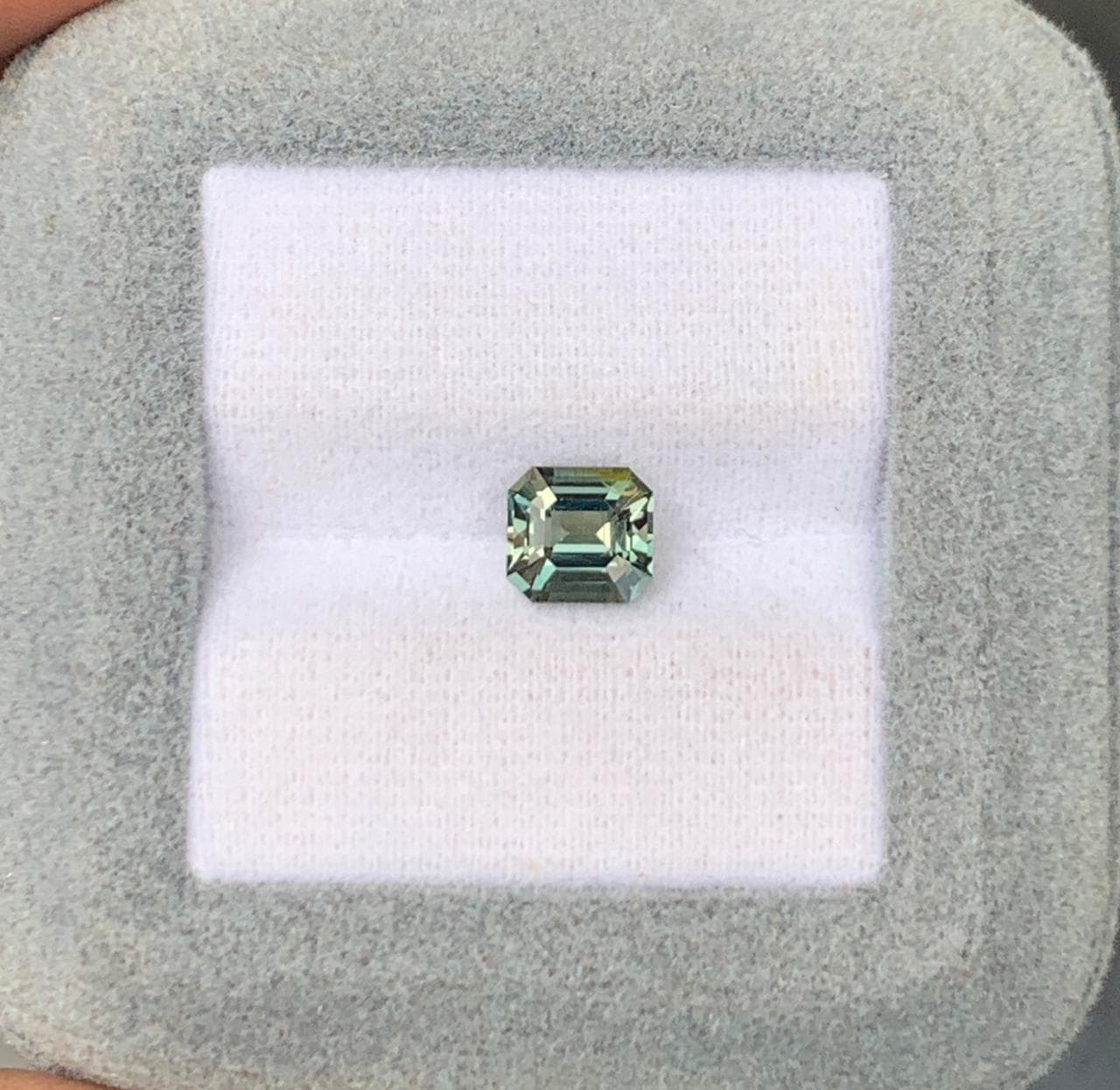
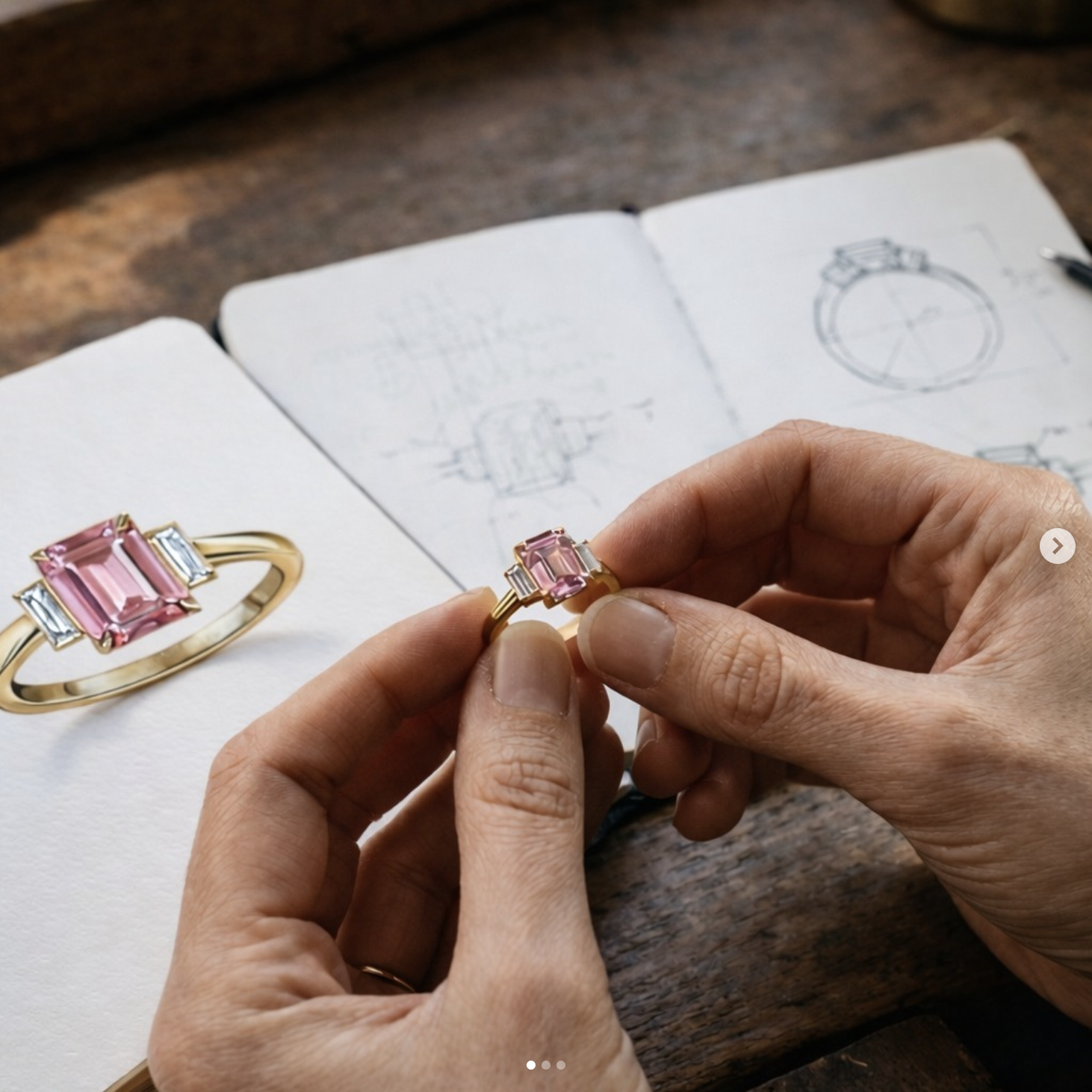
The Bonnot atelier
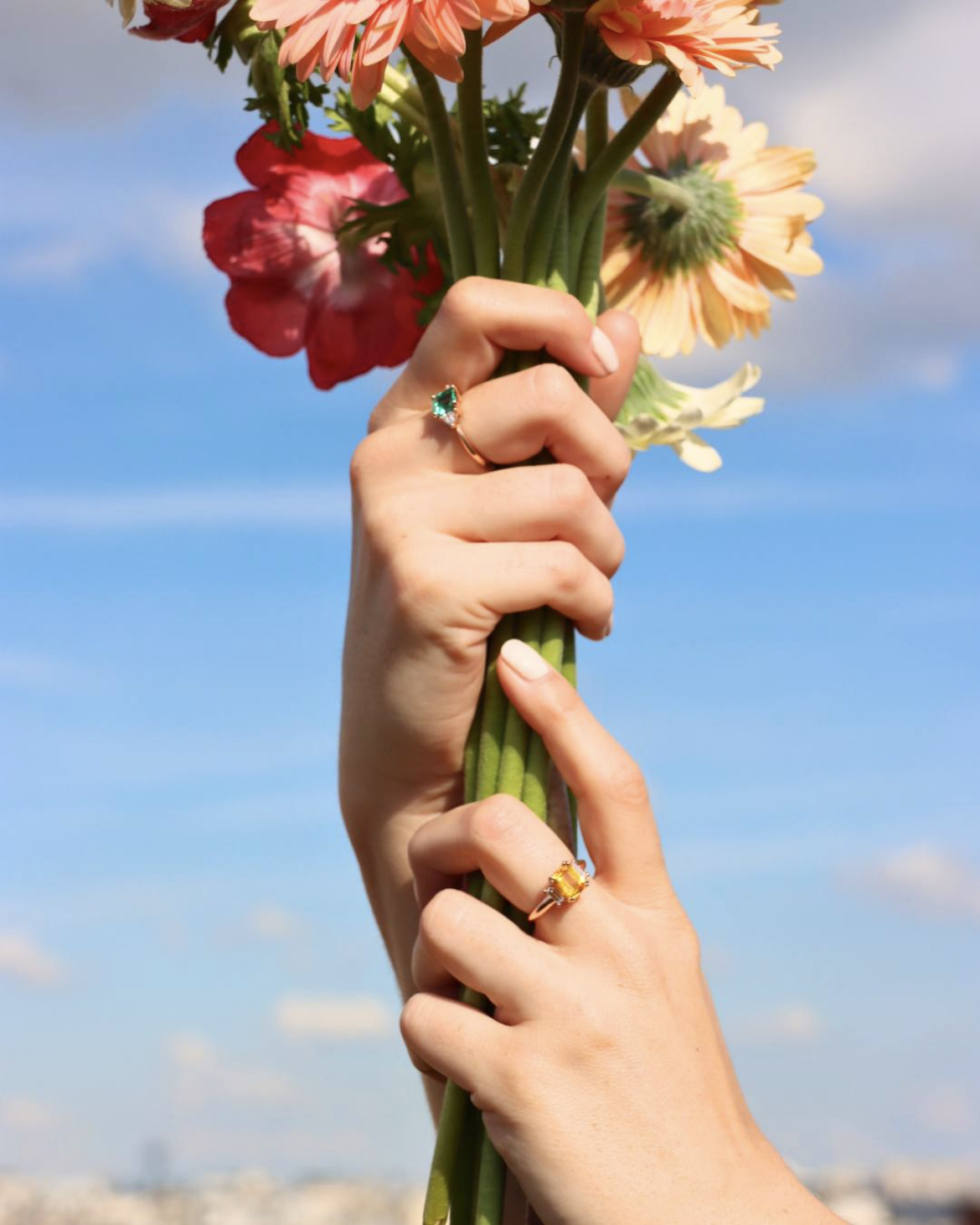
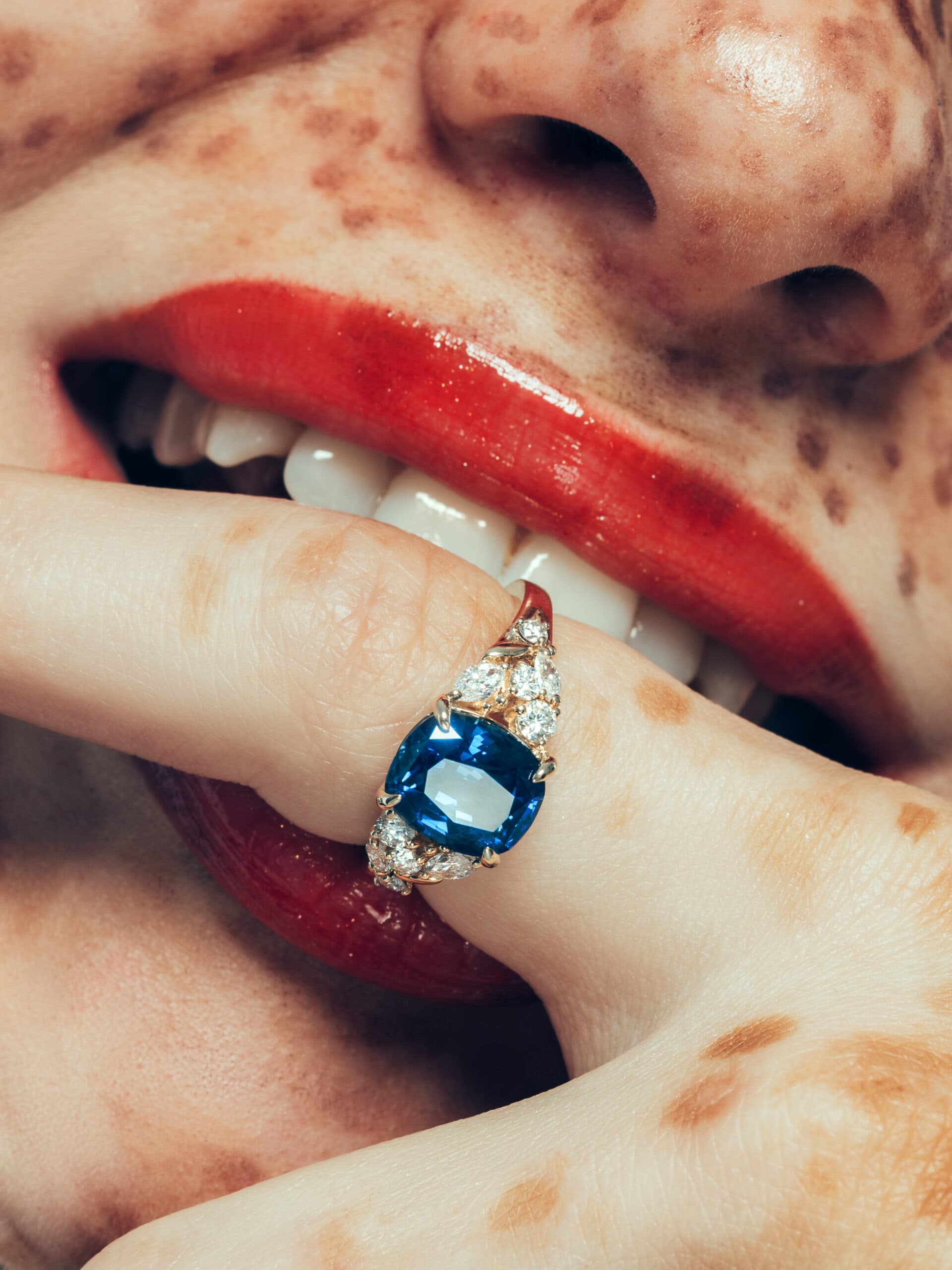
Every stone in this collection can be set in Paris on 18k gold, designed with you.
All sapphire engagement rings · Create an engagement ring with this sapphire
TRAVEL DIARY
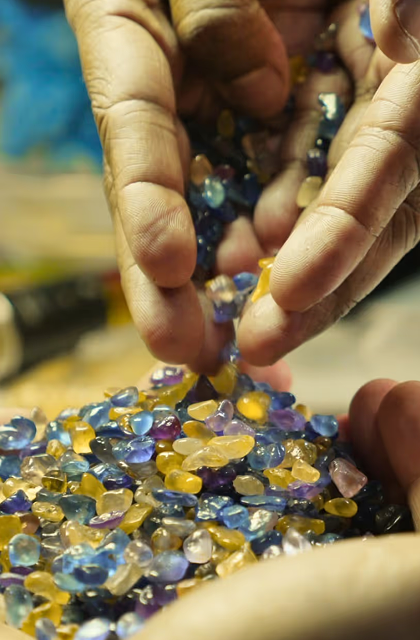
François joins the miners of Ratnapura who unearth the sapphires you see on this page.
Explore
5/5
Excellent
5/5

Sophie Vincent
7 months ago
J'ai contacté la bijouterie Bonnot car je souhaitais un saphir Padparadscha, qui est assez rare. Toute la transaction a été faite à distance et s'est très bien passée. Ils sont très professionnels, à l'écoute et très sympathiques. J'ai reçu ma bague et elle correspond tout à fait à ma demande. Merci beaucoup 😋
5/5

Célia Gastel
6 months ago
L'adresse parfaite ! Bastien a été très à l'écoute, très bonne communication et très réactif ! Et leurs pierres sont superbes
5/5

Pn Ph
6 months ago
Excellente expérience avec Bastien pour la conception de notre bague de fiançailles sur mesure. Il a été disponible, les échanges ont été fluides et efficaces. La conception de la bague a été rapide, elle est magnifique et correspond exactement à ce que nous voulions. Nous recommandons fortement Bonnot pour son expertise, mais aussi son sens de l'écoute.
5/5

JFL lancelier
6 months ago
Très professionnels.un service impeccable une belle offre de bijoux de très grande qualité
5/5

Alan Cormand
6 months ago
J’ai récemment commencé une collection de pierres précieuses et je suis vraiment impressionné par la qualité. Les pierres sont magnifiques, bien taillées et correspondent parfaitement à la description. En plus, la livraison a été très rapide. Je recommande sans hésitation !
5/5

Alex
6 months ago
Une très belle maison qui allie savoir-faire et excellence du service. L’expérience client est fluide, rapide et d’une grande transparence. Merci à Bonnot Joaillerie pour cet accompagnement de qualité.
5/5

Christine Petit
6 months ago
Bastien est à la fois très sympathique et très professionnel. J'ai été très bien reçue, le contact et la communication sont faciles. J'ai fait transformer une marguerite en bague plus moderne et je suis ravie du résultat.
5/5

marielle frances
6 months ago
Une très belle rencontre autour d'une belle Pierre, merci à Bastien et François pour leur accueil! A très bientôt pour l'achat de nouvelles pierres!
5/5

Yac ine
6 months ago
Professionnels, réactifs et sympathiques, je recommande.

Exceptional precious stones at fair and transparent prices

Our unique gemstones reflect the purity and elegance of nature

Exclusively by renowned independent laboratories
Exceptional sourcing
At Bonnot Paris, every stone is selected for its rarity, clarity and ethical provenance, ensuring full traceability, exceptional quality and fair pricing.
Green sapphires are primarily mined in Sri Lanka, the world's leading source in both quantity and quality, as well as Madagascar (since the 1990s), Australia (Queensland and New South Wales, known for darker greens), Thailand, and marginally in Tanzania and Myanmar. Sri Lankan green sapphires are the most prized for their luminous brilliance and transparency. At Bonnot Paris, we source our green sapphires directly through our office in Sri Lanka and from selected partners in Madagascar.
Green sapphire is one of the most affordable sapphire varieties. Expect approximately €600 to €1,200 per carat for good quality (1 carat), and €1,200 to €2,500 per carat for 2–3 carats. By comparison, this is 3 to 5 times less expensive than a comparable-quality emerald, and 30 to 50% less than an equivalent blue sapphire. Unheated green sapphires or those with particularly intense hues (deep emerald green) can command higher prices.
Both offer a range of greens, but their characteristics differ considerably. Emerald has a more intense, deep green — often with a slight blue undertone — but almost always contains inclusions (the so-called "garden") that make it more fragile (hardness 7.5–8) and require a protective setting. Green sapphire is softer in tone, cleaner (few or no visible inclusions), far more durable (hardness 9), and significantly less expensive. For everyday wear and a controlled budget, green sapphire is the preferable choice; for chromatic depth and investment value, emerald remains unrivalled.
Green sapphire and tsavorite are both excellent alternatives to emerald, but they are entirely different minerals. Green sapphire is a corundum (hardness 9), while tsavorite is a chrome grossular garnet (hardness 7.5). Tsavorite offers a more intense, saturated green close to emerald, with a higher refractive index and therefore greater brilliance. Green sapphire is harder, more durable, and generally less expensive. For a deep, emerald-like green, choose tsavorite; for durability and a softer green, green sapphire.
The green colour of sapphire comes from the presence of iron in its crystal structure, sometimes complemented by titanium. This is the same mechanism that gives teal sapphire and blue sapphire their hues: the exact proportions of trace elements determine the precise shade. Unlike emerald (coloured by chromium), ruby (also chromium), or tsavorite (chromium and vanadium), the green colouration of sapphire generally requires no treatment to be revealed.
Green sapphire is paradoxically both reasonably available on the market and largely unknown to the general public. Its relative abundance compared to emerald explains its more accessible price, but stones with a pure, intense green free from grey or blue saturation are rarer — the majority of green sapphires display a hue mixed with blue or yellow. Stones above 3 carats with a pure colour become genuinely difficult to find. It is this discreteness that makes it a singular gemstone, prized by connoisseurs.
Absolutely. With a hardness of 9 on the Mohs scale (out of 10), green sapphire offers the same resistance as blue sapphire and ruby — the second hardest gemstone in the world after diamond. It withstands knocks, scratches, and daily wear without concern, unlike emerald, which requires a protective setting. It traditionally symbolises harmony, nature, and renewal — a profound message for a union. It is also a choice that steps outside classic conventions while remaining timeless, ideal for those seeking a truly personal ring.
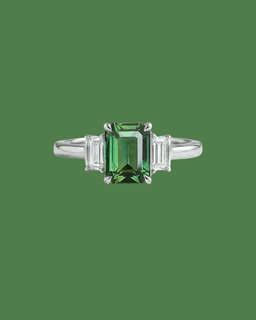
Green sapphire pairs beautifully with all precious metals, each creating a different effect. Yellow gold amplifies its warmth and enhances the green/yellow contrast for a sunny, vintage feel. Rose gold creates a subtler, softer and more romantic contrast. White gold and platinum allow the colour to read in its purest, most contemporary form without interfering with the stone — the recommended option for softer or pastel greens. The choice ultimately depends on the desired character and the precise shade of the stone.