Configure your ring
With Studio Bonnot, become the architect of your dream ring
Start creating
Bonnot Paris
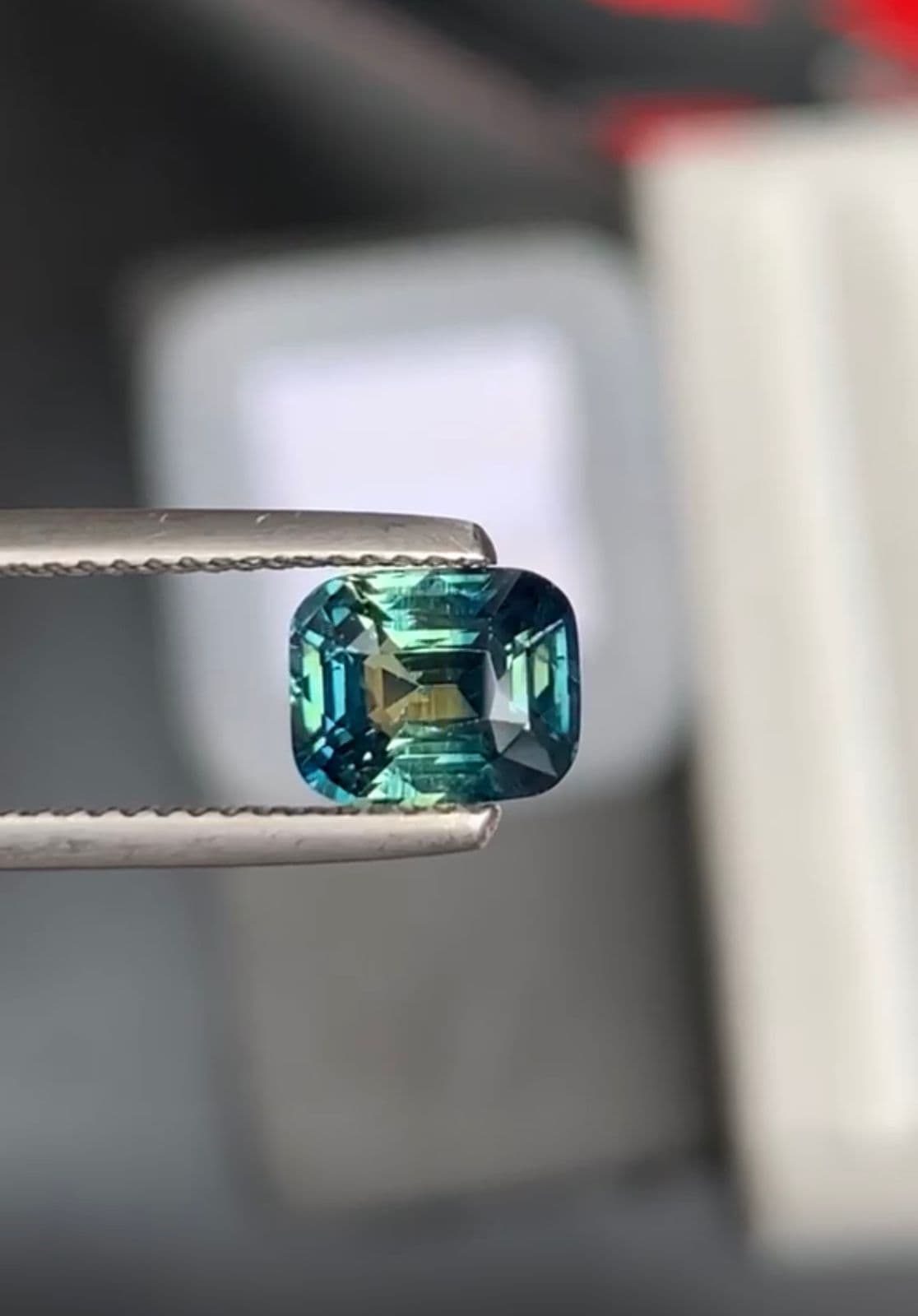
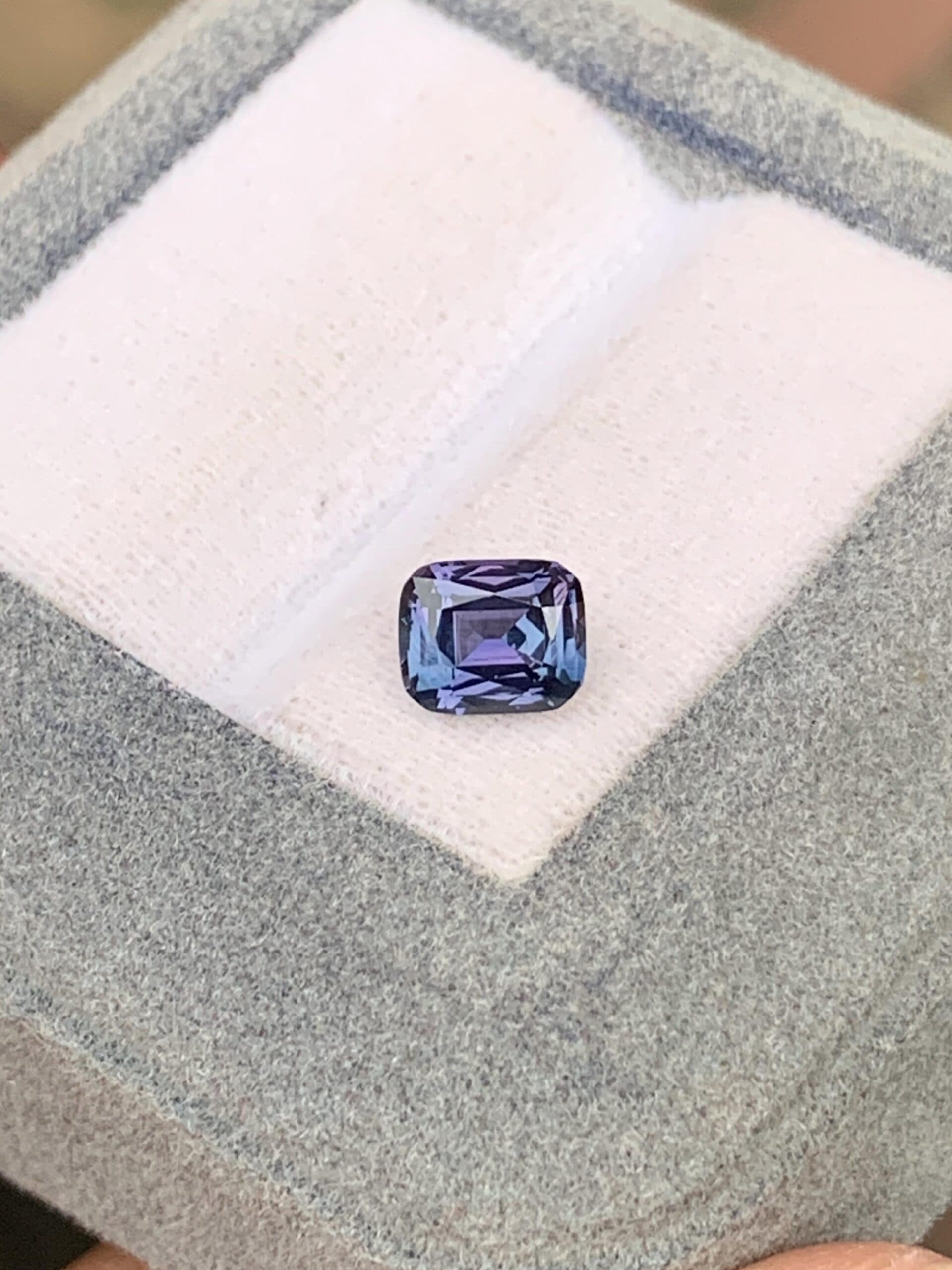
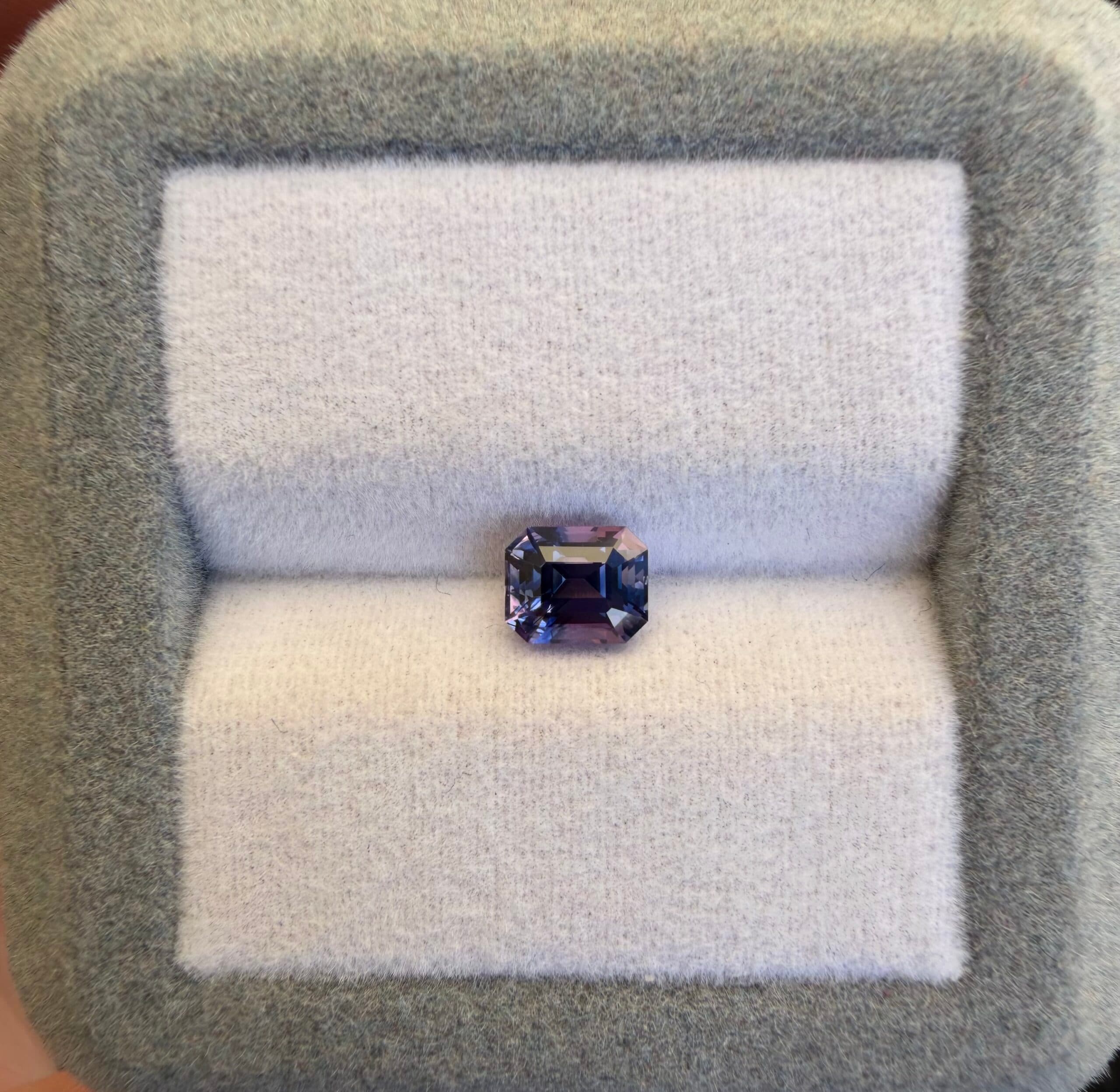
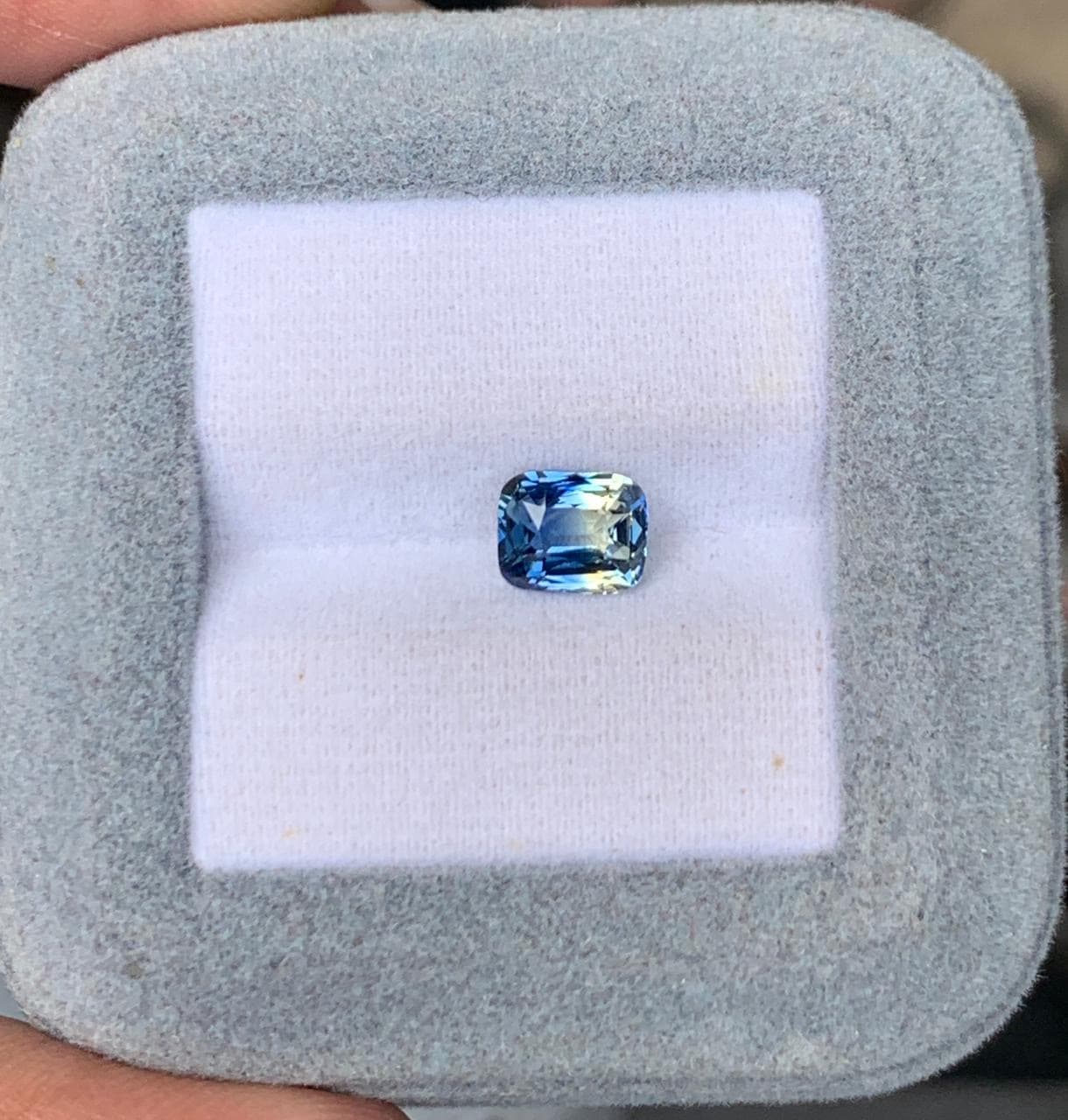
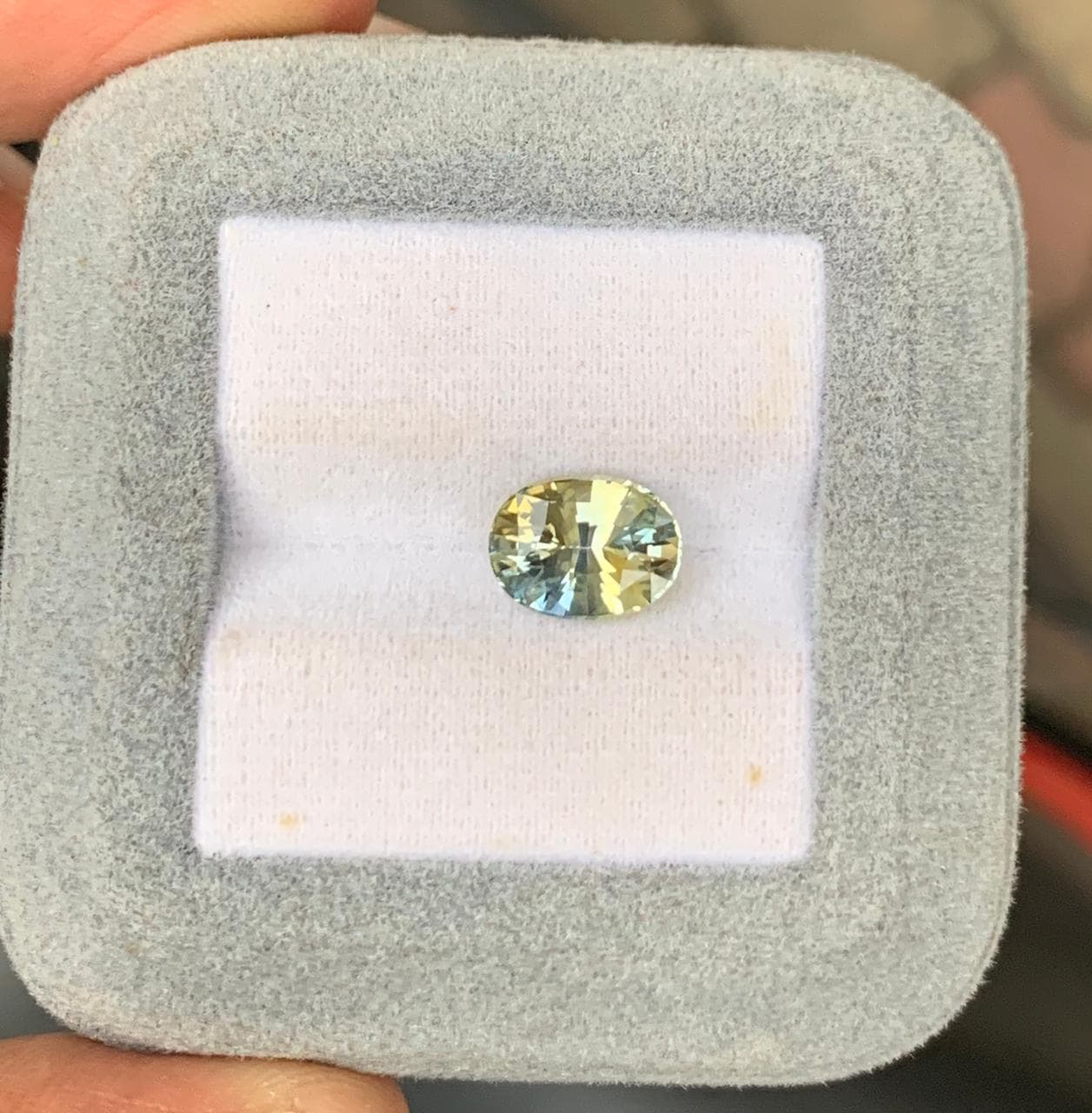
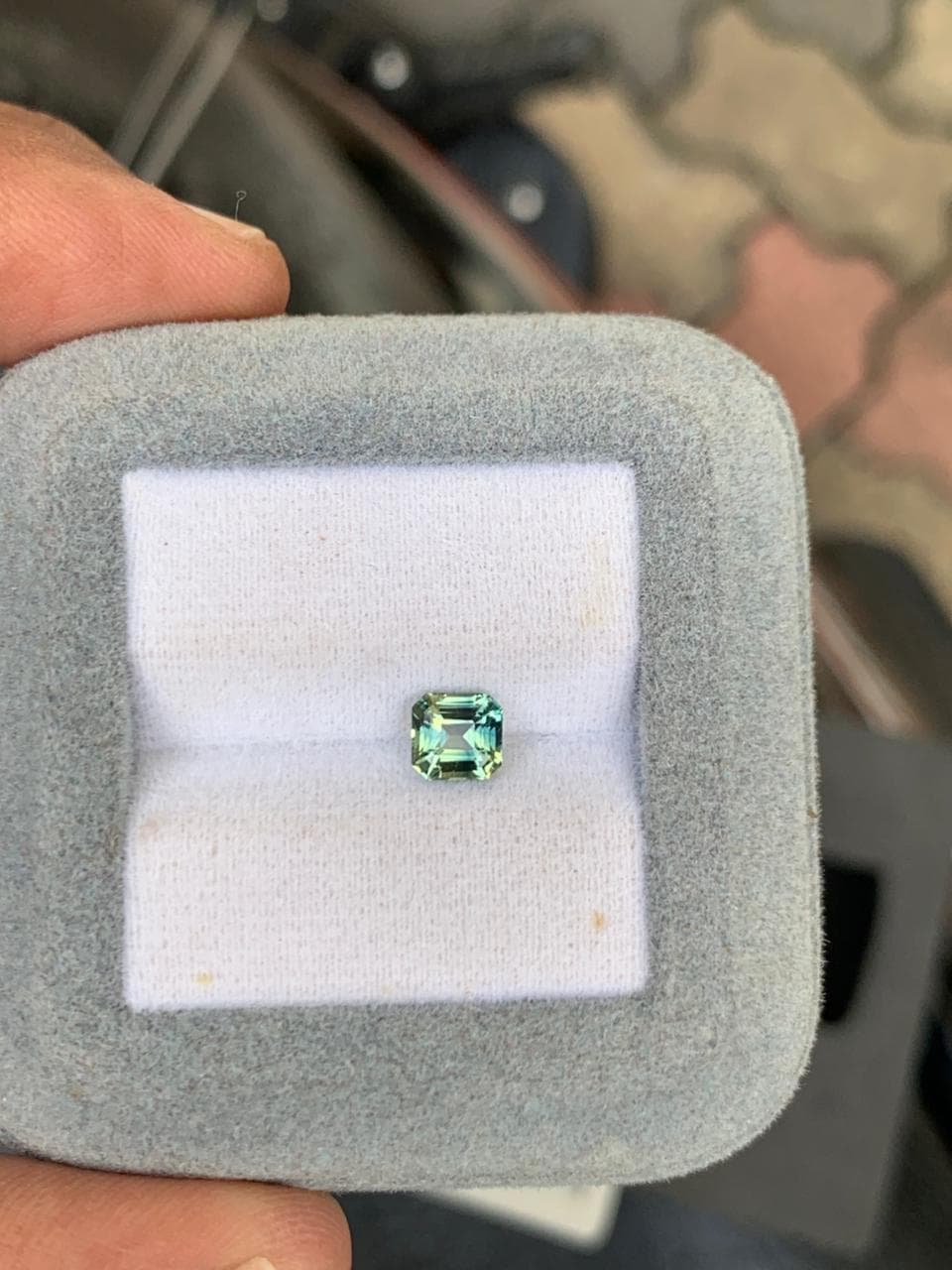
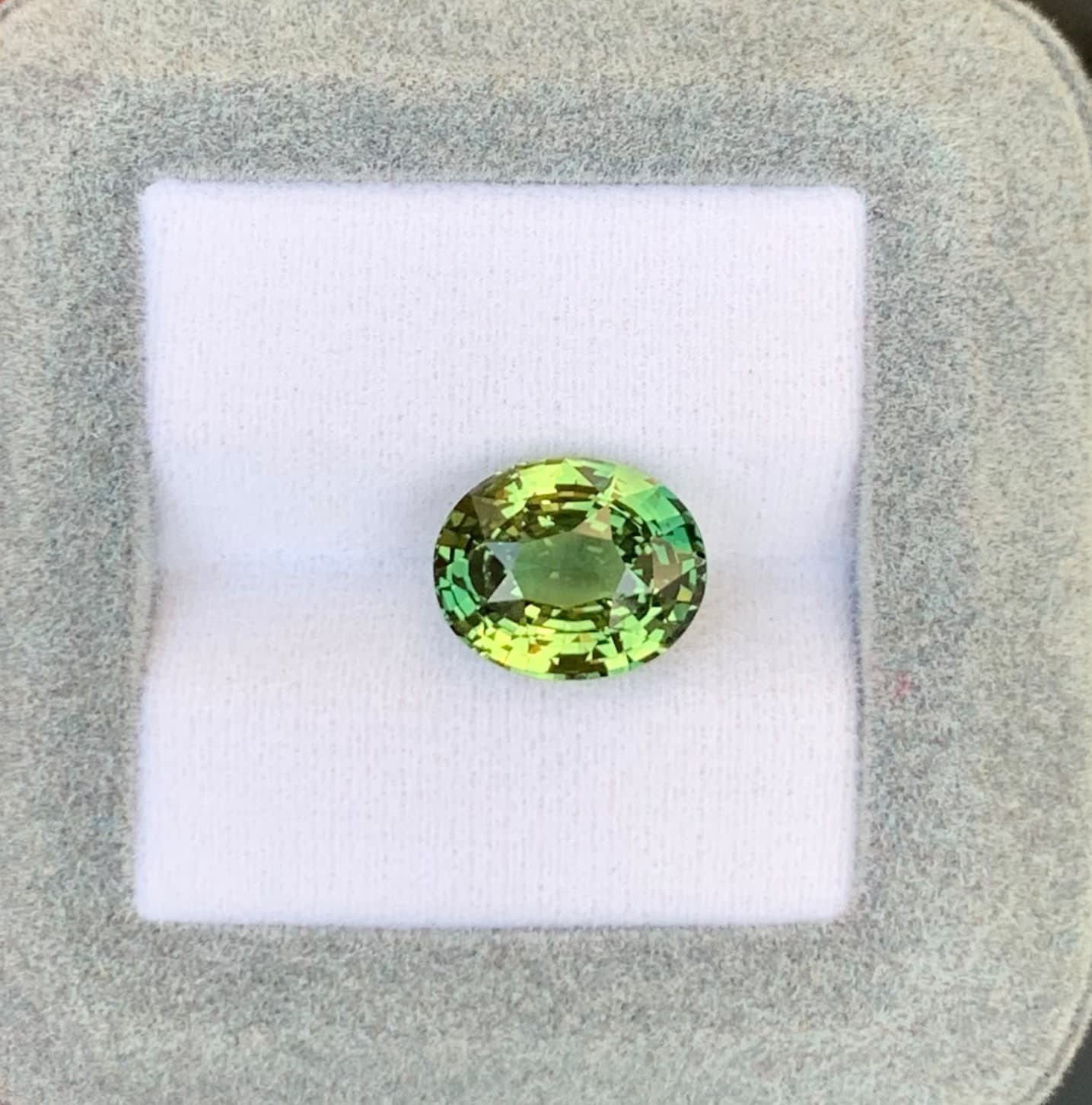
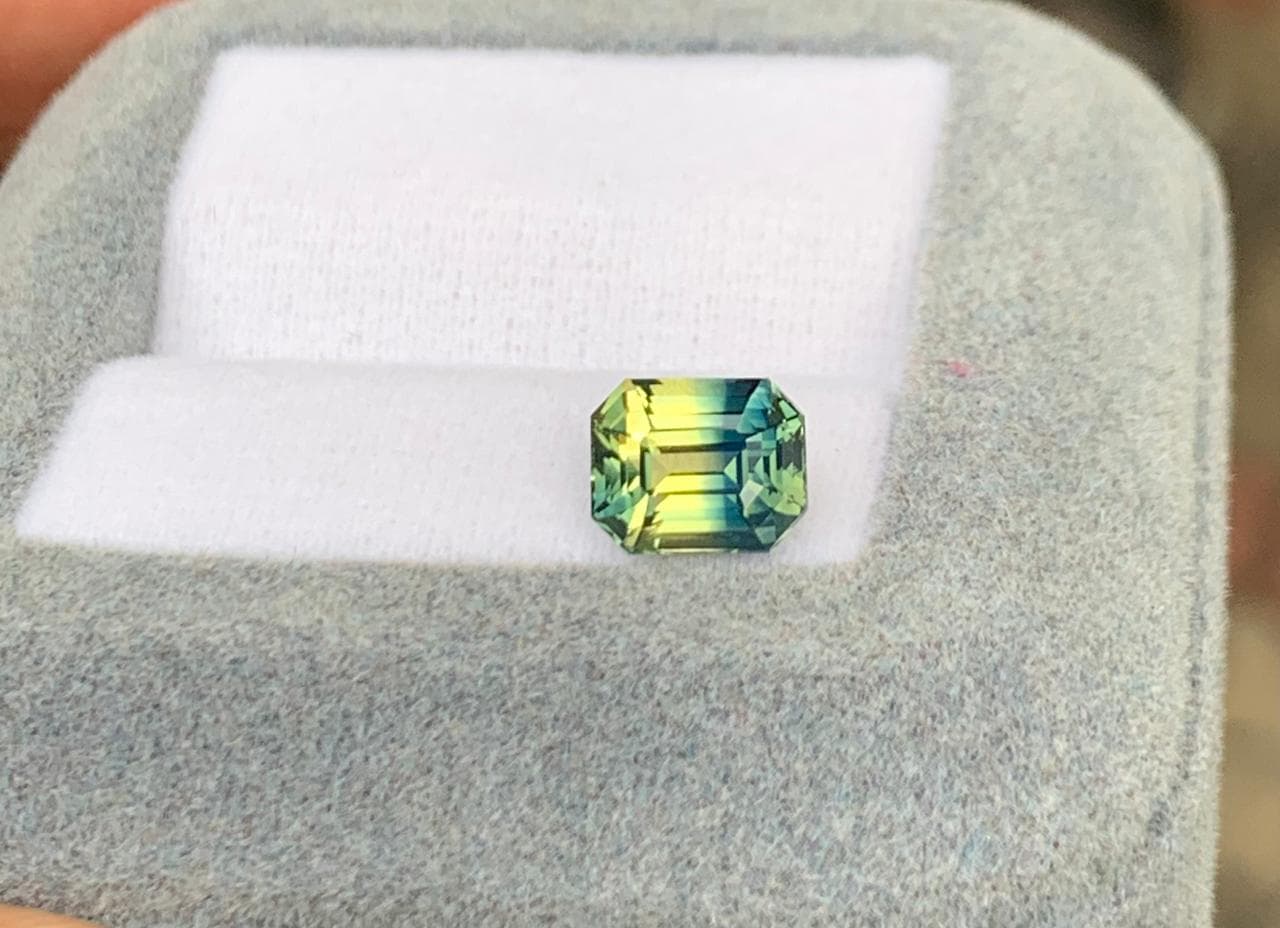
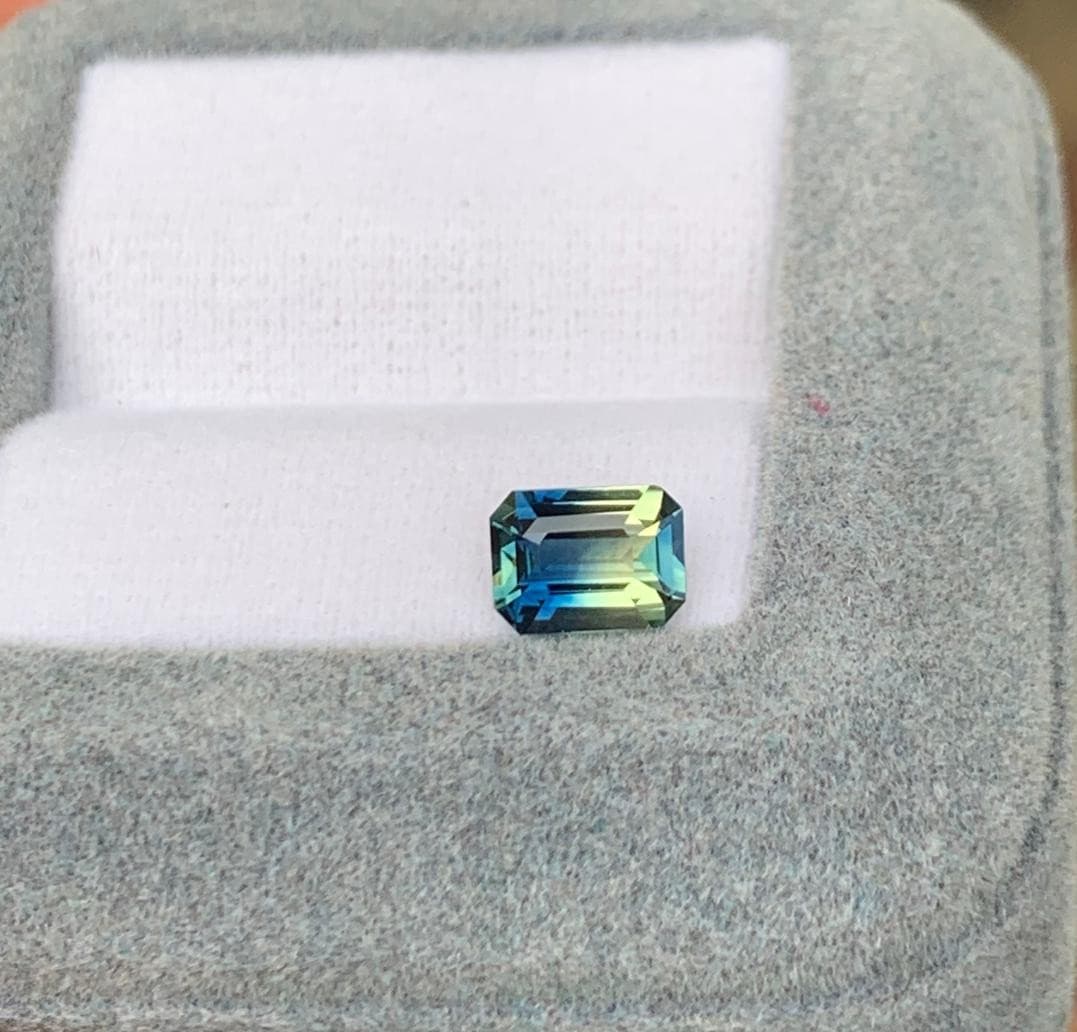
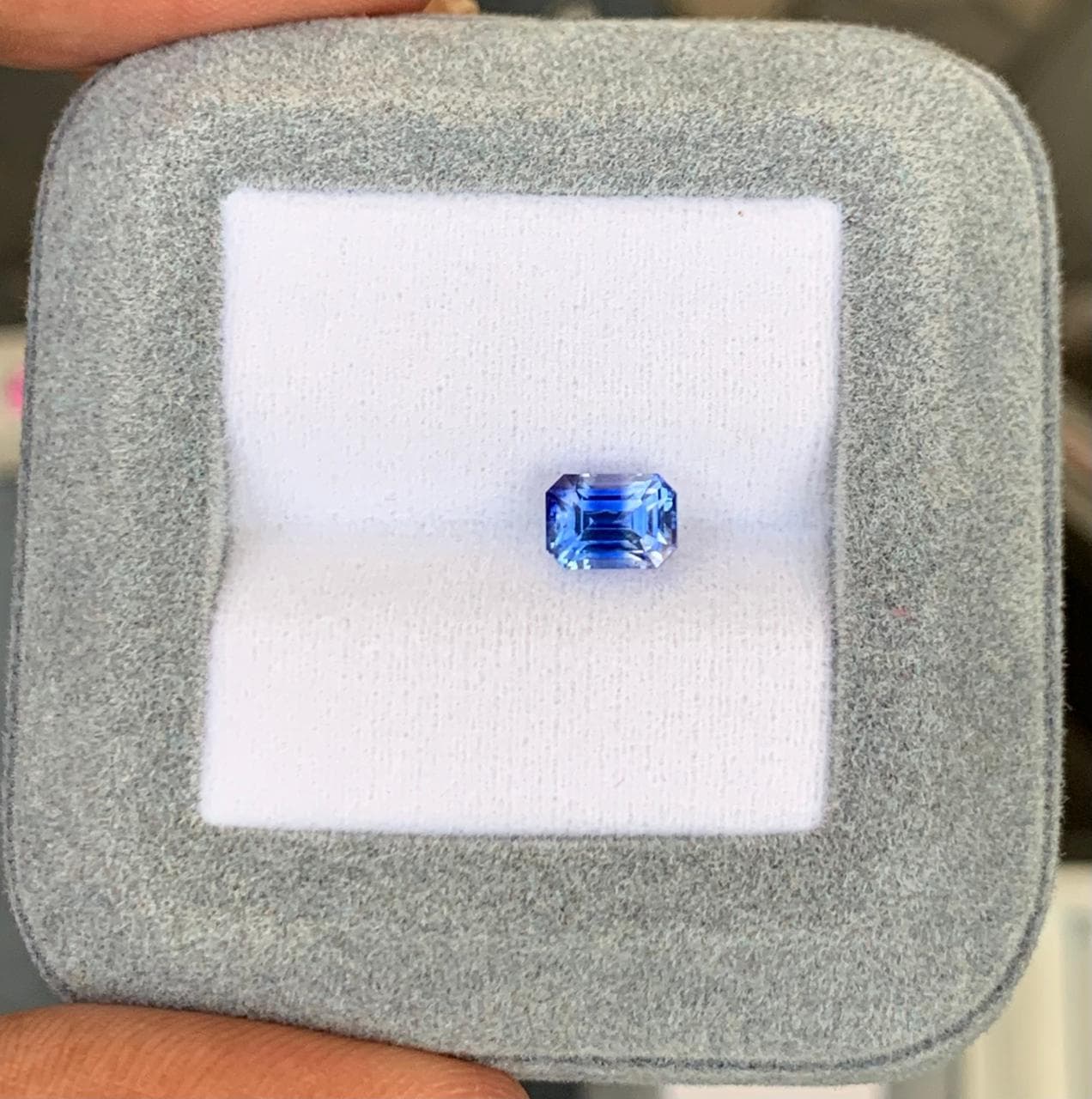
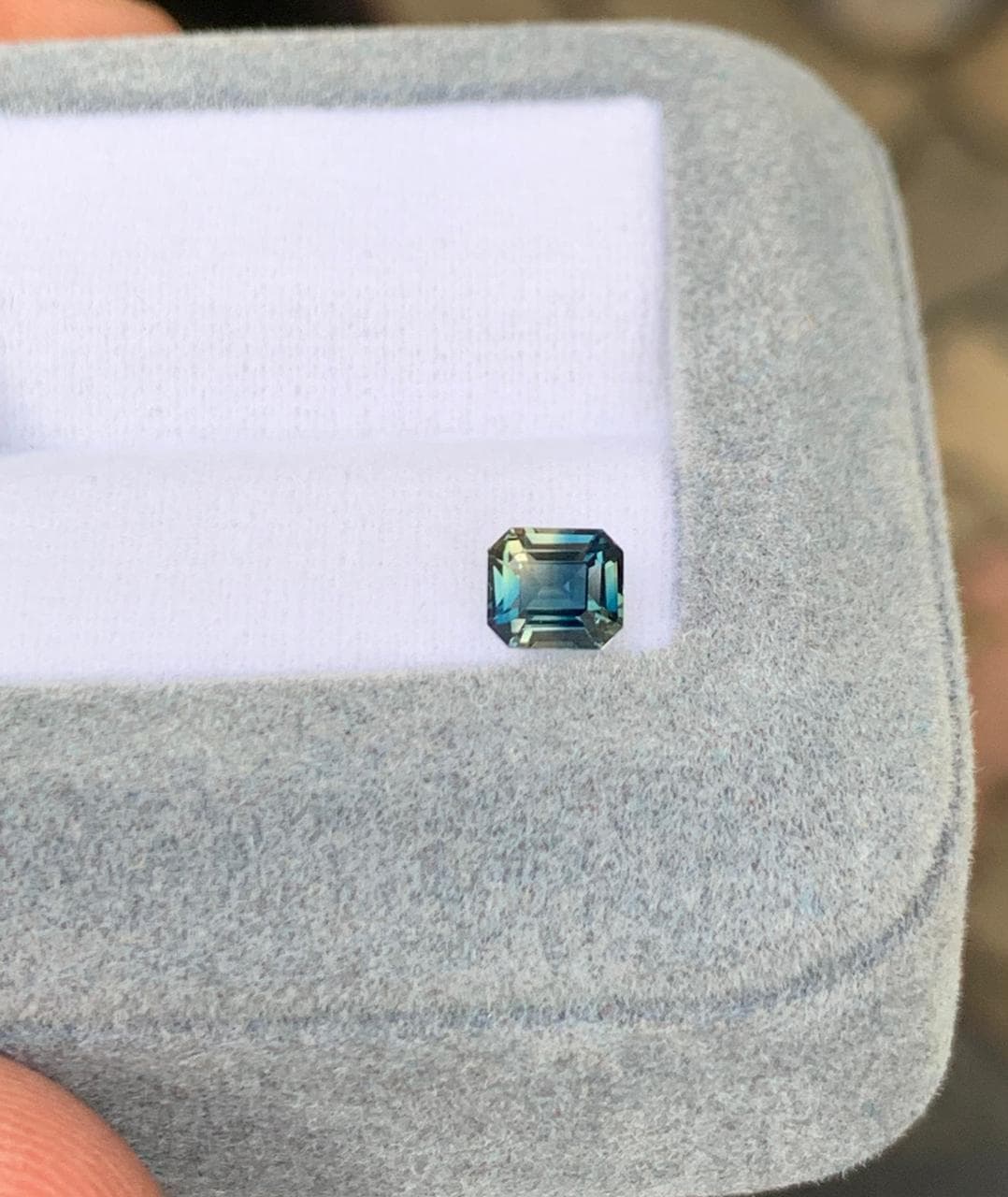
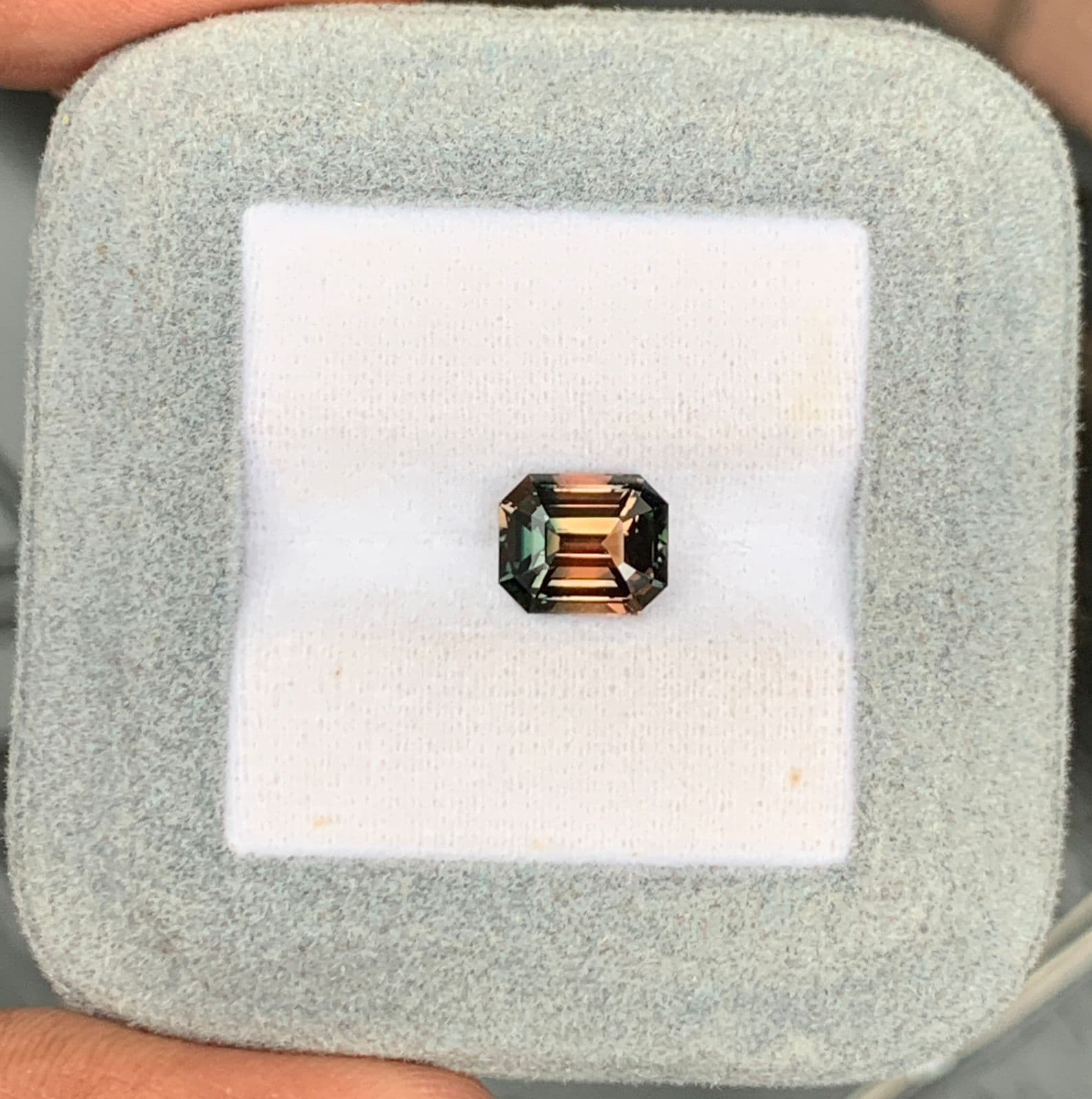
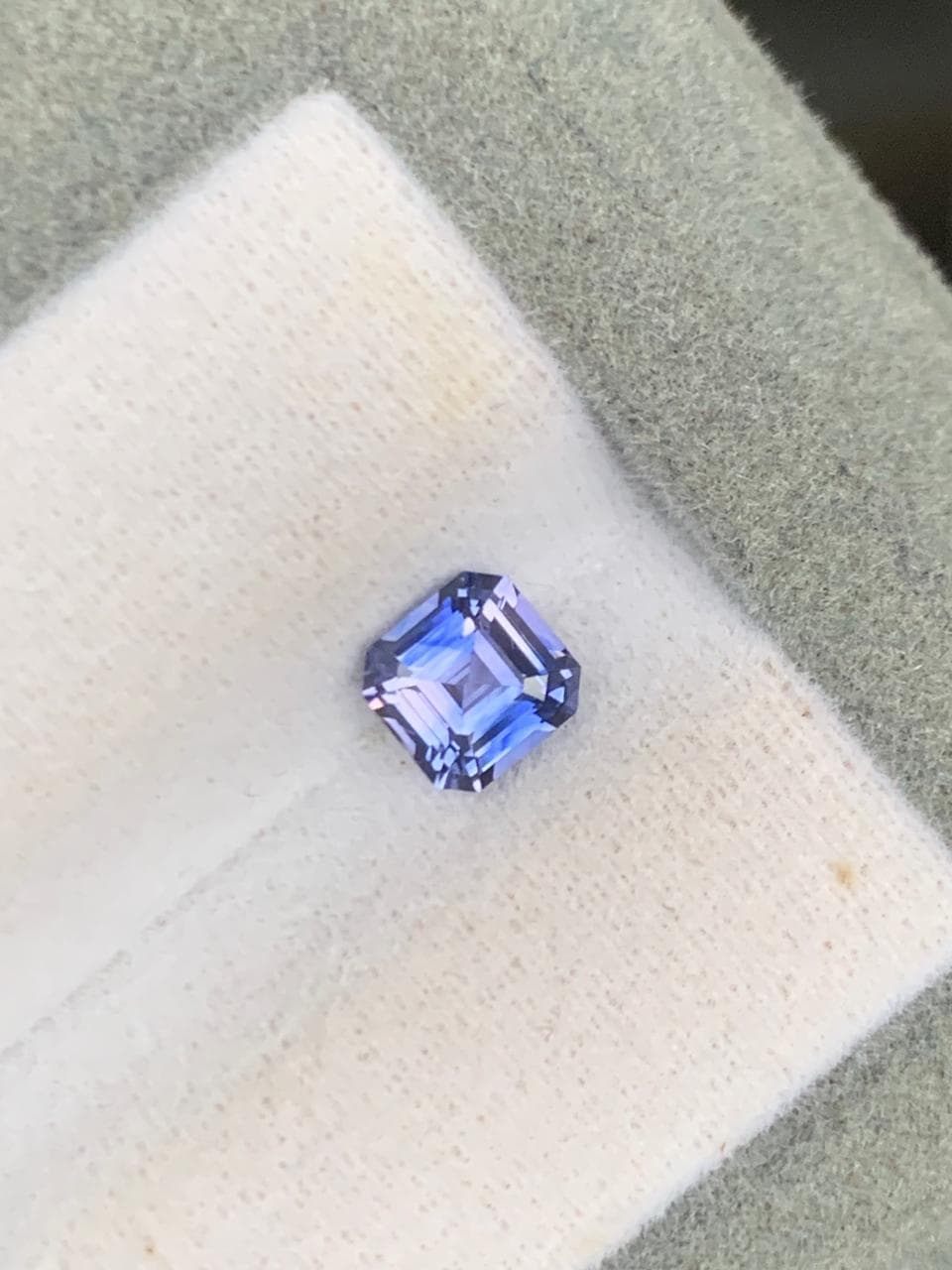
The bicolour sapphire — or parti-colour sapphire — is a natural phenomenon: two distinct colours coexist within a single gem, blue and green, yellow and blue, pink and violet, depending on the unique chemistry of its…
Configure your ring
With Studio Bonnot, become the architect of your dream ring
Rating based on 100 customer reviews
Trusted by clients the world over
ICA Member
The only French jeweller to be a member of the International Colored Gemstone Association
Bonnot Paris Showroom
Everything begins with an appointment at Bonnot Paris
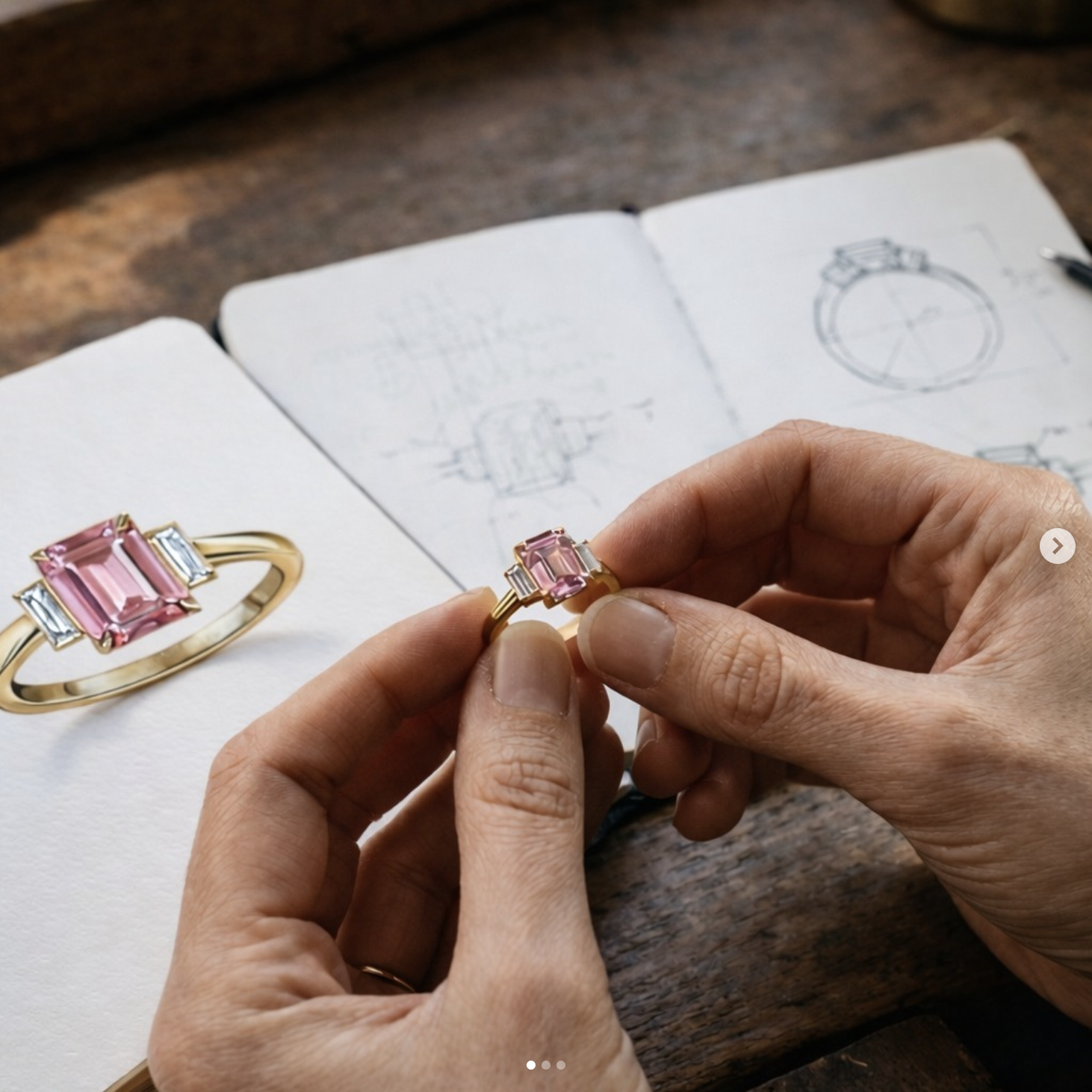
The Bonnot atelier
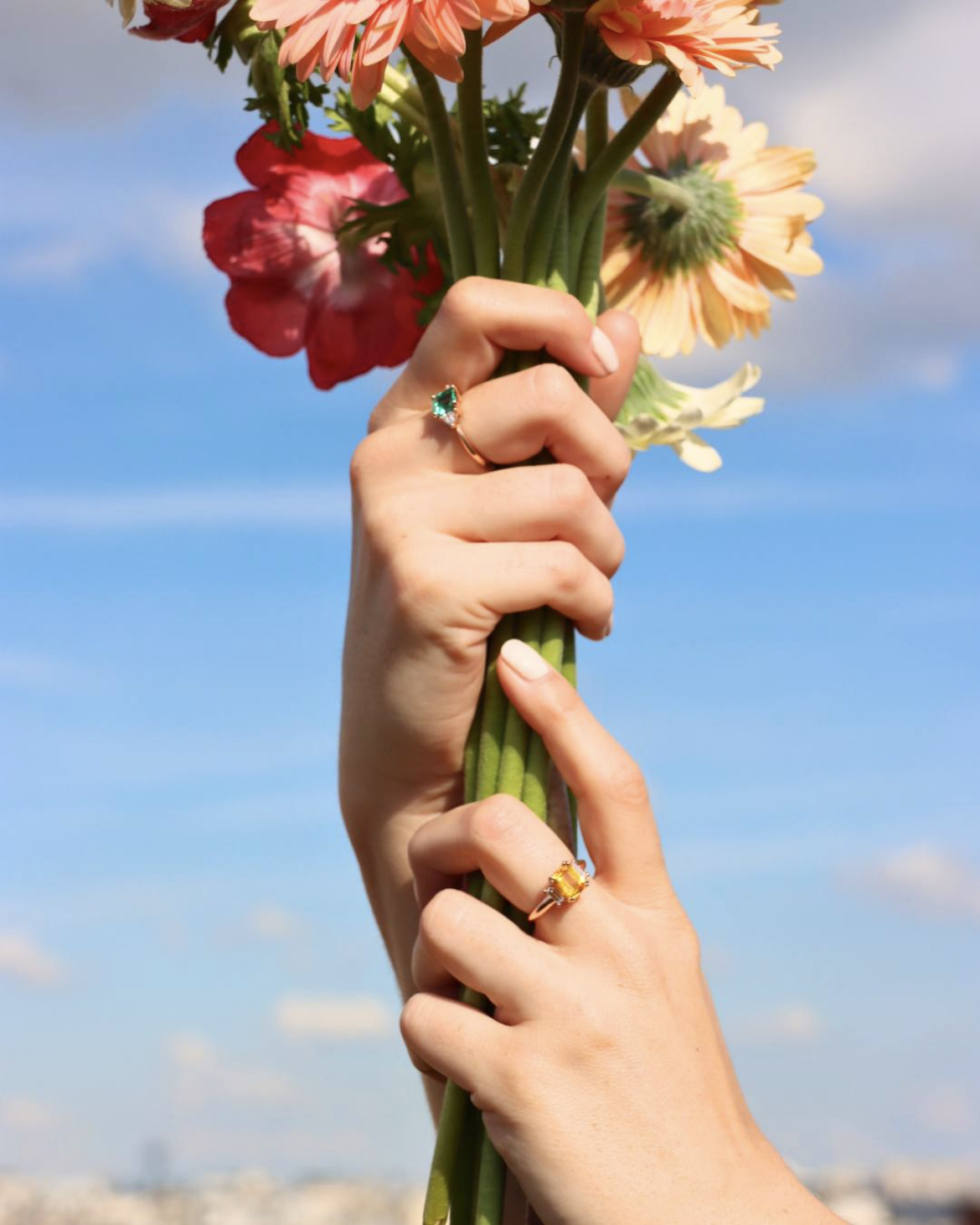
Every stone in this collection can be set in Paris on 18k gold, designed with you.
TRAVEL DIARY
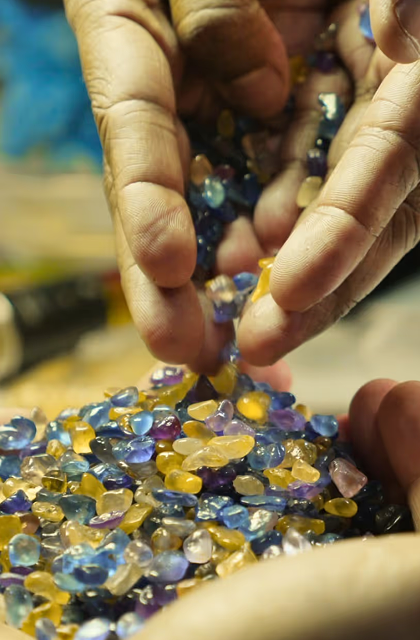
François joins the miners of Ratnapura who unearth the sapphires you see on this page.
Explore
5/5
Excellent
5/5

Sophie Vincent
5 months ago
J'ai contacté la bijouterie Bonnot car je souhaitais un saphir Padparadscha, qui est assez rare. Toute la transaction a été faite à distance et s'est très bien passée. Ils sont très professionnels, à l'écoute et très sympathiques. J'ai reçu ma bague et elle correspond tout à fait à ma demande. Merci beaucoup 😋
5/5

Célia Gastel
4 months ago
L'adresse parfaite ! Bastien a été très à l'écoute, très bonne communication et très réactif ! Et leurs pierres sont superbes
5/5

Pn Ph
4 months ago
Excellente expérience avec Bastien pour la conception de notre bague de fiançailles sur mesure. Il a été disponible, les échanges ont été fluides et efficaces. La conception de la bague a été rapide, elle est magnifique et correspond exactement à ce que nous voulions. Nous recommandons fortement Bonnot pour son expertise, mais aussi son sens de l'écoute.
5/5

JFL lancelier
4 months ago
Très professionnels.un service impeccable une belle offre de bijoux de très grande qualité
5/5

Alan Cormand
4 months ago
J’ai récemment commencé une collection de pierres précieuses et je suis vraiment impressionné par la qualité. Les pierres sont magnifiques, bien taillées et correspondent parfaitement à la description. En plus, la livraison a été très rapide. Je recommande sans hésitation !
5/5

Alex
4 months ago
Une très belle maison qui allie savoir-faire et excellence du service. L’expérience client est fluide, rapide et d’une grande transparence. Merci à Bonnot Joaillerie pour cet accompagnement de qualité.
5/5

Christine Petit
4 months ago
Bastien est à la fois très sympathique et très professionnel. J'ai été très bien reçue, le contact et la communication sont faciles. J'ai fait transformer une marguerite en bague plus moderne et je suis ravie du résultat.
5/5

marielle frances
4 months ago
Une très belle rencontre autour d'une belle Pierre, merci à Bastien et François pour leur accueil! A très bientôt pour l'achat de nouvelles pierres!
5/5

Yac ine
4 months ago
Professionnels, réactifs et sympathiques, je recommande.

Exceptional precious stones at fair and transparent prices

Our unique gemstones reflect the purity and elegance of nature

Exclusively by renowned independent laboratories
Exceptional sourcing
At Bonnot Paris, every stone is selected for its rarity, clarity and ethical provenance, ensuring full traceability, exceptional quality and fair pricing.
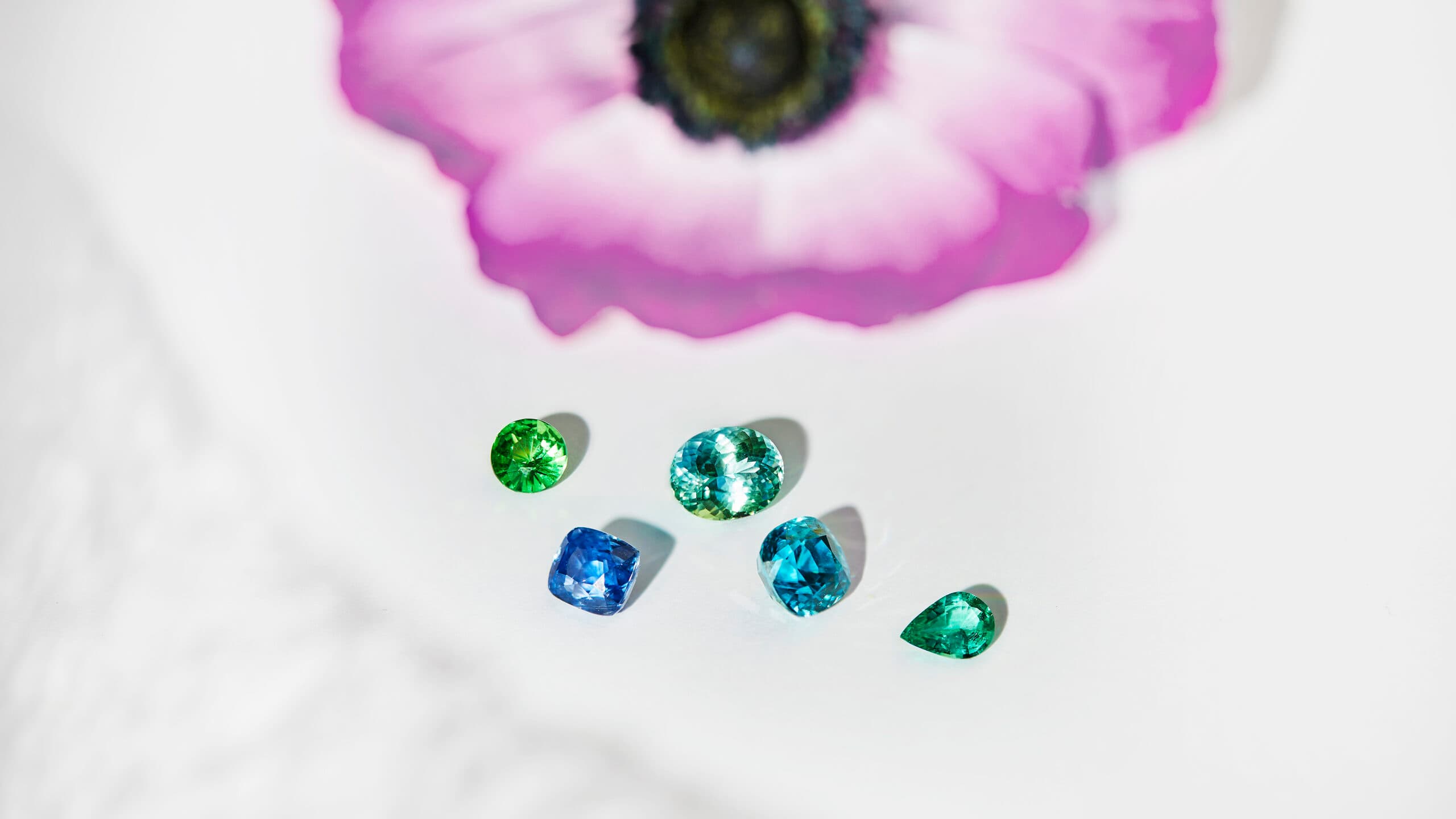
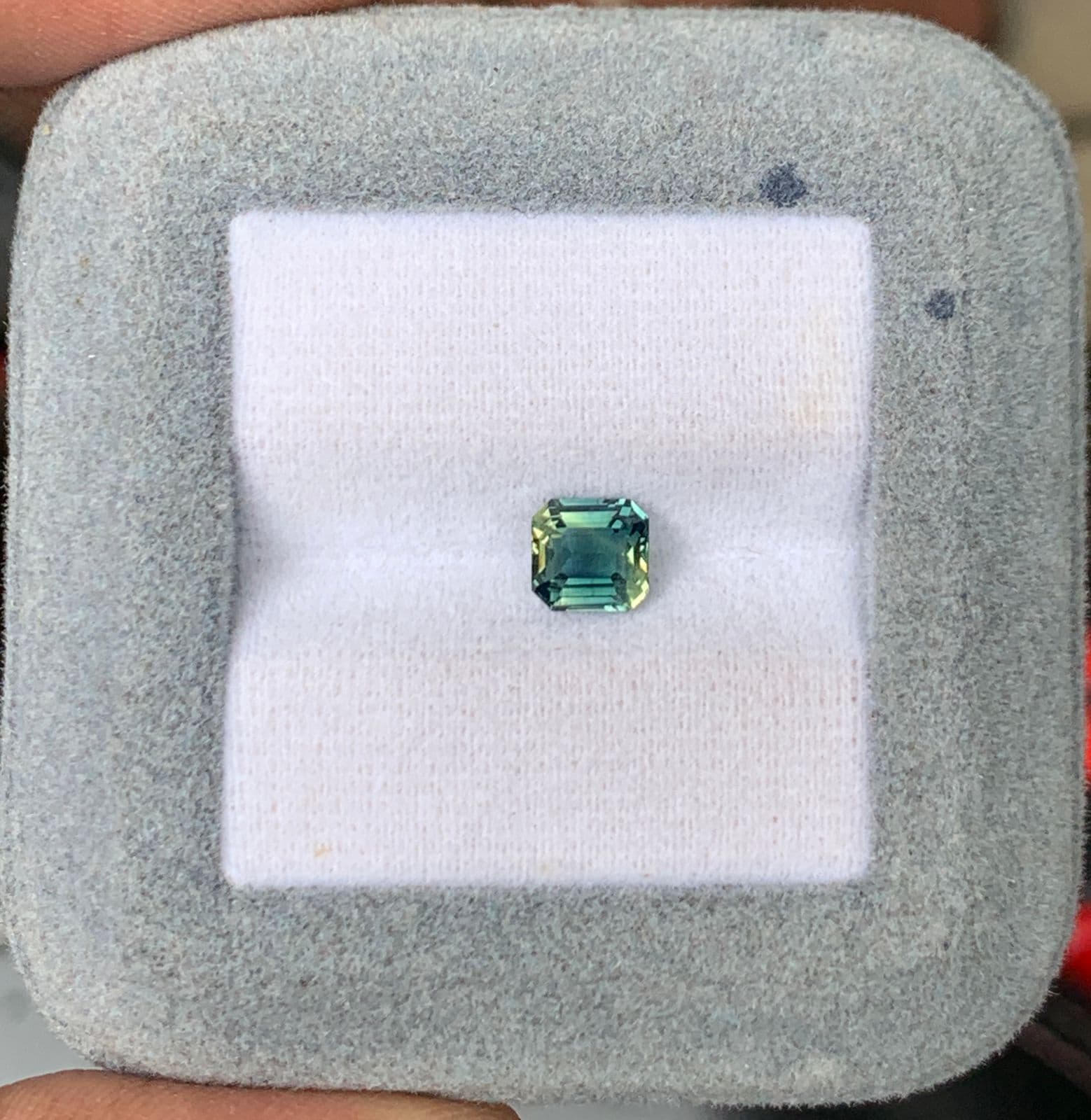
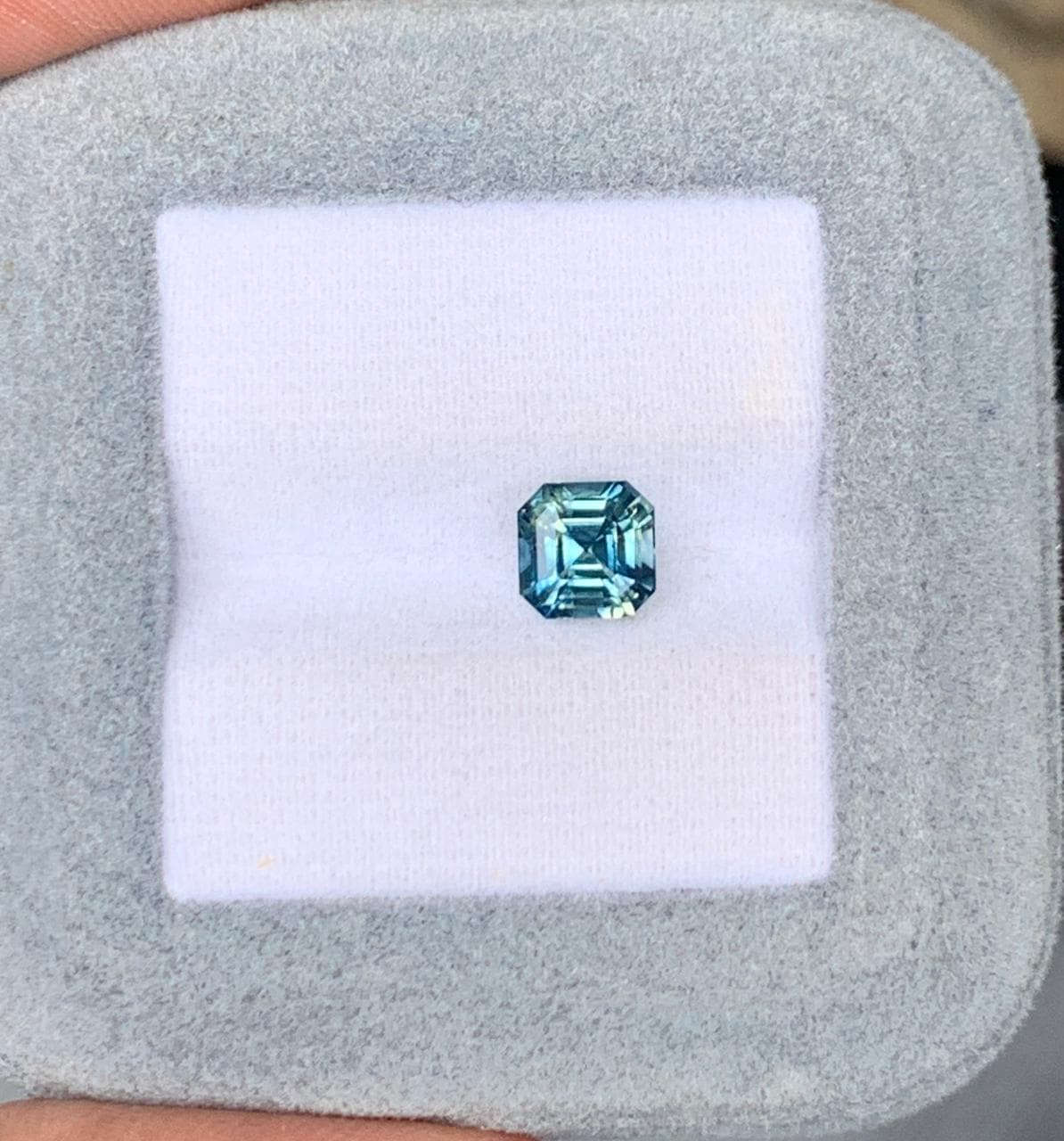
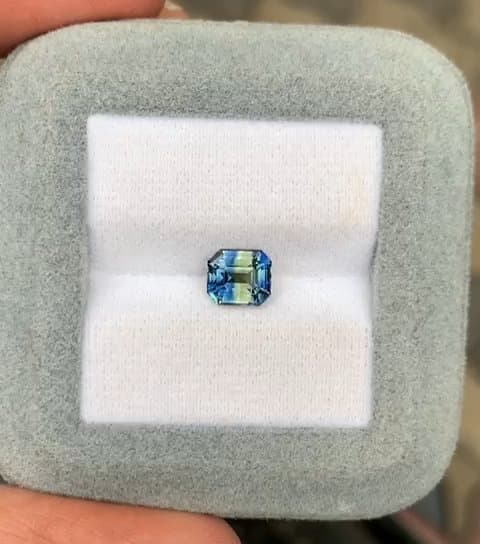
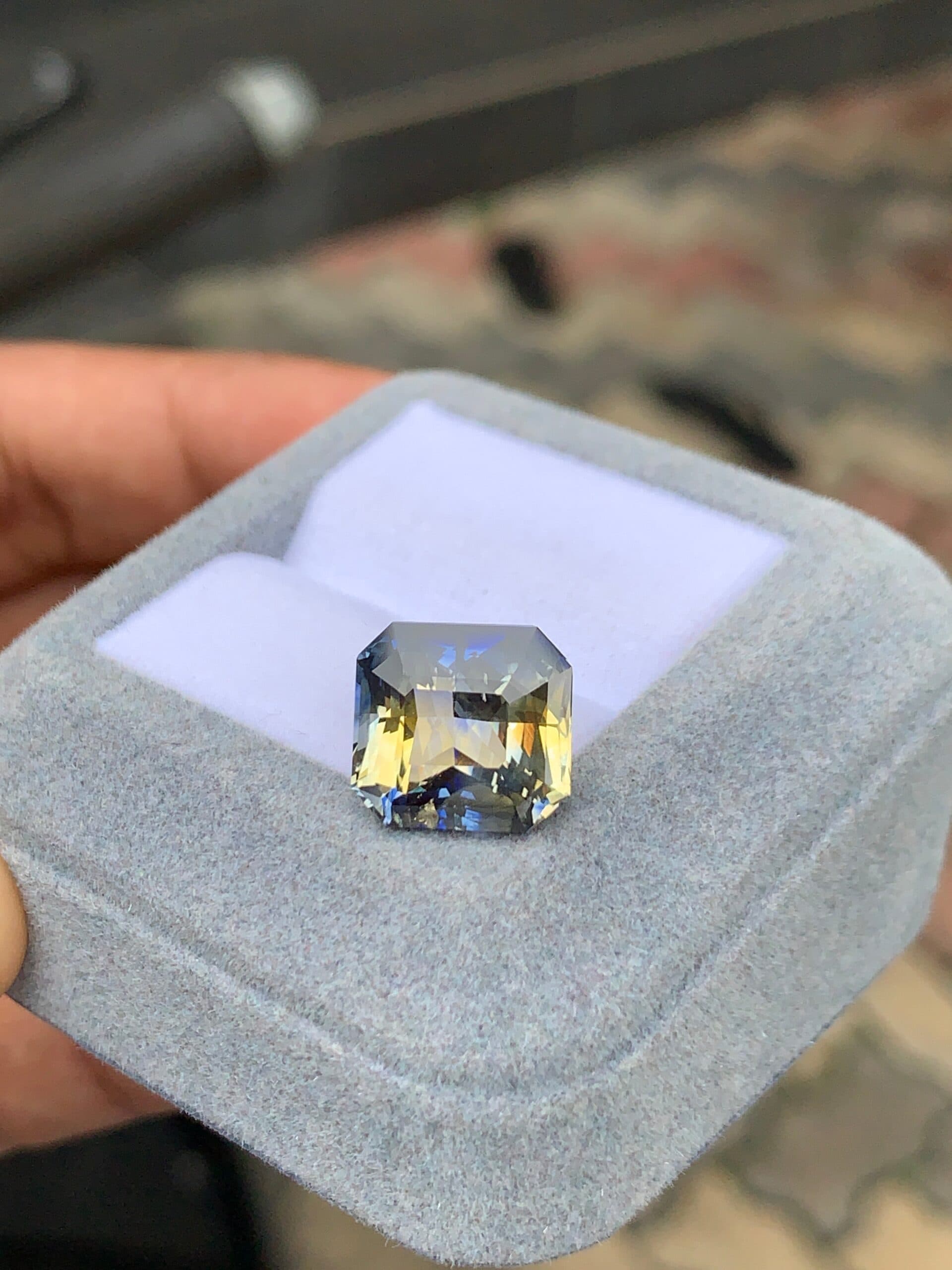
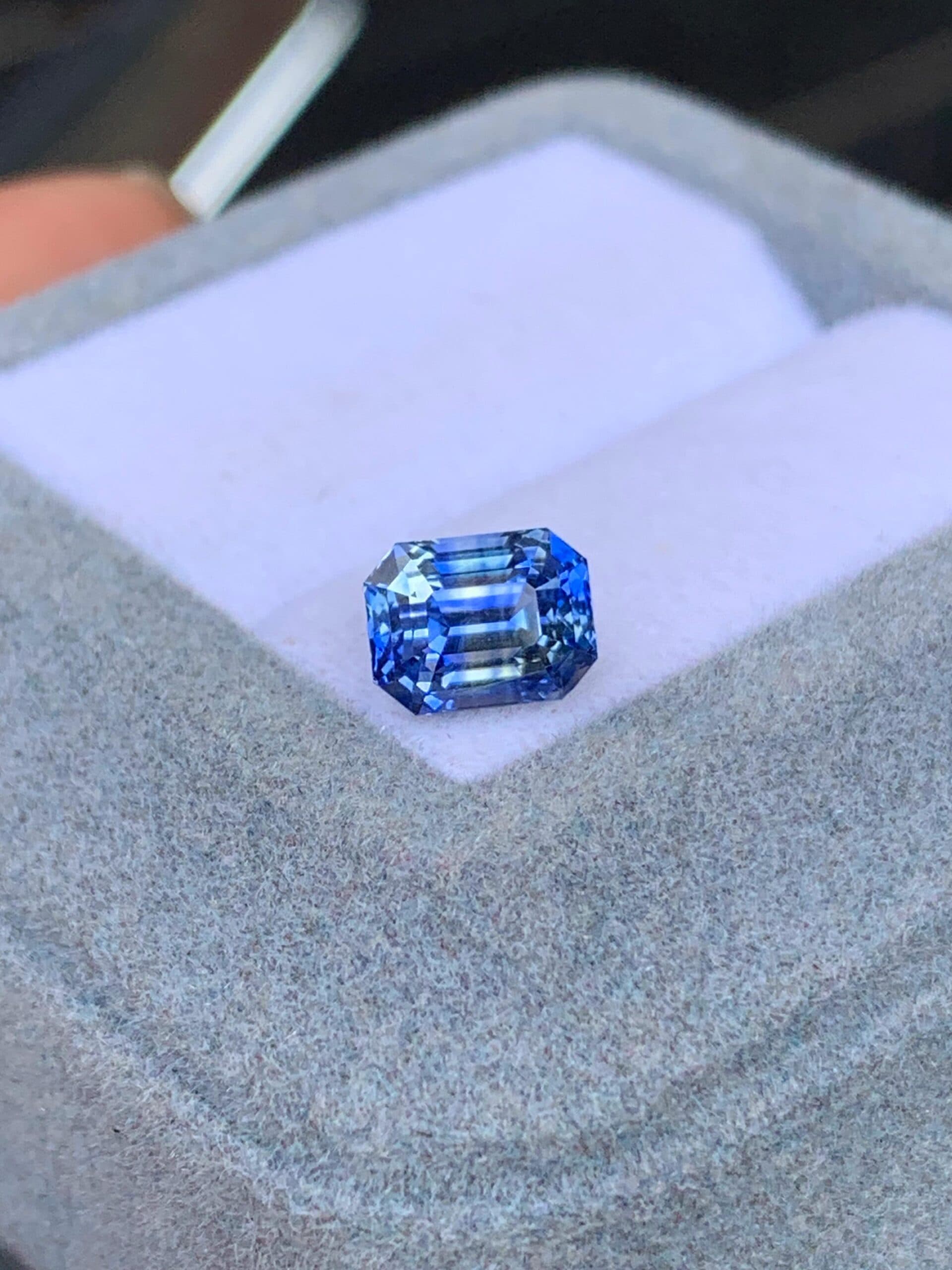
A bicolour sapphire is a sapphire that displays two distinct colours within a single stone. This characteristic stems from chemical variations during crystallisation. The stone shows clearly separated colour zones or soft transitions between hues. Every bicolour sapphire is therefore unique. The most sought-after combinations pair blue with yellow, pink with orange, or blue with violet.
A sapphire's colour depends on the trace elements present in its crystal structure. As the crystal grows, these elements can vary. The stone then develops zones of differing composition, each producing its own hue. Iron yields yellow, chromium yields pink, and iron combined with titanium yields blue. The layering of these zones accounts for the characteristic bicolour effect.
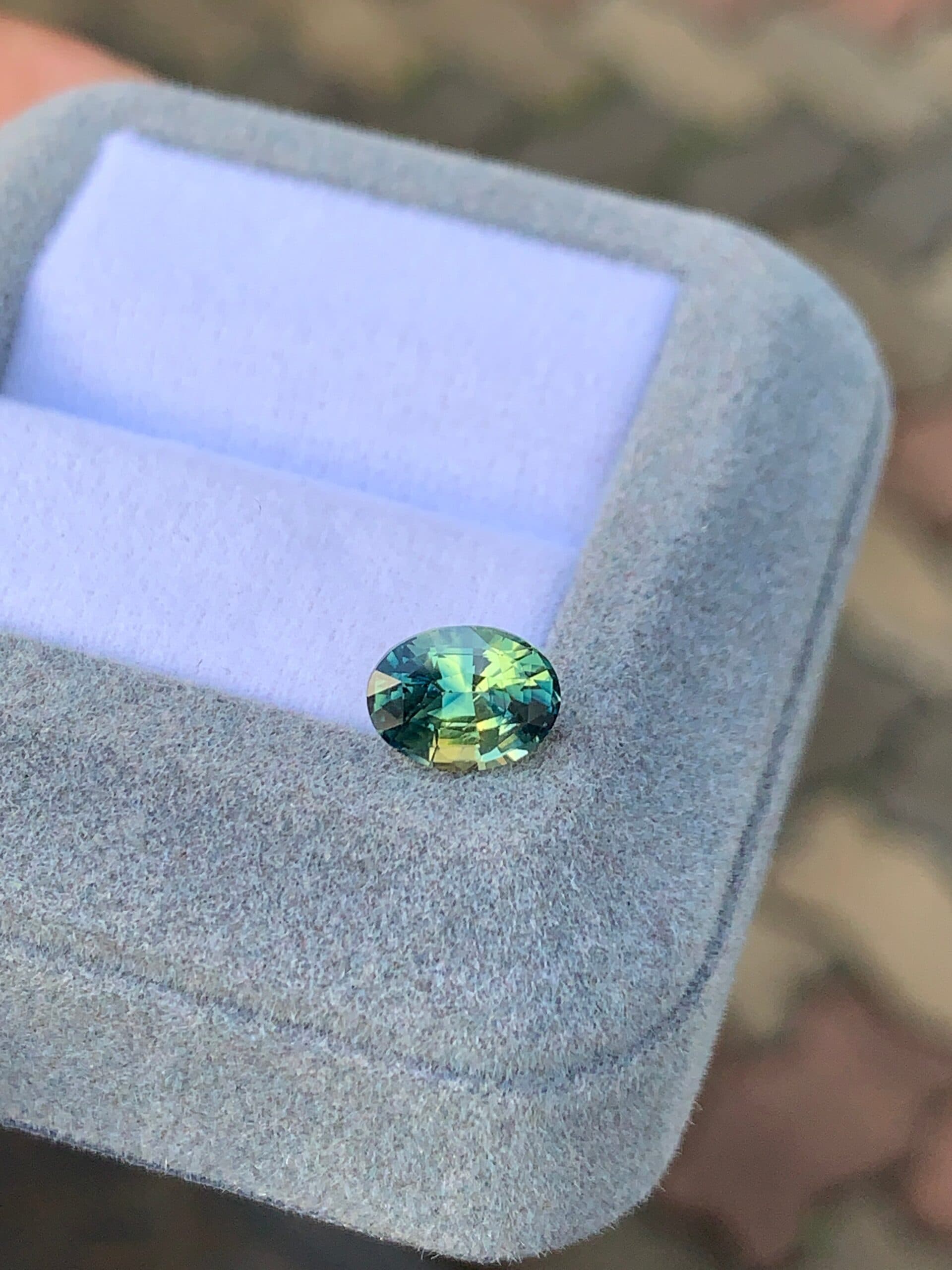
Several combinations occur in bicolour sapphires. Blue and yellow is one of the most prized for its vivid contrast. Pink and orange echoes the tones of a padparadscha sapphire, without meeting its strict criteria. Blue and violet creates mysterious, deep gradients. Green and blue evokes the nuances of a teal sapphire. More rarely, tricolour sapphires with three distinct hues can be found.
Bicolour sapphires originate primarily from the same sources as other sapphires. Sri Lanka remains the leading origin for the purest and most contrasted stones. Madagascar has established itself as the world's second major source, offering a wide range of combinations. Tanzania and Australia round out the supply. At Bonnot Paris, we source our bicolour sapphires directly through our office in Sri Lanka.
The price of a bicolour sapphire depends on the colour combination, clarity, and contrast between zones. Expect €500 to €1,500 per carat for average quality (1 carat). Stones with sharply defined, well-contrasted colour zones reach €2,000 to €5,000 per carat. Exceptional bicolour sapphires with vivid, clearly delineated colours can exceed €8,000 per carat. The unique nature of each stone has a significant influence on the final price.
Yes, bicolour sapphires are among the least common varieties on the market. Nature rarely produces these precise, well-defined chromatic zones. Most sapphires display a uniform dominant colour. True bicolour stones with marked contrast account for less than 5% of global production. This rarity explains the growing interest from collectors and enthusiasts of distinctive gemstones.
Yes, it is a bold and singular choice. A bicolour sapphire offers the same hardness of 9 on the Mohs scale as other sapphires. It withstands everyday wear perfectly and requires no protective setting. Its dual hue evokes union, duality and complementarity — a powerful symbol for a marriage proposal. It is also a choice that departs radically from classic conventions. As every stone is unique, your ring will be too.
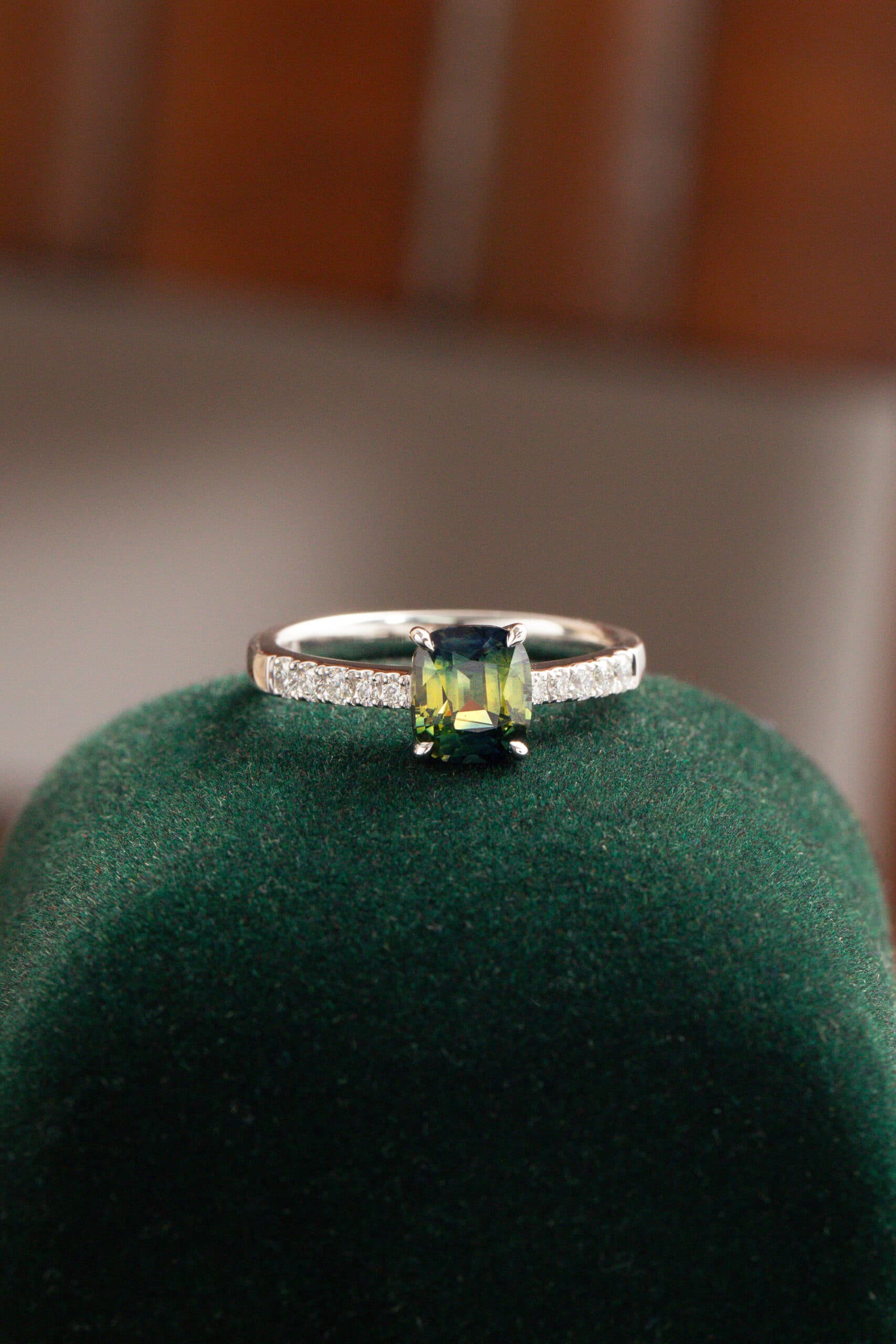
The choice of cut is essential to doing justice to a bicolour sapphire. The rectangular emerald cut highlights chromatic zoning particularly well. The cushion cut delivers a softer, more romantic result. The oval cut brings out the depth of both hues. For the setting, favour a mount that does not interfere with the reading of the colours. White gold or platinum remain the most neutral choices. Yellow or rose gold creates a chromatic dialogue with the stone.