Configure your ring
With Studio Bonnot, become the architect of your dream ring
Start creating
Bonnot Paris
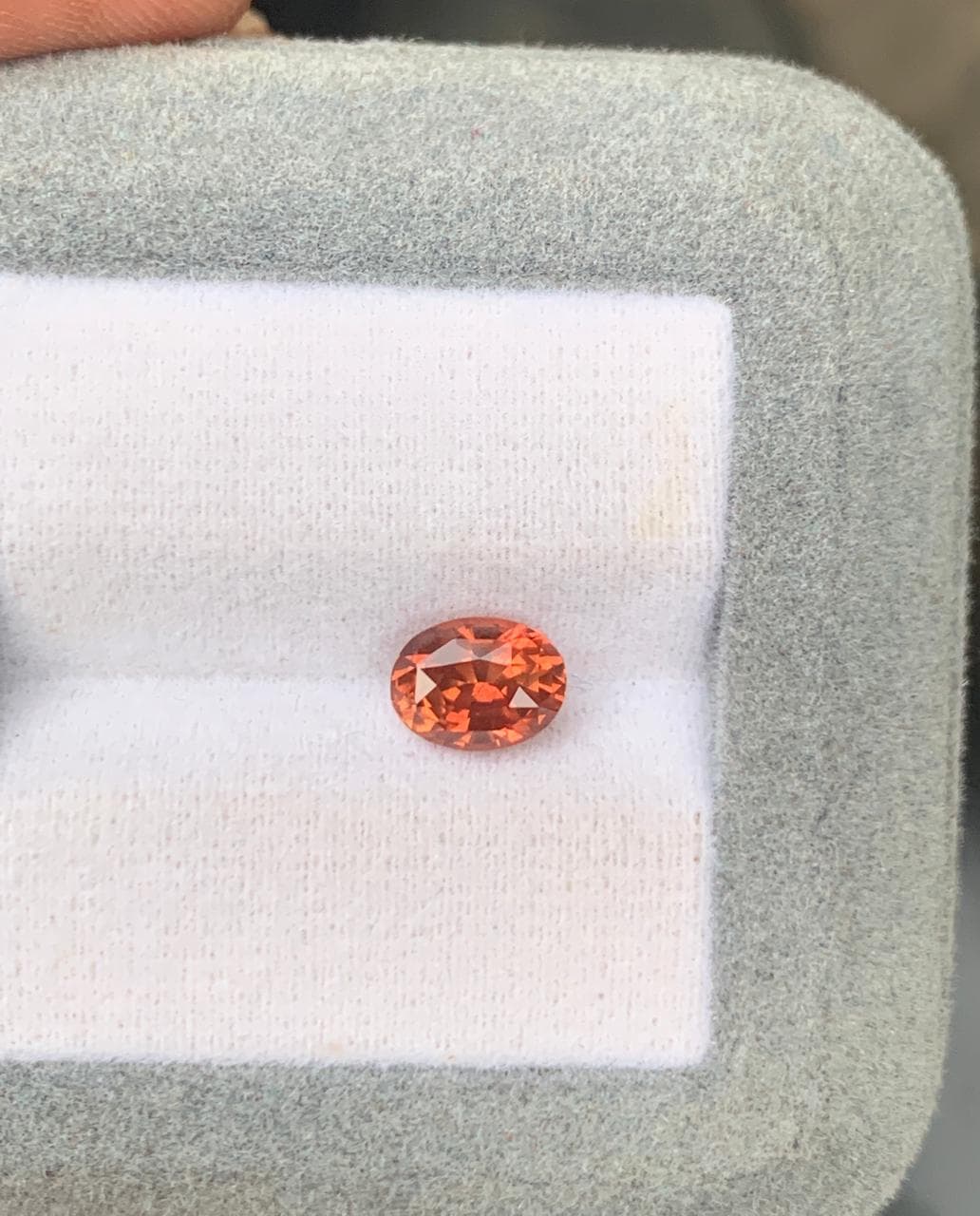
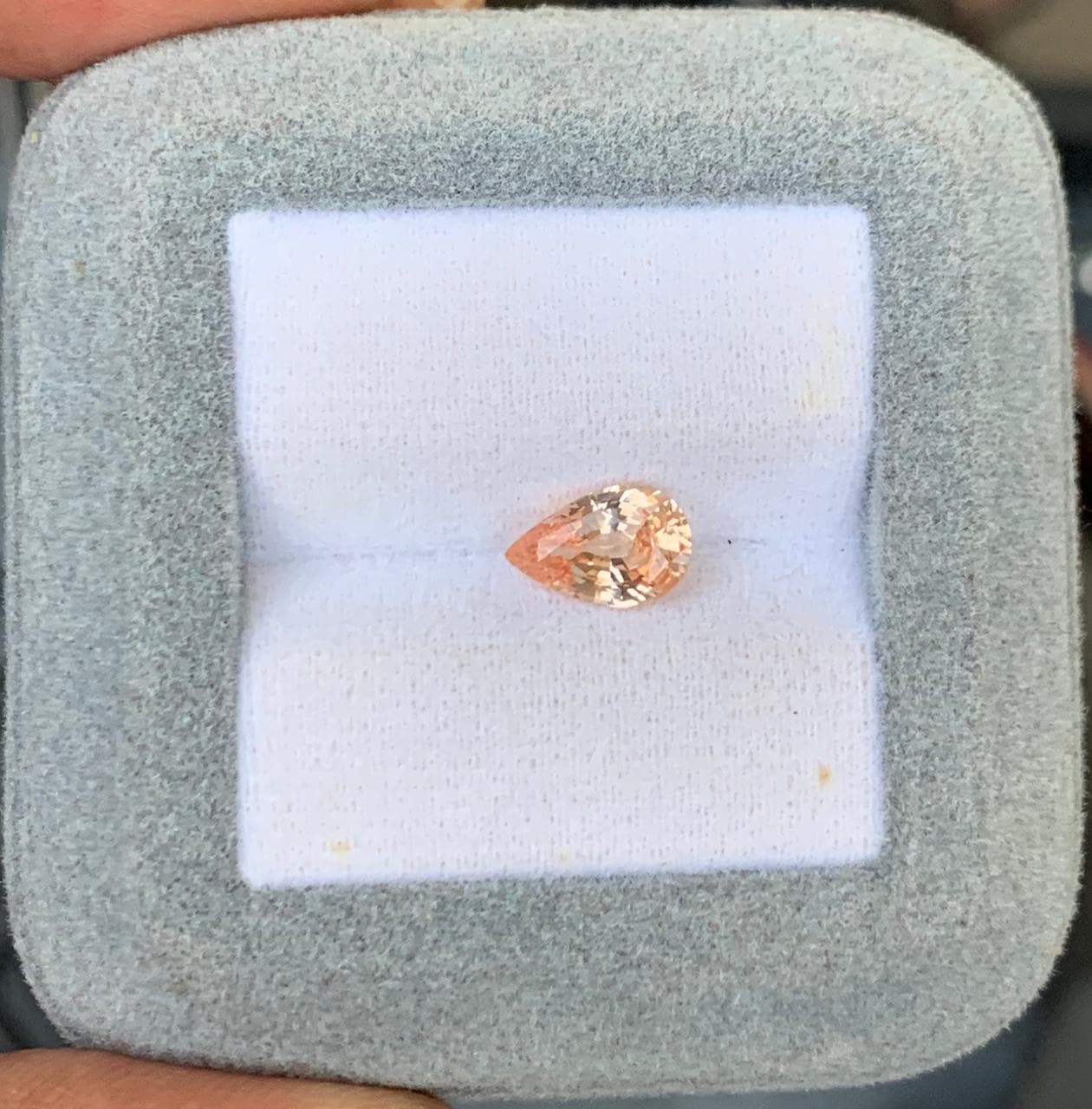
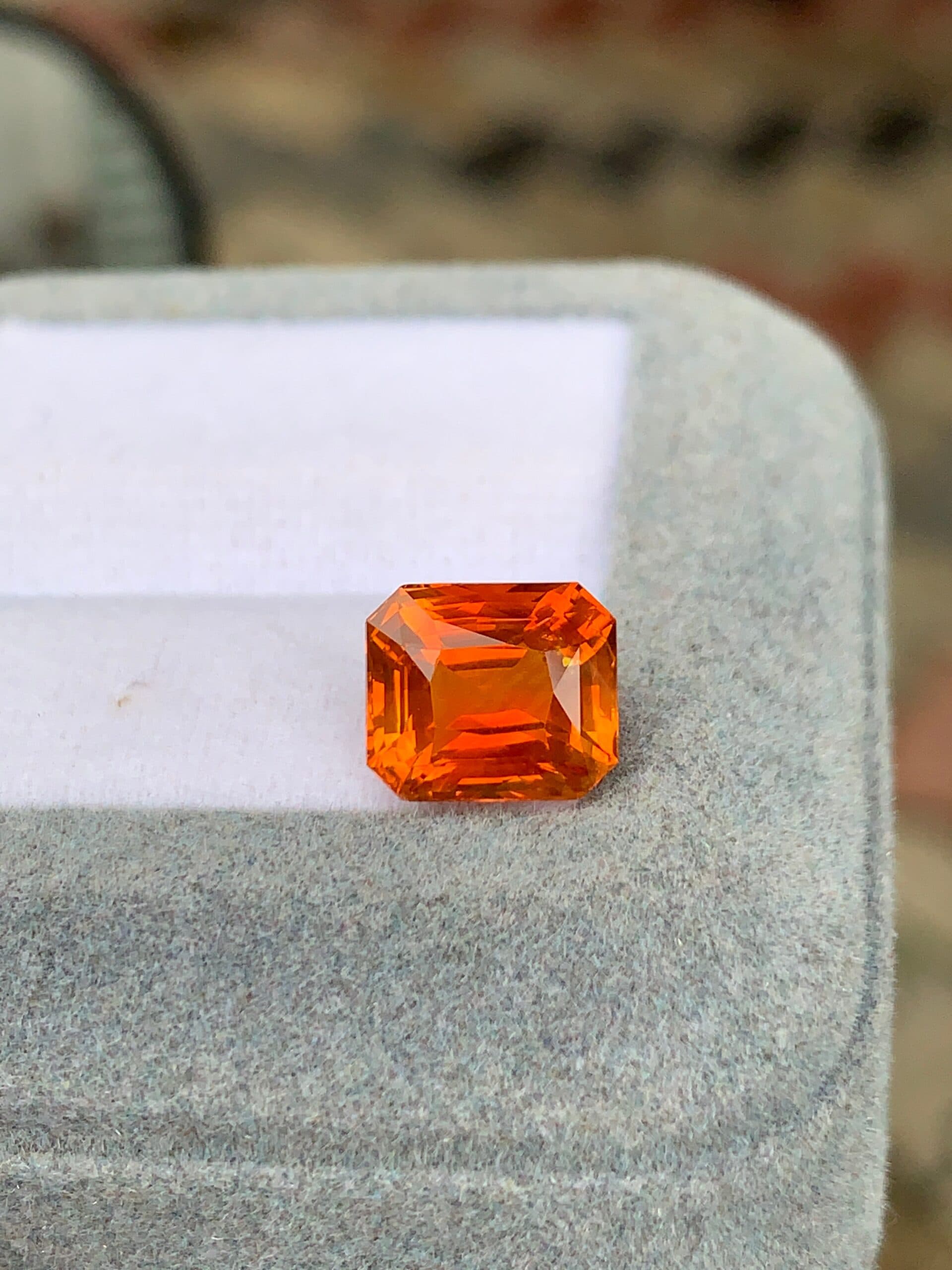
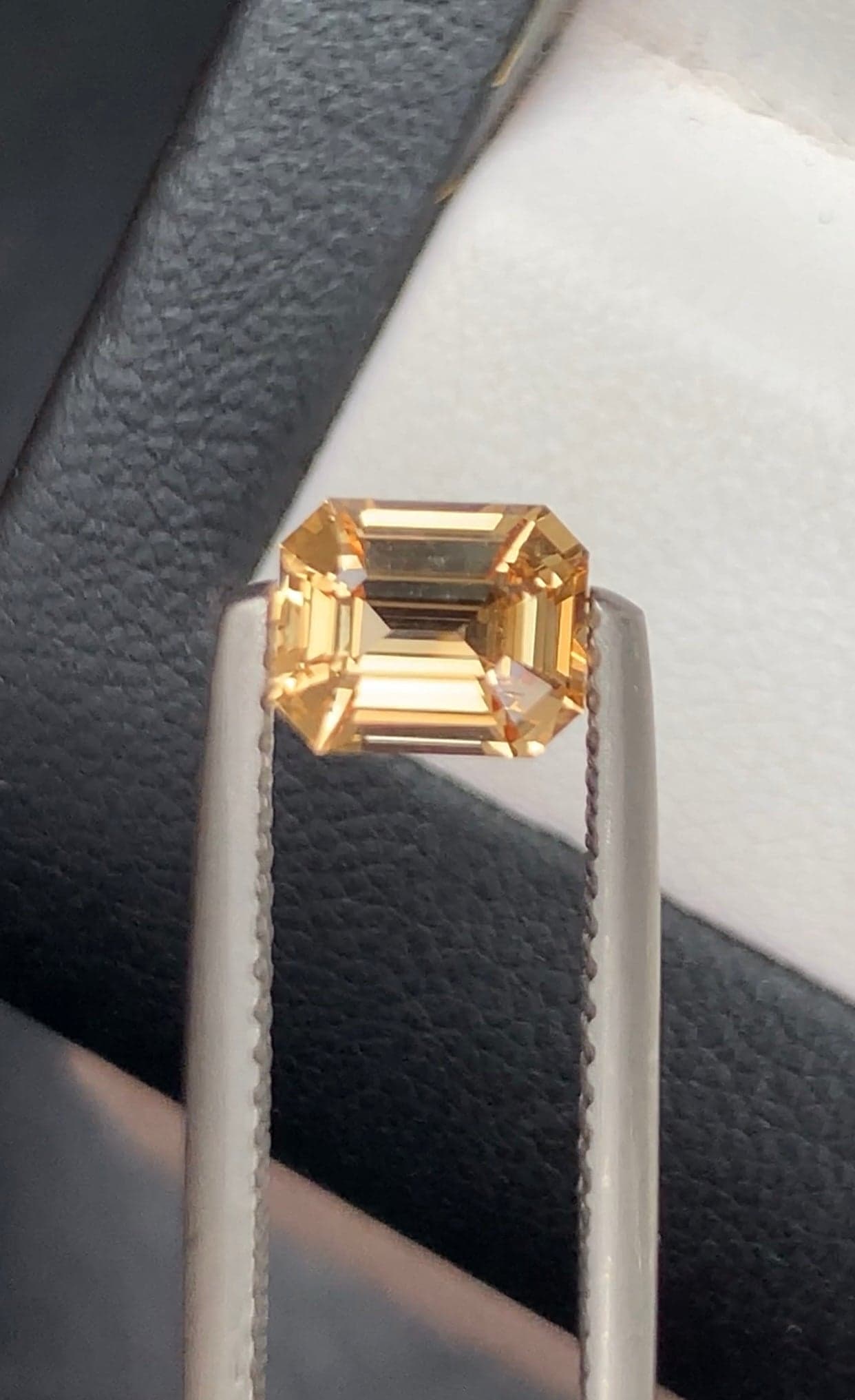
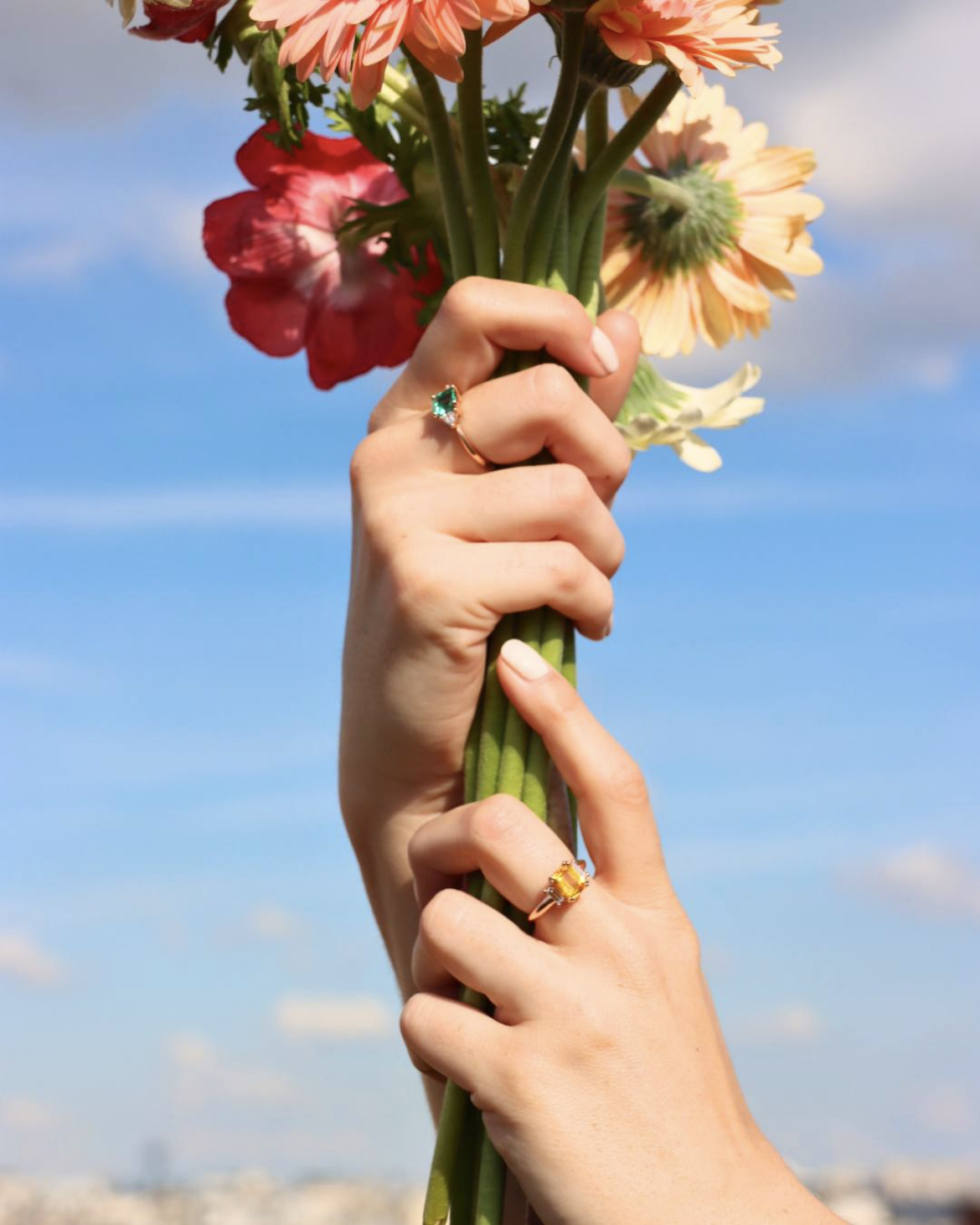
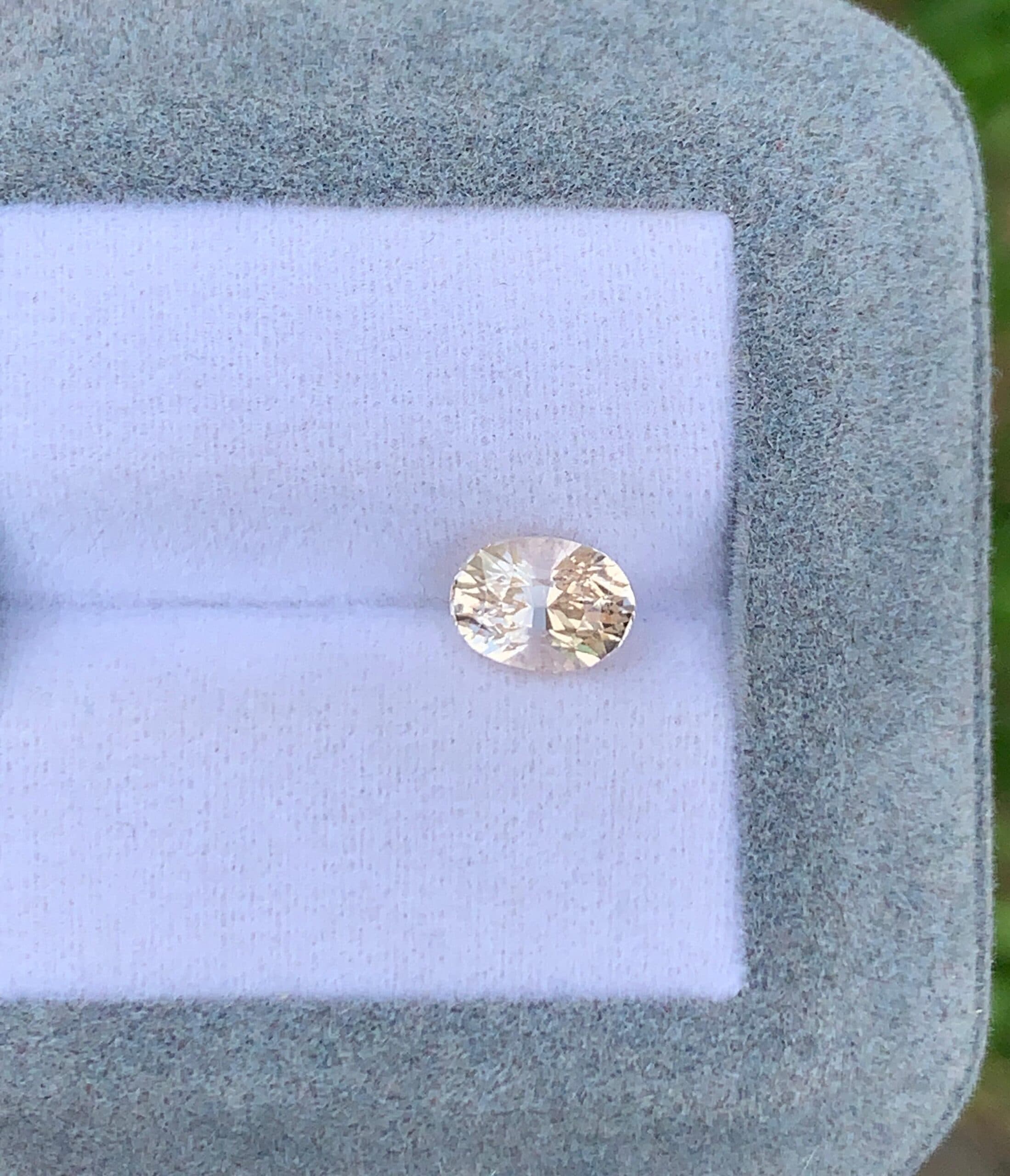
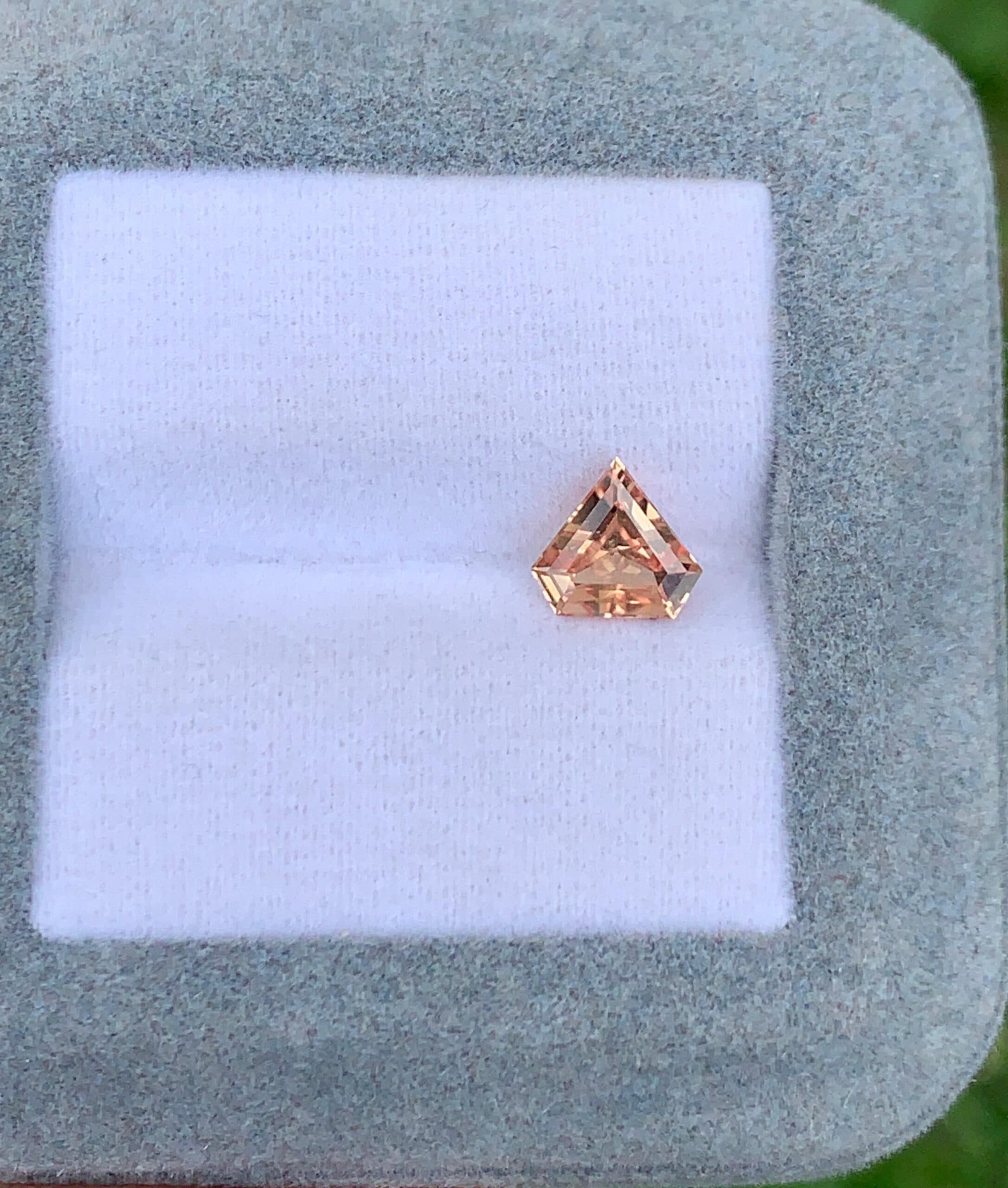
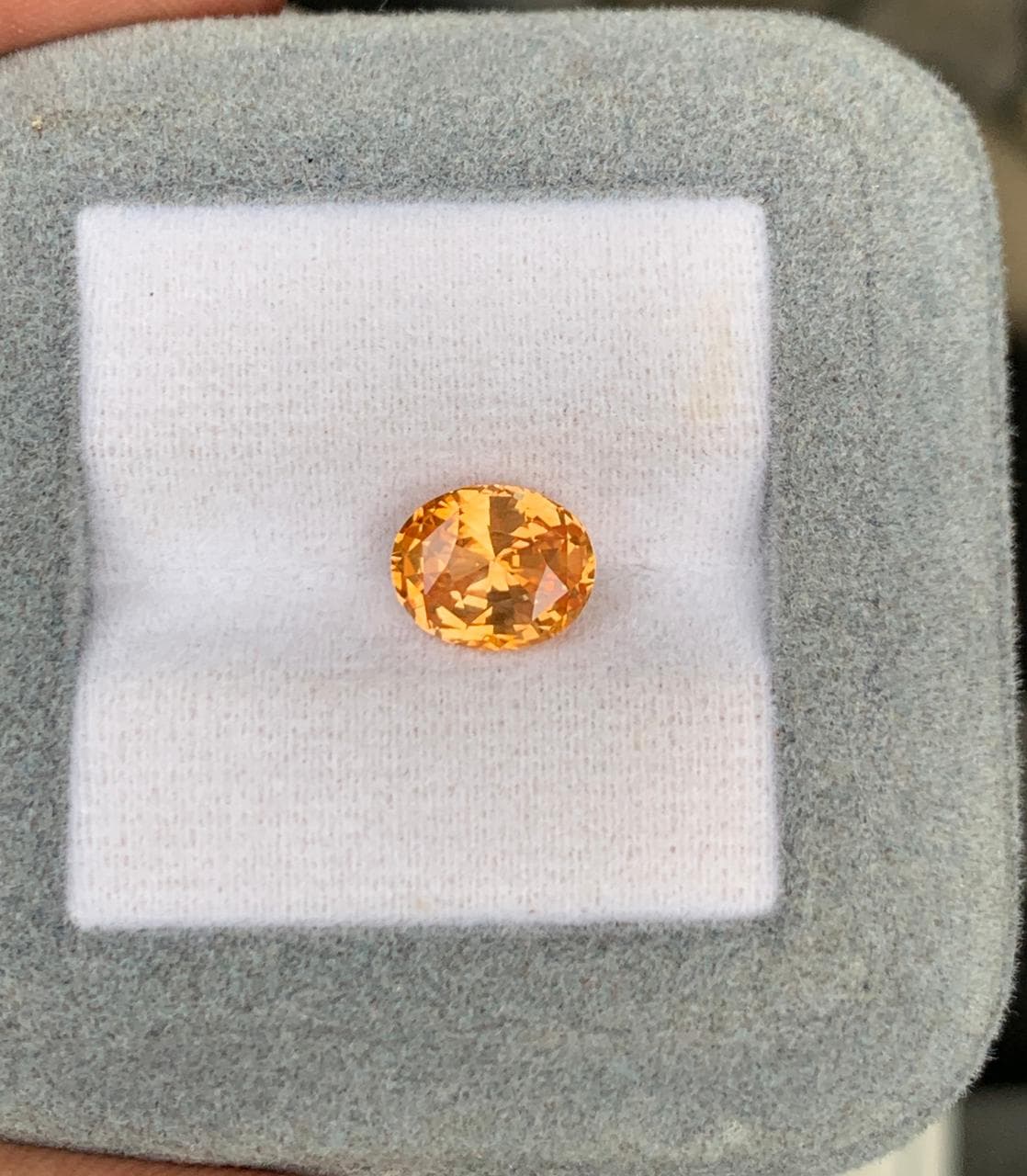
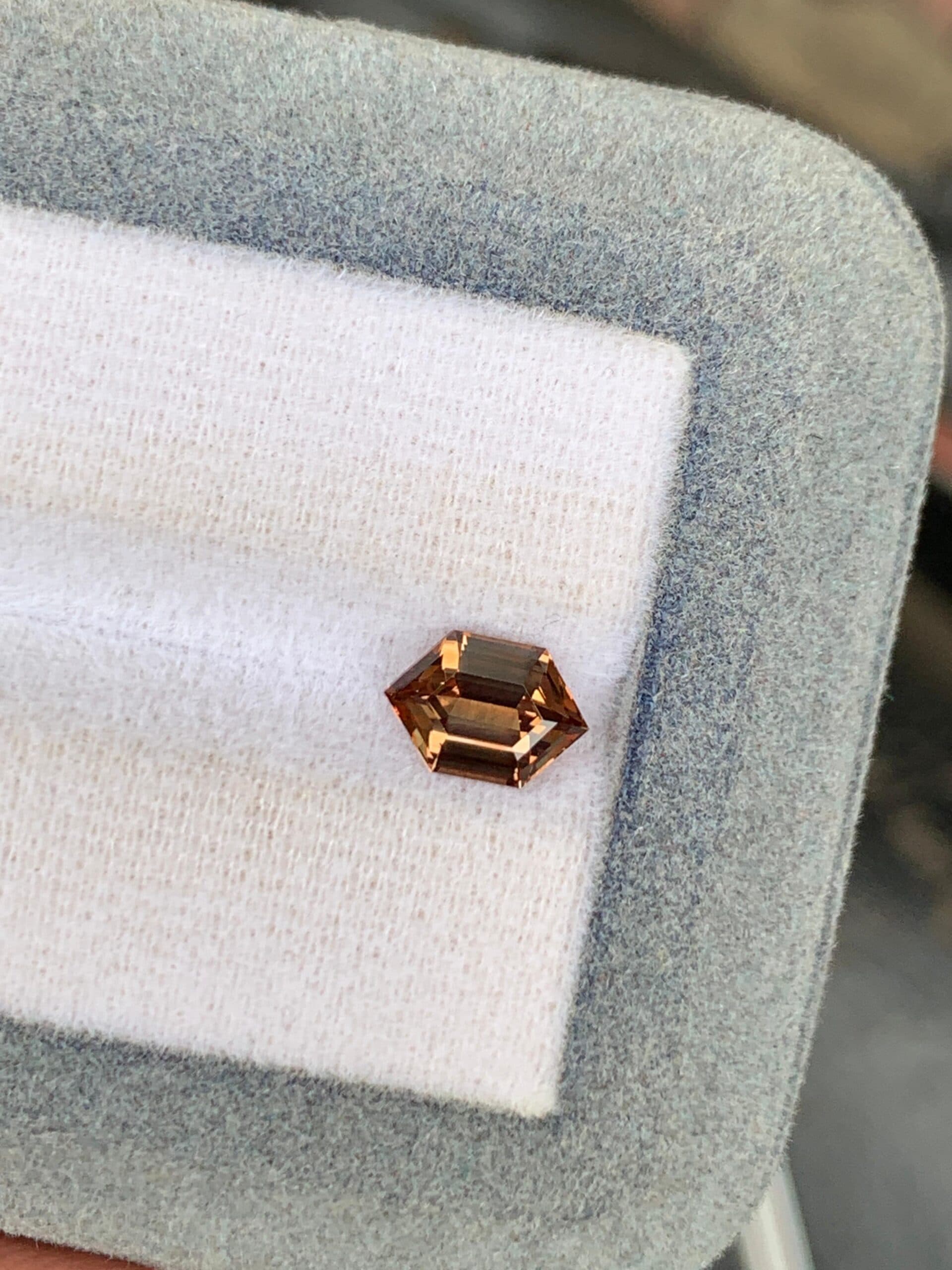
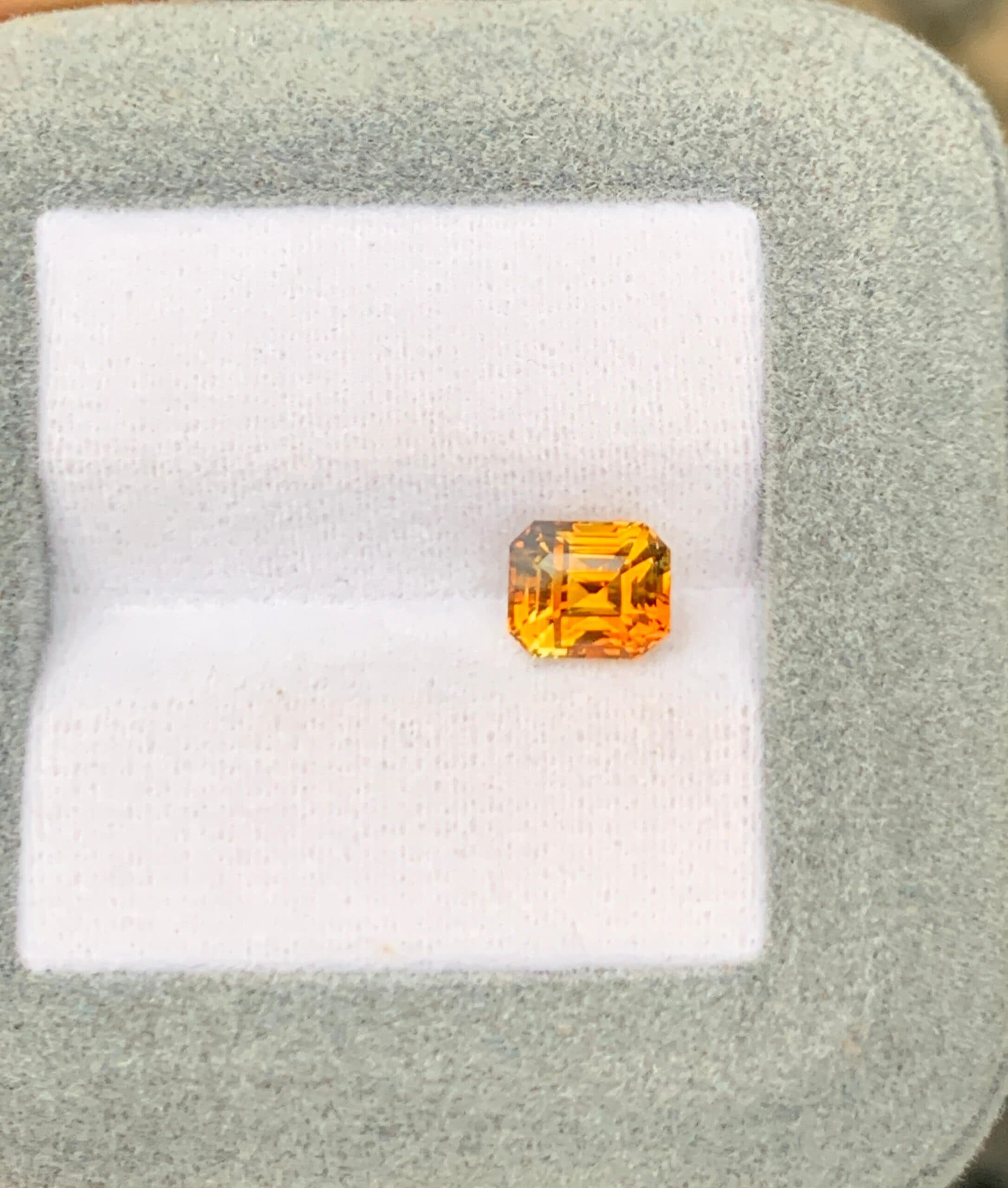
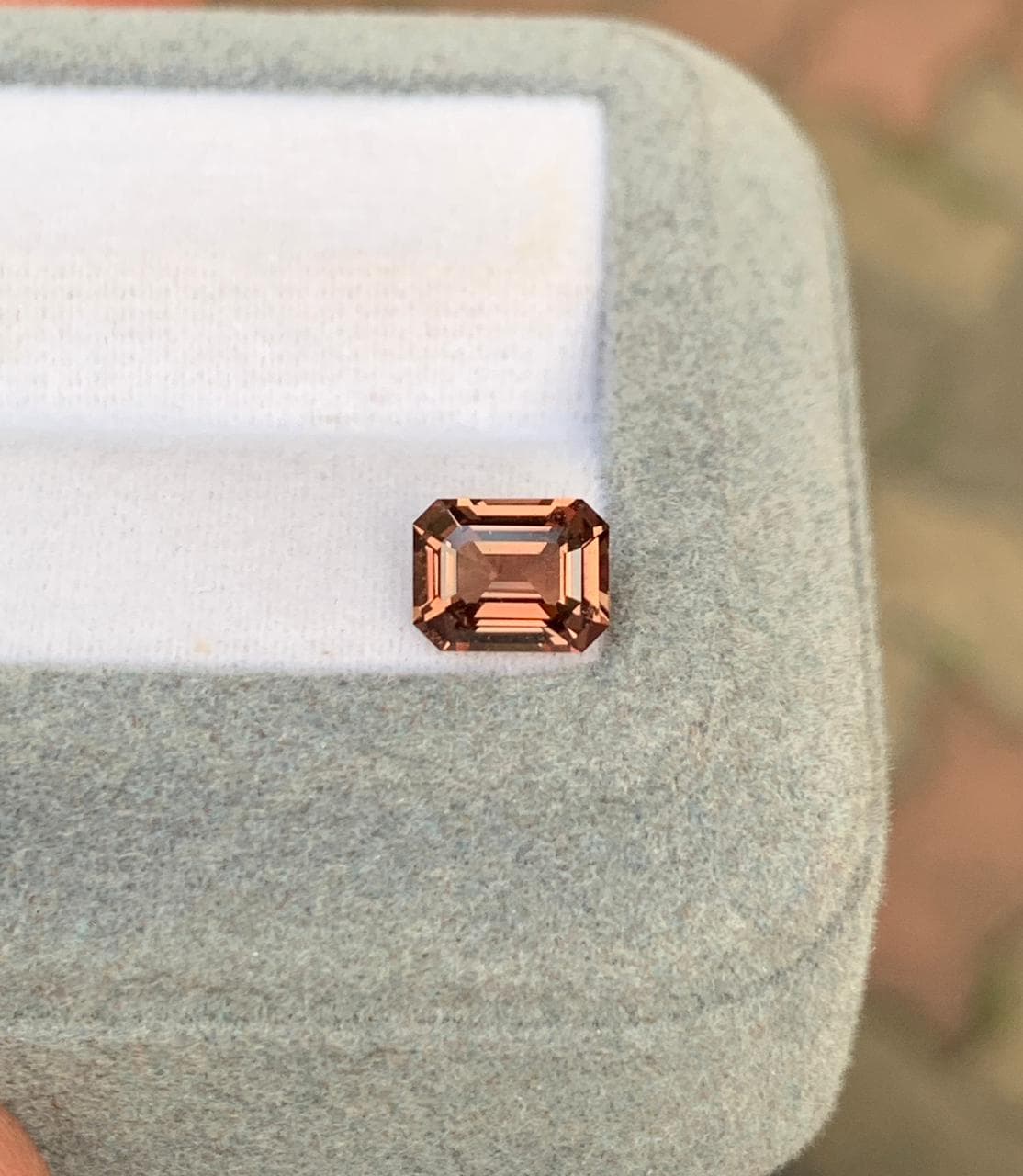
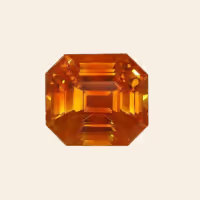
The orange sapphire is pure concentrated sunshine: from vivid tangerine to fiery orange, it is one of the rarest shades in the sapphire family — a symbol of creativity and boldness. With a hardness of 9/10, it holds up…
The Bonnot atelier
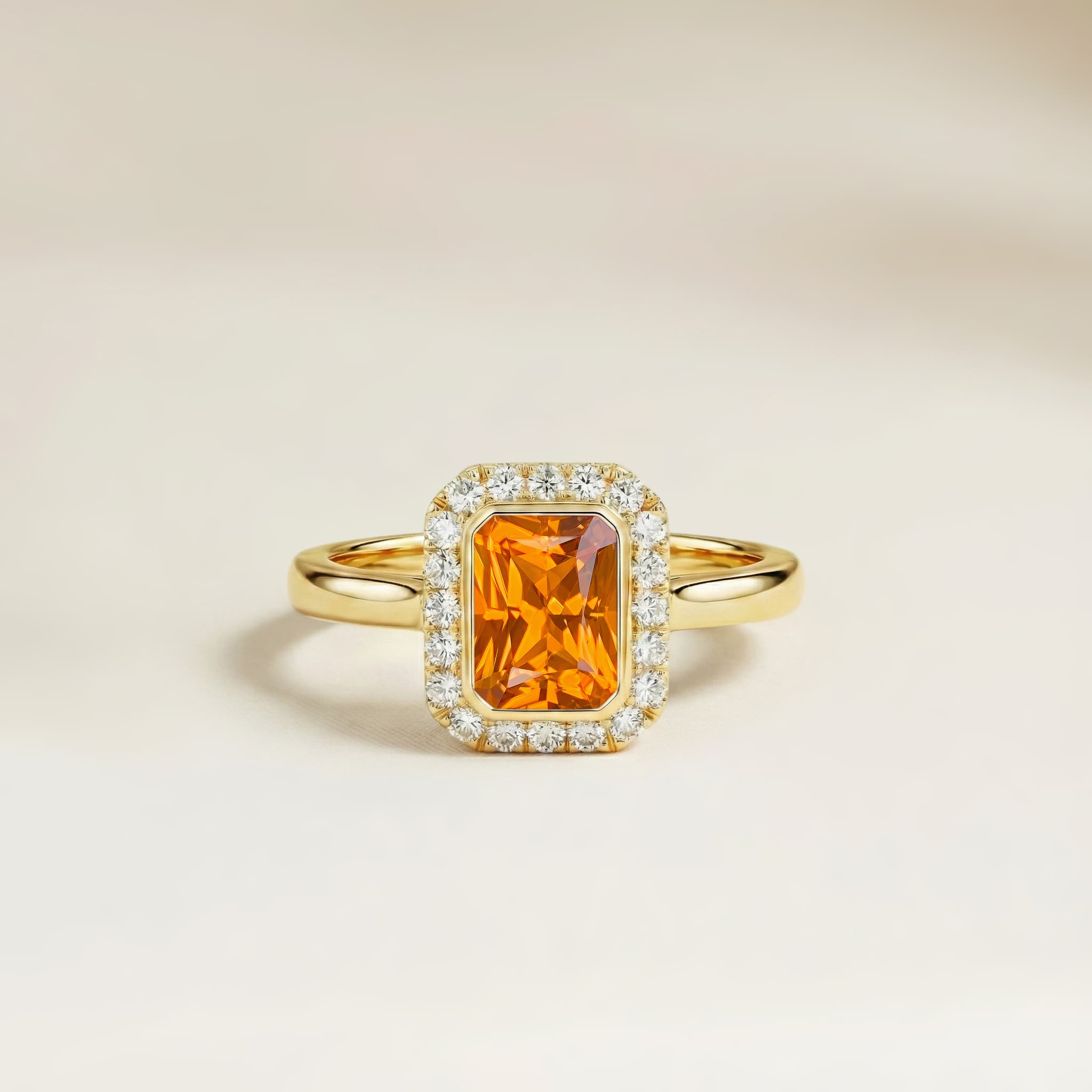
Every stone in this collection can be set in Paris on 18k gold, designed with you.
All sapphire engagement rings · Create an engagement ring with this sapphire
TRAVEL DIARY
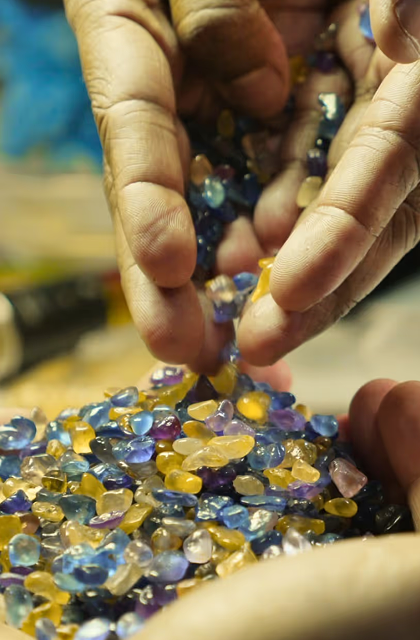
François joins the miners of Ratnapura who unearth the sapphires you see on this page.
Explore
5/5
Excellent
5/5

Sophie Vincent
7 months ago
J'ai contacté la bijouterie Bonnot car je souhaitais un saphir Padparadscha, qui est assez rare. Toute la transaction a été faite à distance et s'est très bien passée. Ils sont très professionnels, à l'écoute et très sympathiques. J'ai reçu ma bague et elle correspond tout à fait à ma demande. Merci beaucoup 😋
5/5

Célia Gastel
6 months ago
L'adresse parfaite ! Bastien a été très à l'écoute, très bonne communication et très réactif ! Et leurs pierres sont superbes
5/5

Pn Ph
6 months ago
Excellente expérience avec Bastien pour la conception de notre bague de fiançailles sur mesure. Il a été disponible, les échanges ont été fluides et efficaces. La conception de la bague a été rapide, elle est magnifique et correspond exactement à ce que nous voulions. Nous recommandons fortement Bonnot pour son expertise, mais aussi son sens de l'écoute.
5/5

JFL lancelier
6 months ago
Très professionnels.un service impeccable une belle offre de bijoux de très grande qualité
5/5

Alan Cormand
6 months ago
J’ai récemment commencé une collection de pierres précieuses et je suis vraiment impressionné par la qualité. Les pierres sont magnifiques, bien taillées et correspondent parfaitement à la description. En plus, la livraison a été très rapide. Je recommande sans hésitation !
5/5

Alex
6 months ago
Une très belle maison qui allie savoir-faire et excellence du service. L’expérience client est fluide, rapide et d’une grande transparence. Merci à Bonnot Joaillerie pour cet accompagnement de qualité.
5/5

Christine Petit
6 months ago
Bastien est à la fois très sympathique et très professionnel. J'ai été très bien reçue, le contact et la communication sont faciles. J'ai fait transformer une marguerite en bague plus moderne et je suis ravie du résultat.
5/5

marielle frances
6 months ago
Une très belle rencontre autour d'une belle Pierre, merci à Bastien et François pour leur accueil! A très bientôt pour l'achat de nouvelles pierres!
5/5

Yac ine
5 months ago
Professionnels, réactifs et sympathiques, je recommande.

Exceptional precious stones at fair and transparent prices

Our unique gemstones reflect the purity and elegance of nature

Exclusively by renowned independent laboratories
Exceptional sourcing
At Bonnot Paris, every stone is selected for its rarity, clarity and ethical provenance, ensuring full traceability, exceptional quality and fair pricing.
Orange sapphires come primarily from three countries. Sri Lanka remains the benchmark for vivid, luminous hues. Madagascar has established itself since the 1990s as the world's second major source. Tanzania also produces fine orange sapphires with intense colour. At Bonnot Paris, we source our orange sapphires directly through our office in Sri Lanka.
Price depends on four factors: colour, clarity, treatment and origin. For a good-quality heated orange sapphire of around 1 carat, expect to pay between €600 and €1,500 per carat. For 2–3 carats of equivalent quality, prices range from €2,000 to €4,000 per carat. An unheated orange sapphire typically commands a 30–50% premium. Pure, intense "mandarin" orange sapphires can exceed €5,000 per carat.
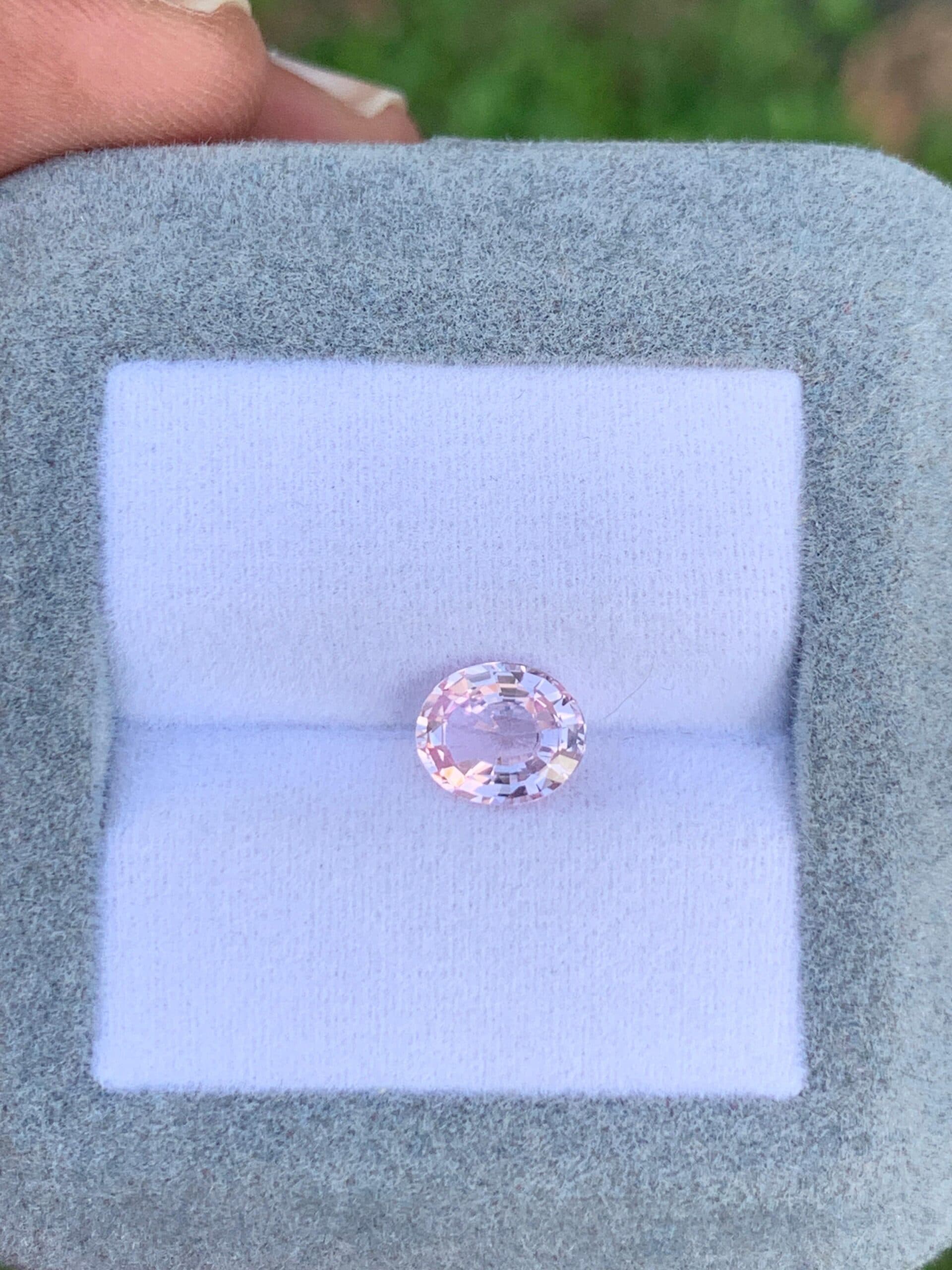
The padparadscha is an ultra-rare variety defined by its characteristic pink-orange hue. Laboratories such as SSEF, GRS and AGL apply very strict chromatic criteria to classify it. A standard orange sapphire displays a dominant orange tone, without the pink component that defines a padparadscha. The padparadscha commands five to ten times the price per carat for equivalent quality and comes almost exclusively from Sri Lanka.
The orange colour comes from combined traces of iron and chromium within the stone's crystal structure. Iron contributes the yellow base tone, while chromium adds pinkish overtones and deepens the overall intensity. The more precise the balance between these two elements, the more the hue shifts towards mandarin or reddish-orange. Some orange sapphires display this colour naturally; others reveal their full hue only after heat treatment at high temperature.
Most orange sapphires on the market undergo heat treatment at high temperature. This traditional process intensifies the colour, is internationally accepted and raises no durability concerns. However, care should be taken regarding beryllium treatment. This more recent method artificially forces an orange hue into colourless or dull sapphires, altering the stone's chemical structure. Bonnot Paris strictly refuses this treatment and never sells beryllium-treated orange sapphires.
Yes, without reservation. The orange sapphire has a hardness of 9 on the Mohs scale, equal to that of blue sapphire and ruby. It withstands everyday wear with ease and requires no protective setting style. Its radiant colour evokes energy, passion and creativity — a bold statement for a marriage proposal. It makes a warm and distinctive alternative to a white diamond or classic blue sapphire.
Orange sapphire pairs particularly well with yellow gold. This metal echoes the stone's warmth and creates a sunny, radiant effect. Rose gold amplifies the pink-orange dimension for a more romantic result. White gold and platinum create a striking contrast, offering a more contemporary look that lets the stone's colour take centre stage. Ultimately, the choice comes down to personal temperament: warmth with yellow gold, contrast with white gold.
The orange sapphire carries a strong and uplifting symbolism. In India, it represents vitality, creative energy and courage, with the orange colour evoking sacred fire and transformation. In the West, it symbolises passion, joie de vivre and boldness. Its luminous colour makes it an ideal stone for celebrating an ambitious venture or a passionate commitment. It also lends itself beautifully to new beginnings, offering a warm and spirited alternative to the classic blue sapphire.