Configure your ring
With Studio Bonnot, become the architect of your dream ring
Start creating
Bonnot Paris
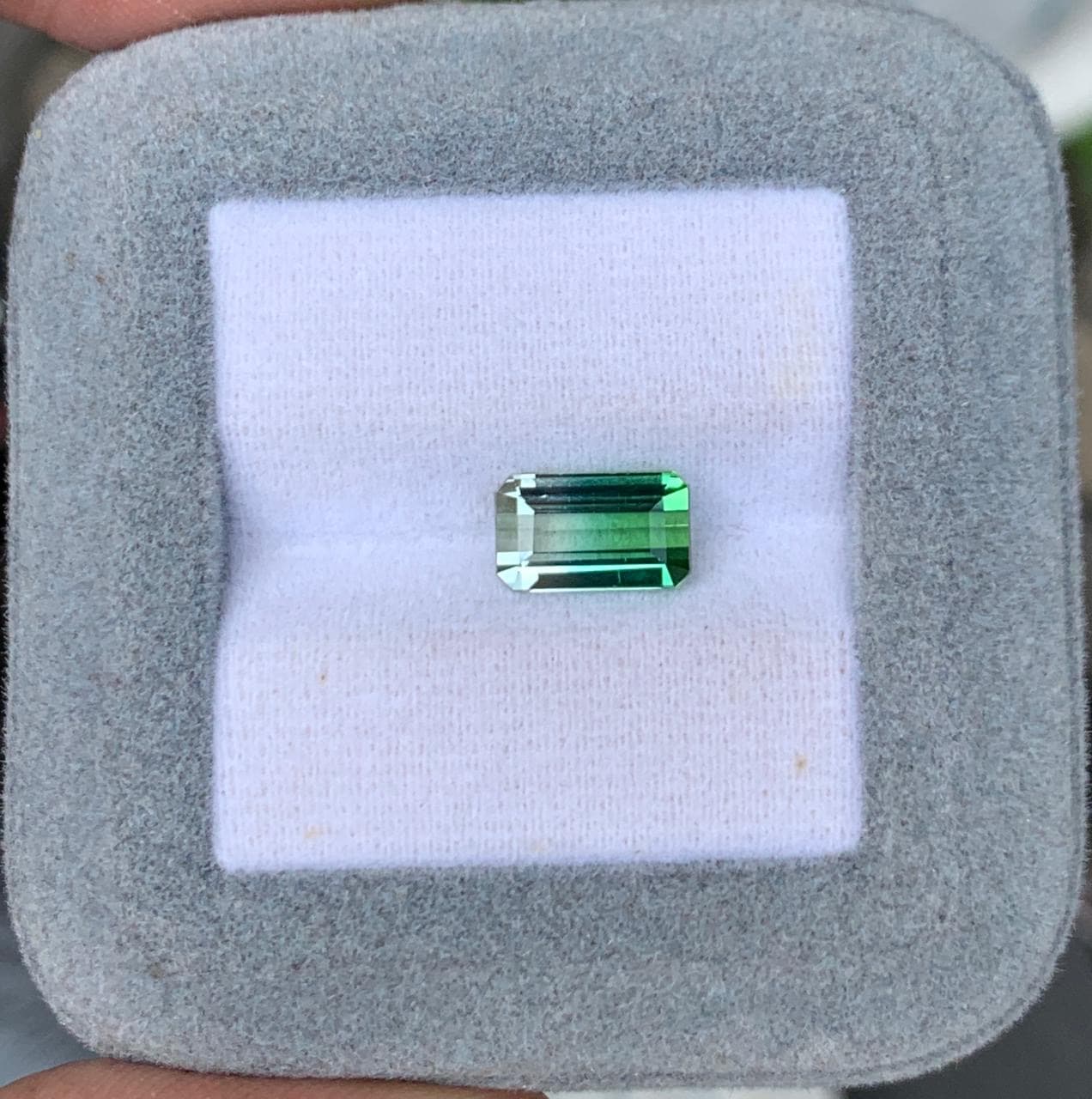
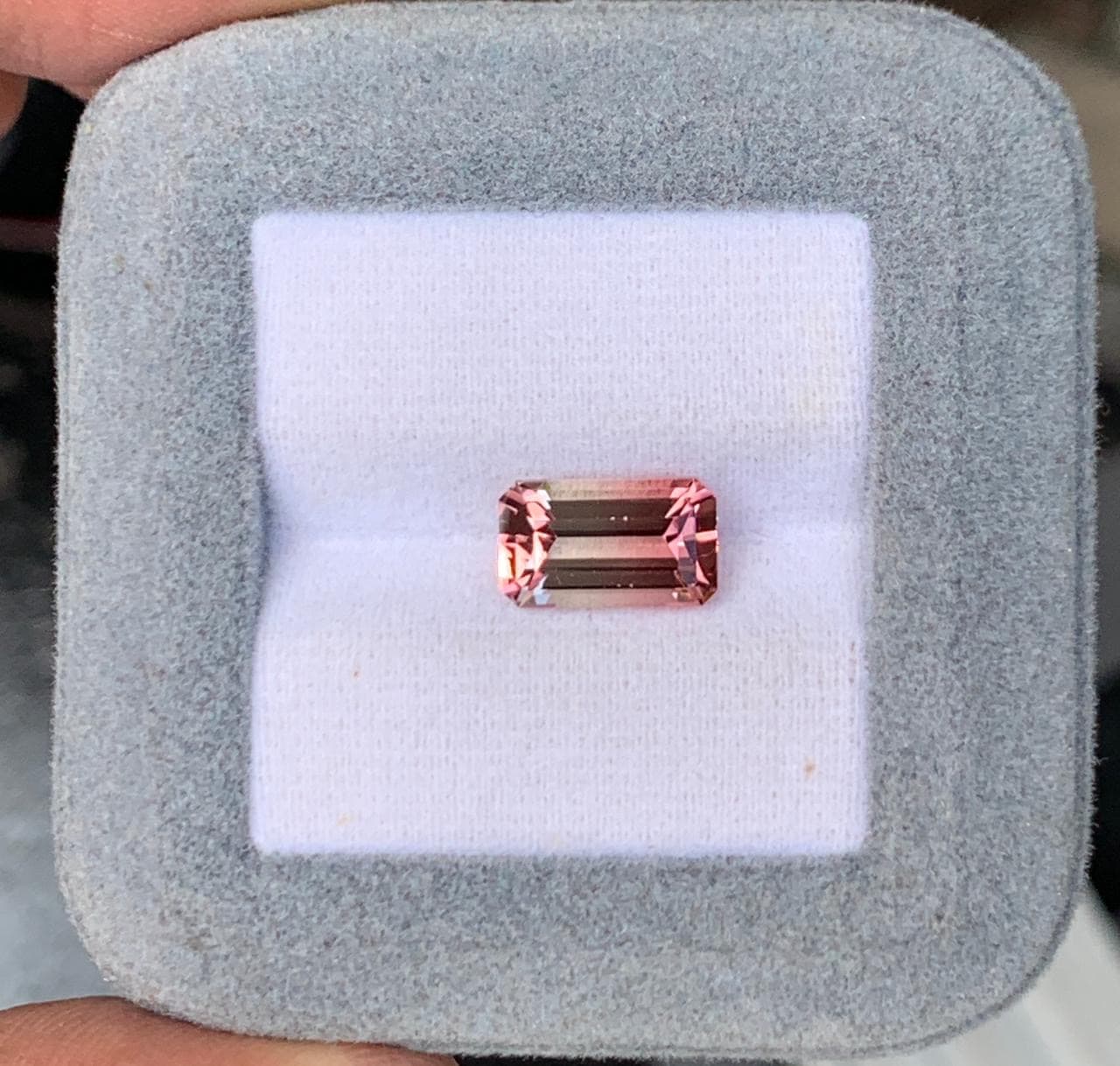
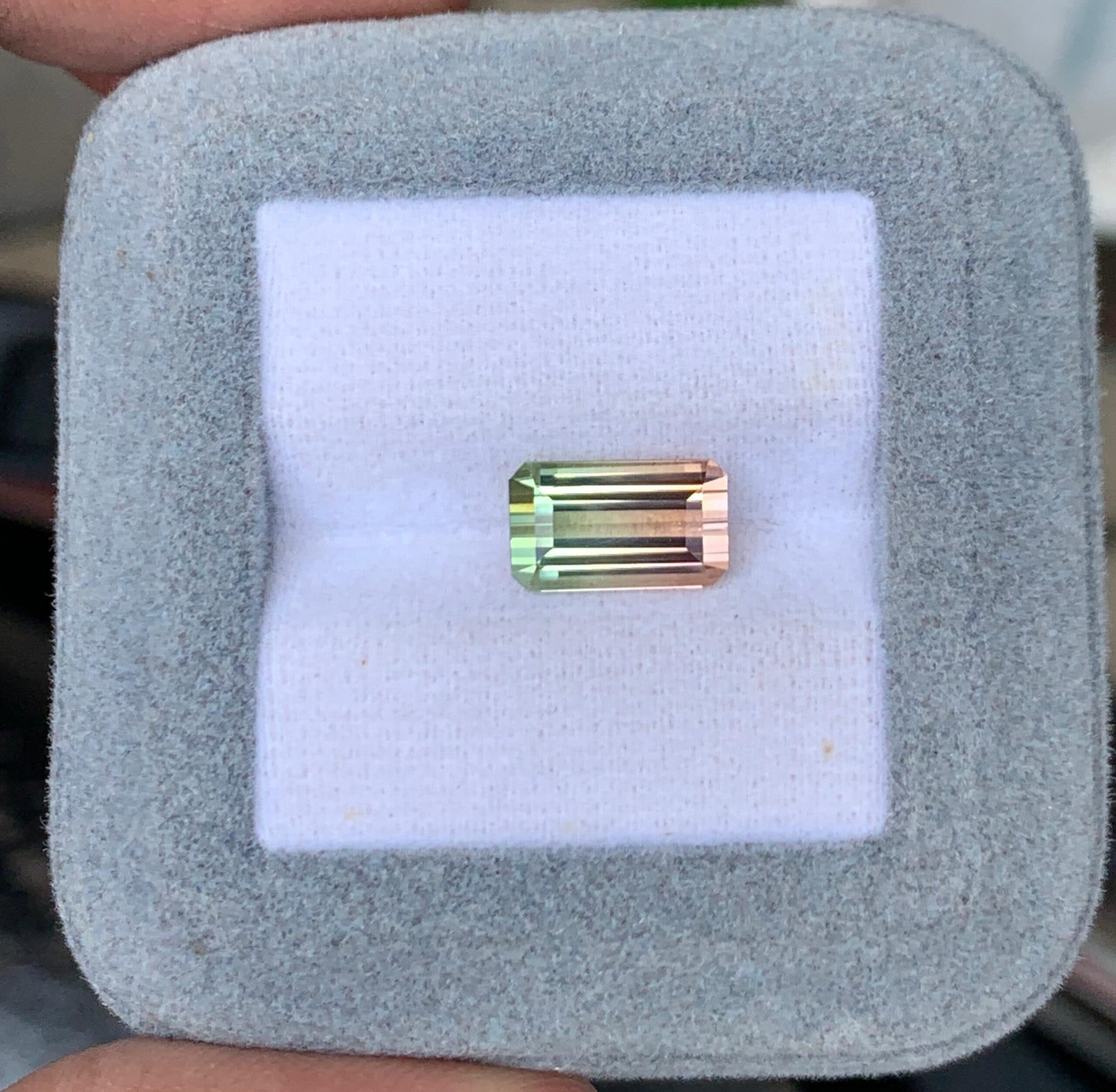
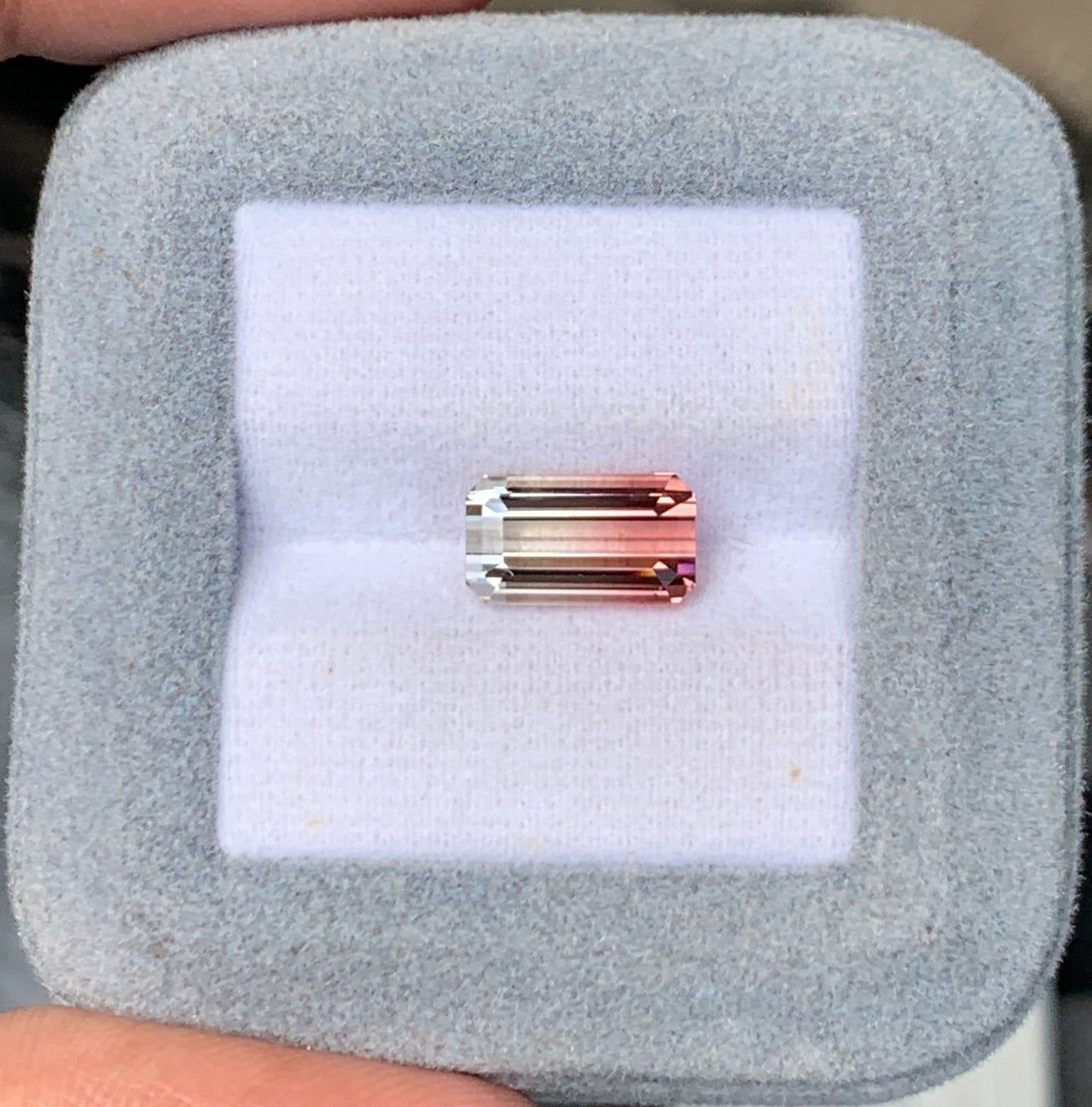
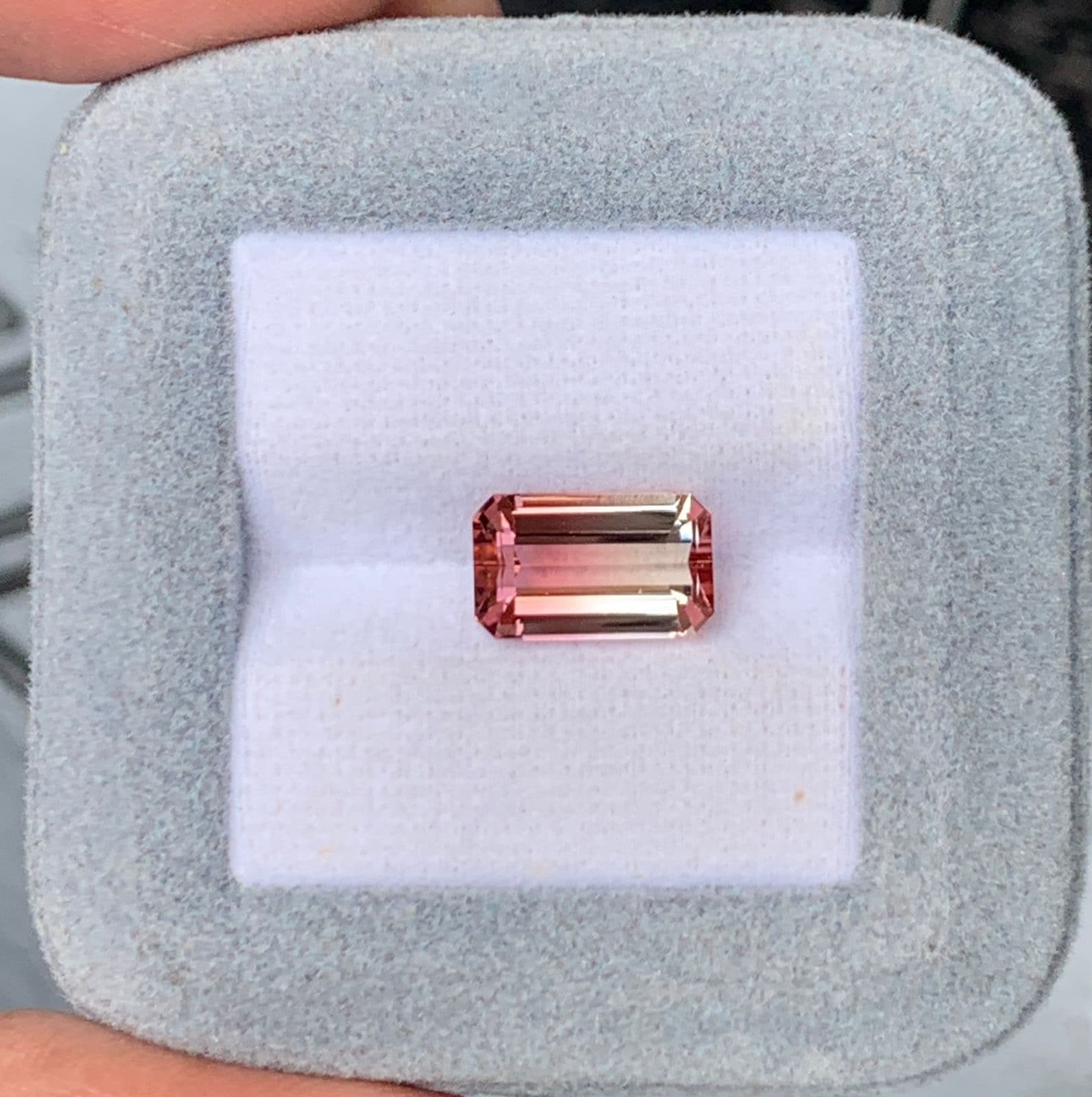
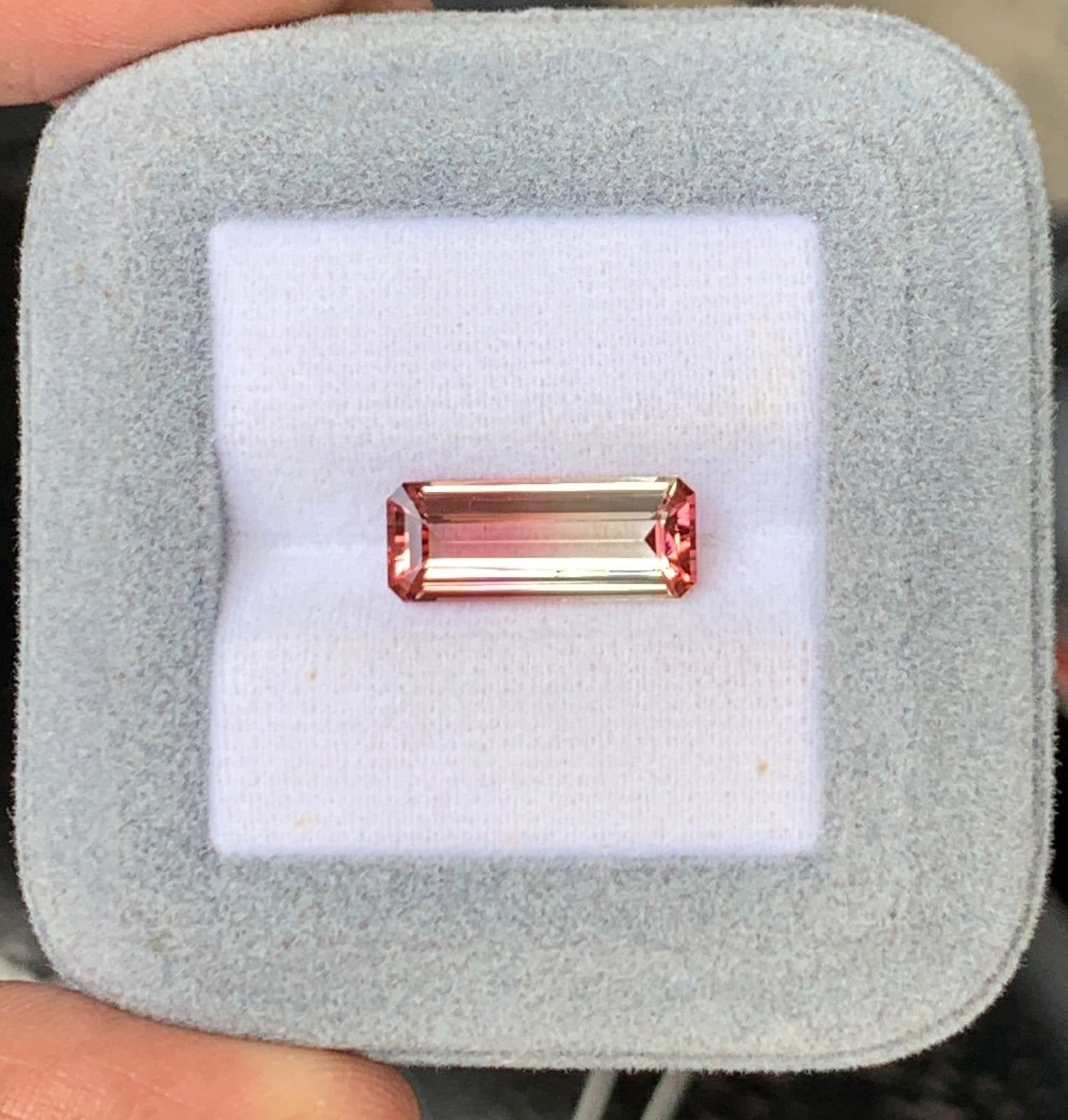
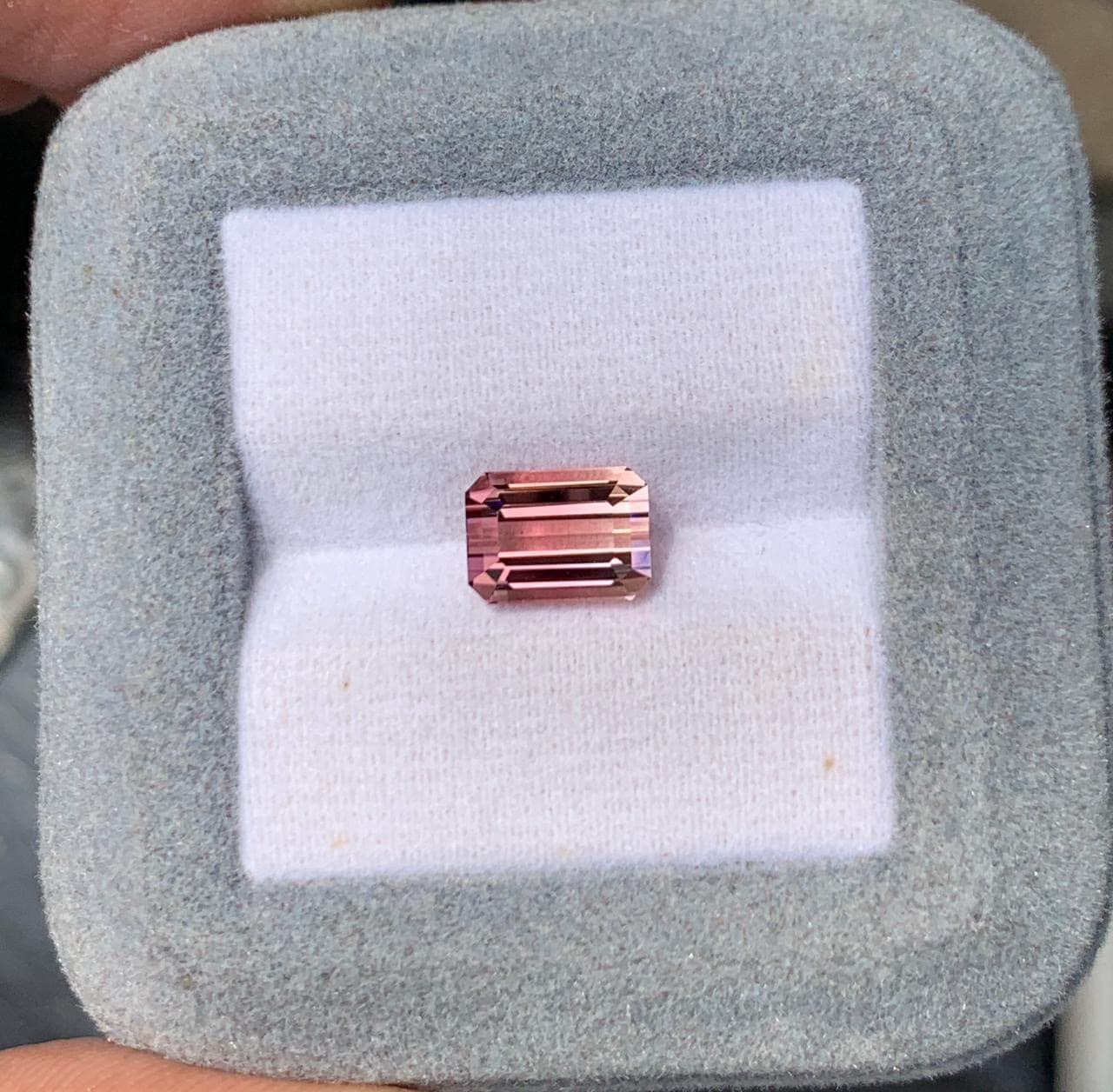
The bicolour tourmaline is one of the most captivating varieties in the tourmaline family. It displays two distinct colours within a single stone, making every bicolour tourmaline entirely unique. No other stone offers such…
The Bonnot atelier
Every stone in this collection can be set in Paris on 18k gold, designed with you.
Explore
5/5
Excellent
5/5

Sophie Vincent
7 months ago
J'ai contacté la bijouterie Bonnot car je souhaitais un saphir Padparadscha, qui est assez rare. Toute la transaction a été faite à distance et s'est très bien passée. Ils sont très professionnels, à l'écoute et très sympathiques. J'ai reçu ma bague et elle correspond tout à fait à ma demande. Merci beaucoup 😋
5/5

Célia Gastel
6 months ago
L'adresse parfaite ! Bastien a été très à l'écoute, très bonne communication et très réactif ! Et leurs pierres sont superbes
5/5

Pn Ph
6 months ago
Excellente expérience avec Bastien pour la conception de notre bague de fiançailles sur mesure. Il a été disponible, les échanges ont été fluides et efficaces. La conception de la bague a été rapide, elle est magnifique et correspond exactement à ce que nous voulions. Nous recommandons fortement Bonnot pour son expertise, mais aussi son sens de l'écoute.
5/5

JFL lancelier
6 months ago
Très professionnels.un service impeccable une belle offre de bijoux de très grande qualité
5/5

Alan Cormand
6 months ago
J’ai récemment commencé une collection de pierres précieuses et je suis vraiment impressionné par la qualité. Les pierres sont magnifiques, bien taillées et correspondent parfaitement à la description. En plus, la livraison a été très rapide. Je recommande sans hésitation !
5/5

Alex
6 months ago
Une très belle maison qui allie savoir-faire et excellence du service. L’expérience client est fluide, rapide et d’une grande transparence. Merci à Bonnot Joaillerie pour cet accompagnement de qualité.
5/5

Christine Petit
6 months ago
Bastien est à la fois très sympathique et très professionnel. J'ai été très bien reçue, le contact et la communication sont faciles. J'ai fait transformer une marguerite en bague plus moderne et je suis ravie du résultat.
5/5

marielle frances
6 months ago
Une très belle rencontre autour d'une belle Pierre, merci à Bastien et François pour leur accueil! A très bientôt pour l'achat de nouvelles pierres!
5/5

Yac ine
5 months ago
Professionnels, réactifs et sympathiques, je recommande.

Exceptional precious stones at fair and transparent prices

Our unique gemstones reflect the purity and elegance of nature

Exclusively by renowned independent laboratories
Exceptional sourcing
At Bonnot Paris, every stone is selected for its rarity, clarity and ethical provenance, ensuring full traceability, exceptional quality and fair pricing.
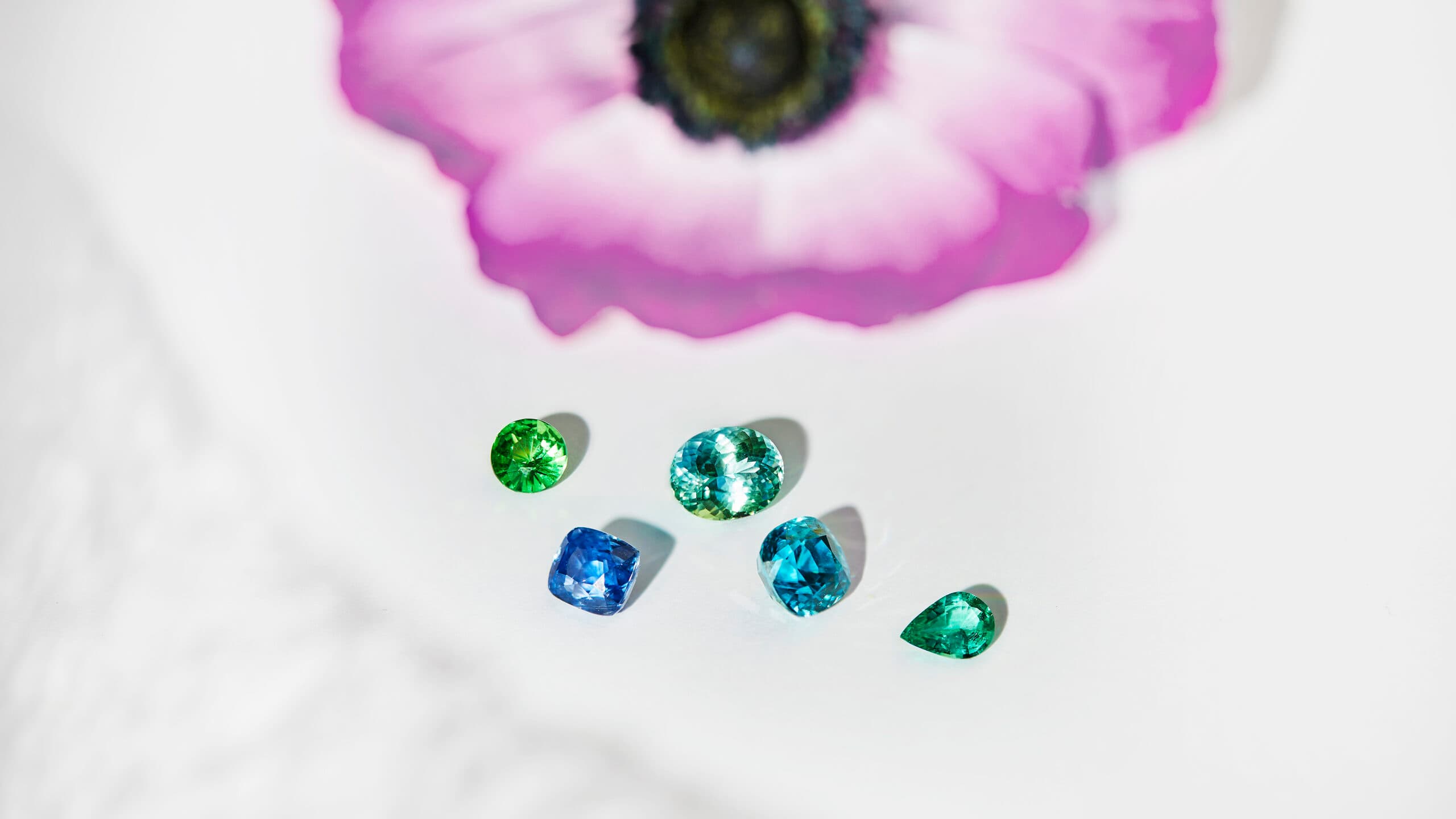
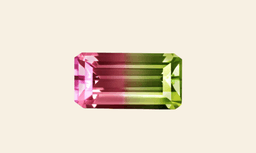
A bicolour tourmaline is a variety of tourmaline that displays two distinct colours within a single stone. This characteristic arises from chemical variations during crystal growth. The stone may show sharply defined colour zones or soft, gradual transitions. Every bicolour tourmaline is therefore unique. The most sought-after combinations pair pink with green, blue with green, or pink with orange.
A watermelon tourmaline is a bicolour tourmaline with a pink core and a green border, recalling the flesh and rind of a watermelon. It is the most celebrated variety of bicolour tourmaline. A slice cut perpendicular to the crystal perfectly reveals the characteristic pattern. Exceptional watermelon tourmalines display a sharp, clean contrast between the two colours with no blurred transition. The finest specimens come from Brazil and Madagascar.
The colour of a tourmaline depends on the trace elements present in its crystal structure. As the crystal grows, these elements can shift significantly. The stone then develops zones of differing composition, each producing its own hue. Manganese gives rise to pink, while chromium and vanadium produce green. This variation creates the characteristic bicolour effect.
Bicolour tourmalines come primarily from four origins. Brazil (Minas Gerais) has been the historic benchmark since the 18th century. Madagascar has established itself as the world's second major source since the 1990s. Afghanistan (Nuristan) produces exceptional bicolour tourmalines. Nigeria and Mozambique round out the supply with varied production.
Price varies according to the colour combination, the contrast and the carat weight. Expect to pay €200 to €800 per carat for a good-quality bicolour tourmaline of around one carat. Gem-quality watermelon tourmalines reach €800 to €2,500 per carat. Exceptional stones with perfect contrast can exceed €5,000 per carat. The uniqueness of each stone has a strong bearing on the final price.
Most bicolour tourmalines are sold in their natural state. A proportion, however, undergo low-temperature heating to intensify their colours. This treatment is stable and internationally accepted. Unheated bicolour tourmalines command a higher price. Bonnot Paris favours natural stones. The independent certificate always specifies any treatment that may have been applied.
Yes — it is a bold and singular choice for an engagement ring. Bicolour tourmaline has a hardness of 7–7.5 on the Mohs scale, sufficient for attentive daily wear. Its dual tone evokes union, duality and complementarity — a powerful symbol for a marriage proposal. Since every stone is unique, your ring will be too.
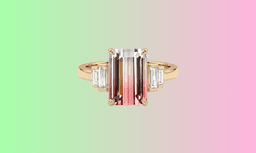
The choice of cut is key to showcasing a bicolour tourmaline. A rectangular emerald cut highlights the chromatic zoning to perfection. Watermelon tourmalines are often cut into slices to reveal the characteristic pattern. An oval cut brings out the depth of the two hues. For the setting, yellow gold and rose gold create a warm chromatic dialogue, while white gold offers a more neutral reading of the colours.