Configure your ring
With Studio Bonnot, become the architect of your dream ring
Start creating
Bonnot Paris
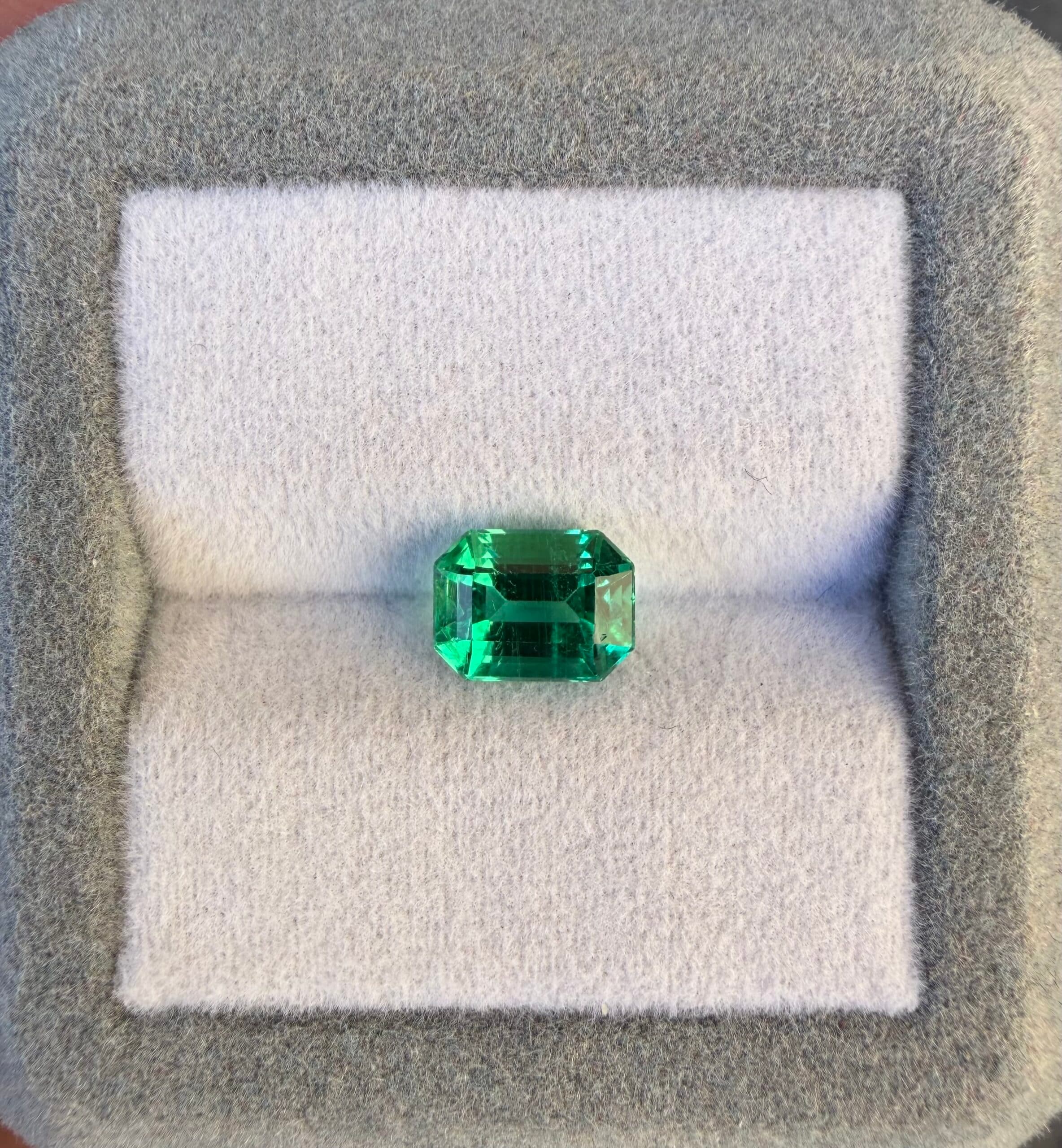
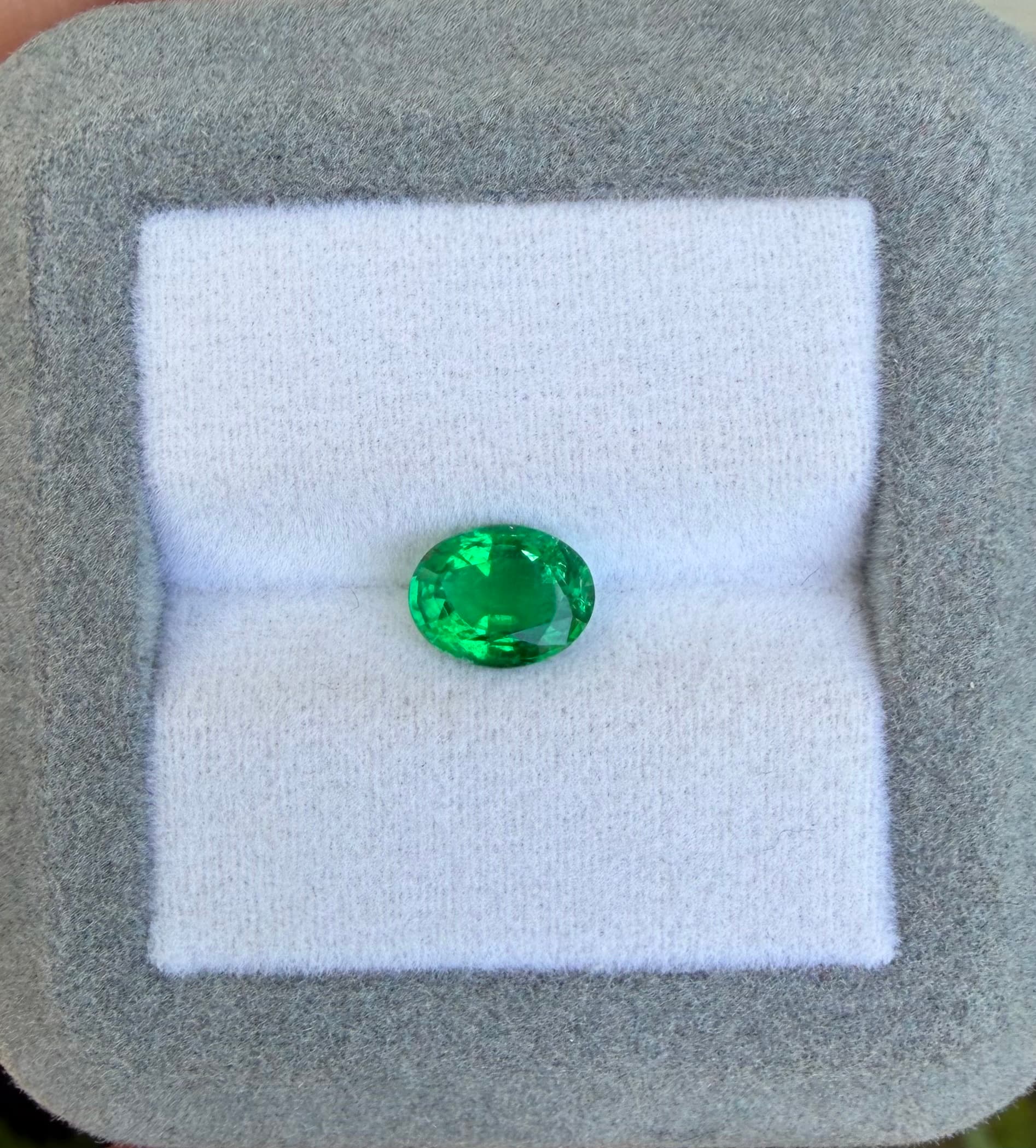
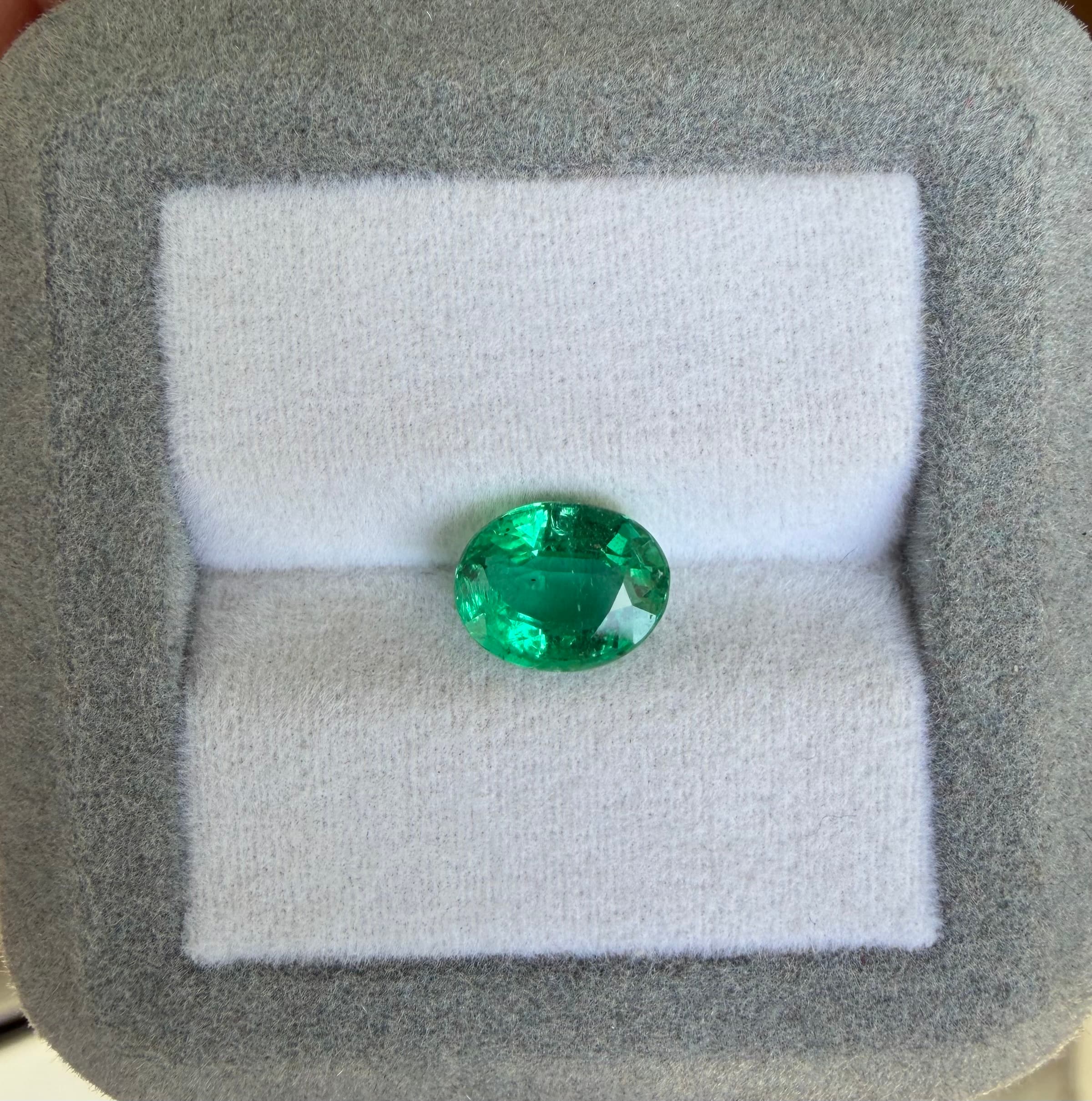
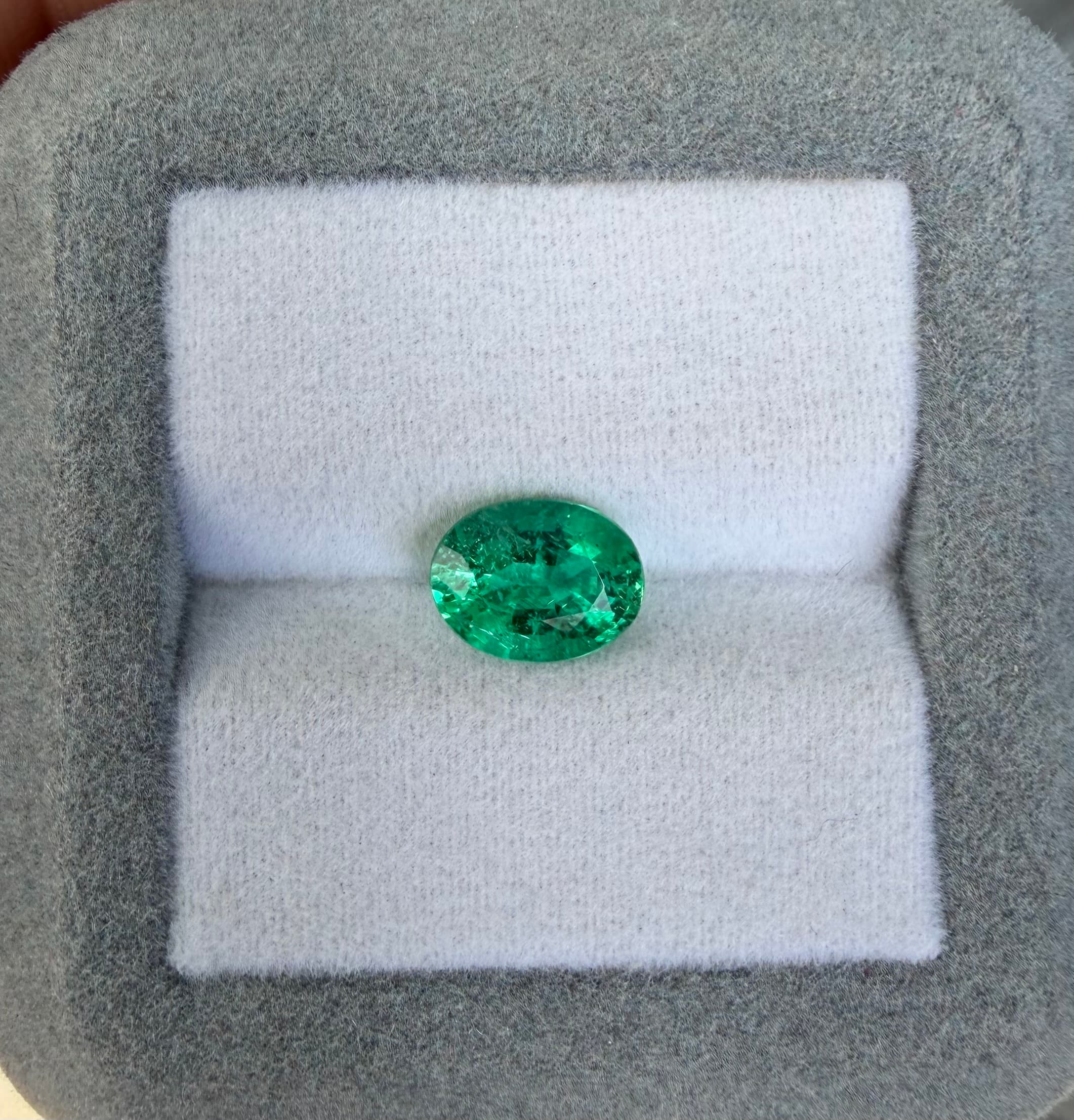
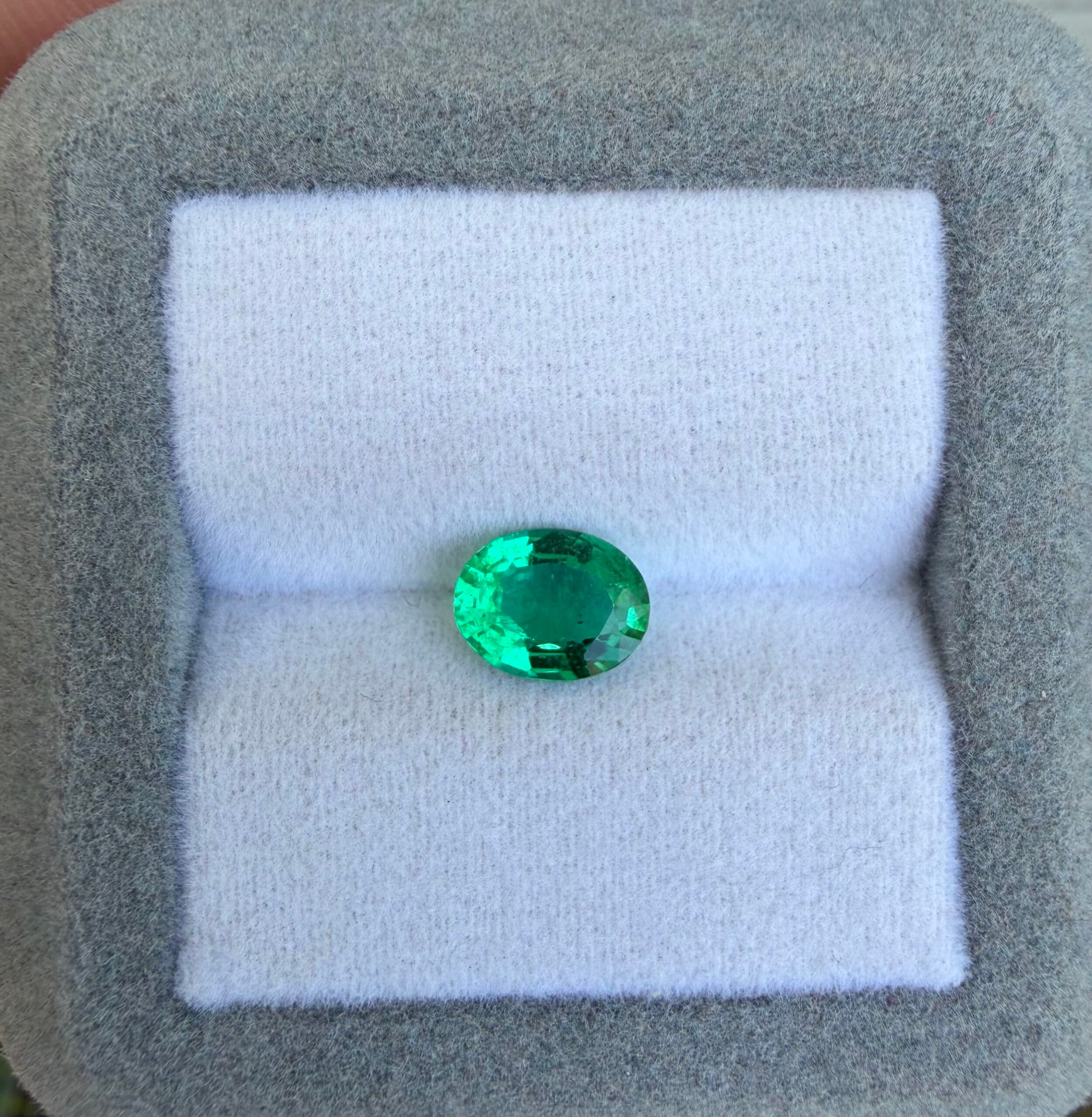
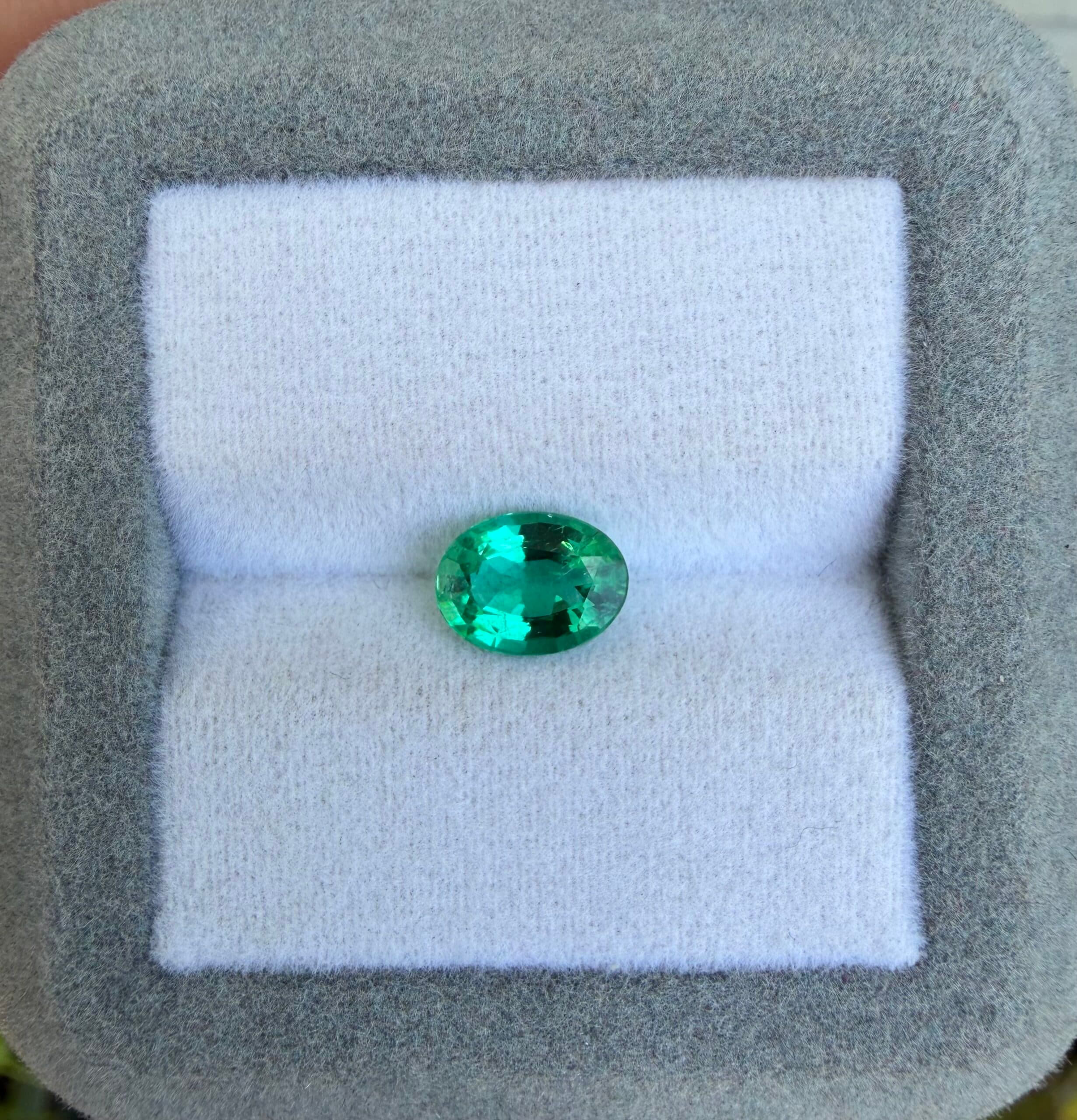
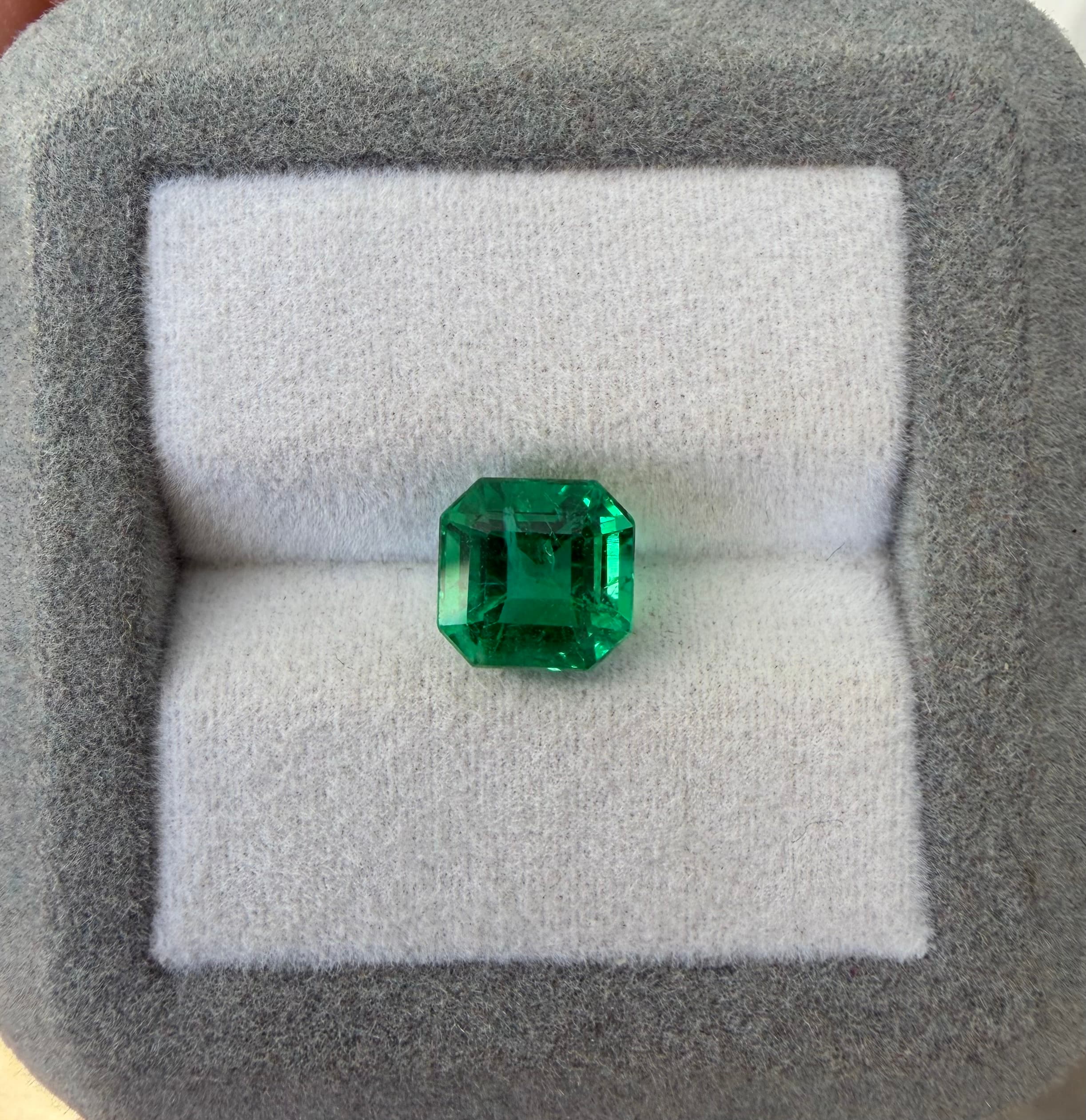
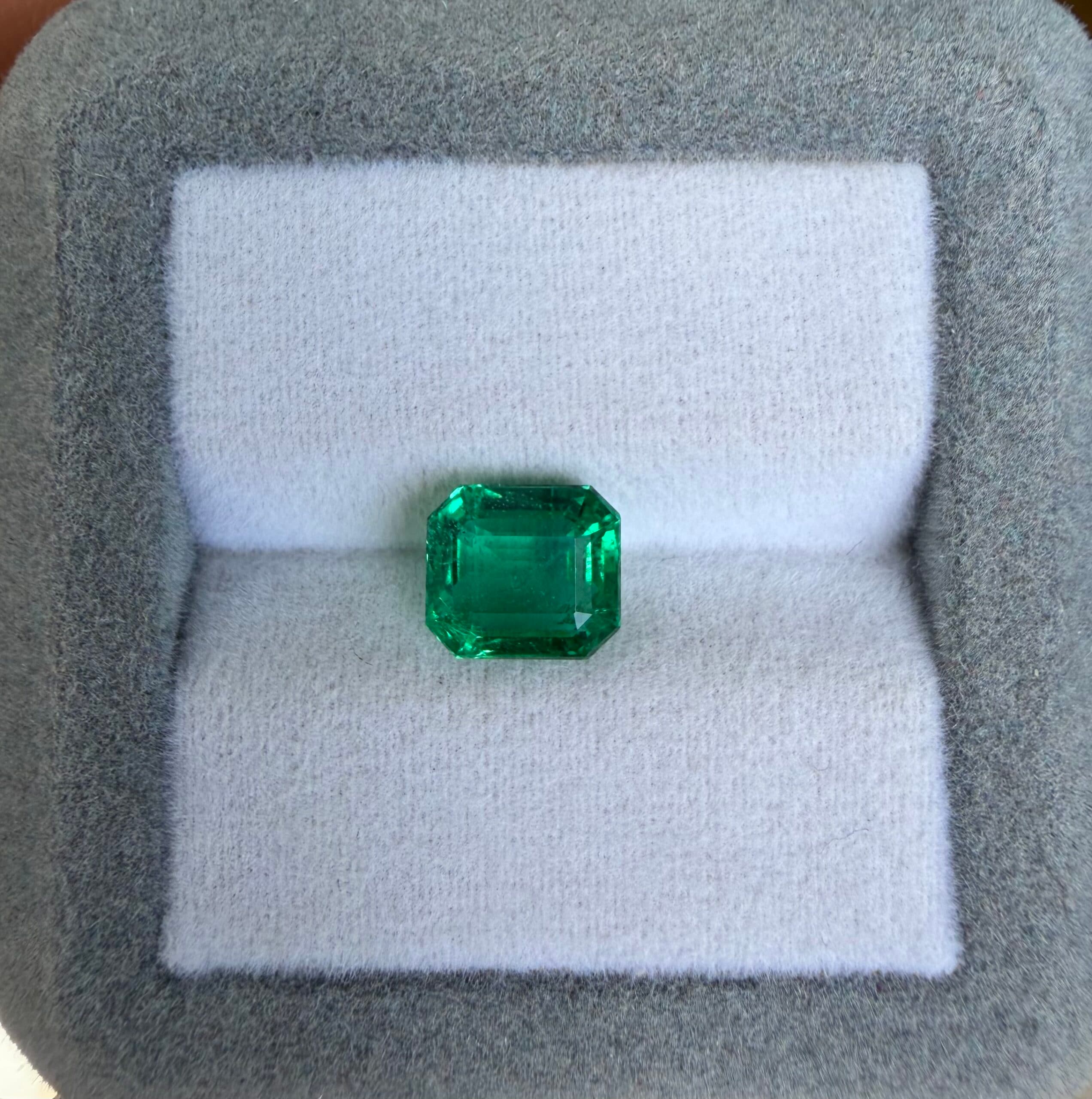
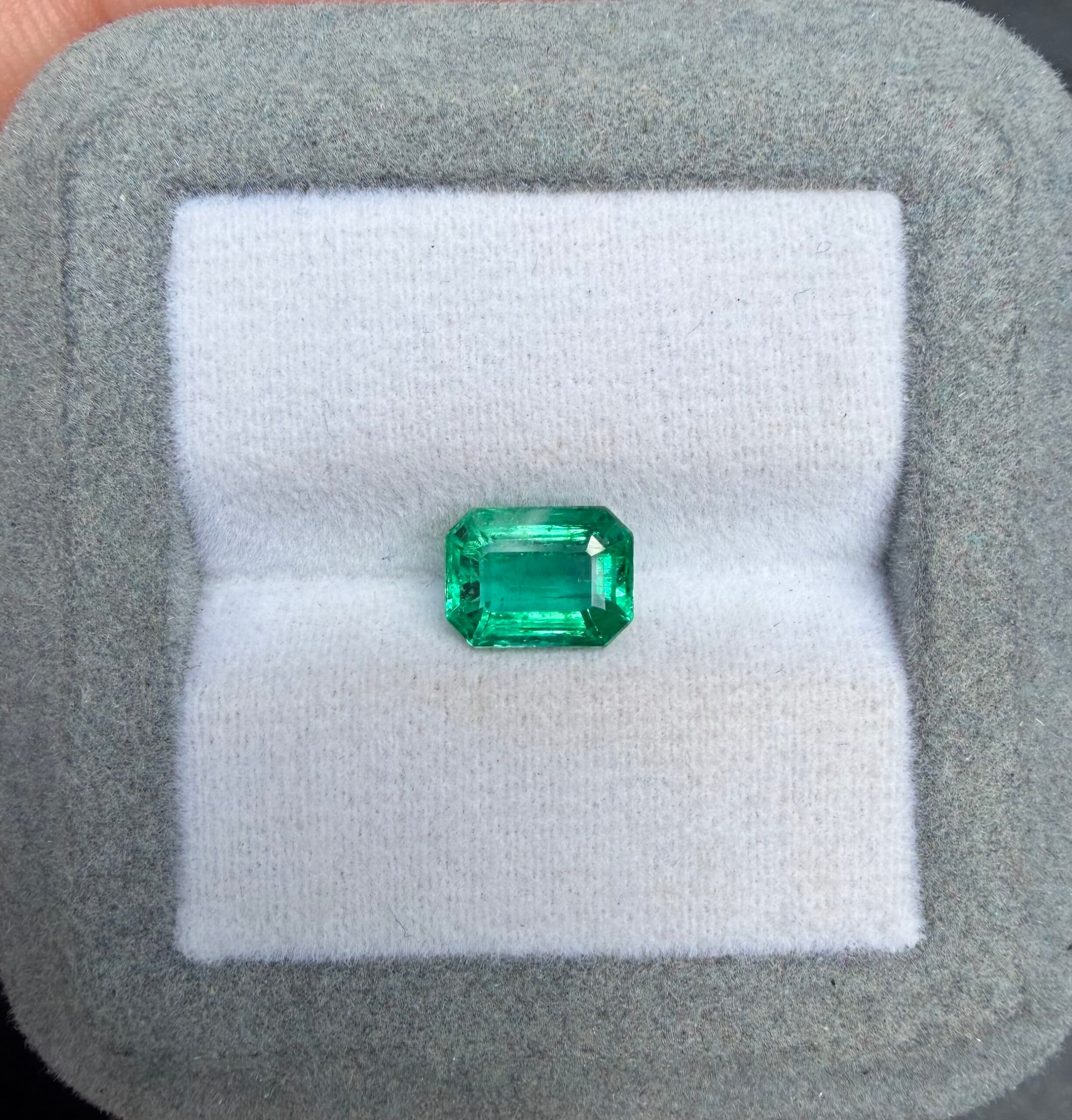
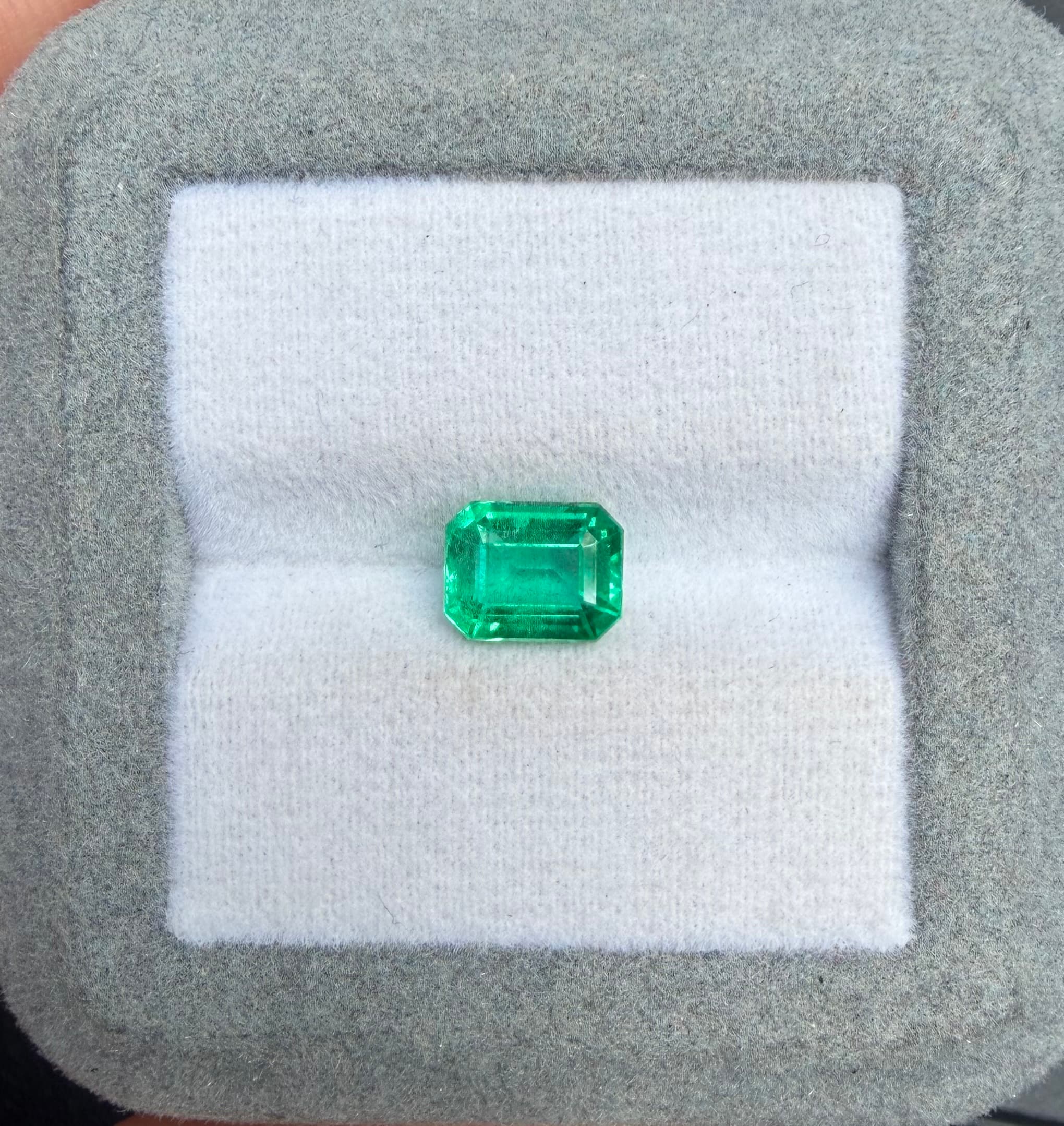
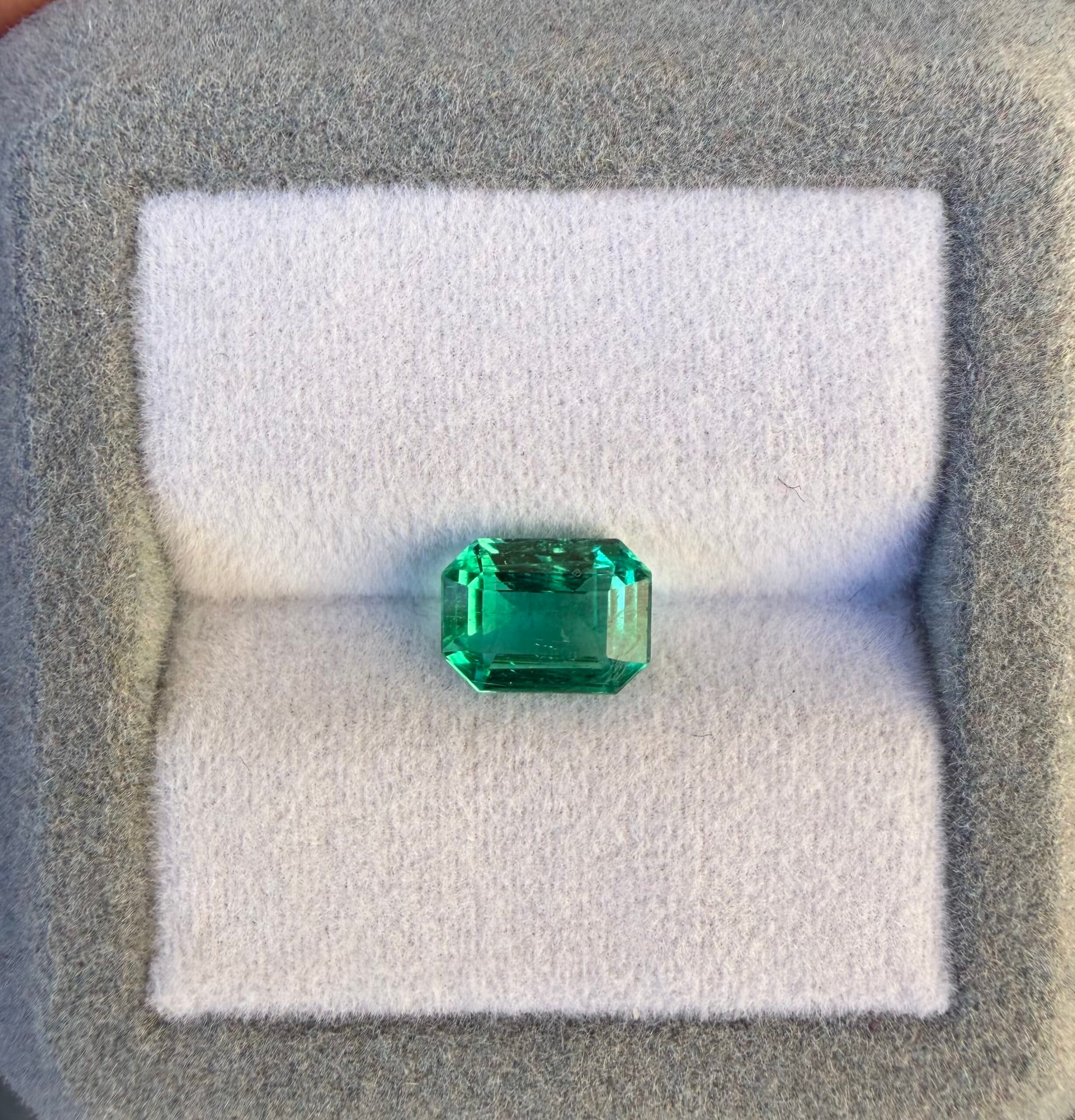
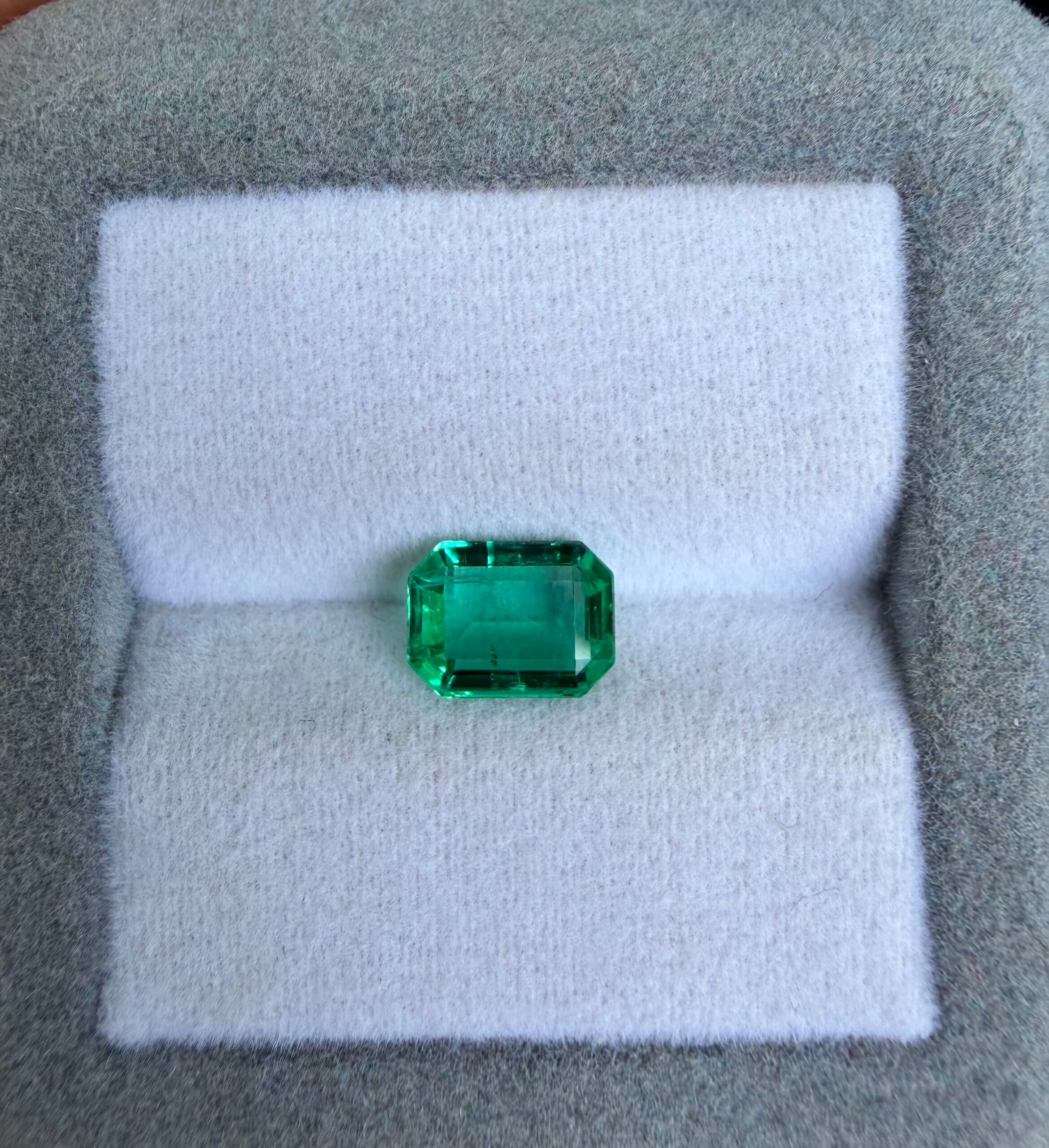
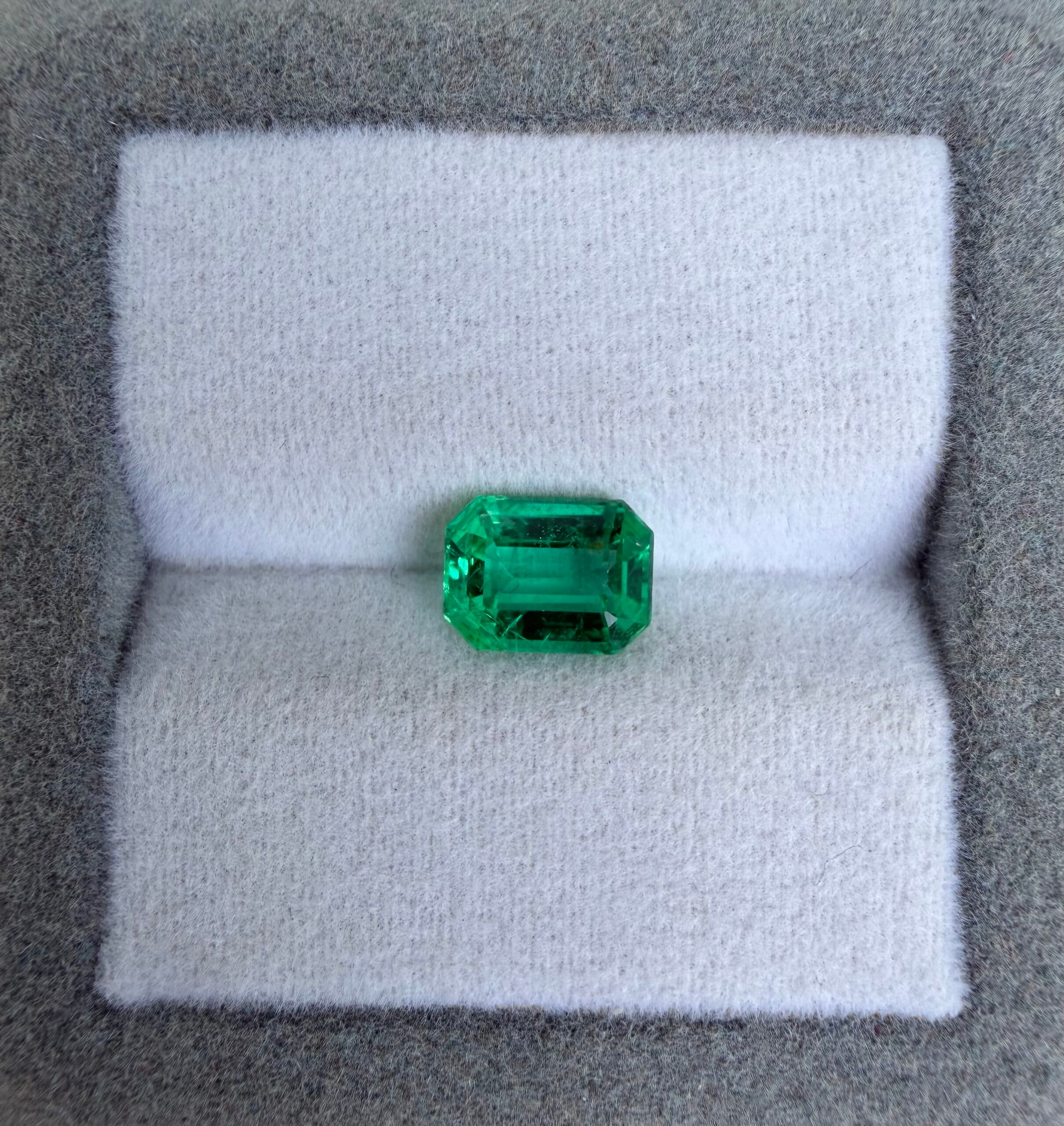
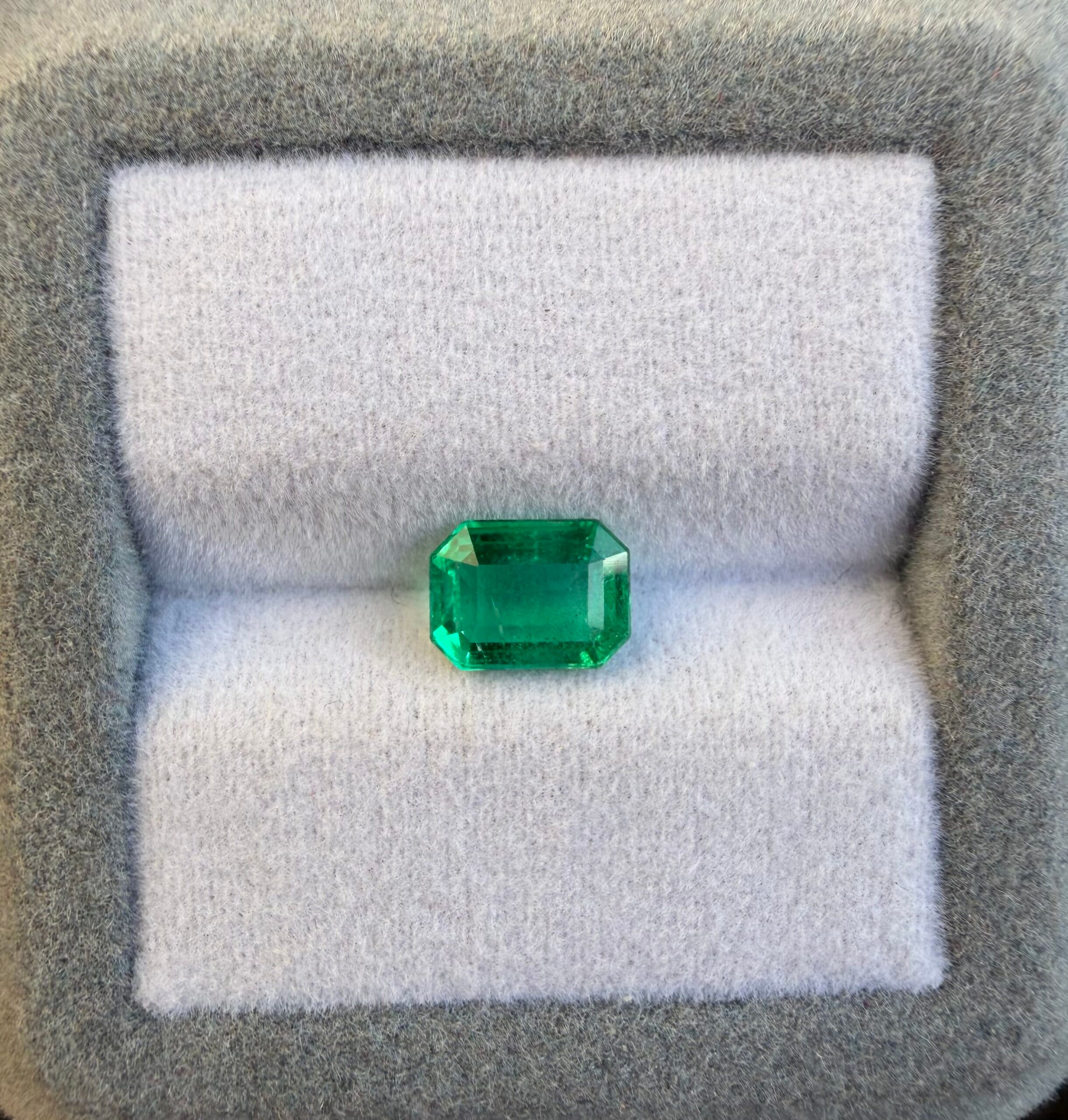
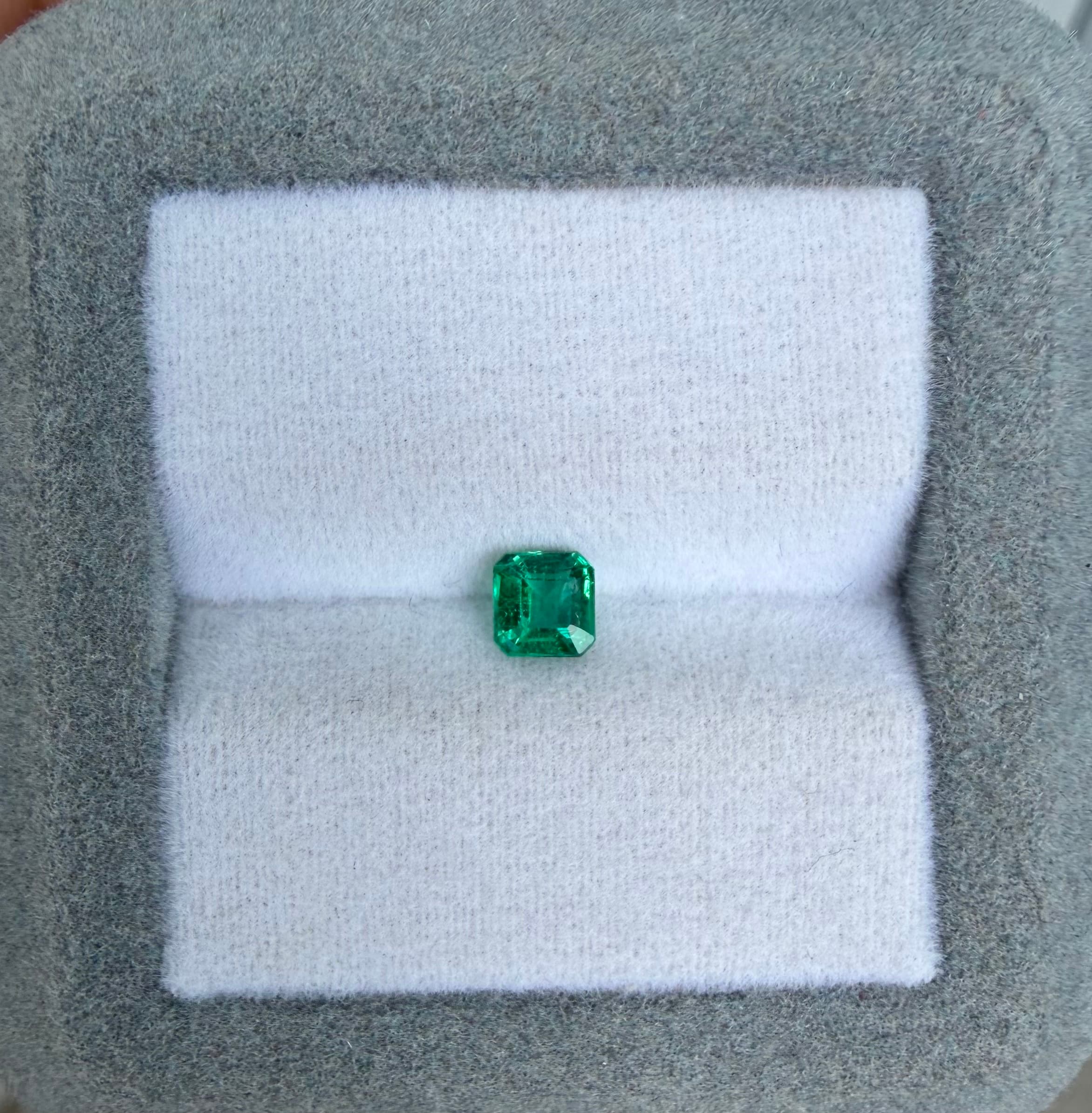
No other gemstone offers a green quite like the emerald. One of the four recognised precious stones, it was Cleopatra's favourite and has long symbolised renewal. Its so-called "garden" — those fine natural inclusions — is the…
Configure your ring
With Studio Bonnot, become the architect of your dream ring

Rating based on 100 customer reviews
Trusted by clients the world over
ICA Member
The only French jeweller to be a member of the International Colored Gemstone Association
Bonnot Paris Showroom
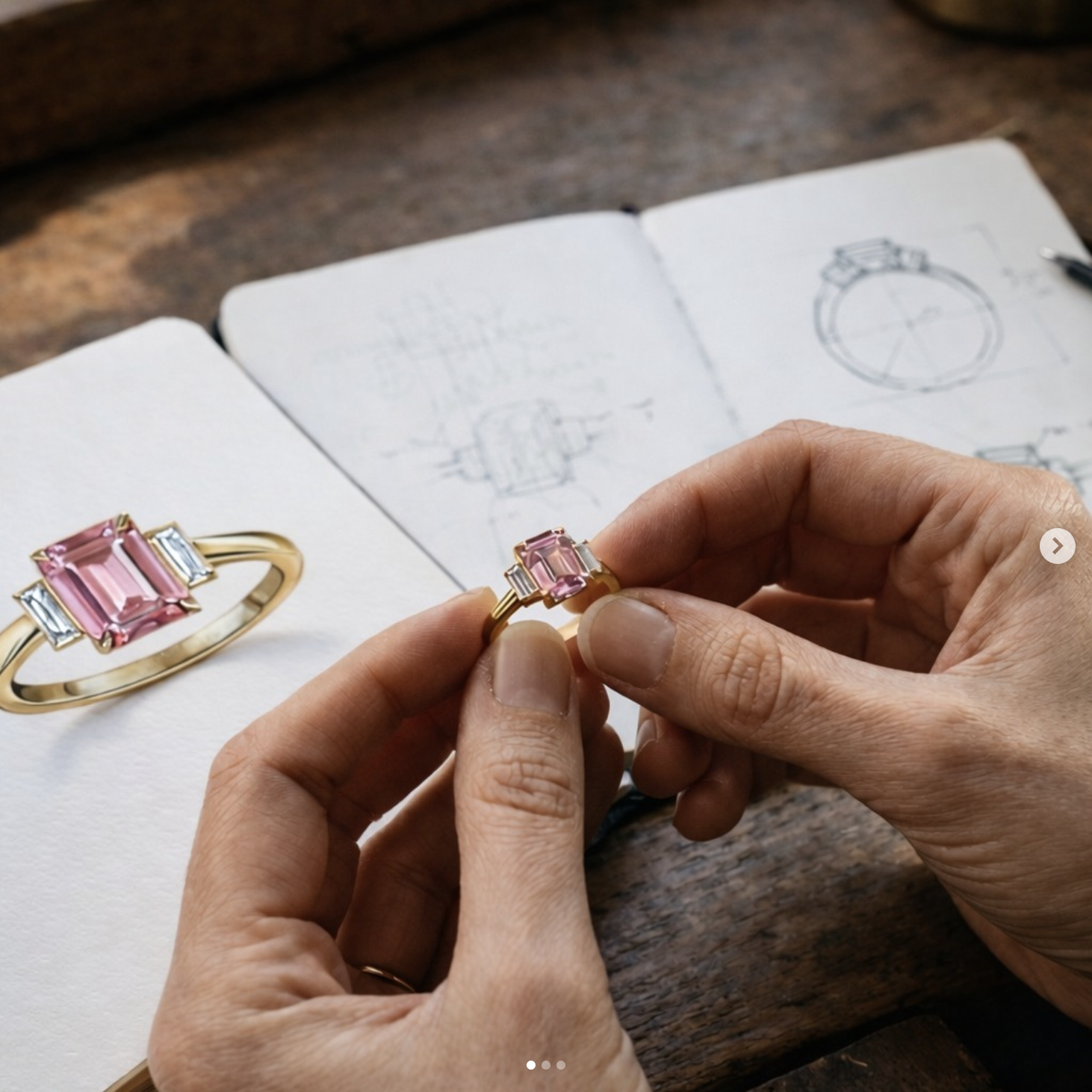
Everything begins with an appointment at Bonnot Paris
The Bonnot atelier
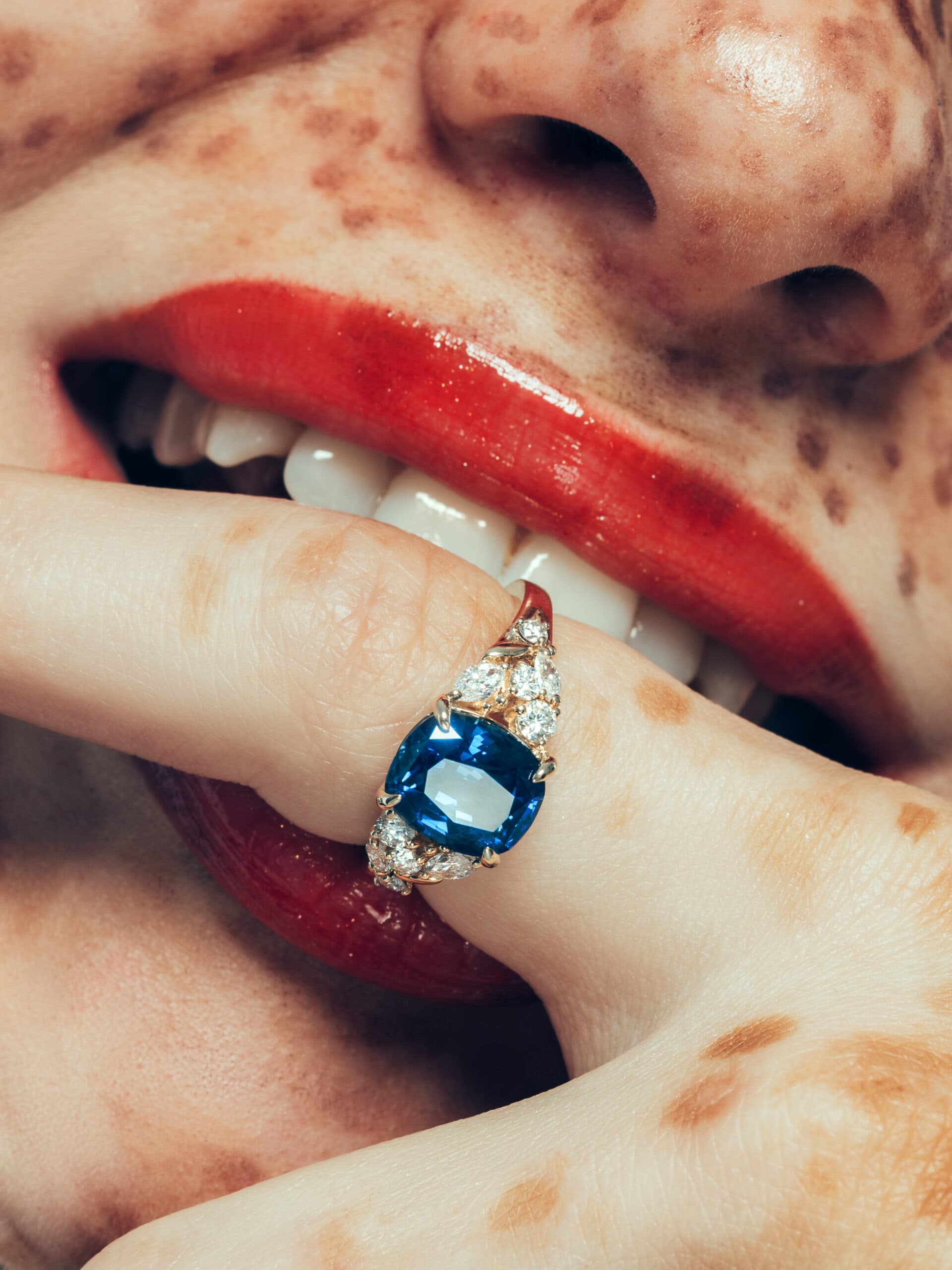
Every stone in this collection can be set in Paris on 18k gold, designed with you.
Explore
5/5
Excellent
5/5

Sophie Vincent
7 months ago
J'ai contacté la bijouterie Bonnot car je souhaitais un saphir Padparadscha, qui est assez rare. Toute la transaction a été faite à distance et s'est très bien passée. Ils sont très professionnels, à l'écoute et très sympathiques. J'ai reçu ma bague et elle correspond tout à fait à ma demande. Merci beaucoup 😋
5/5

Célia Gastel
6 months ago
L'adresse parfaite ! Bastien a été très à l'écoute, très bonne communication et très réactif ! Et leurs pierres sont superbes
5/5

Pn Ph
6 months ago
Excellente expérience avec Bastien pour la conception de notre bague de fiançailles sur mesure. Il a été disponible, les échanges ont été fluides et efficaces. La conception de la bague a été rapide, elle est magnifique et correspond exactement à ce que nous voulions. Nous recommandons fortement Bonnot pour son expertise, mais aussi son sens de l'écoute.
5/5

JFL lancelier
6 months ago
Très professionnels.un service impeccable une belle offre de bijoux de très grande qualité
5/5

Alan Cormand
6 months ago
J’ai récemment commencé une collection de pierres précieuses et je suis vraiment impressionné par la qualité. Les pierres sont magnifiques, bien taillées et correspondent parfaitement à la description. En plus, la livraison a été très rapide. Je recommande sans hésitation !
5/5

Alex
6 months ago
Une très belle maison qui allie savoir-faire et excellence du service. L’expérience client est fluide, rapide et d’une grande transparence. Merci à Bonnot Joaillerie pour cet accompagnement de qualité.
5/5

Christine Petit
6 months ago
Bastien est à la fois très sympathique et très professionnel. J'ai été très bien reçue, le contact et la communication sont faciles. J'ai fait transformer une marguerite en bague plus moderne et je suis ravie du résultat.
5/5

marielle frances
6 months ago
Une très belle rencontre autour d'une belle Pierre, merci à Bastien et François pour leur accueil! A très bientôt pour l'achat de nouvelles pierres!
5/5

Yac ine
5 months ago
Professionnels, réactifs et sympathiques, je recommande.

Exceptional precious stones at fair and transparent prices

Our unique gemstones reflect the purity and elegance of nature

Exclusively by renowned independent laboratories
Exceptional sourcing
At Bonnot Paris, every stone is selected for its rarity, clarity and ethical provenance, ensuring full traceability, exceptional quality and fair pricing.
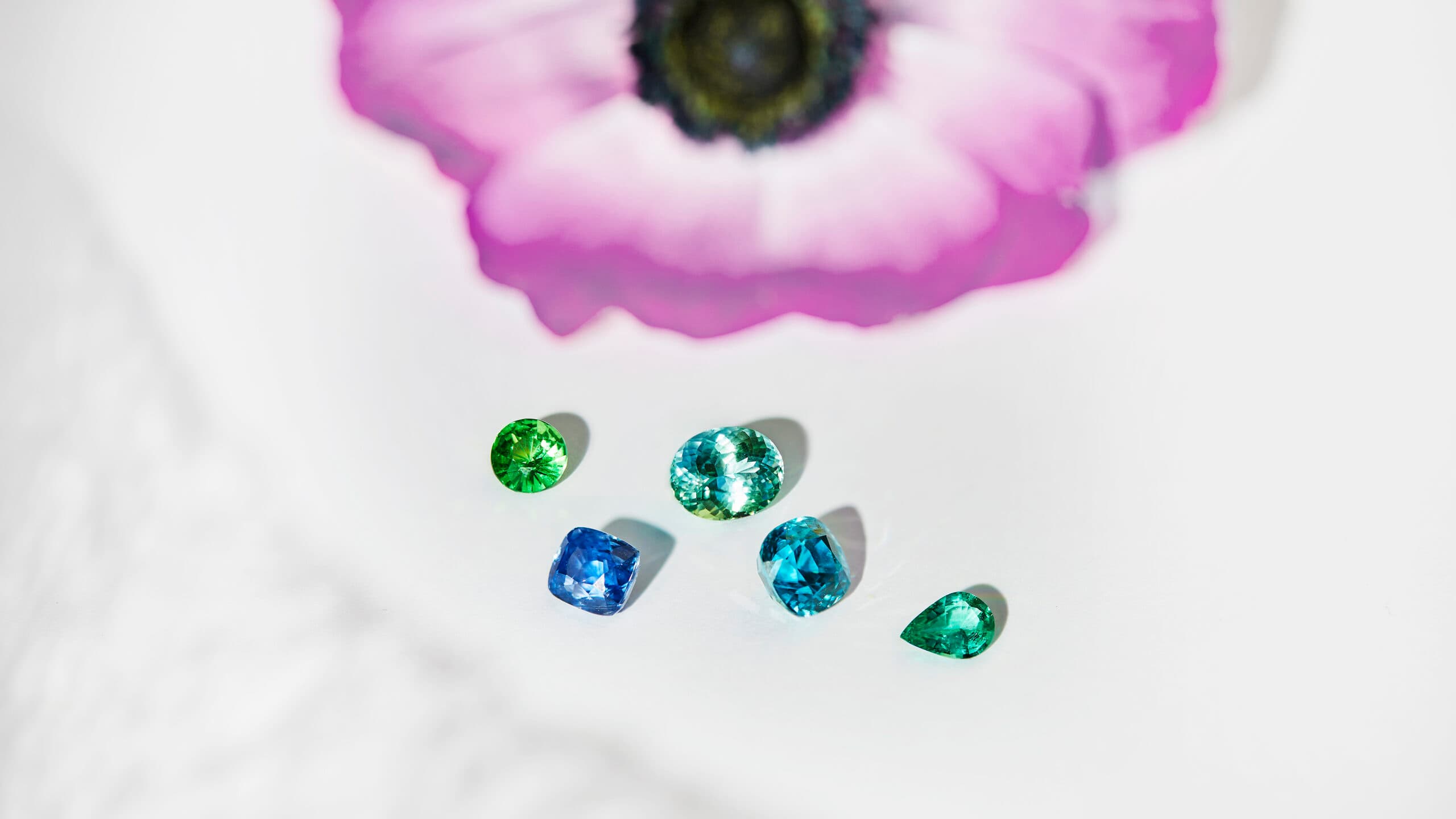
The most sought-after emeralds have historically come from Colombia (the Muzo, Chivor and Coscuez mines), celebrated for their pure, slightly blue-tinged green. Zambia has risen to become the second leading source since the 1980s, producing emeralds with a deeper, more saturated colour and excellent value for money. Brazil, Ethiopia and Afghanistan also yield remarkable stones. At Bonnot Paris, we source exclusively from Colombia and Zambia through our Jaipur office.
The price of an emerald depends on four criteria: colour (the intensity of the green is paramount), clarity, cut and origin. As a guide, expect to pay €1,500 to €4,000 per carat for a good-quality Zambian emerald (1 to 2 carats), and €3,000 to €10,000 per carat for a Colombian emerald of equivalent quality. Exceptional untreated stones can reach several tens of thousands of euros per carat.
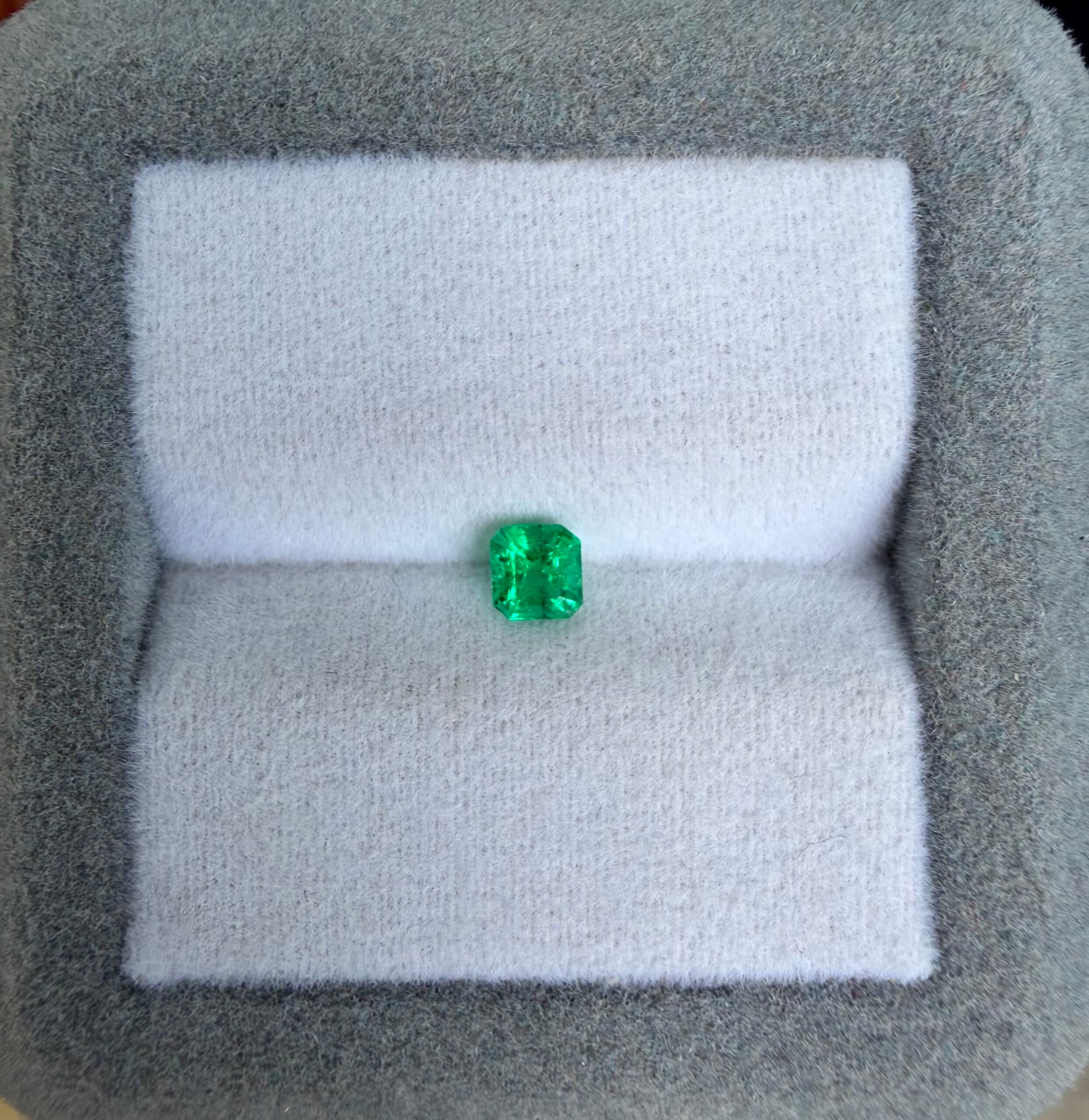
Inclusions are an almost universal characteristic of the emerald — so much so that they are known as its "garden" (jardín in Spanish). They result from the particular geological conditions under which the stone forms. Unlike sapphire or ruby, an emerald with no inclusions whatsoever is extremely rare and should raise suspicion: it is often a sign of a synthetic stone. Inclusions are the signature and proof of authenticity of a natural emerald.
More than 99% of emeralds on the market are oiled: cedar oil (or a colourless resin) is introduced into natural fissures to improve visual transparency. This treatment is internationally recognised and accepted, and does not alter the stone. An unoiled emerald (noted as "no oil" on the certificate) is extremely rare and commands a price two to five times higher for equivalent quality. For standard jewellery use, oiling is the norm; for a long-term investment, opt for unoiled.
Both offer a range of greens, but their characteristics differ considerably. The emerald has a more intense, deeper green, often with a slight blue undertone; the green sapphire is softer in tone, cleaner, and typically free of inclusions. In terms of durability, the green sapphire has a clear advantage (hardness 9 against 7.5–8 for the emerald) and requires no protective setting. For everyday wear without constraint, the green sapphire is preferable; for chromatic depth and long-term value, the emerald remains unrivalled.
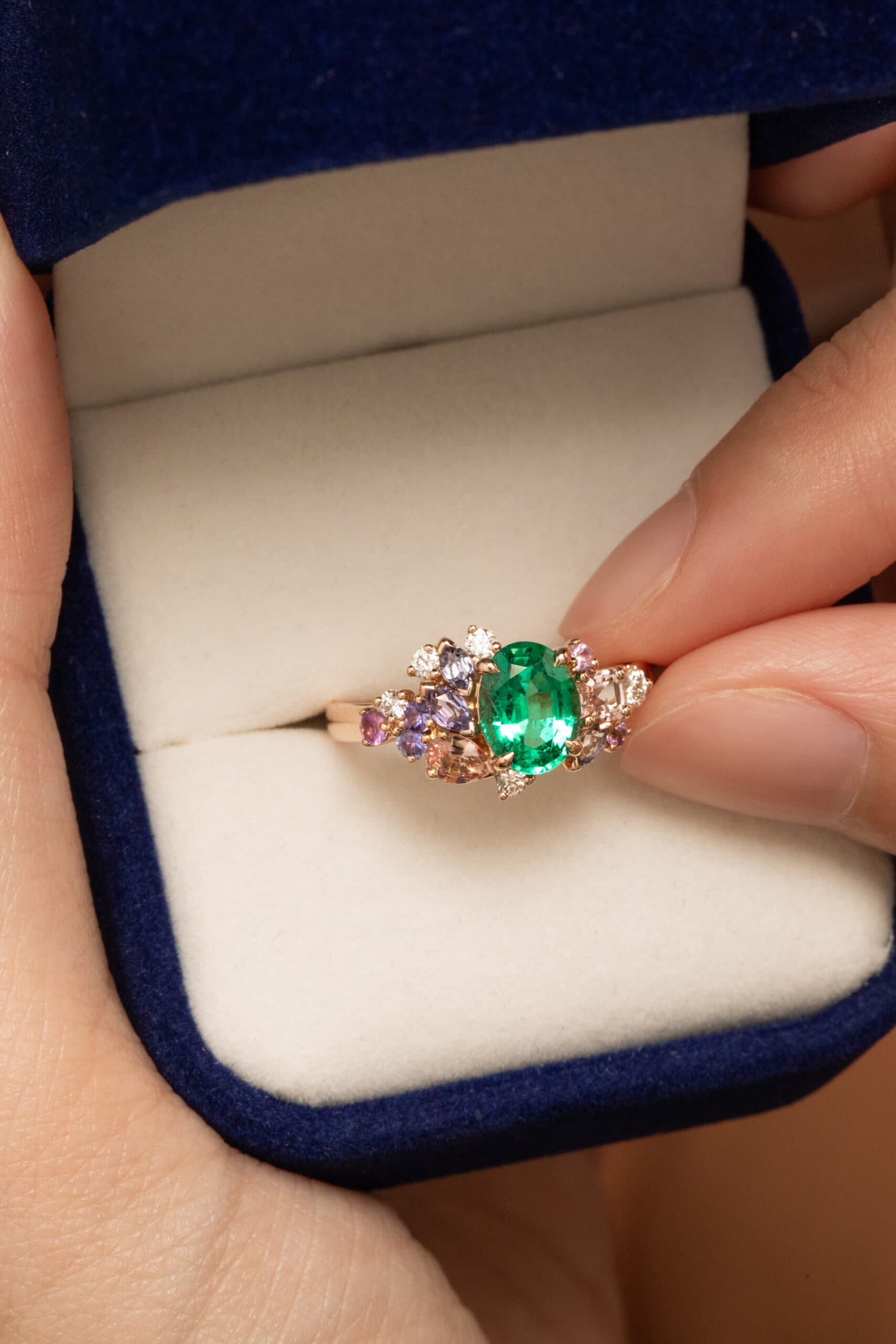
Yes, provided two rules are observed. First, choose a protective setting (bezel, halo, or high-claw) that shields the stone from lateral impact — a critical point, as the emerald is more fragile than sapphire or diamond. Second, remove the ring for sport, housework involving chemicals, or any activity that puts it at risk. At Bonnot Paris, engagement ring settings are designed with daily wear in mind.
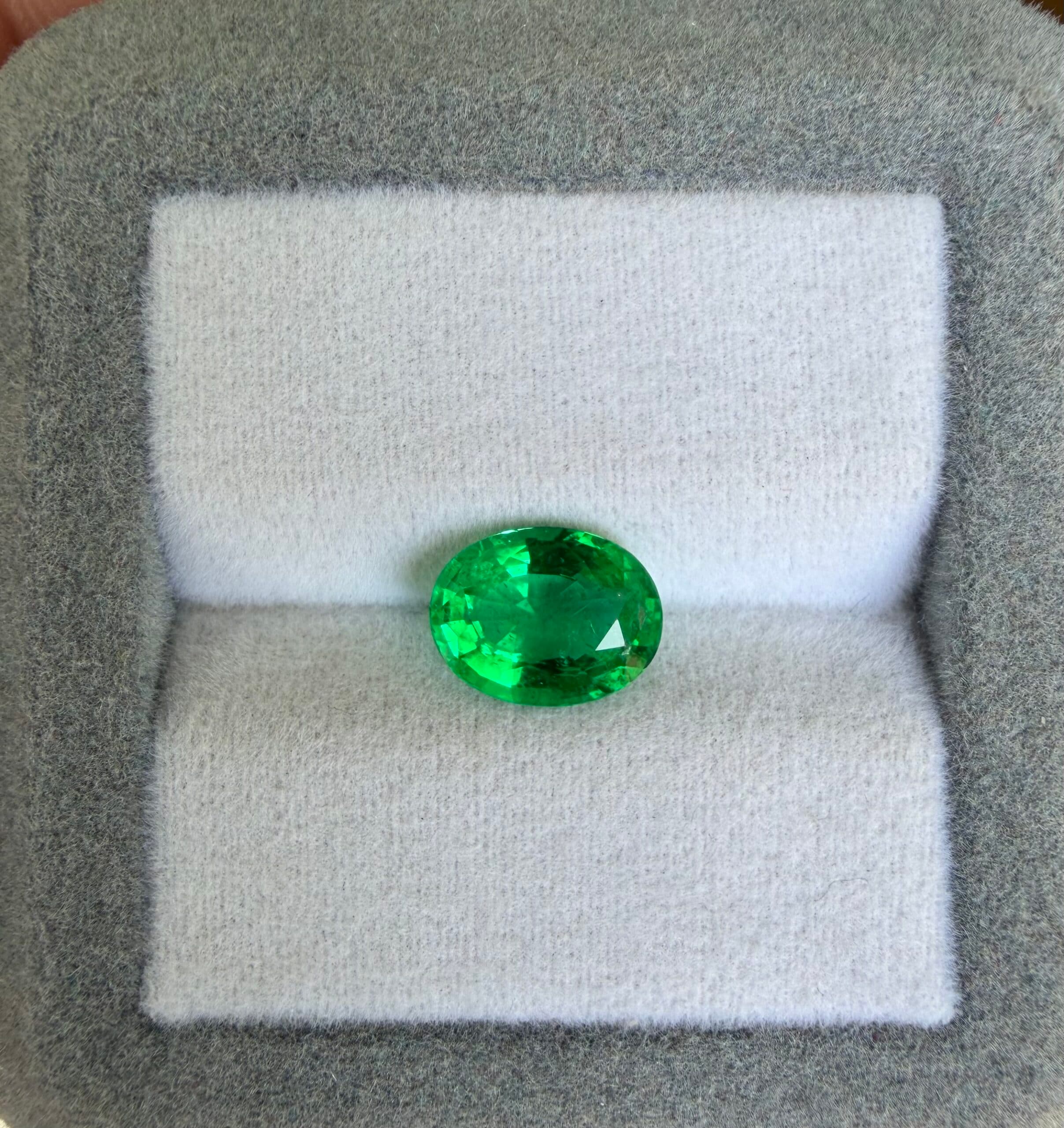
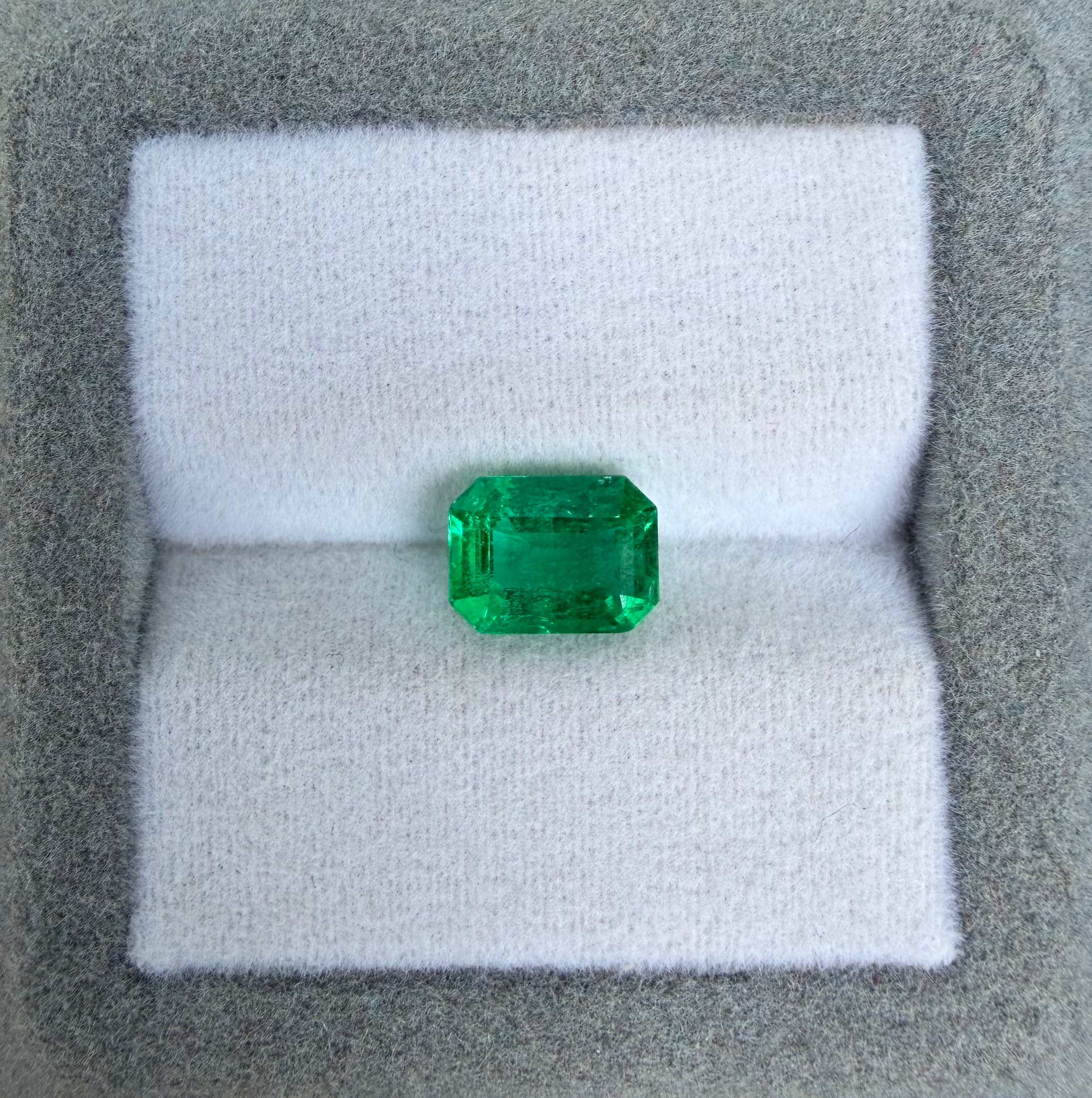
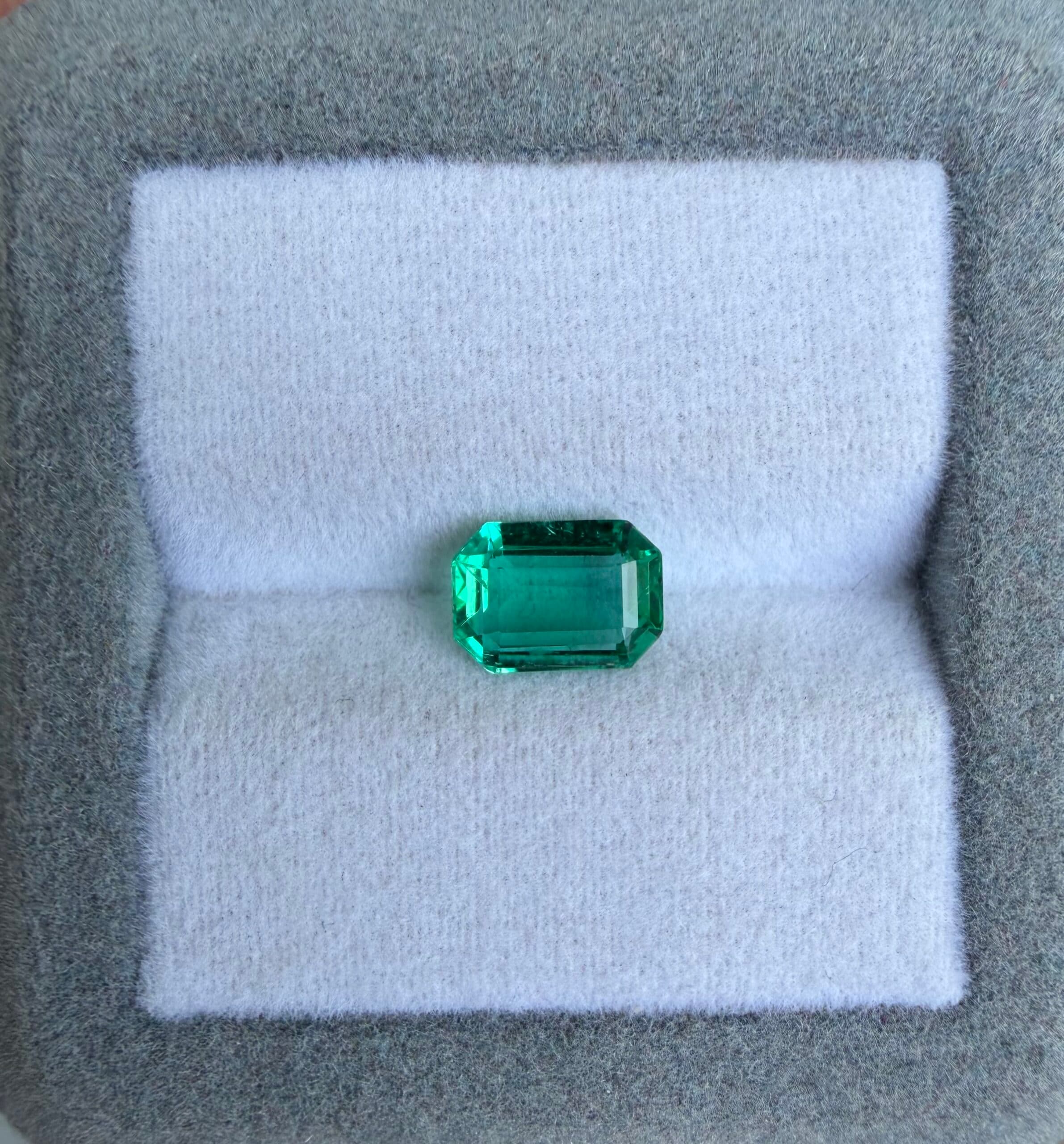
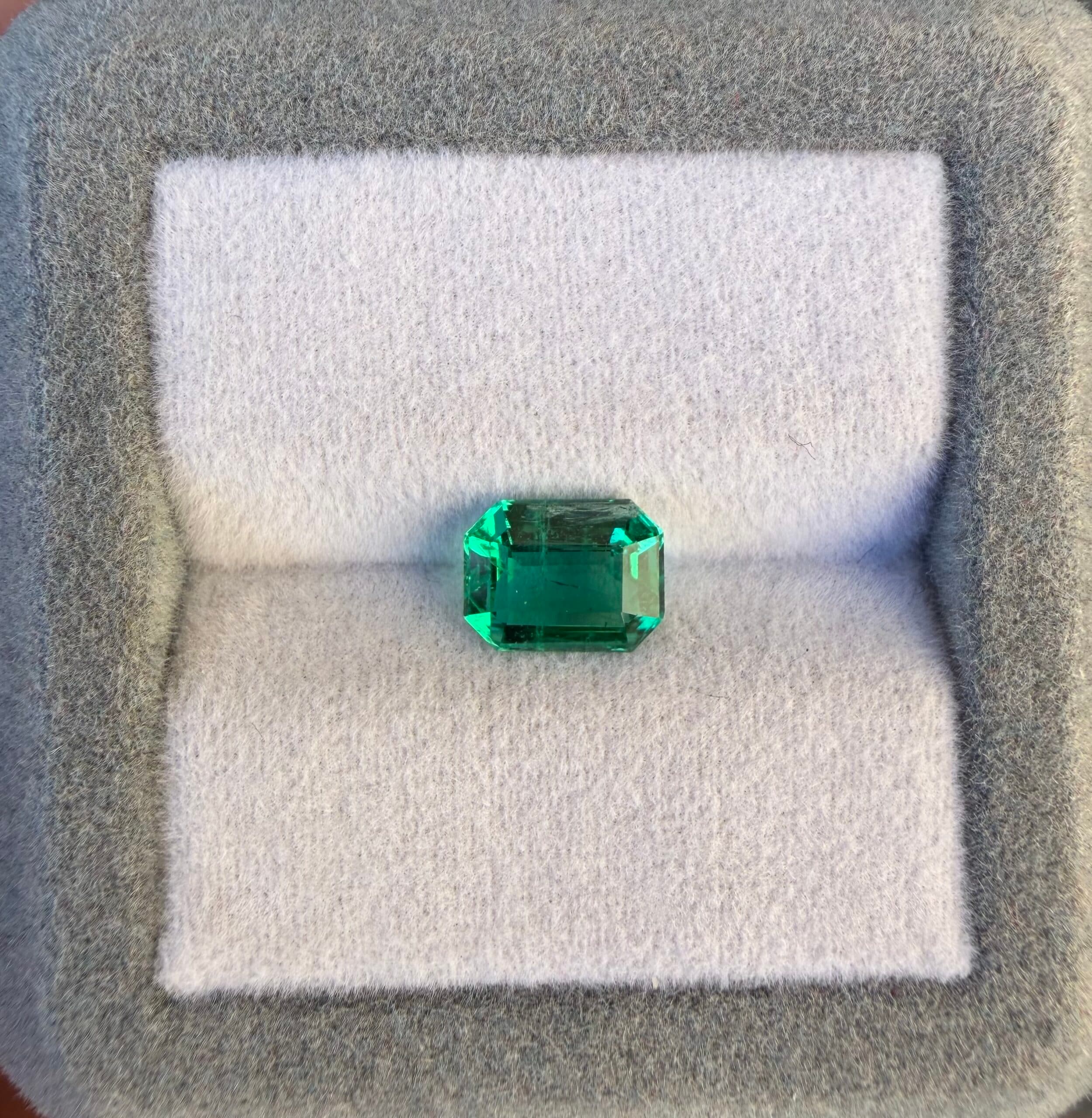
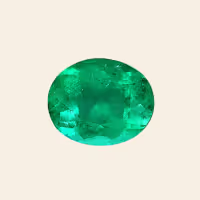
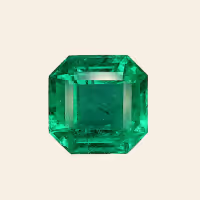
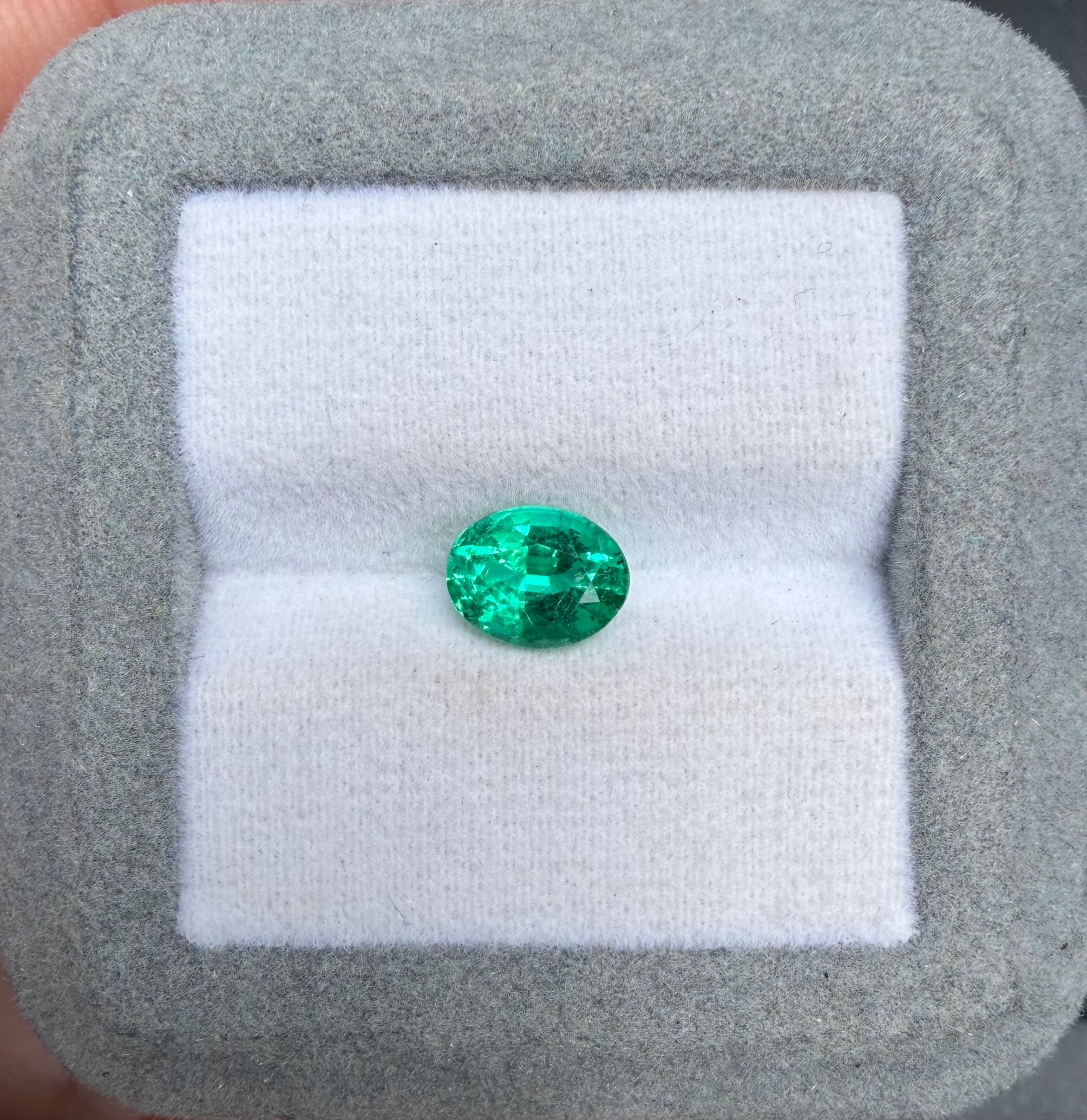
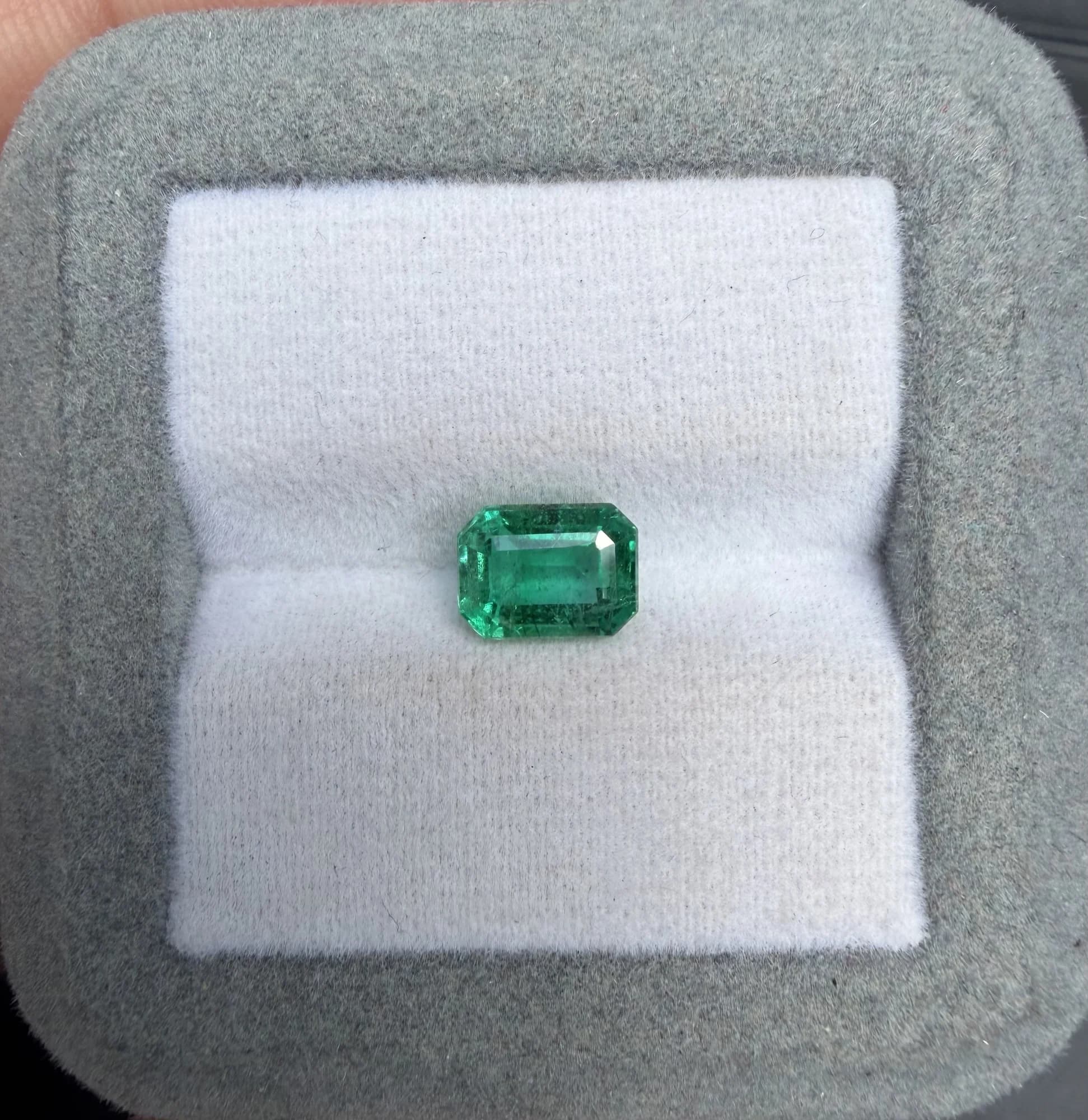
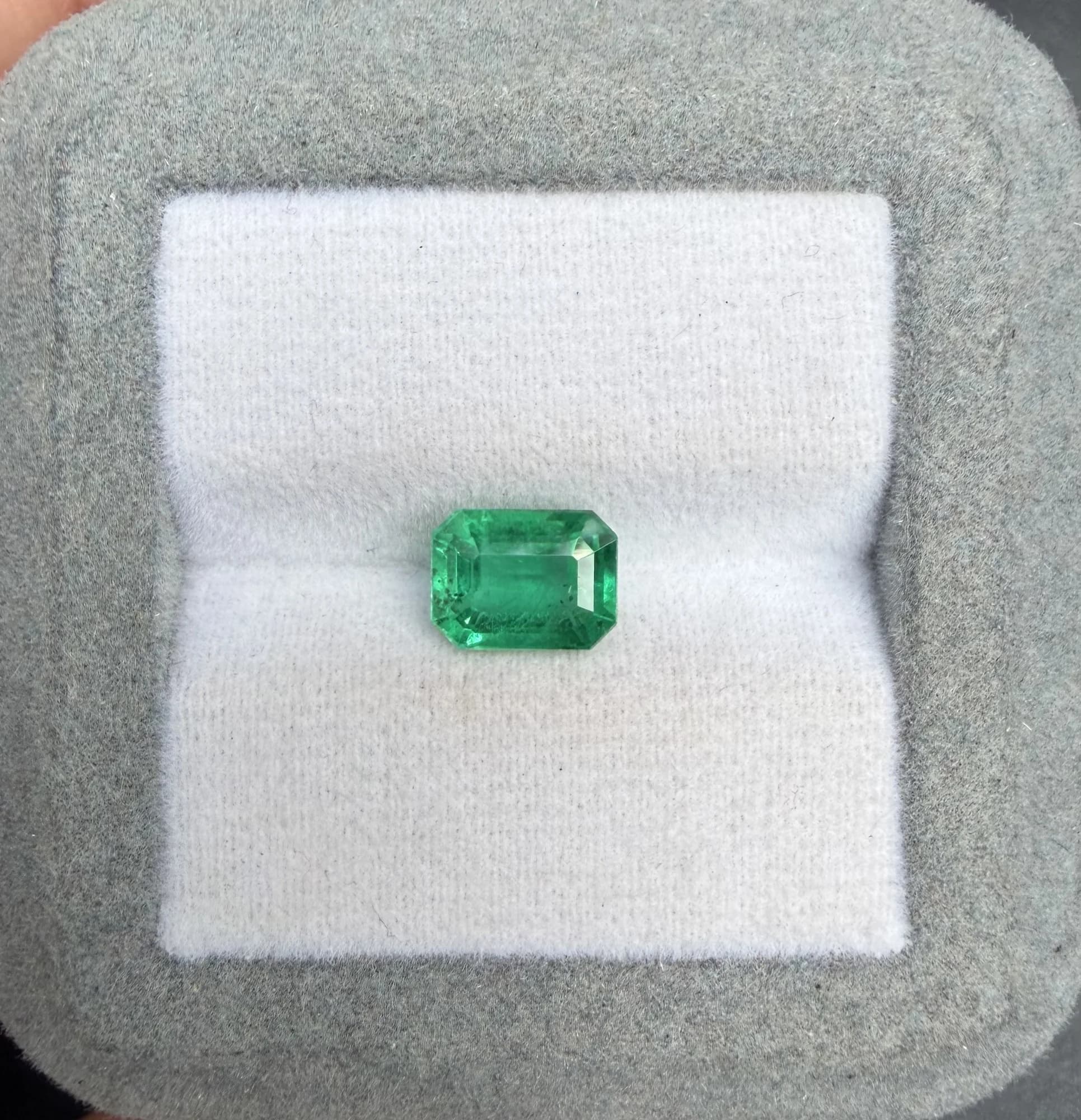
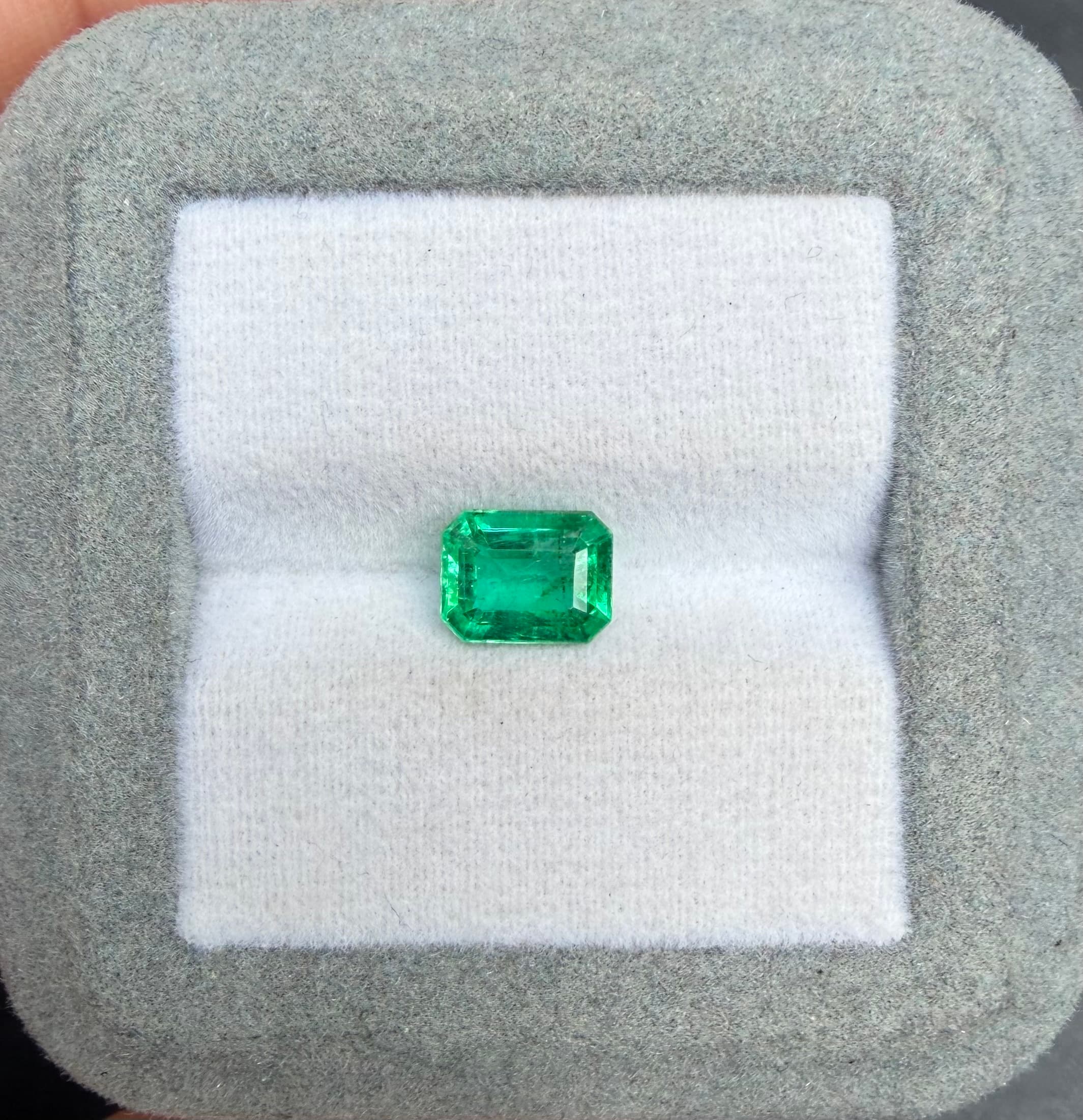
The emerald cut — a rectangular step cut — is the most iconic choice: it was devised specifically for this stone, to reduce pressure on the corners and minimise the risk of fracture. The cushion cut is equally well suited and remains a classic. The oval cut is particularly flattering to the stone's depth of colour. Avoid cuts with sharp pointed ends (marquise, pear) that leave the stone exposed to knocks.
Clean your emerald with a soft, slightly damp cloth — never with an ultrasonic cleaner or steam, as these methods risk removing the treatment oil and revealing the inclusions. Avoid all contact with chemicals (perfume, cream, soap, chlorinated water). Every three to five years, it is advisable to have the emerald re-oiled by a specialist to preserve its transparency. Bonnot Paris offers this service for the lifetime of any creation sourced through us.
The emerald has a hardness of 7.5 to 8 on the Mohs scale. It is slightly softer than sapphire and ruby (9), which is why attentive wear and a protective setting are recommended.
Colombian emeralds offer a pure green with a slightly warm hue, while Zambian emeralds tend towards a slightly blue-tinged tone and often display superior clarity. Both origins are prestigious.
The term "old mines" refers to emeralds from Colombia's historic deposits, worked since pre-Columbian times. It is a heritage designation — highly sought after and widely regarded as a mark of exceptional quality.
Top-quality emeralds — particularly unoiled Colombian stones — are stones of lasting value whose worth holds and appreciates over time. The scarcity of fine specimens underpins their long-term standing.
We select our stones at source, without intermediaries, and provide the corresponding gemmological certificates specifying the origin and degree of oiling. You will know the exact characteristics of your stone.