Configure your ring
With Studio Bonnot, become the architect of your dream ring
Start creating
Bonnot Paris
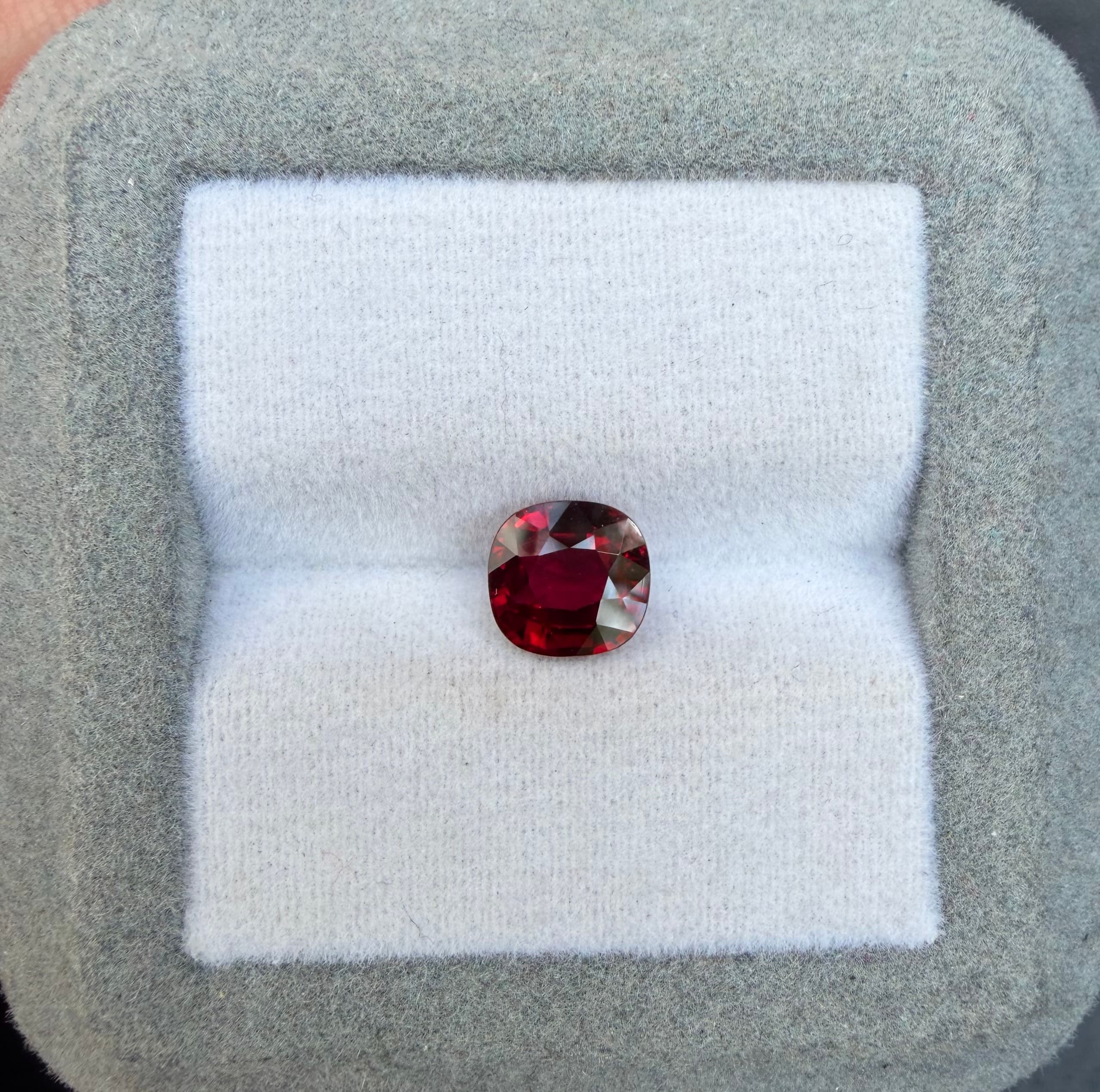
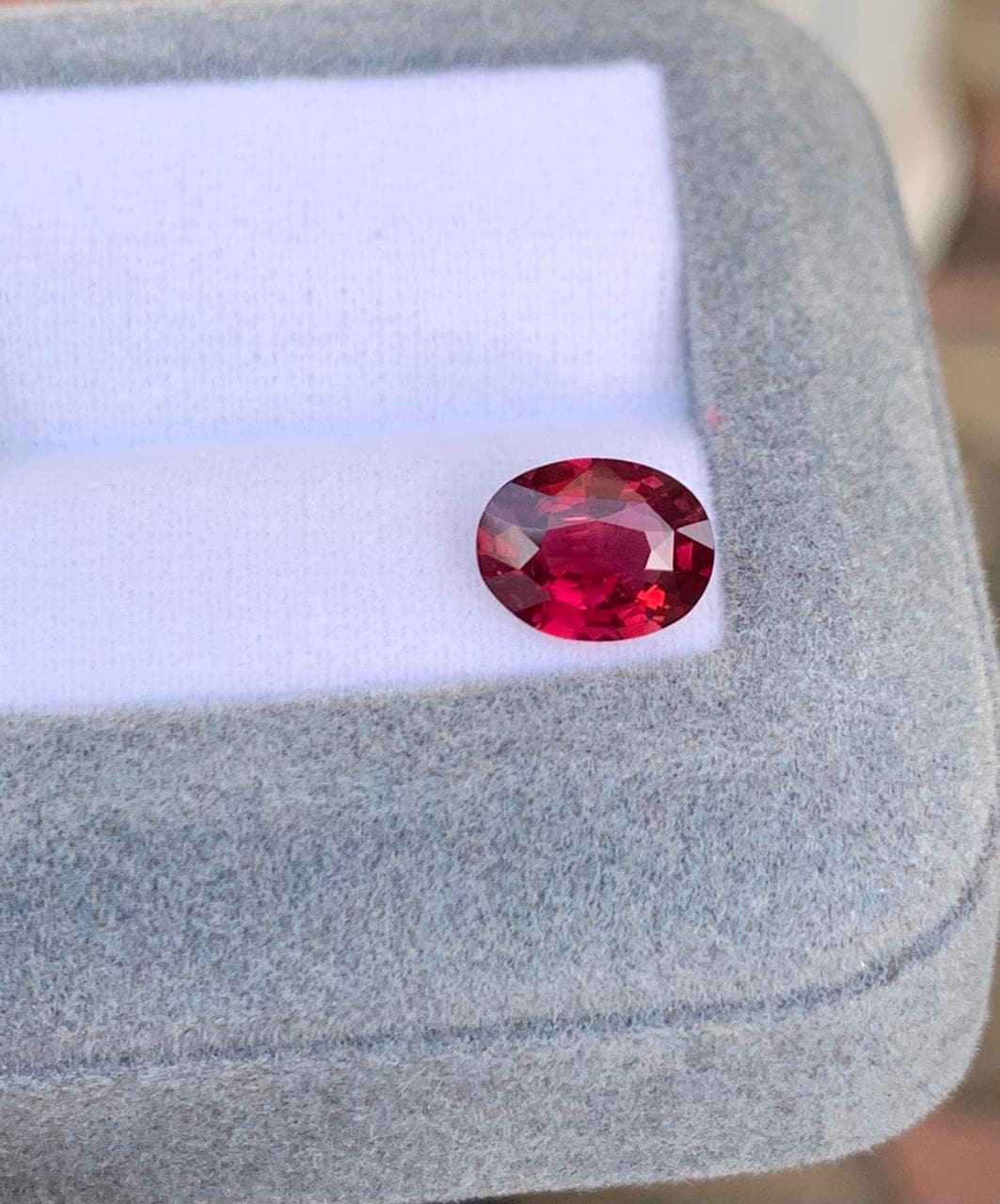
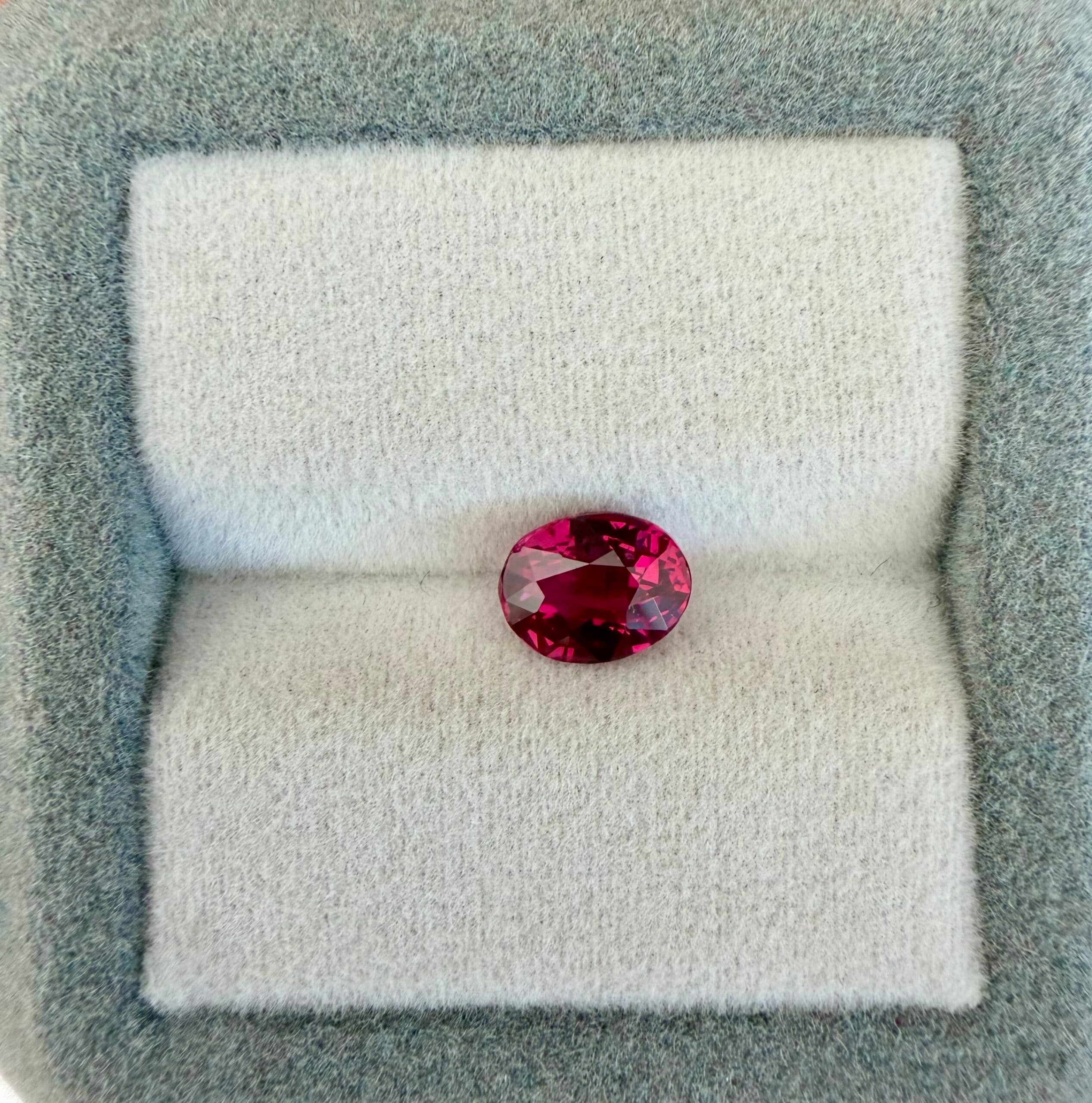
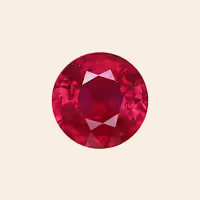
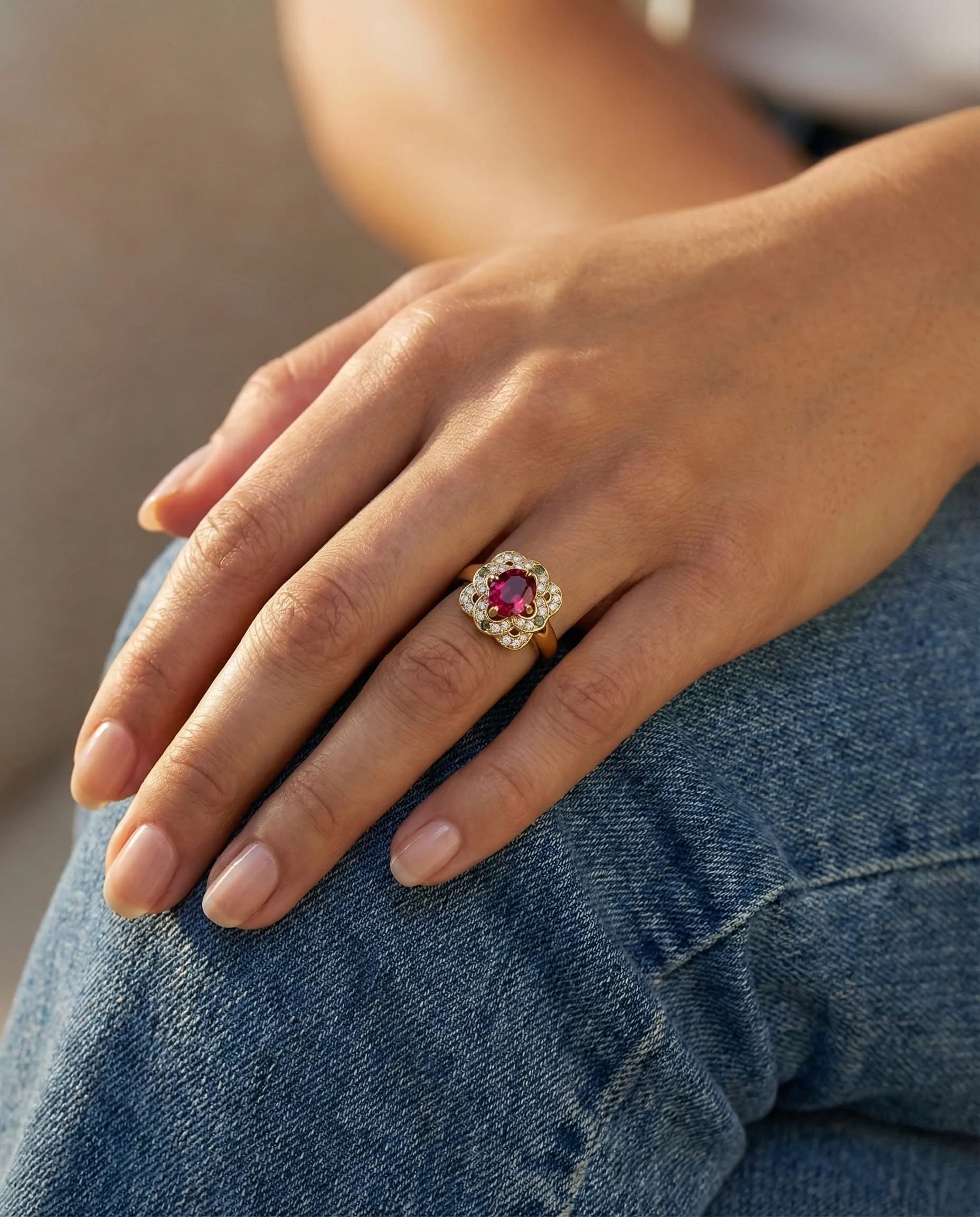
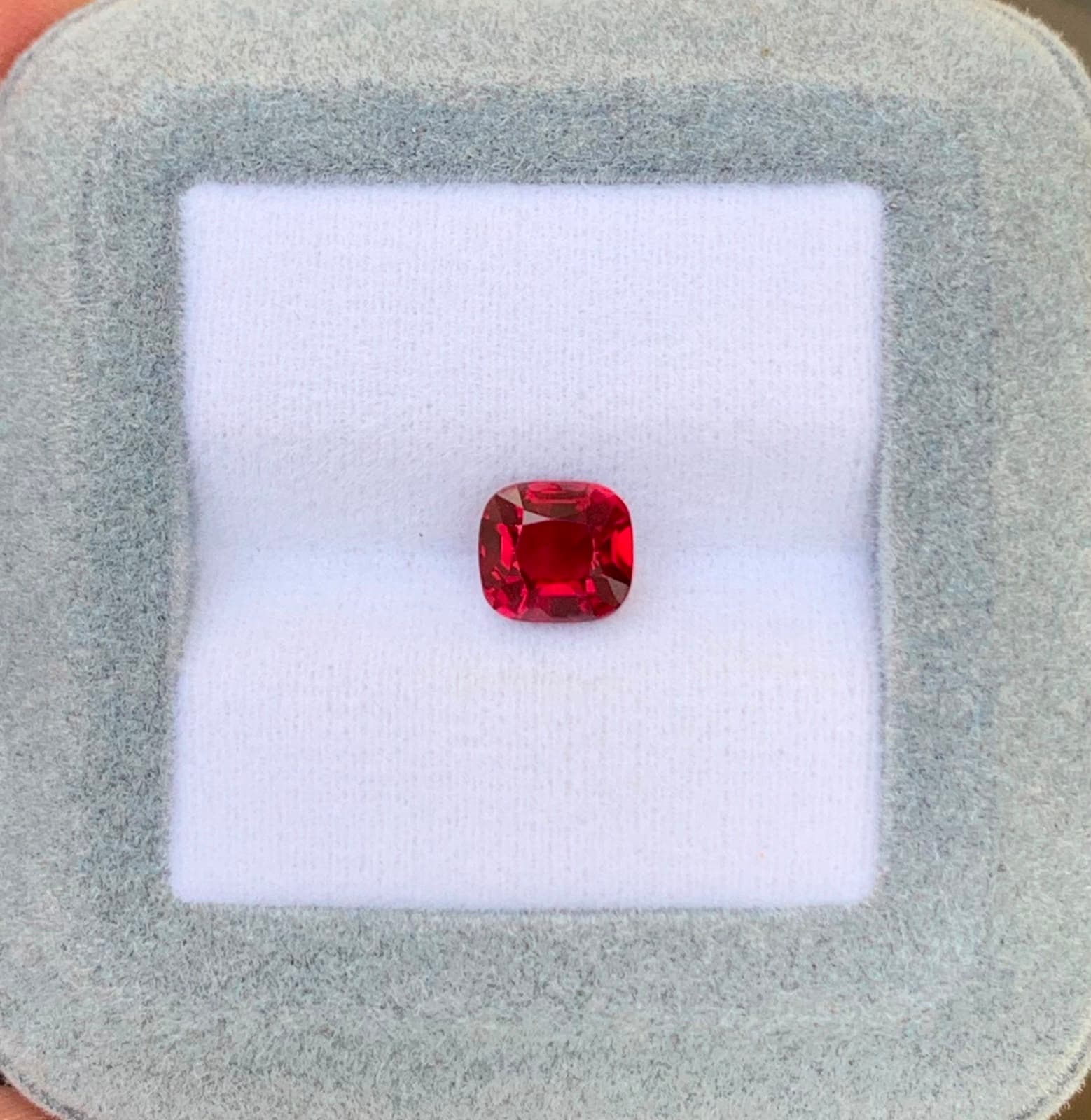
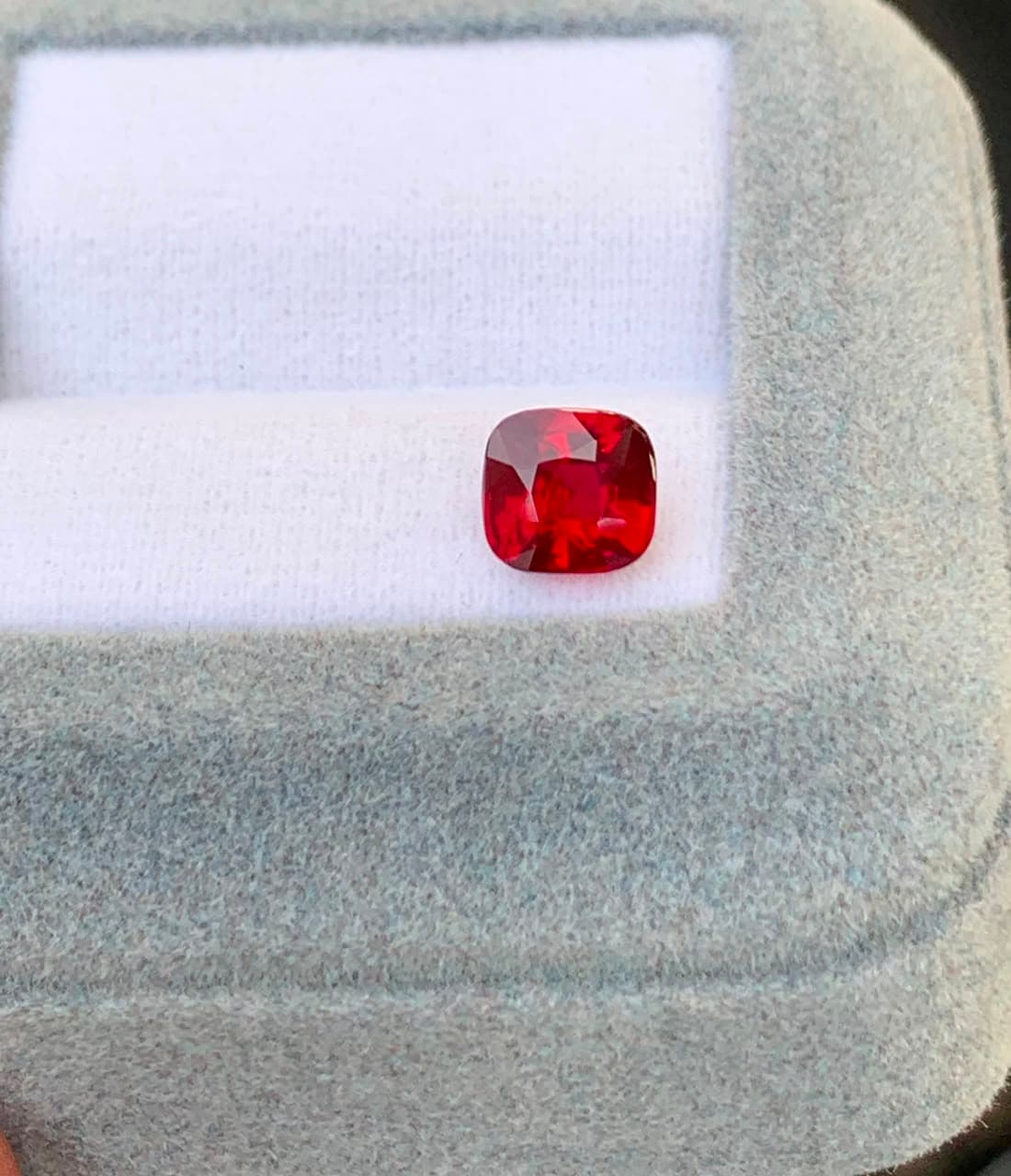
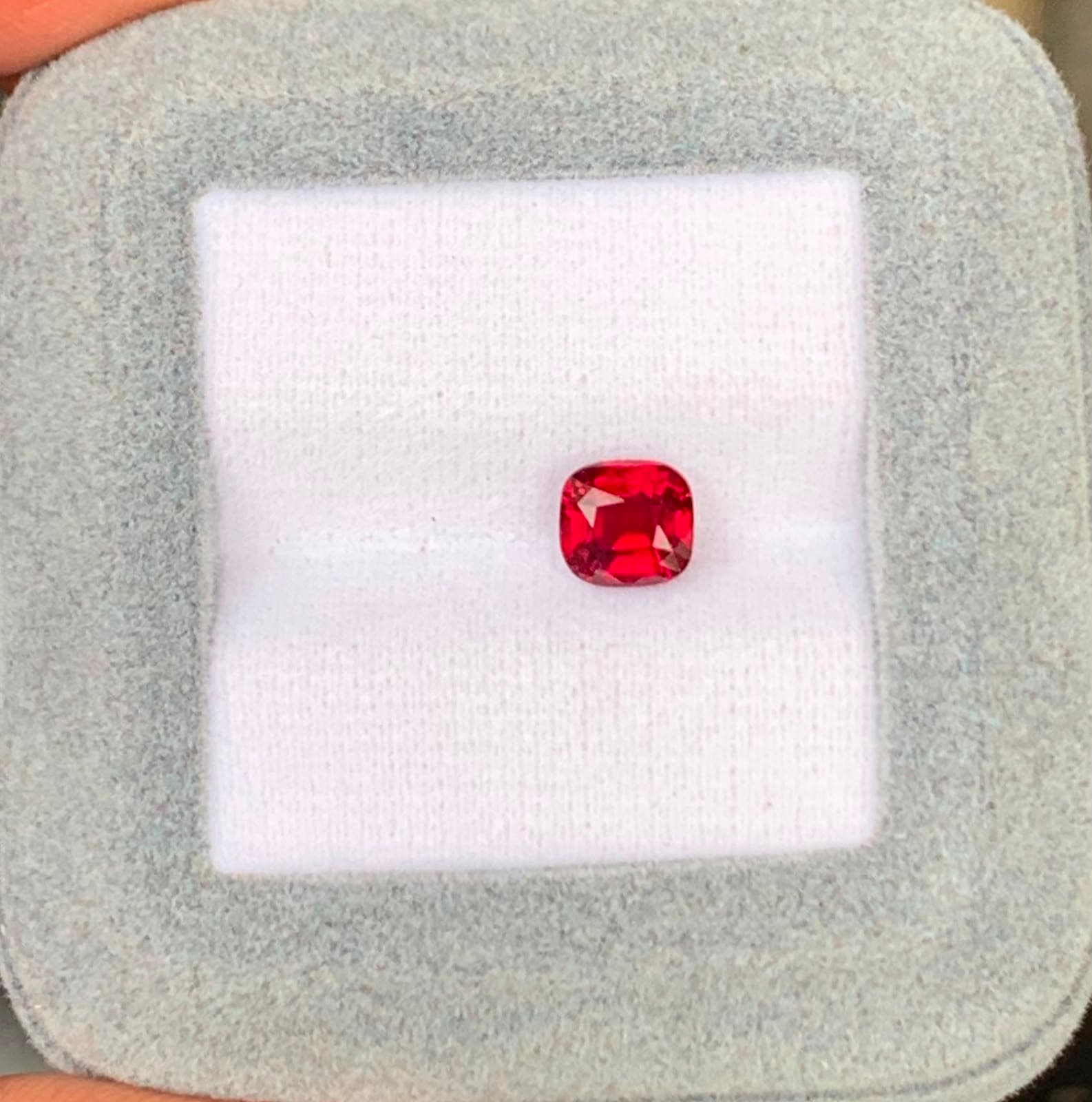
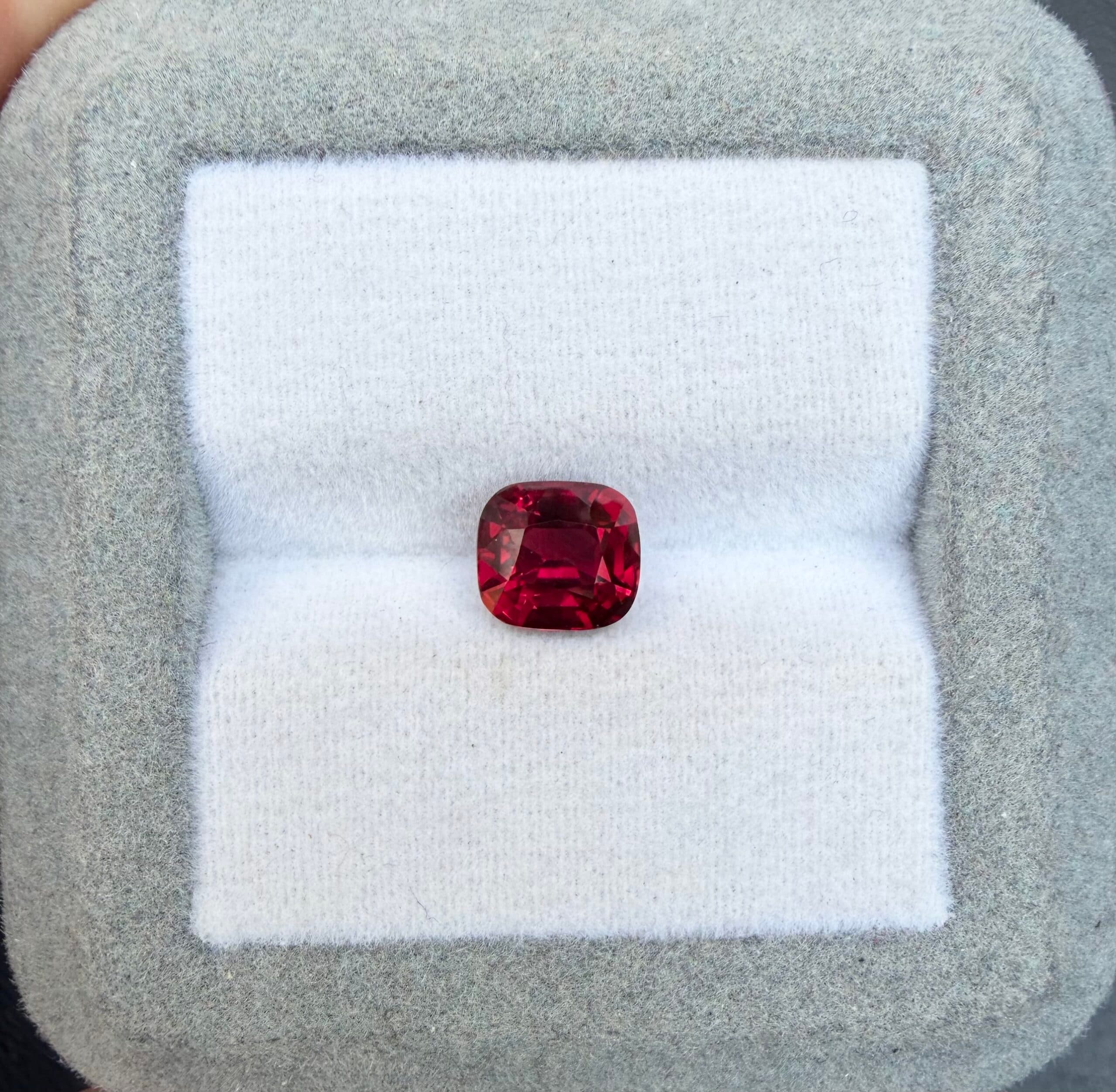
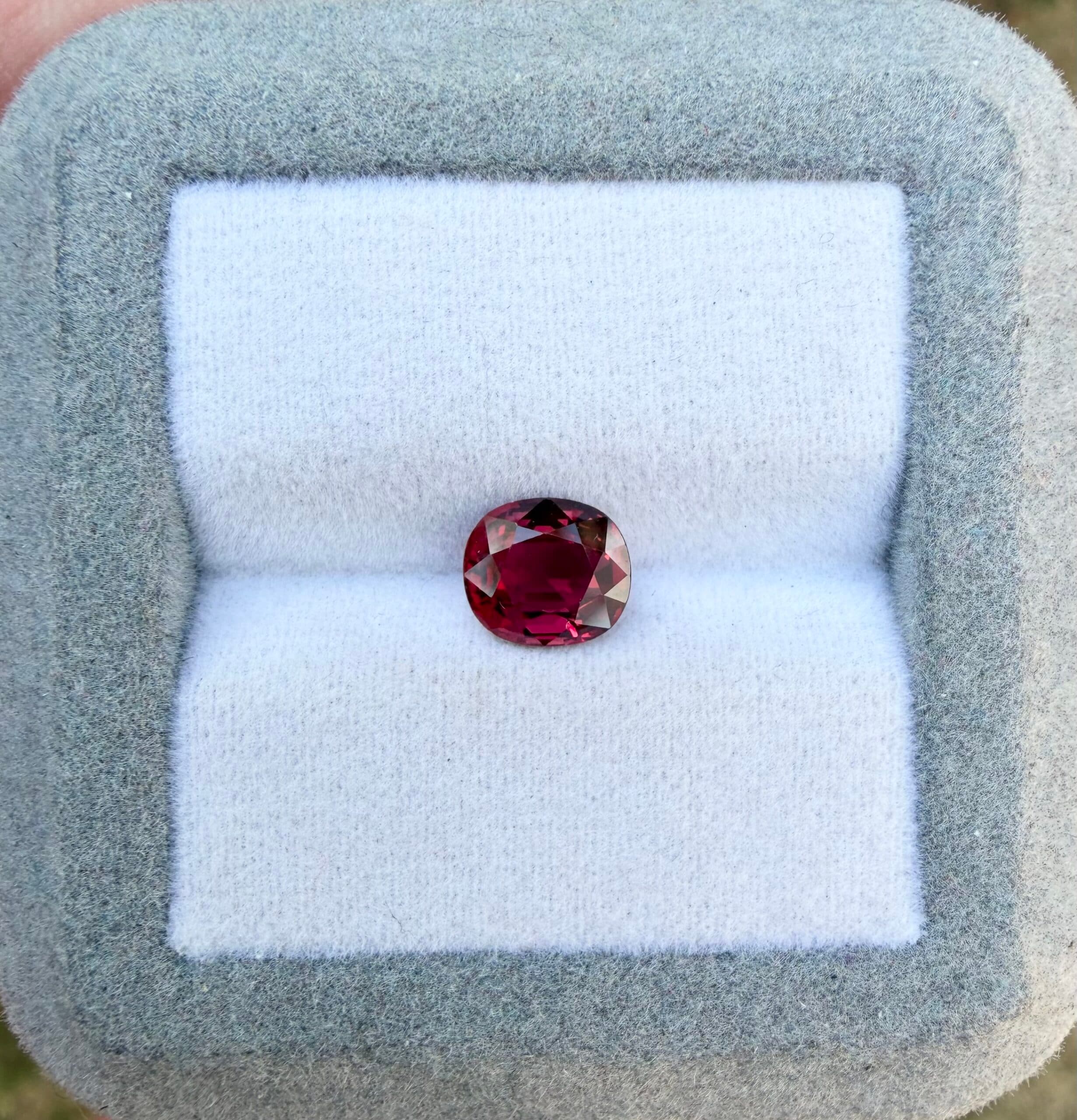
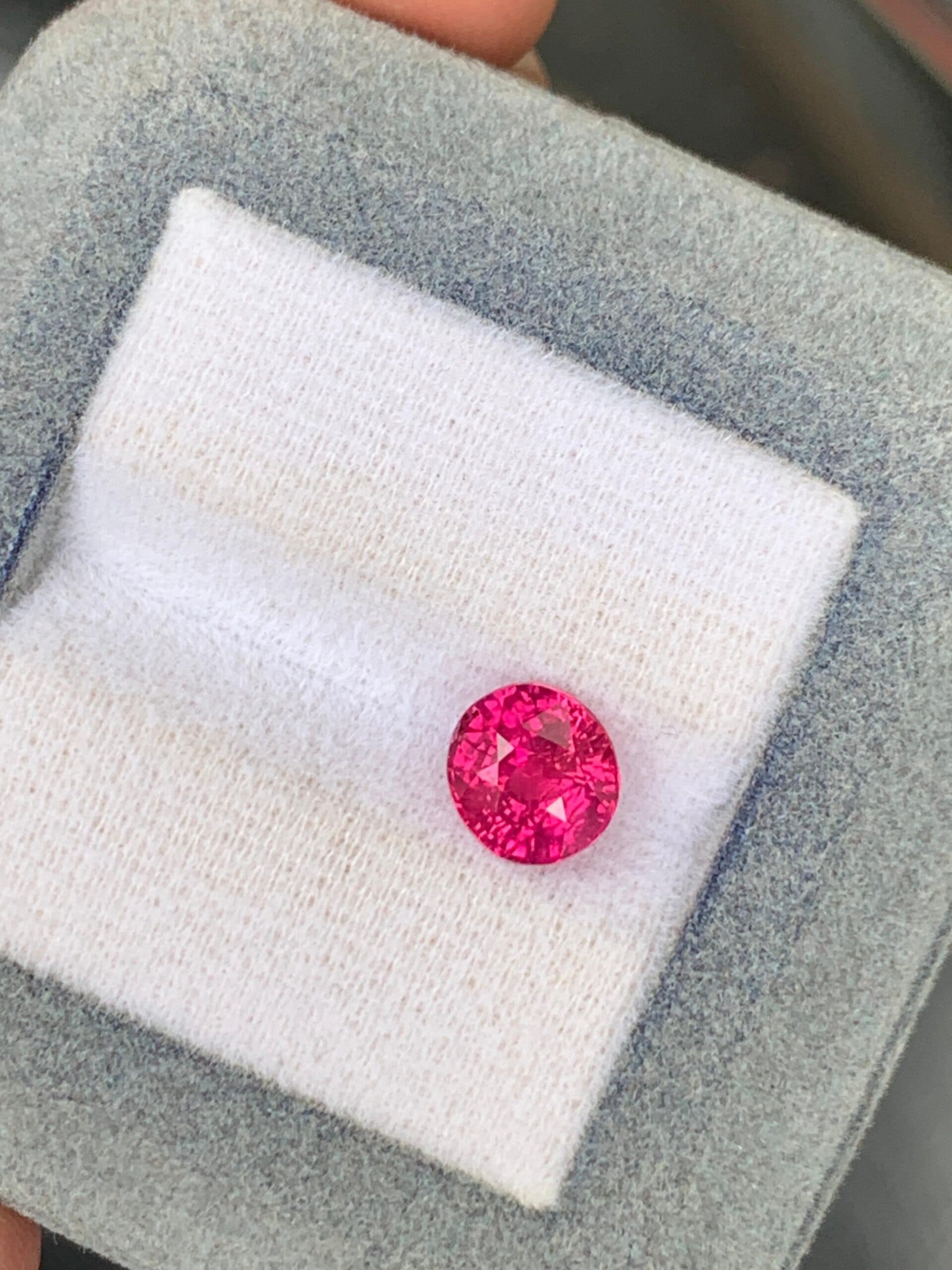
The ruby is the rarest and most intense of all precious colour stones. Coloured by chromium — which also gives it that unique fluorescence, the inner fire that ignites in sunlight — it reaches a hardness of 9/10 and commands…
Configure your ring
With Studio Bonnot, become the architect of your dream ring
Rating based on 100 customer reviews
Trusted by clients the world over
ICA Member
The only French jeweller to be a member of the International Colored Gemstone Association
Bonnot Paris Showroom
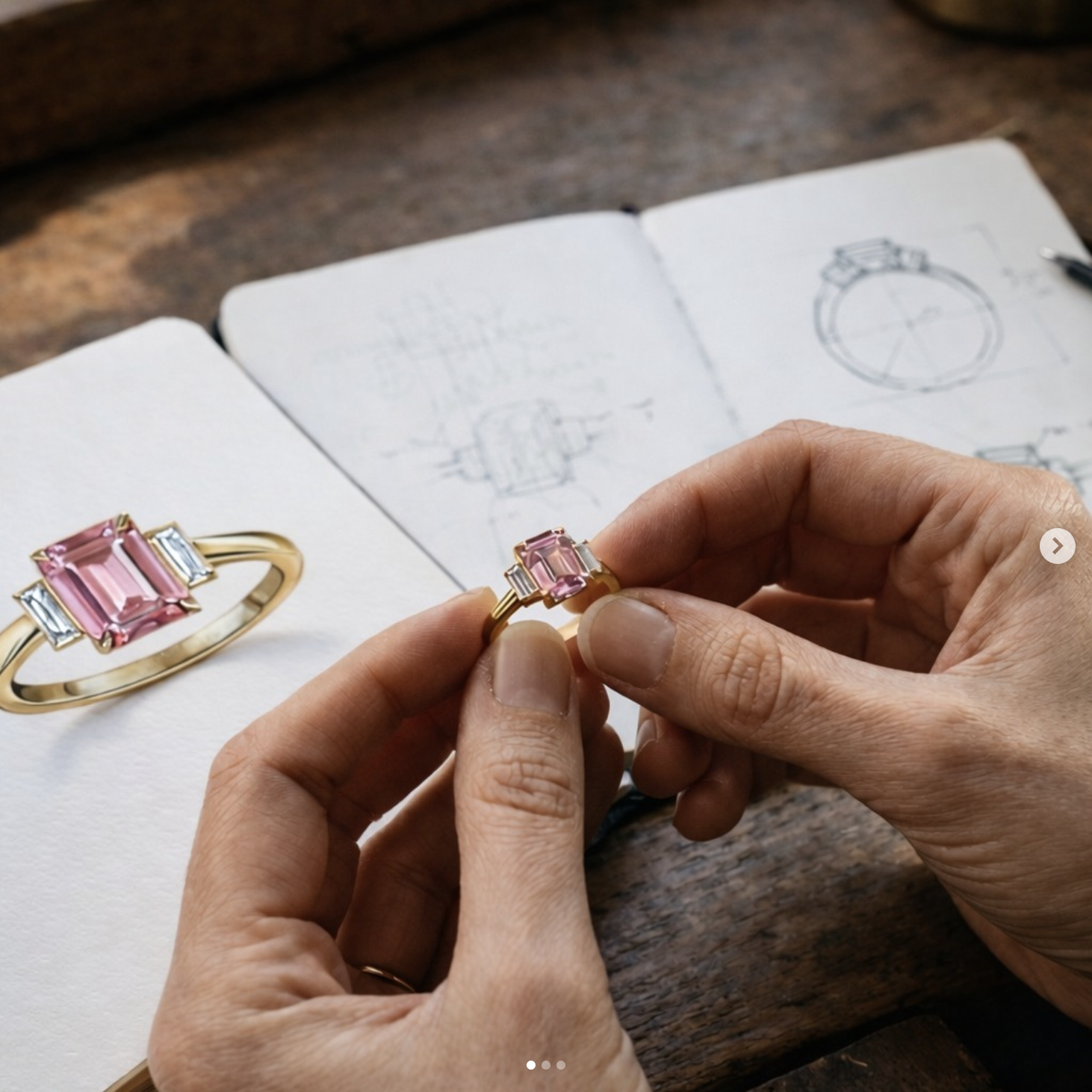
Everything begins with an appointment at Bonnot Paris
The Bonnot atelier
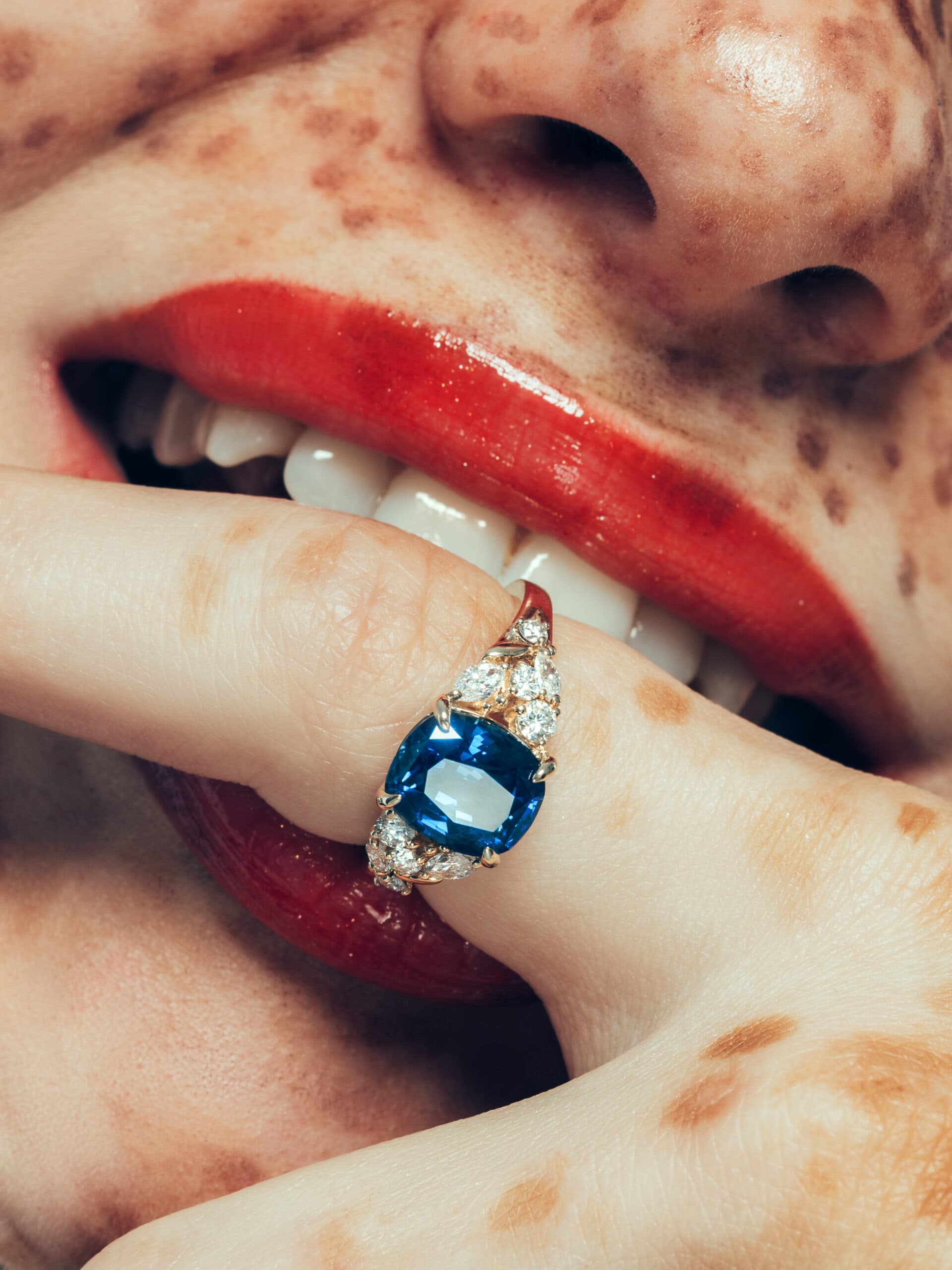
Every stone in this collection can be set in Paris on 18k gold, designed with you.
Explore
5/5
Excellent
5/5

Sophie Vincent
7 months ago
J'ai contacté la bijouterie Bonnot car je souhaitais un saphir Padparadscha, qui est assez rare. Toute la transaction a été faite à distance et s'est très bien passée. Ils sont très professionnels, à l'écoute et très sympathiques. J'ai reçu ma bague et elle correspond tout à fait à ma demande. Merci beaucoup 😋
5/5

Célia Gastel
6 months ago
L'adresse parfaite ! Bastien a été très à l'écoute, très bonne communication et très réactif ! Et leurs pierres sont superbes
5/5

Pn Ph
6 months ago
Excellente expérience avec Bastien pour la conception de notre bague de fiançailles sur mesure. Il a été disponible, les échanges ont été fluides et efficaces. La conception de la bague a été rapide, elle est magnifique et correspond exactement à ce que nous voulions. Nous recommandons fortement Bonnot pour son expertise, mais aussi son sens de l'écoute.
5/5

JFL lancelier
6 months ago
Très professionnels.un service impeccable une belle offre de bijoux de très grande qualité
5/5

Alan Cormand
6 months ago
J’ai récemment commencé une collection de pierres précieuses et je suis vraiment impressionné par la qualité. Les pierres sont magnifiques, bien taillées et correspondent parfaitement à la description. En plus, la livraison a été très rapide. Je recommande sans hésitation !
5/5

Alex
6 months ago
Une très belle maison qui allie savoir-faire et excellence du service. L’expérience client est fluide, rapide et d’une grande transparence. Merci à Bonnot Joaillerie pour cet accompagnement de qualité.
5/5

Christine Petit
6 months ago
Bastien est à la fois très sympathique et très professionnel. J'ai été très bien reçue, le contact et la communication sont faciles. J'ai fait transformer une marguerite en bague plus moderne et je suis ravie du résultat.
5/5

marielle frances
6 months ago
Une très belle rencontre autour d'une belle Pierre, merci à Bastien et François pour leur accueil! A très bientôt pour l'achat de nouvelles pierres!
5/5

Yac ine
5 months ago
Professionnels, réactifs et sympathiques, je recommande.

Exceptional precious stones at fair and transparent prices

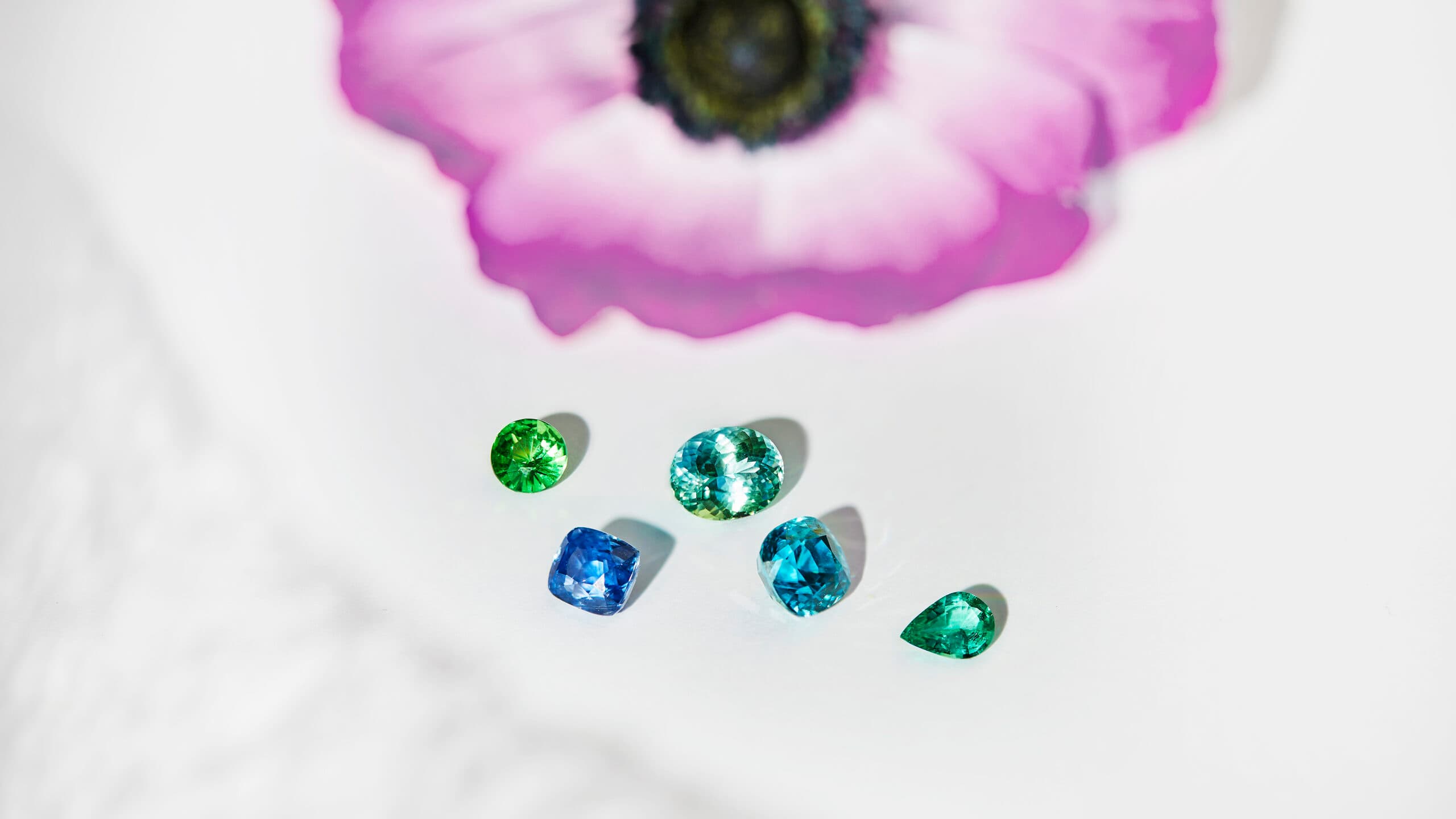
Our unique gemstones reflect the purity and elegance of nature

Exclusively by renowned independent laboratories
Exceptional sourcing
At Bonnot Paris, every stone is selected for its rarity, clarity and ethical provenance, ensuring full traceability, exceptional quality and fair pricing.
Four countries produce the great majority of gem-quality rubies. Burma, and in particular the Mogok region, remains the absolute historical benchmark for its intensely red, slightly violet rubies known as “pigeon’s blood.” Mozambique (the Montepuez mines, worked since 2009) has become the world’s second major source, yielding rubies with vivid, luminous hues. Sri Lanka produces lighter stones, often tending towards pink, with a velvety brilliance. Thailand and Vietnam complete the principal sources. Bonnot Paris sources directly in Burma and Mozambique.
The Mogok valley has been producing rubies of unique character for over 800 years. The local geology (marble deposits) and the nature of the trace elements — a high concentration of chromium and very little iron — give Mogok rubies an exceptionally vivid red with a slight violet cast and an intense fluorescence that amplifies their brilliance in natural light. This is what is known as “pigeon’s blood.” Production from Mogok is today marginal compared with Mozambique, making these stones a form of heritage rarity. A certified unheated Burmese ruby can command five to ten times the price of an equivalent stone from Mozambique.
“Pigeon’s blood” is a premium colour designation given to a ruby of intense, slightly violet red at maximum saturation, evoking the colour of blood droplets on a pigeon’s beak. It is a precise qualification awarded by leading gemmological laboratories (SSEF, GRS, AGL, Gübelin) according to strict criteria: hue, saturation, tone and fluorescence. Not every Burmese ruby qualifies — it is a grade reserved for a fraction of the finest stones. A certified pigeon’s blood ruby typically commands 30 to 100% more than a standard ruby of equivalent weight.
The price of a ruby varies considerably depending on origin, colour, clarity and treatment. Expect to pay €1,000 to €3,000 per carat for a good-quality heated Mozambique ruby of around one carat; €3,000 to €10,000 per carat for a fine-quality stone of one to two carats; and €10,000 to €50,000 per carat for a gem-quality unheated Burmese ruby. Unheated pigeon’s blood rubies above three carats regularly reach several hundred thousand euros per carat at auction — a 25-carat Burmese ruby sold for 30 million dollars at Sotheby’s in 2015.
Absolutely. With a hardness of 9 on the Mohs scale (out of 10), a ruby offers the same exceptional durability as a sapphire — the second hardest gemstone in the world after diamond. It withstands everyday wear without requiring any protective setting. Symbolically, the ruby is the stone of passion, courage and absolute commitment — a powerful statement for a marriage proposal. Its rarity, which surpasses that of diamond at equivalent quality levels, also makes it an outstanding heirloom investment.
Choose bespoke: select your stone and create your own design.
Three things matter above all. A gemmological certificate from a recognised independent laboratory (SSEF, GRS, GIA, AGL) confirms the stone’s natural origin, any treatments, and its mineralogical identity. Examination under a 10x loupe reveals characteristic inclusions — needle-like rutile or “silk,” colour zoning — which are virtually absent from synthetic rubies. Finally, buying from a trusted professional — a gem dealer or jeweller, ideally a member of a recognised trade body such as the ICA for coloured stones — remains the best guarantee of all. Be wary of rubies that are too transparent and too inexpensive; they are almost always synthetic or heavily treated.
Heat treatment is an age-old practice, carried out at 1,200–1,800 °C to intensify colour and improve the clarity of rubies. Around 95% of rubies on the market are heated — this is an internationally accepted standard. An unheated ruby (“no heat” or “NH” on the certificate) retains all its natural characteristics and commands a premium of 50% to five times the price of a treated stone of equivalent quality — the premium being all the greater the finer the stone. Bonnot Paris offers both options and never deals in rubies treated with beryllium or lead glass, contested processes that alter the very structure of the stone.