Configure your ring
With Studio Bonnot, become the architect of your dream ring
Start creating
Bonnot Paris
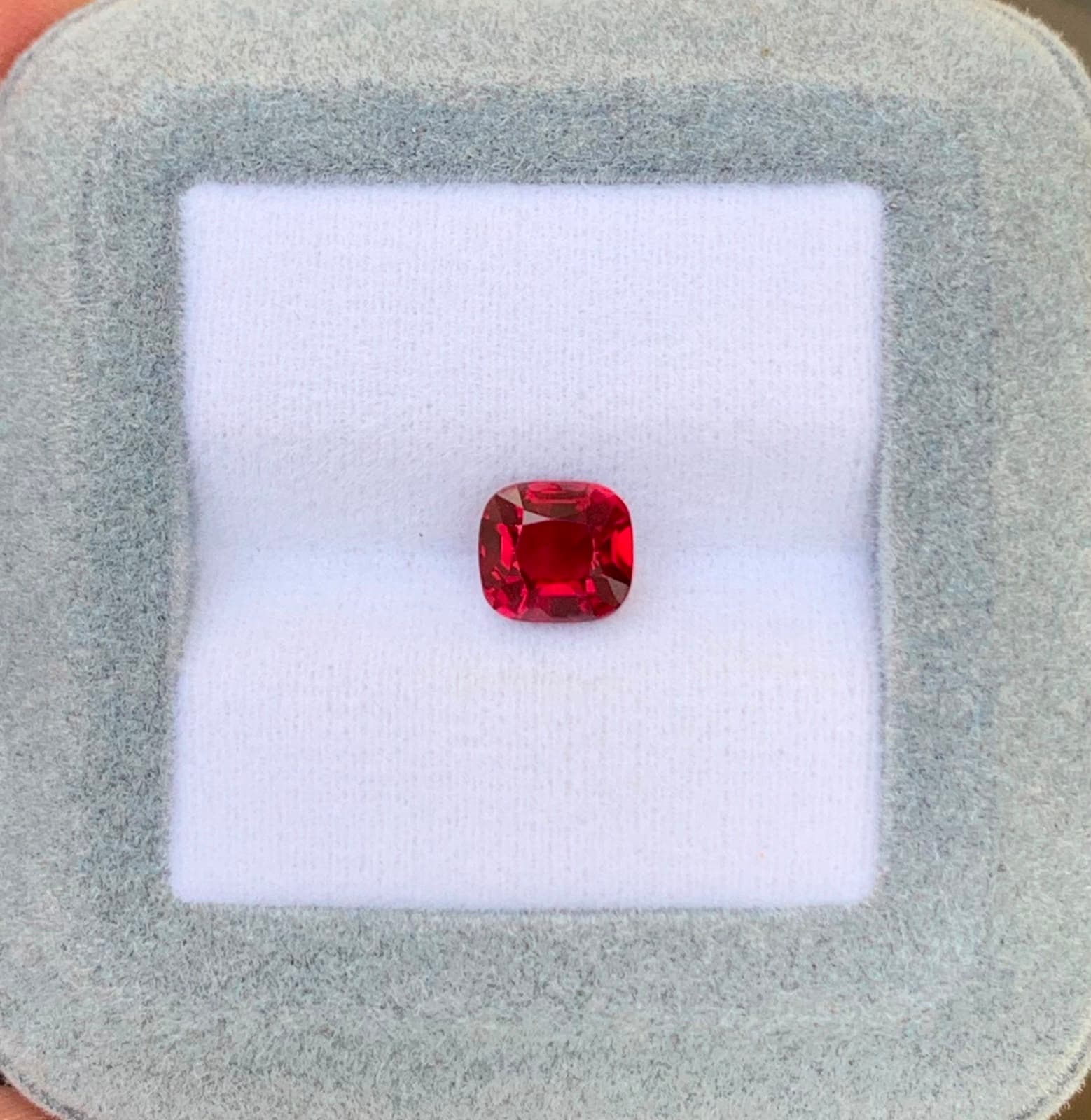
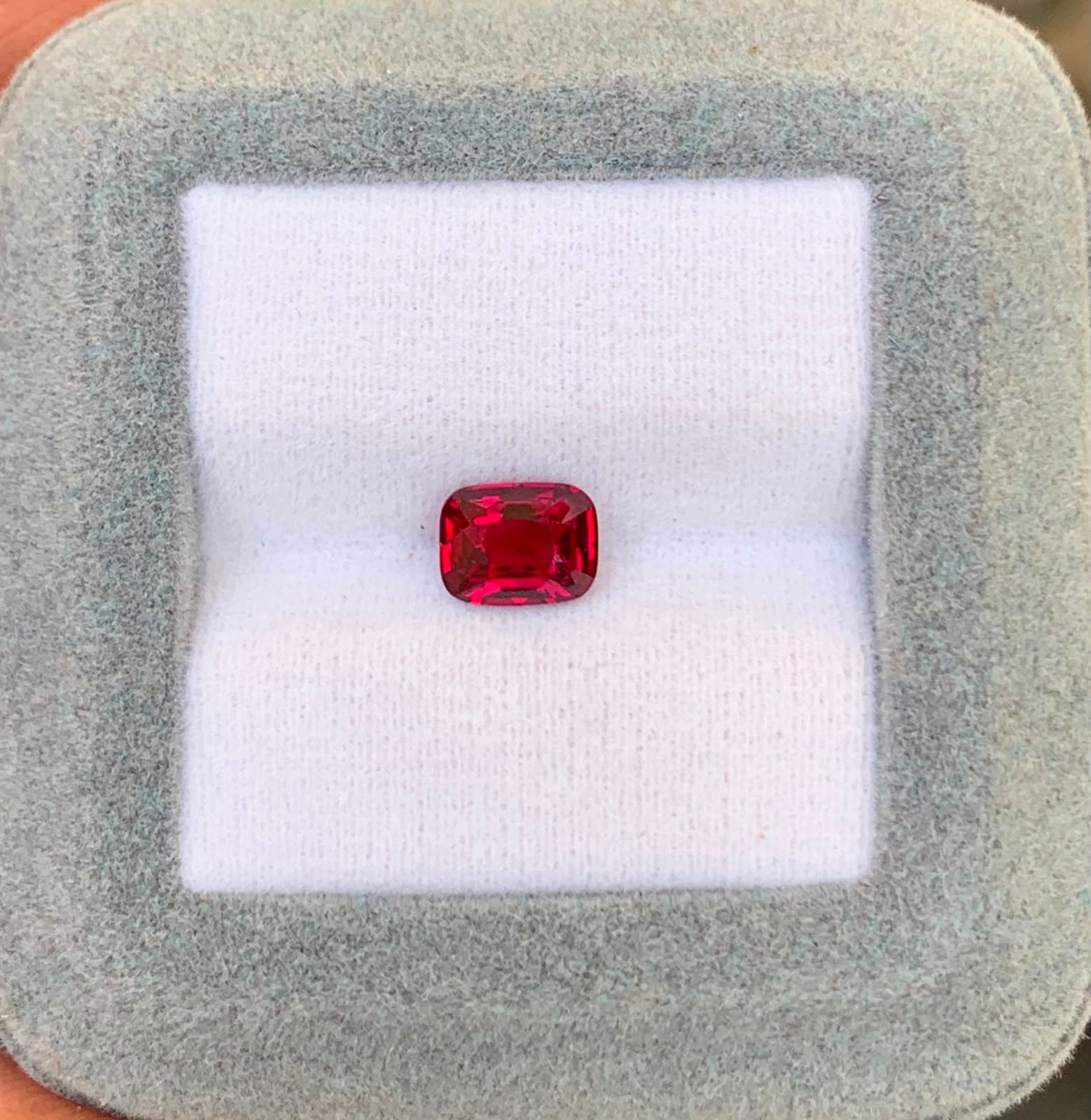
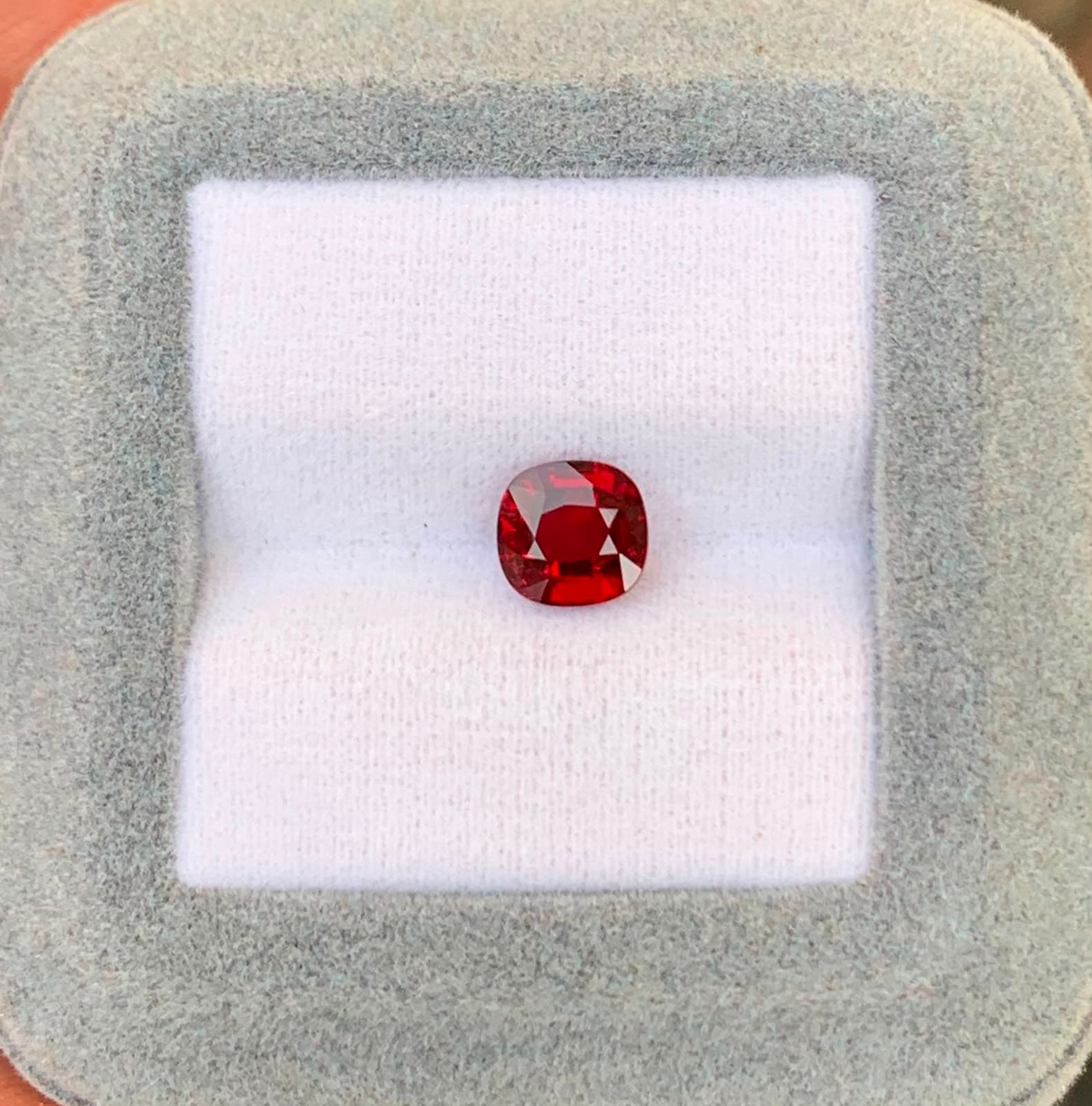
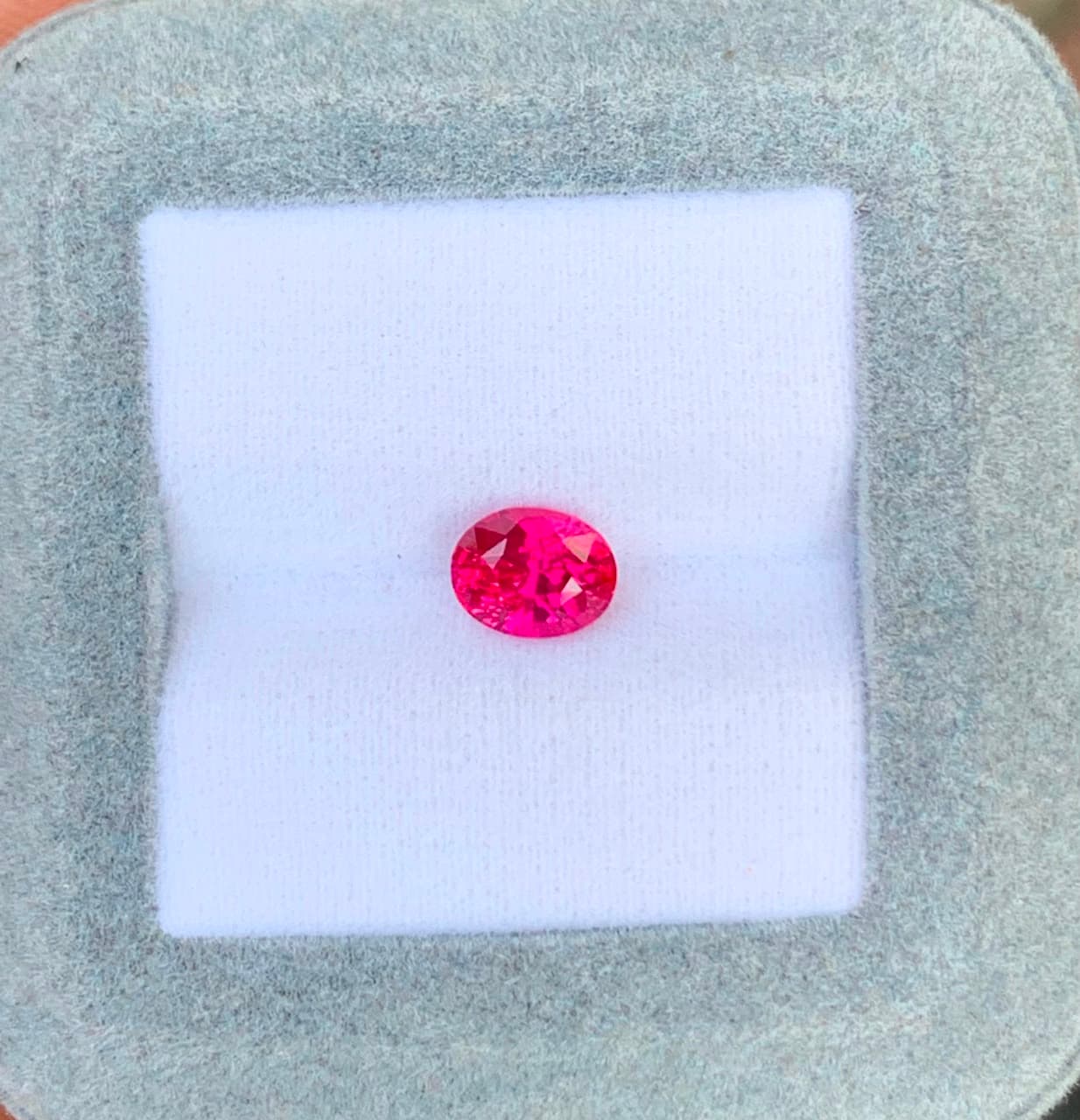
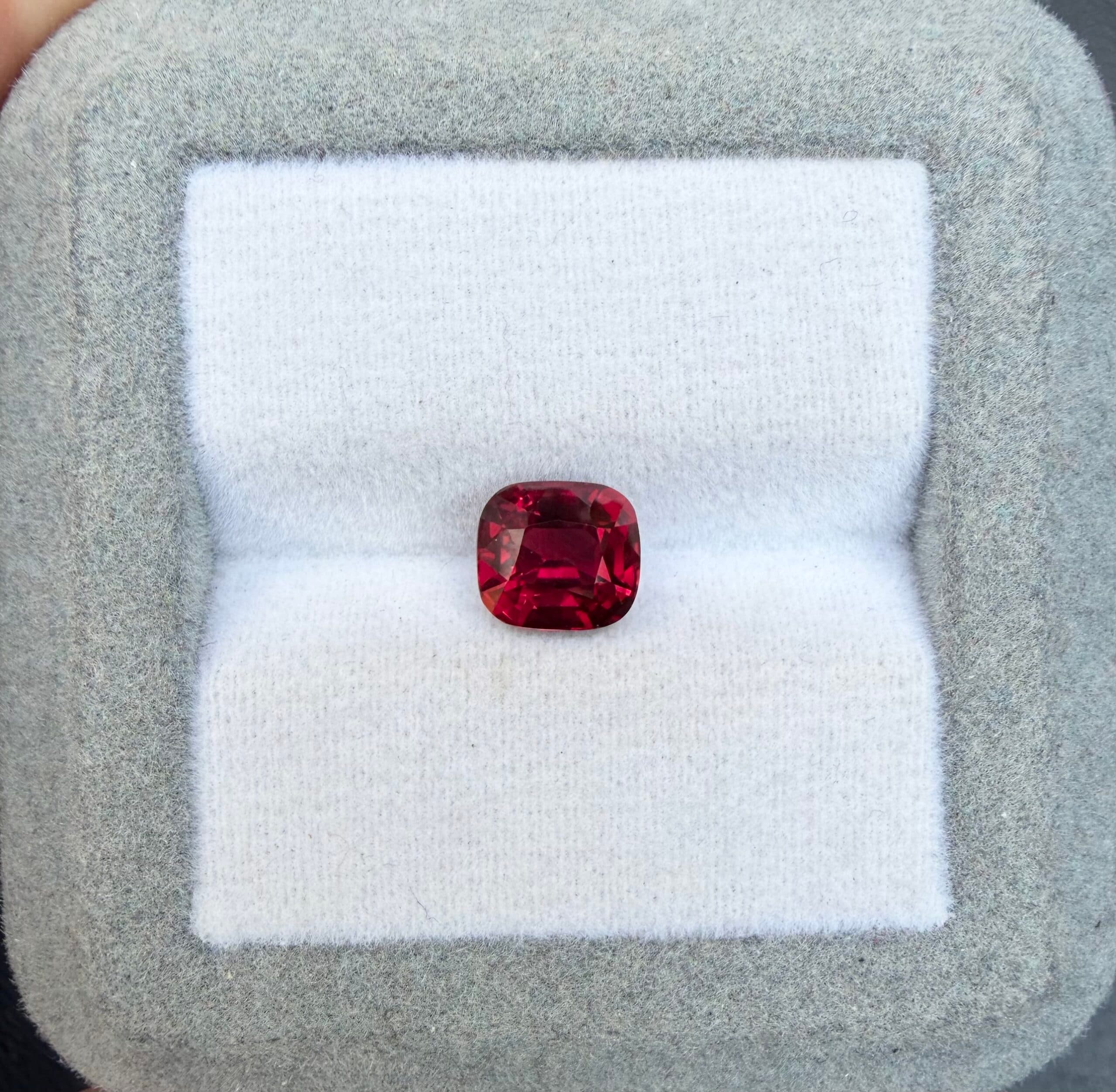
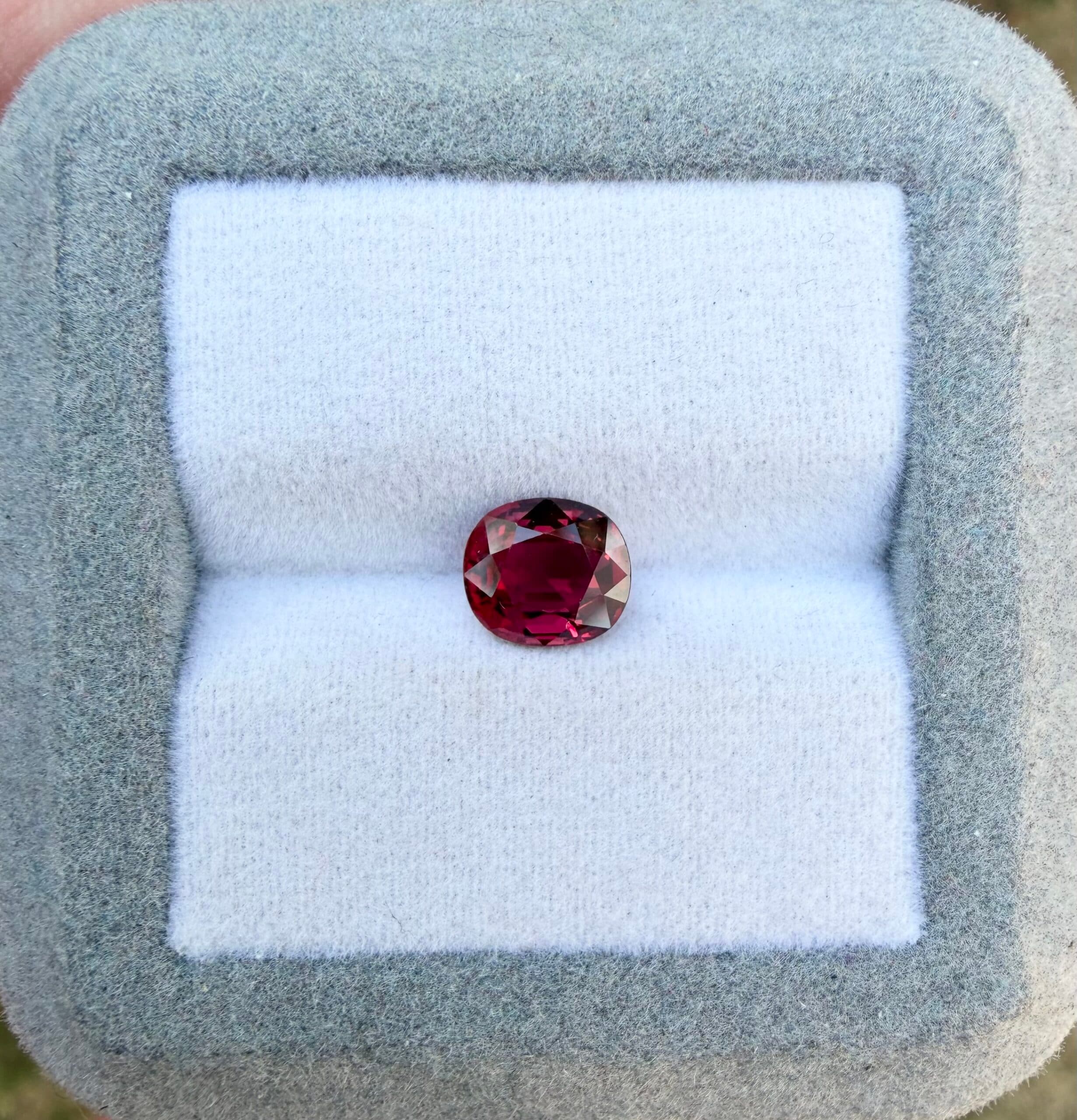
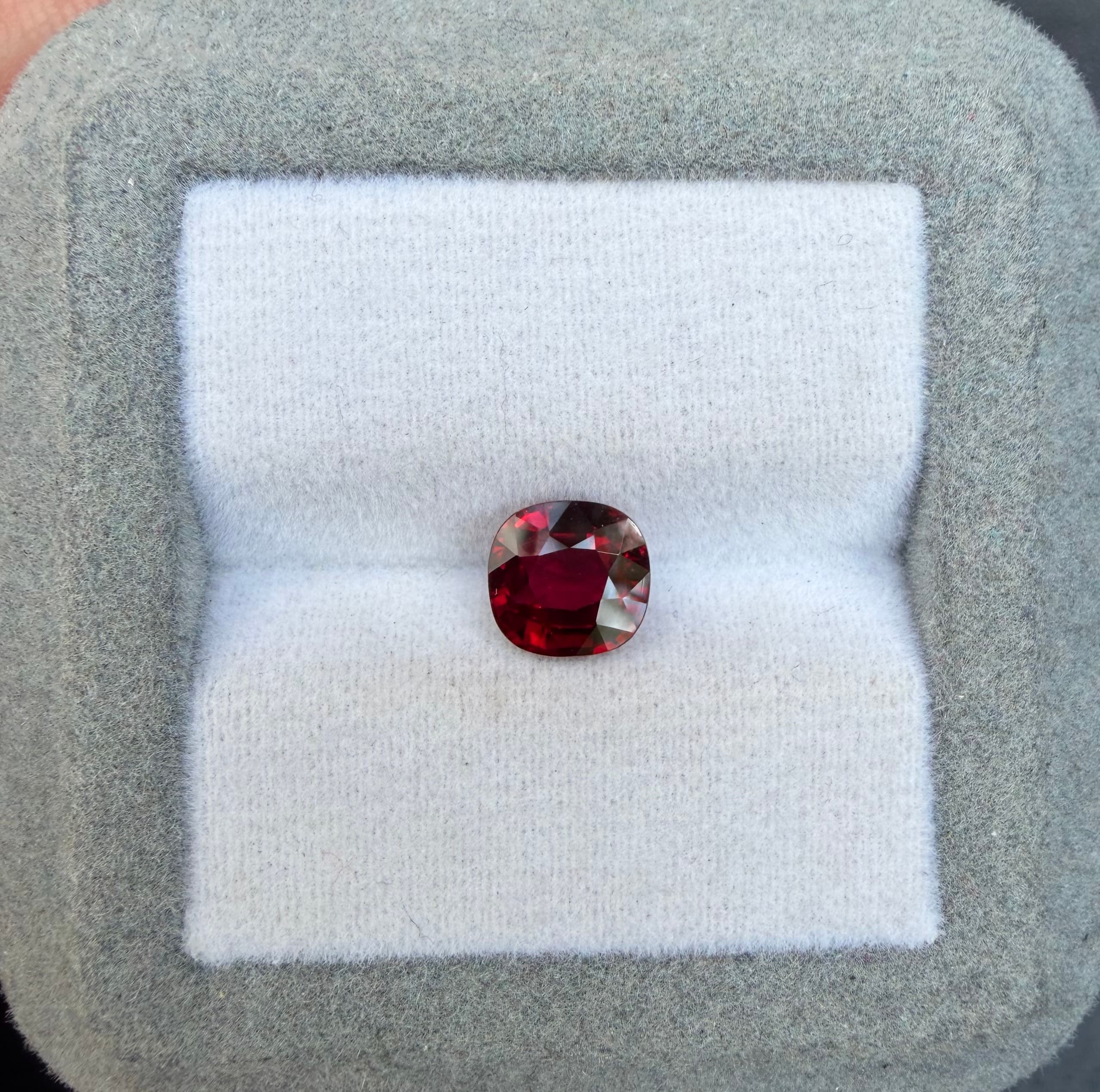
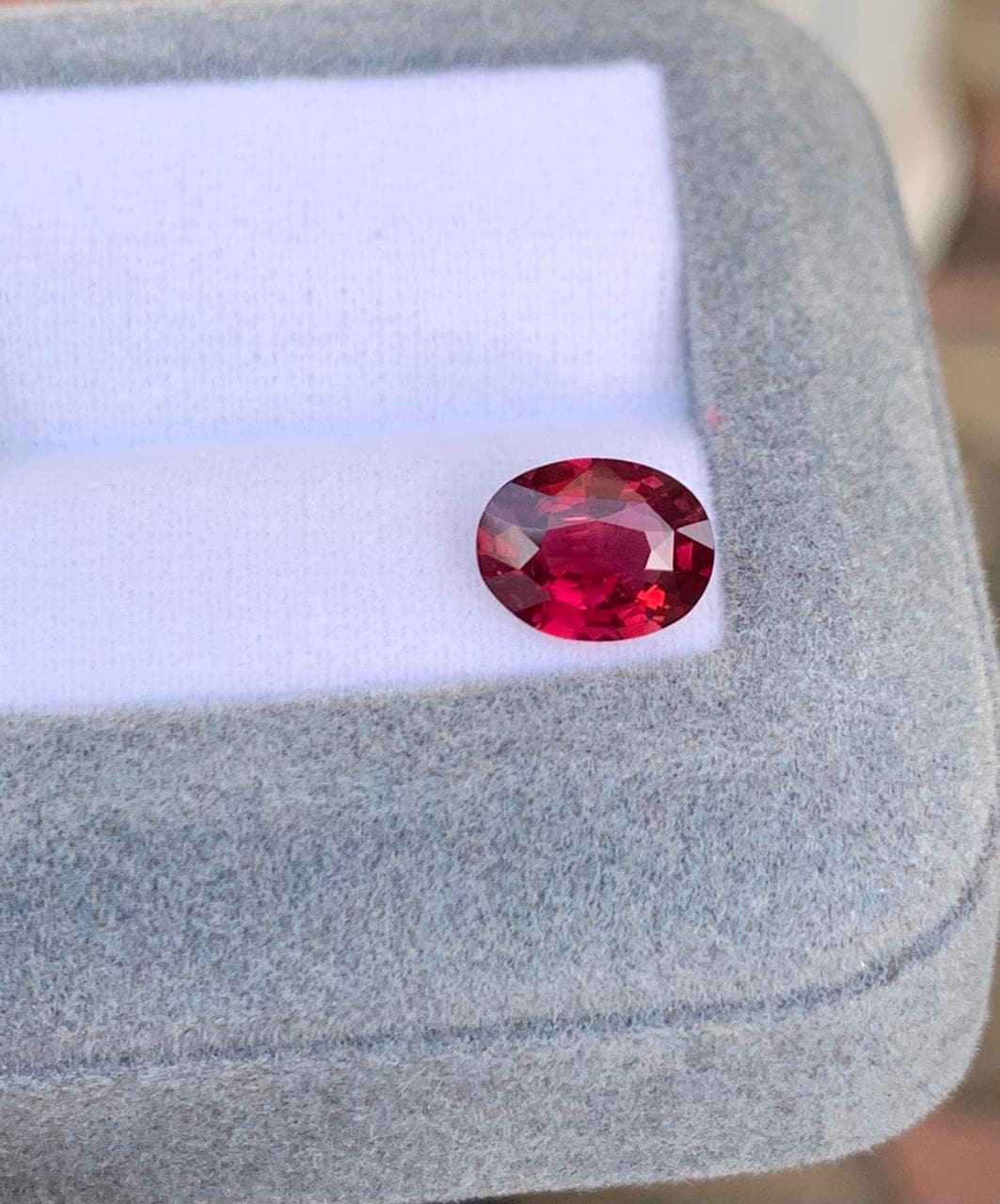
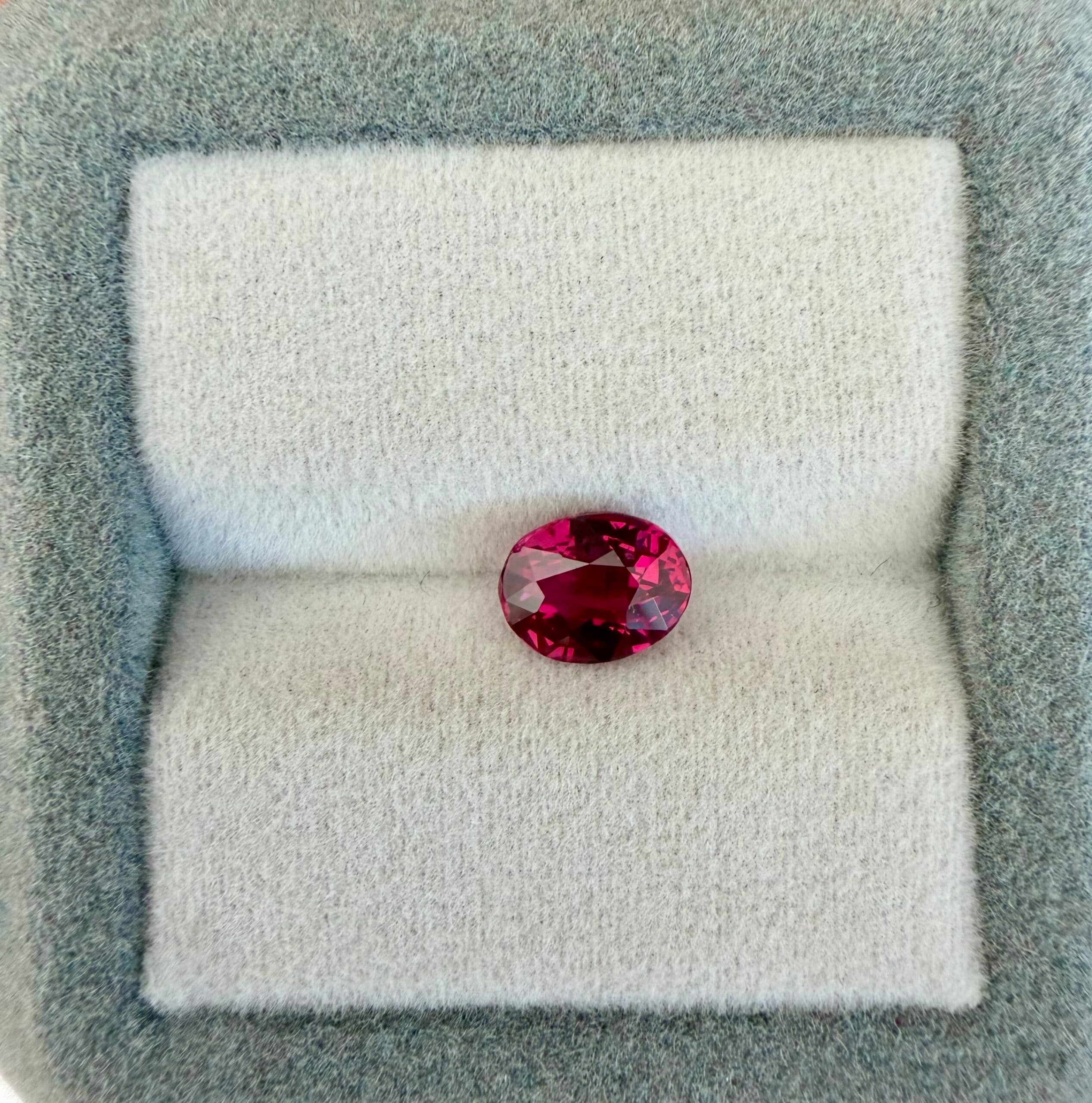
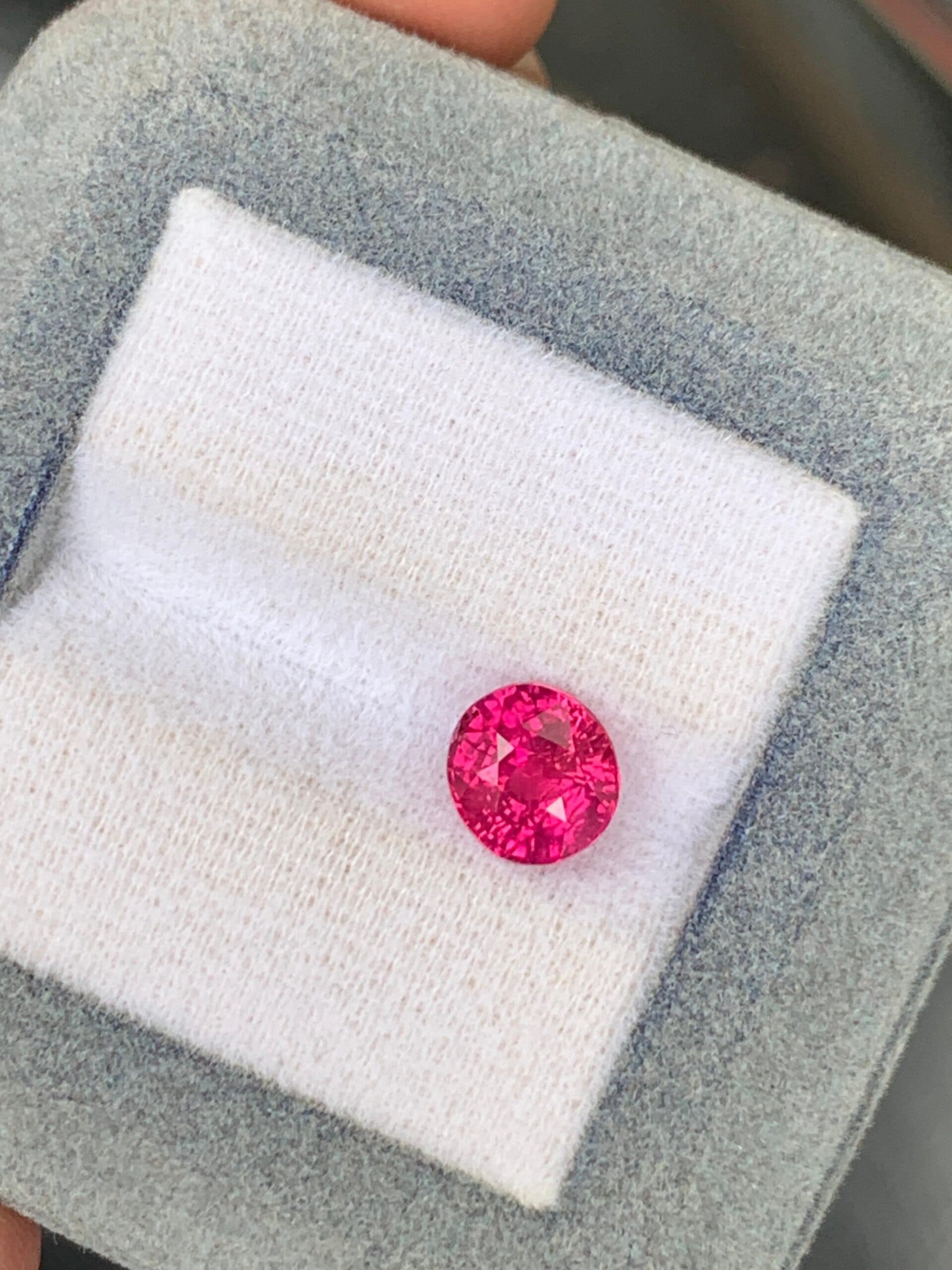
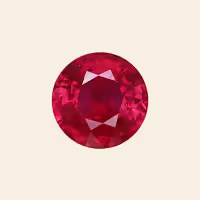
Mozambique ruby is today's benchmark on the market. Discovered in the late 2000s, the Montepuez deposit now supplies the vast majority of gem-quality rubies worldwide: deep reds, often unheated, with a consistency that Burma can…
The Bonnot atelier
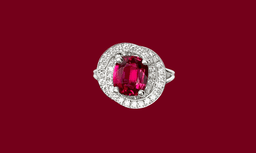
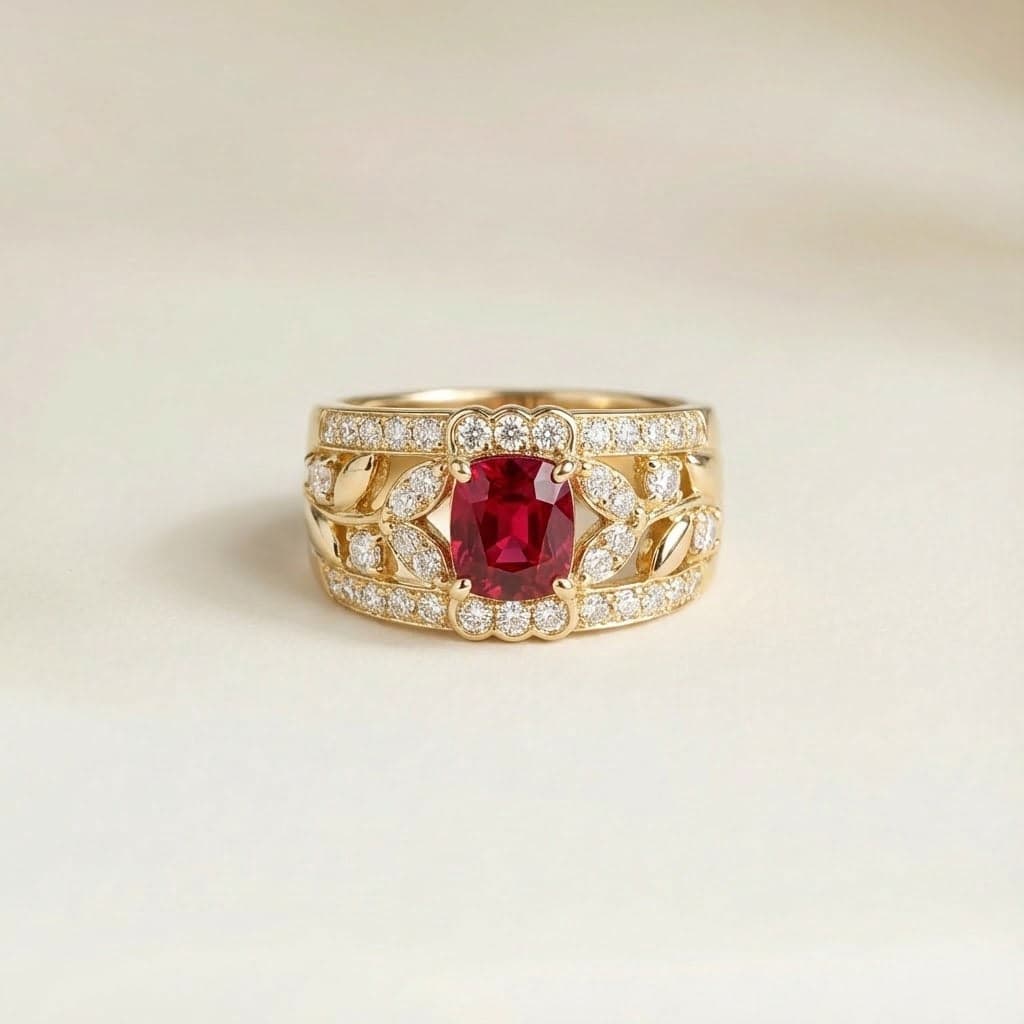
Every stone in this collection can be set in Paris on 18k gold, designed with you.
Explore
5/5
Excellent
5/5

Sophie Vincent
7 months ago
J'ai contacté la bijouterie Bonnot car je souhaitais un saphir Padparadscha, qui est assez rare. Toute la transaction a été faite à distance et s'est très bien passée. Ils sont très professionnels, à l'écoute et très sympathiques. J'ai reçu ma bague et elle correspond tout à fait à ma demande. Merci beaucoup 😋
5/5

Célia Gastel
6 months ago
L'adresse parfaite ! Bastien a été très à l'écoute, très bonne communication et très réactif ! Et leurs pierres sont superbes
5/5

Pn Ph
6 months ago
Excellente expérience avec Bastien pour la conception de notre bague de fiançailles sur mesure. Il a été disponible, les échanges ont été fluides et efficaces. La conception de la bague a été rapide, elle est magnifique et correspond exactement à ce que nous voulions. Nous recommandons fortement Bonnot pour son expertise, mais aussi son sens de l'écoute.
5/5

JFL lancelier
6 months ago
Très professionnels.un service impeccable une belle offre de bijoux de très grande qualité
5/5

Alan Cormand
6 months ago
J’ai récemment commencé une collection de pierres précieuses et je suis vraiment impressionné par la qualité. Les pierres sont magnifiques, bien taillées et correspondent parfaitement à la description. En plus, la livraison a été très rapide. Je recommande sans hésitation !
5/5

Alex
6 months ago
Une très belle maison qui allie savoir-faire et excellence du service. L’expérience client est fluide, rapide et d’une grande transparence. Merci à Bonnot Joaillerie pour cet accompagnement de qualité.
5/5

Christine Petit
6 months ago
Bastien est à la fois très sympathique et très professionnel. J'ai été très bien reçue, le contact et la communication sont faciles. J'ai fait transformer une marguerite en bague plus moderne et je suis ravie du résultat.
5/5

marielle frances
6 months ago
Une très belle rencontre autour d'une belle Pierre, merci à Bastien et François pour leur accueil! A très bientôt pour l'achat de nouvelles pierres!
5/5

Yac ine
5 months ago
Professionnels, réactifs et sympathiques, je recommande.

Exceptional precious stones at fair and transparent prices

Our unique gemstones reflect the purity and elegance of nature

Exclusively by renowned independent laboratories
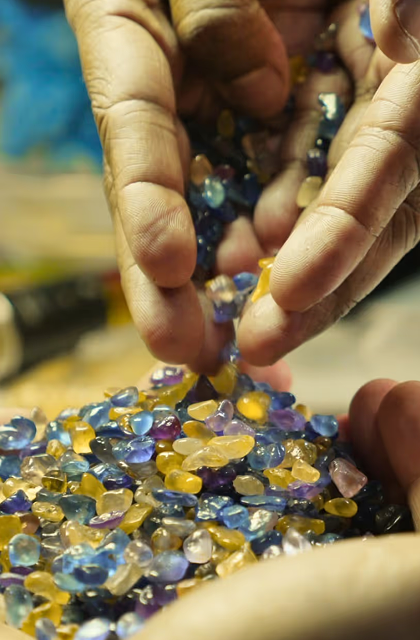
Exceptional sourcing
At Bonnot Paris, every stone is selected for its rarity, clarity and ethical provenance, ensuring full traceability, exceptional quality and fair pricing.
Mozambique rubies display an intense red, sometimes with a slight orange or purple cast. Burmese rubies (Mogok) offer a deeper red with superior UV fluorescence. It is this fluorescence that gives Burmese rubies their characteristic brilliance, known as "pigeon's blood." Mozambique rubies generally show fewer visible inclusions. On price, Burmese rubies command a premium of 3 to 10 times more for equivalent quality. The choice ultimately depends on budget and the precise colour character you are seeking.
Several factors account for the price difference. First, historical rarity: Burmese rubies carry 800 years of cultural and commercial heritage, giving them an unrivalled prestige premium. Second, fluorescence: Burmese rubies display superior fluorescence that amplifies their brilliance in light — a characteristic highly prized by collectors. Finally, production volume: the Montepuez mine yields more rubies than all Burmese mines combined. This relative abundance exerts downward pressure on prices.
Price varies according to quality, weight and treatment. For a good-quality heated ruby of around 1 carat, expect €1,000 to €3,000 per carat. For 2–3 carats of equivalent quality, prices typically range from €3,000 to €8,000 per carat. An unheated Mozambique ruby commands 2 to 3 times more. Exceptional stones with vivid colour and no visible inclusions exceed €15,000 per carat. At equivalent quality, a Mozambique ruby costs 3 to 10 times less than a Burmese ruby.
The Montepuez mine is operated by Gemfields, a mining group listed in London. Gemfields has published a responsible conduct code since 2013, covering health and safety, financial transparency, traceability and environmental standards. The mine is subject to regular audits by independent bodies, and Gemfields publishes detailed data on its mining practices. It is one of the few ruby operations in the world to offer this level of transparency. This does not make Montepuez a "Fairtrade" mine in the strictest sense, but its traceability standards remain among the highest in the ruby sector.
Mozambique rubies offer a varied palette of reds. Gem-quality stones display a vivid, luminous red, sometimes with subtle purple or orange overtones, ranging from cherry red to deep intense red. Certain stones even achieve "pigeon's blood" quality, a designation traditionally reserved for Burmese rubies — though it remains less common in Mozambique than in Mogok. Mozambican rubies are also frequently distinguished by greater visual clarity than their Burmese counterparts.
Approximately 90% of Mozambique rubies undergo high-temperature heat treatment. This process intensifies colour and improves transparency. It is internationally accepted by the market and does not affect the durability of the stone. Unheated rubies (noted as "NH" or "no heat" on the certificate) remain rarer and more highly valued, commanding 2 to 3 times the price. Bonnot Paris offers both options. We do not sell any ruby treated with lead glass — a controversial process that alters the structure of the stone.
Only a gemmological certificate issued by an independent laboratory can attest to a ruby's origin. Recognised laboratories include SSEF (Switzerland), GRS (Switzerland), AGL (United States) and Gübelin (Switzerland). They determine origin through spectroscopic analysis of inclusions and chemical composition. Each deposit leaves a distinct geological signature that experts are trained to identify. Be wary of any seller who claims Mozambique origin without an independent certificate. Bonnot Paris supplies every ruby with its origin certificate from a recognised laboratory.