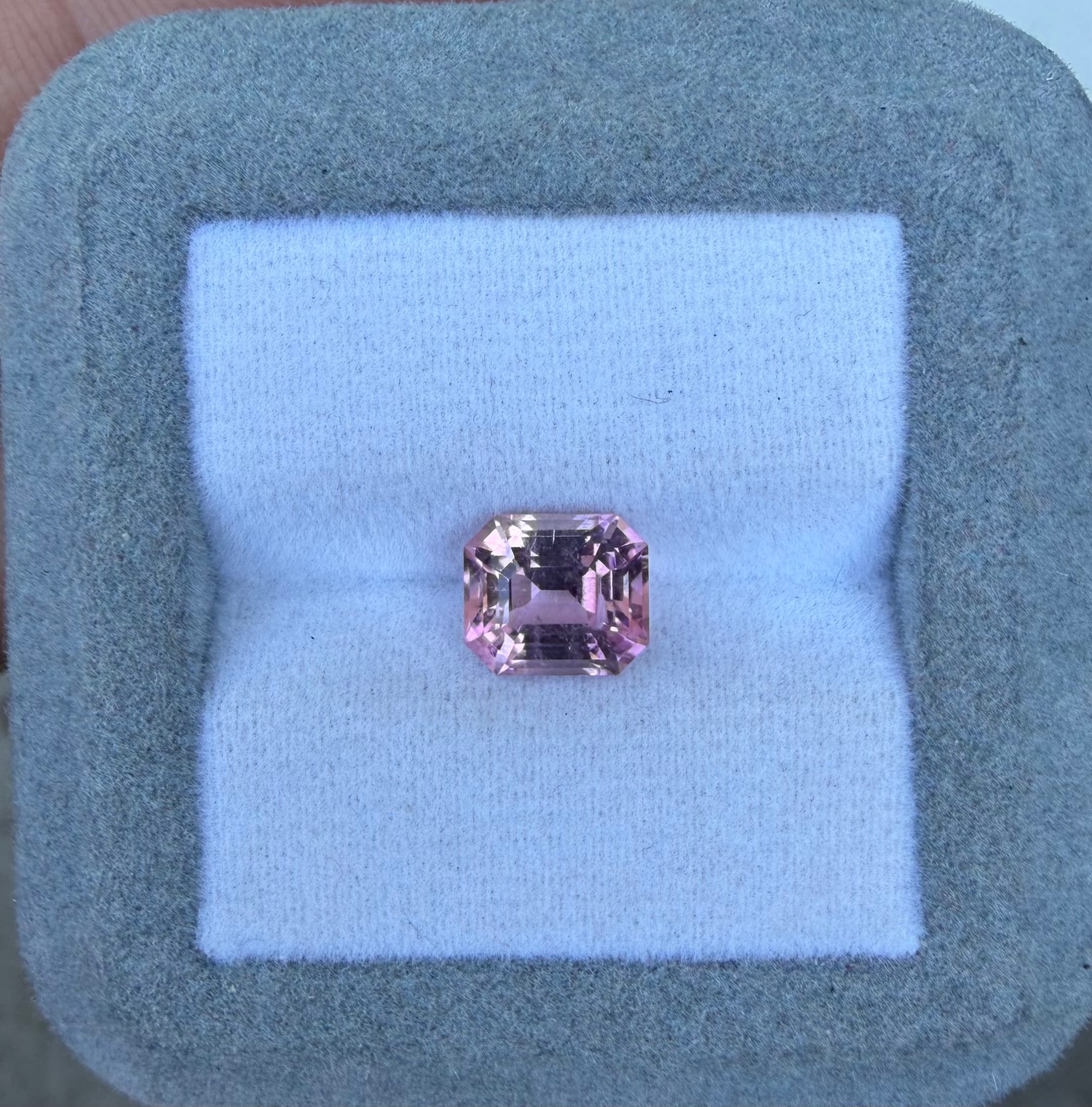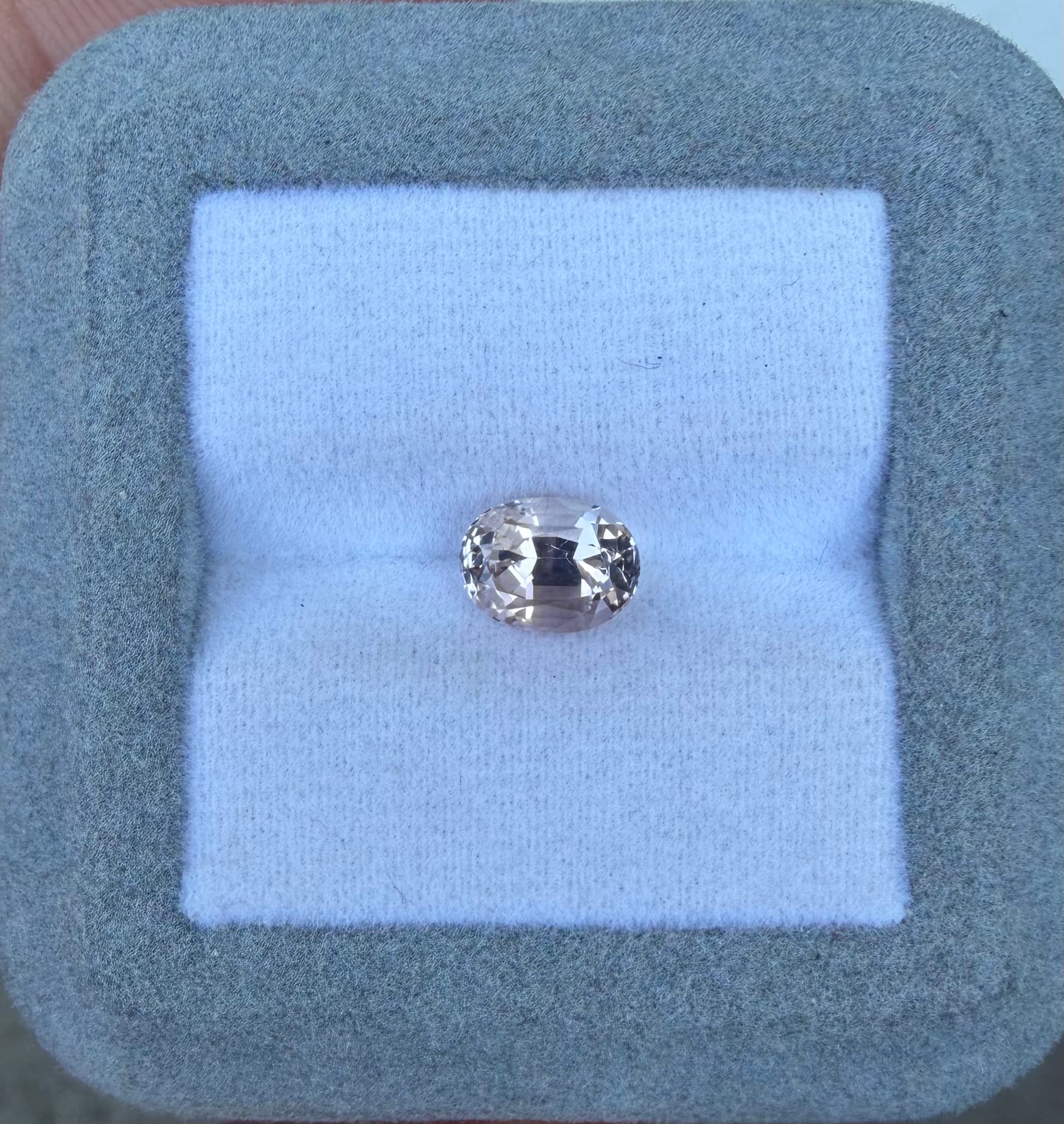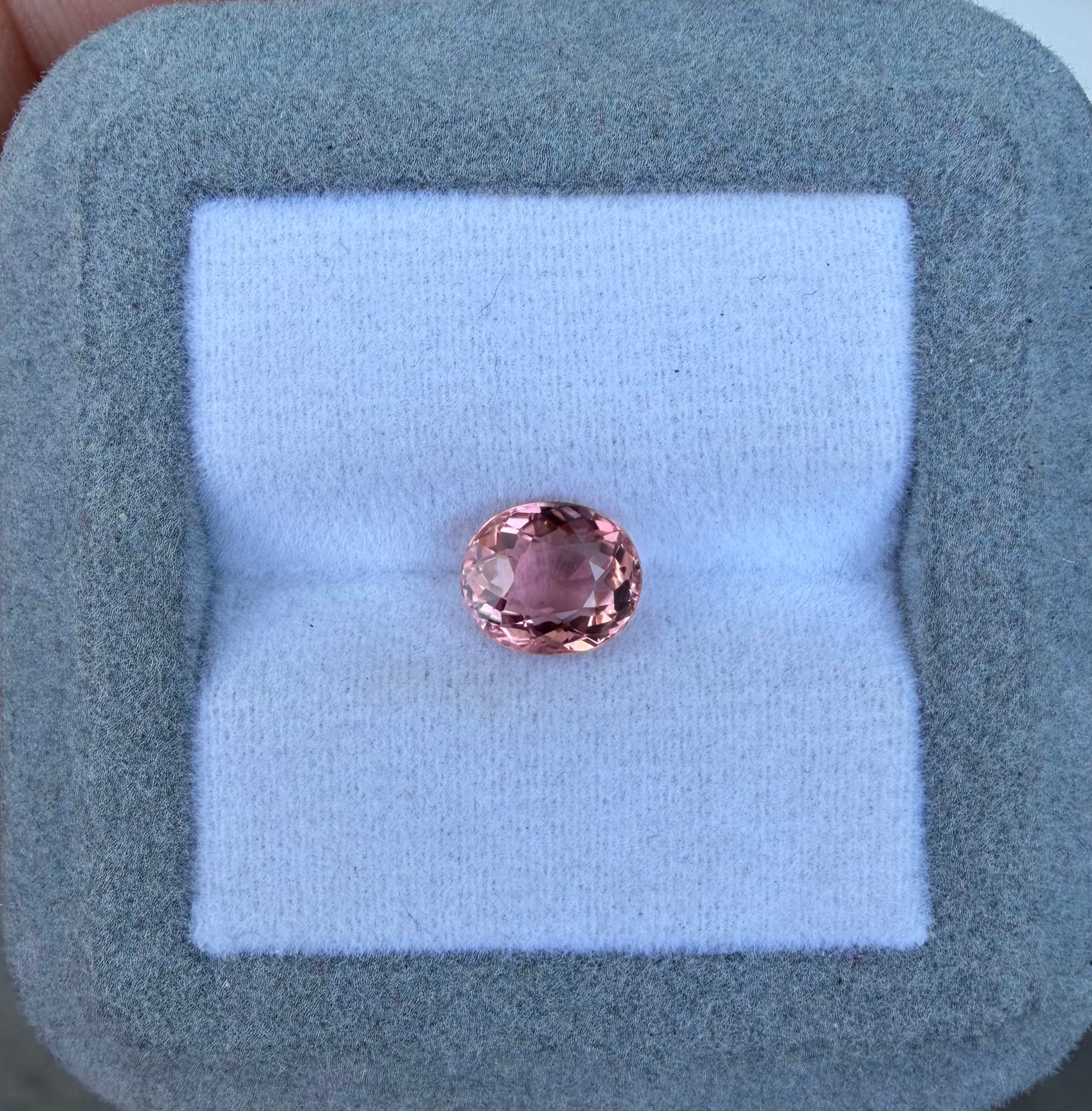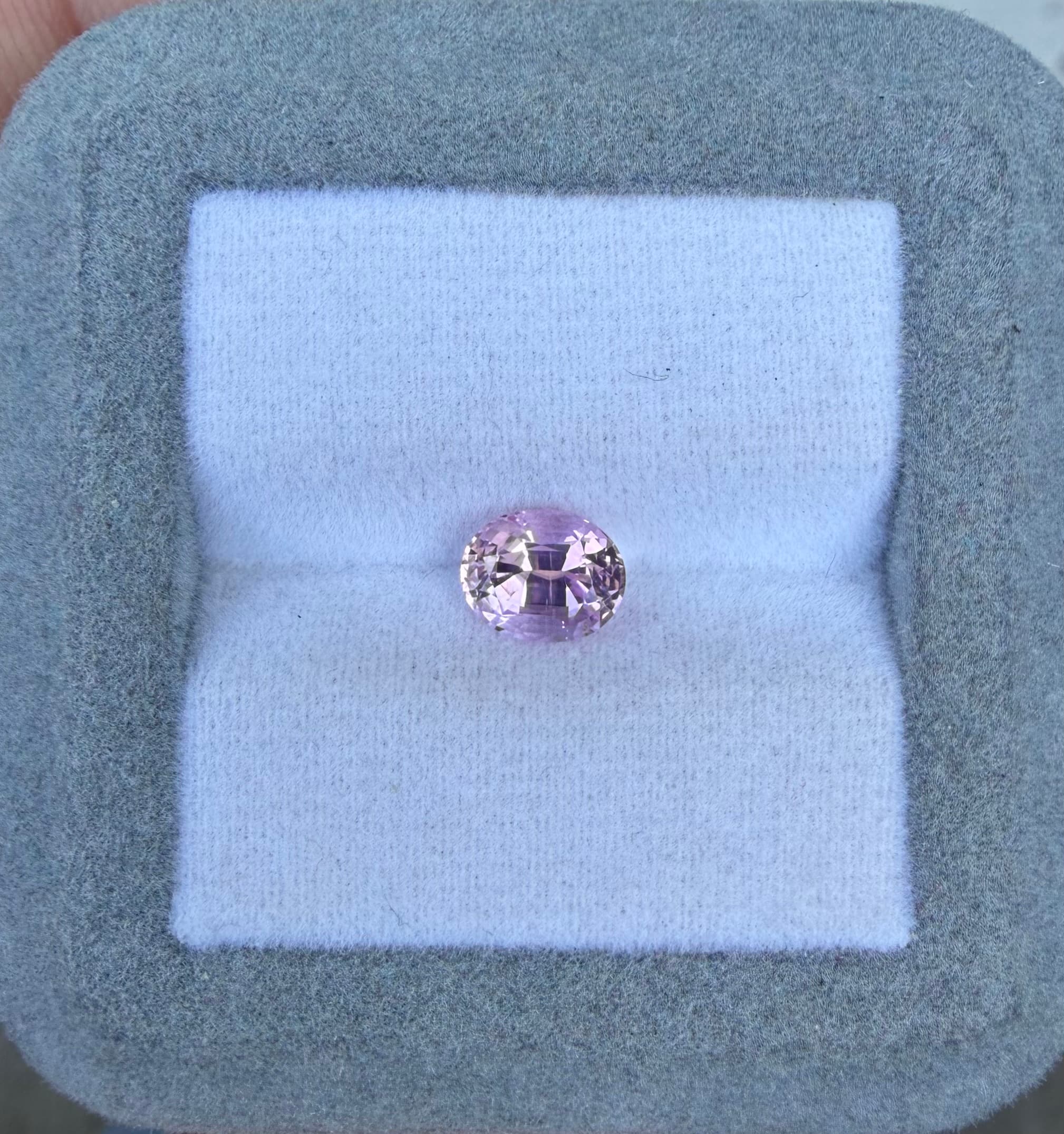
Configure your ring
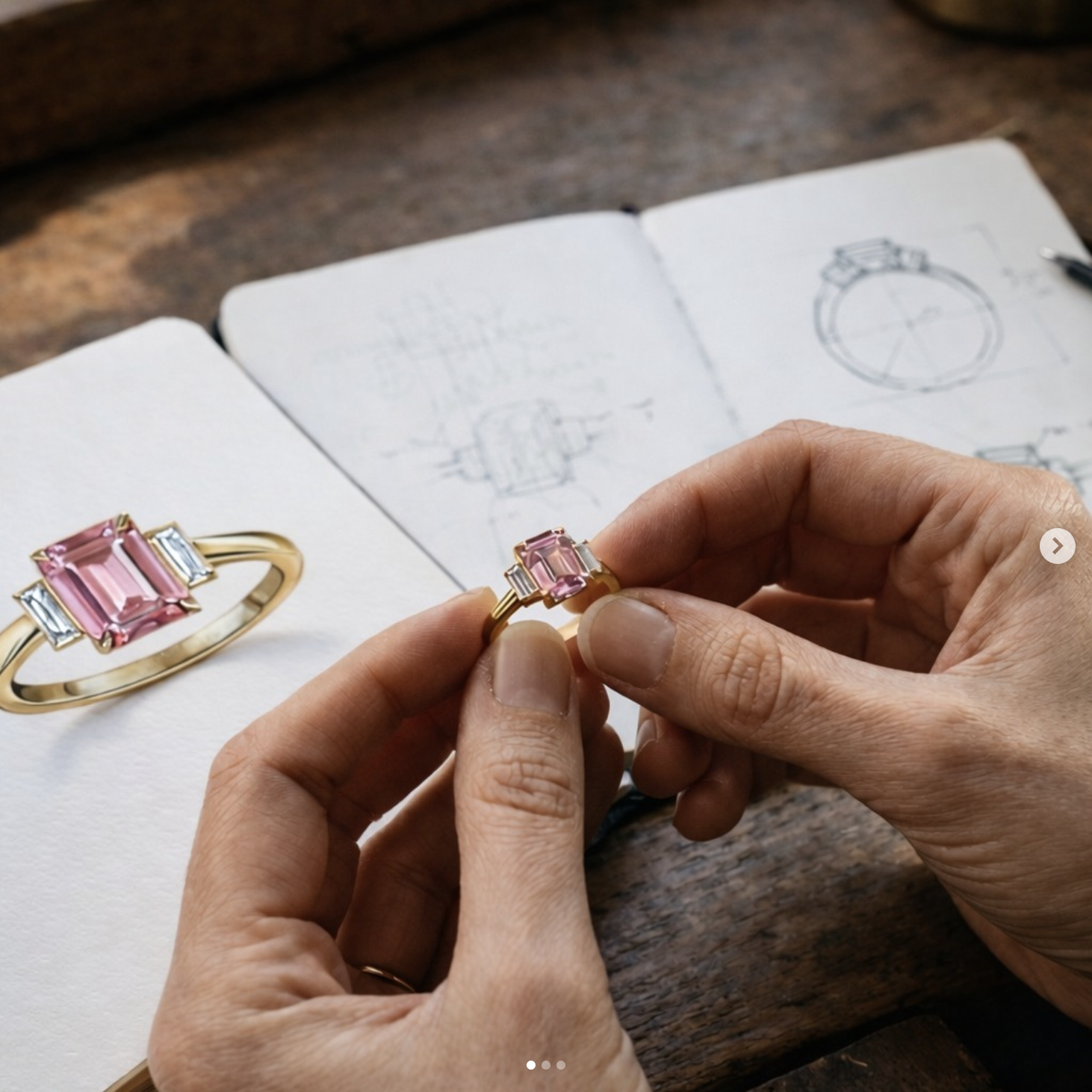
With Studio Bonnot, become the architect of your dream ring
Start creating
Bonnot Paris
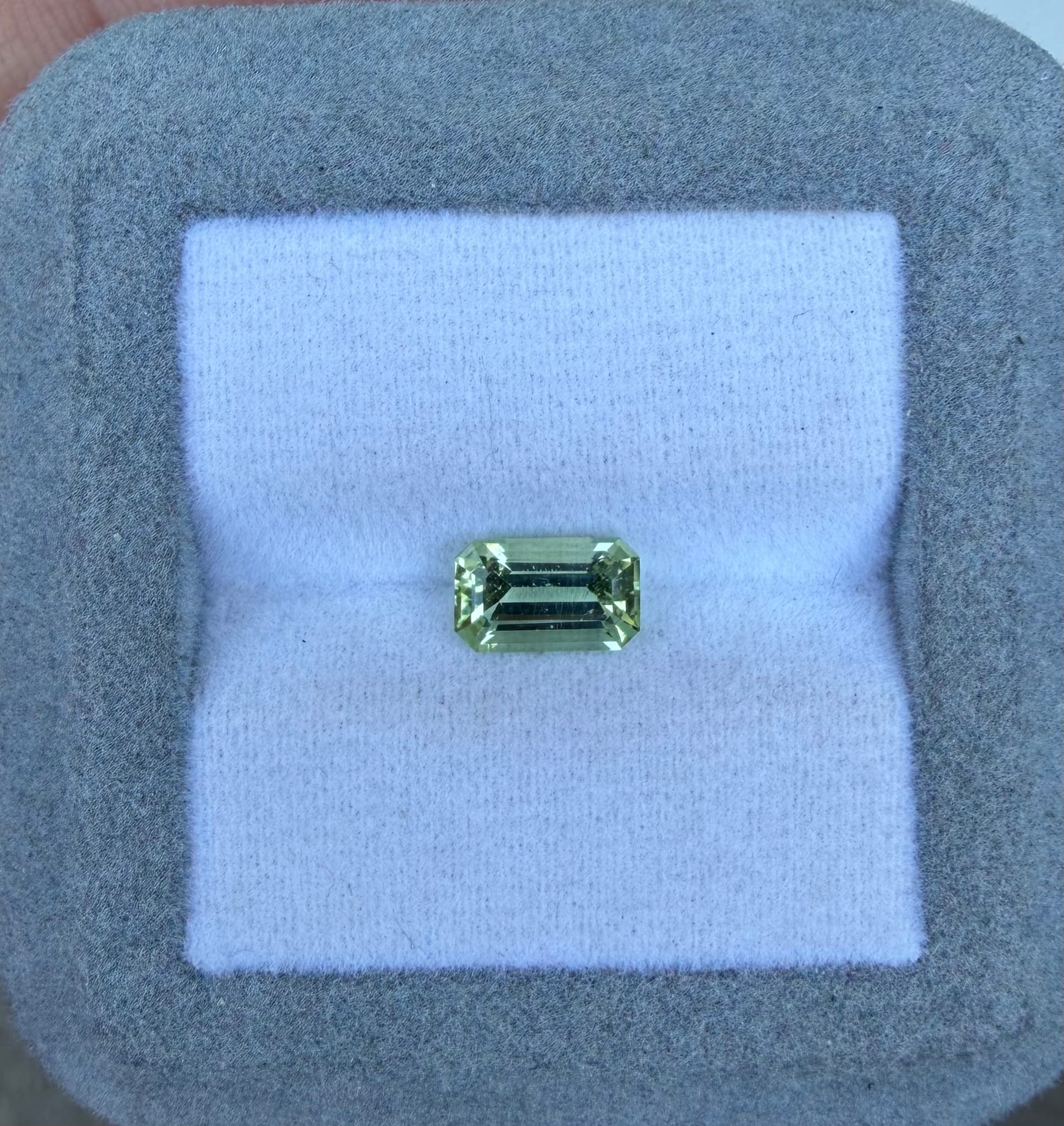
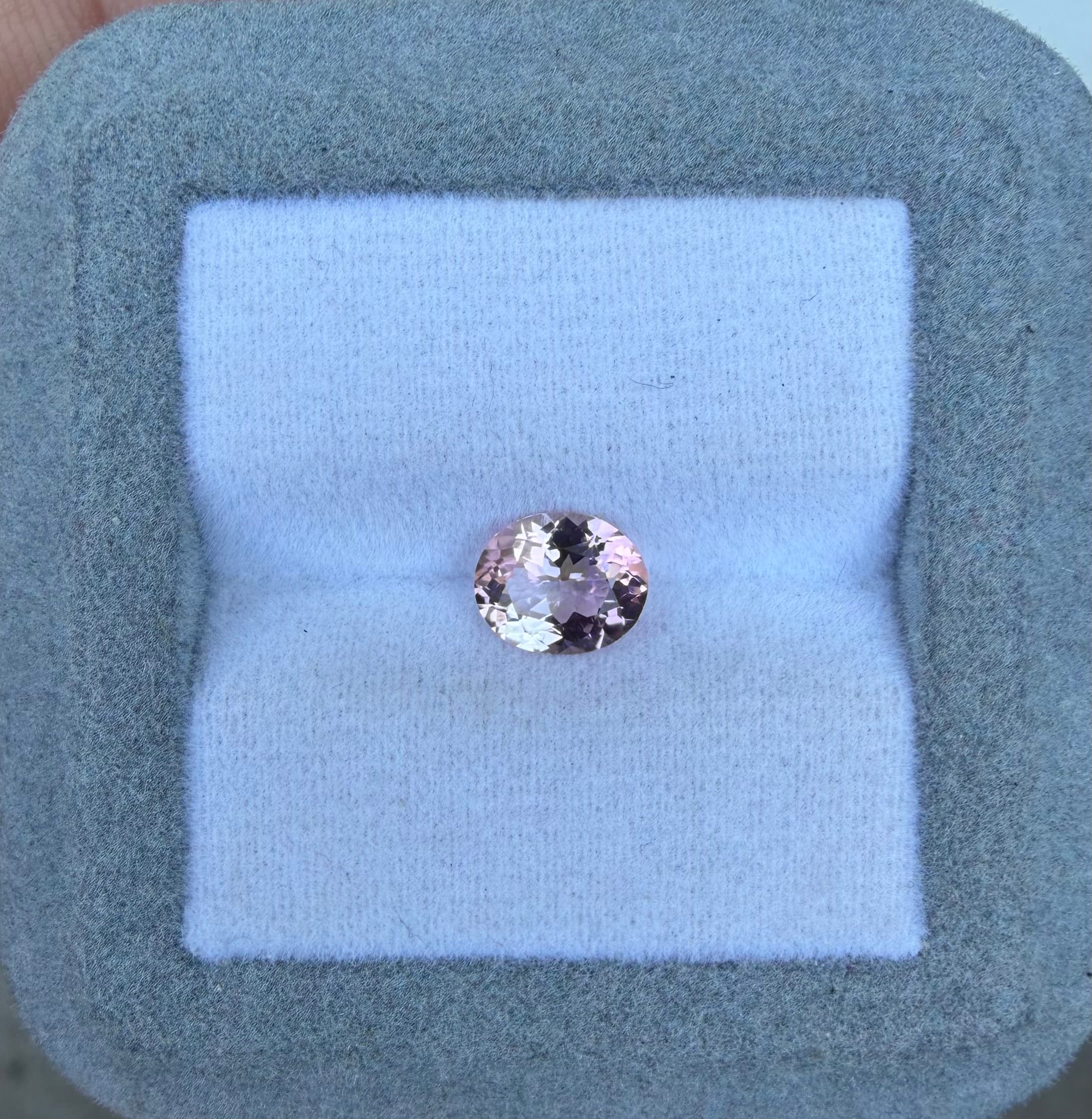
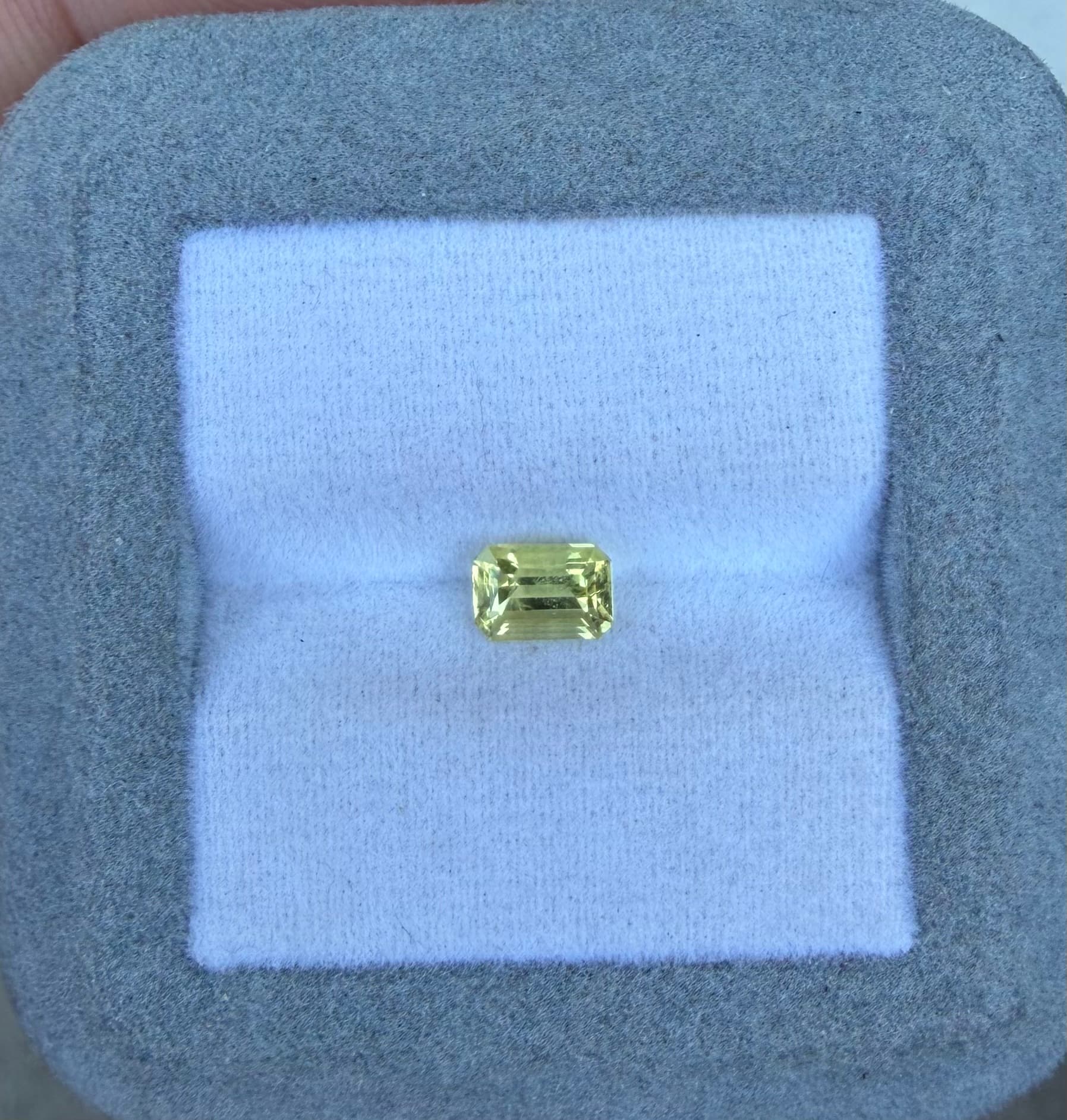
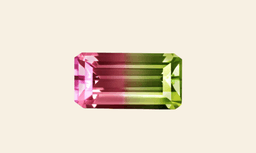
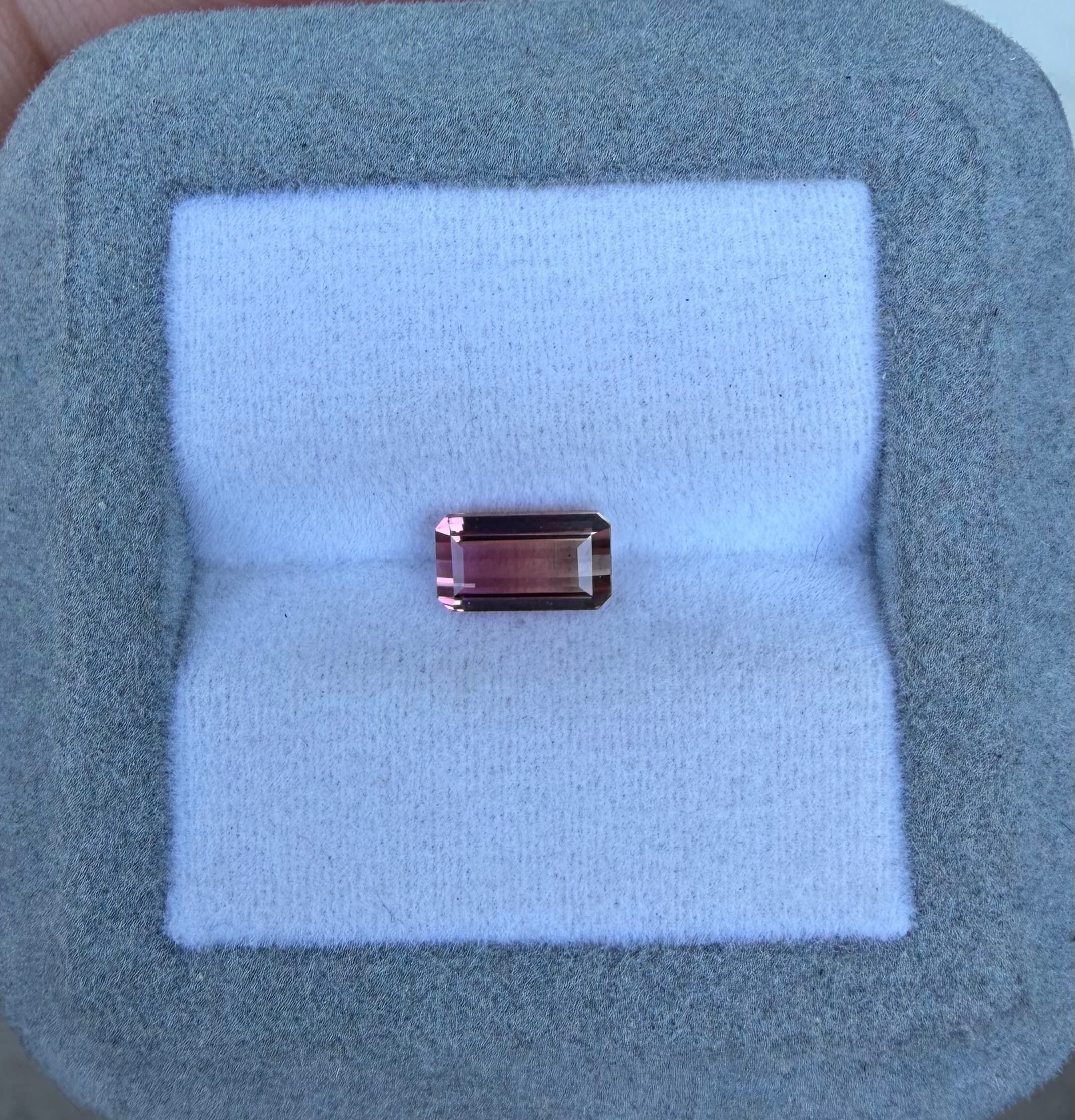
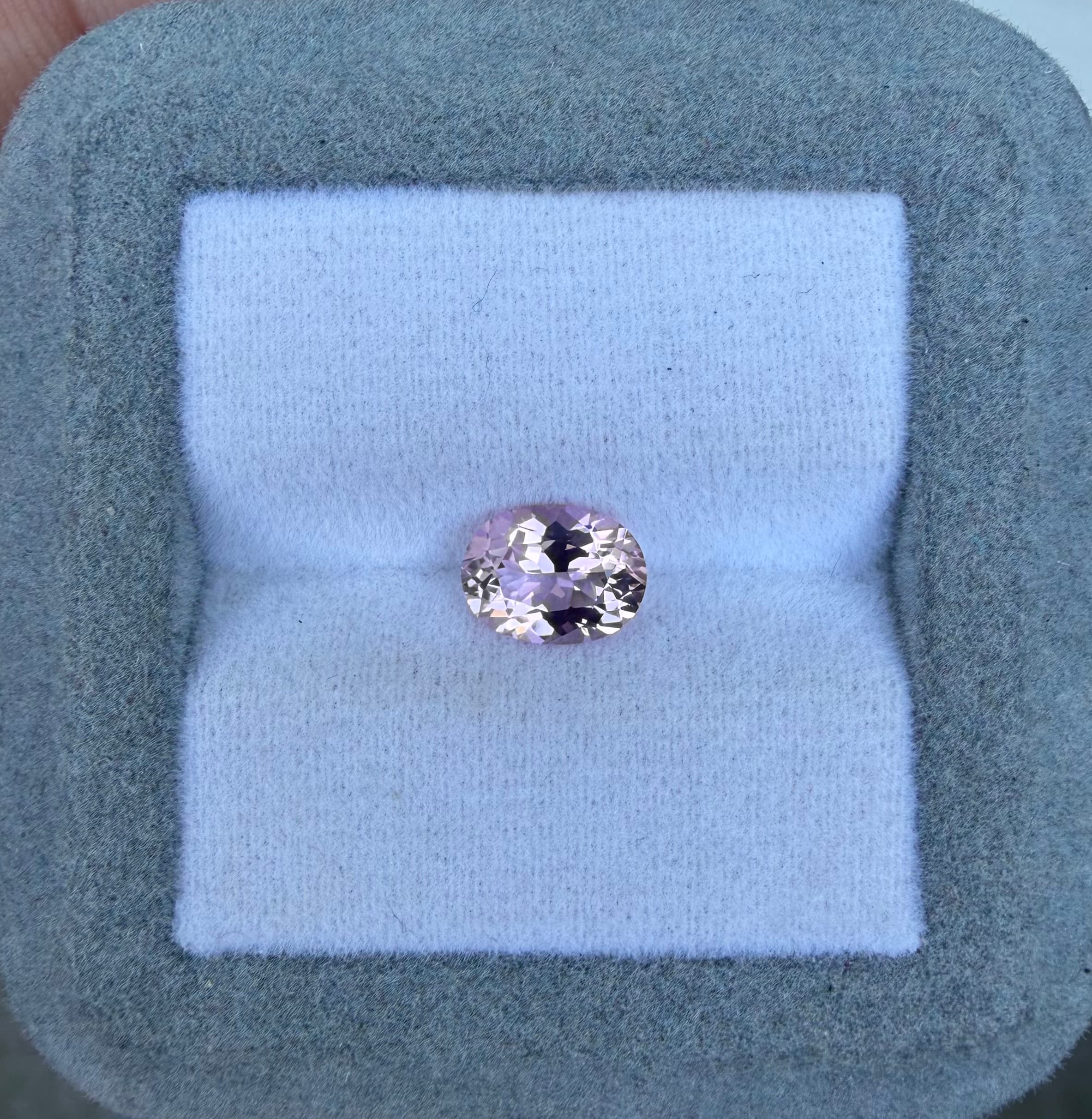
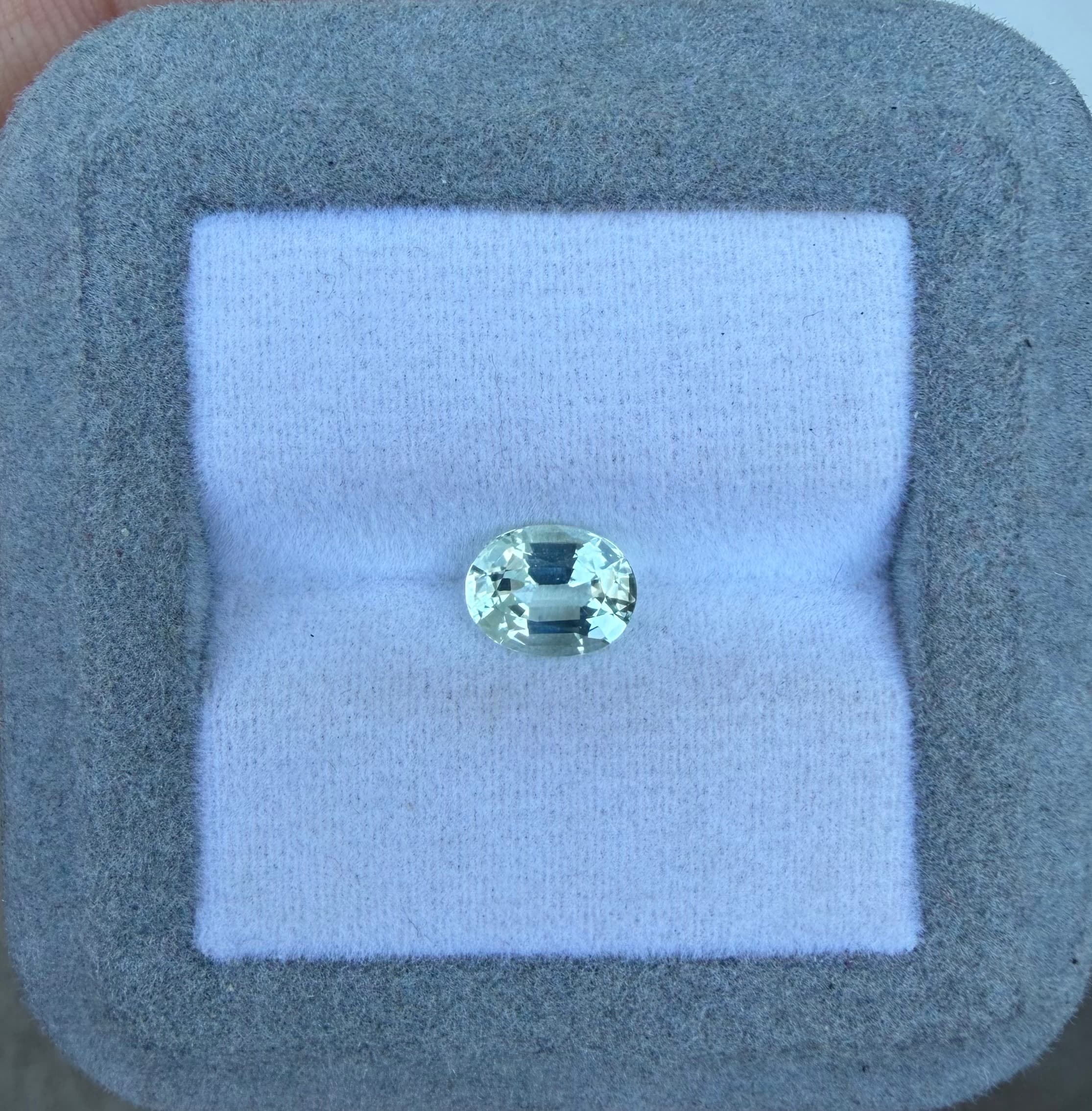
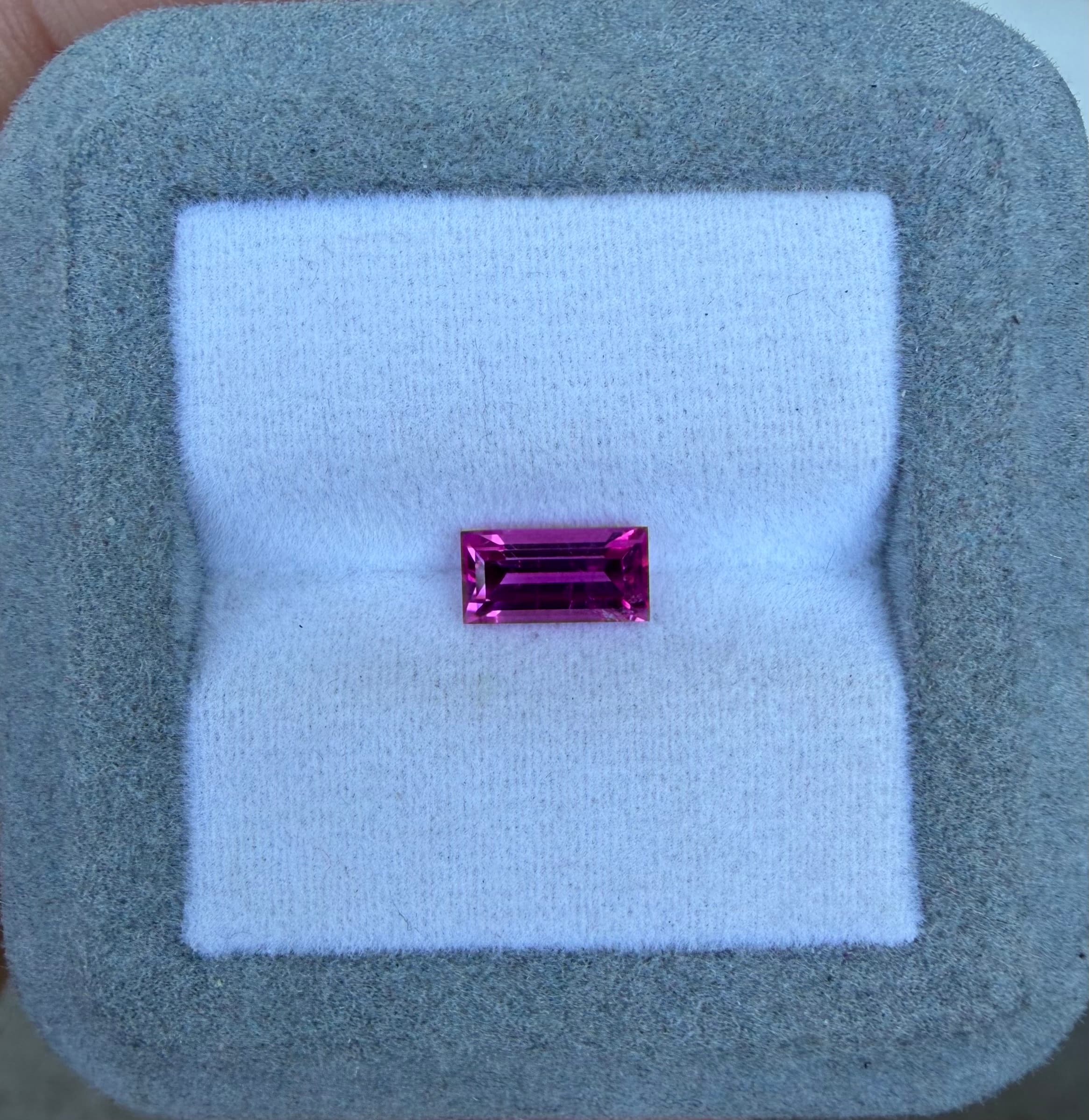
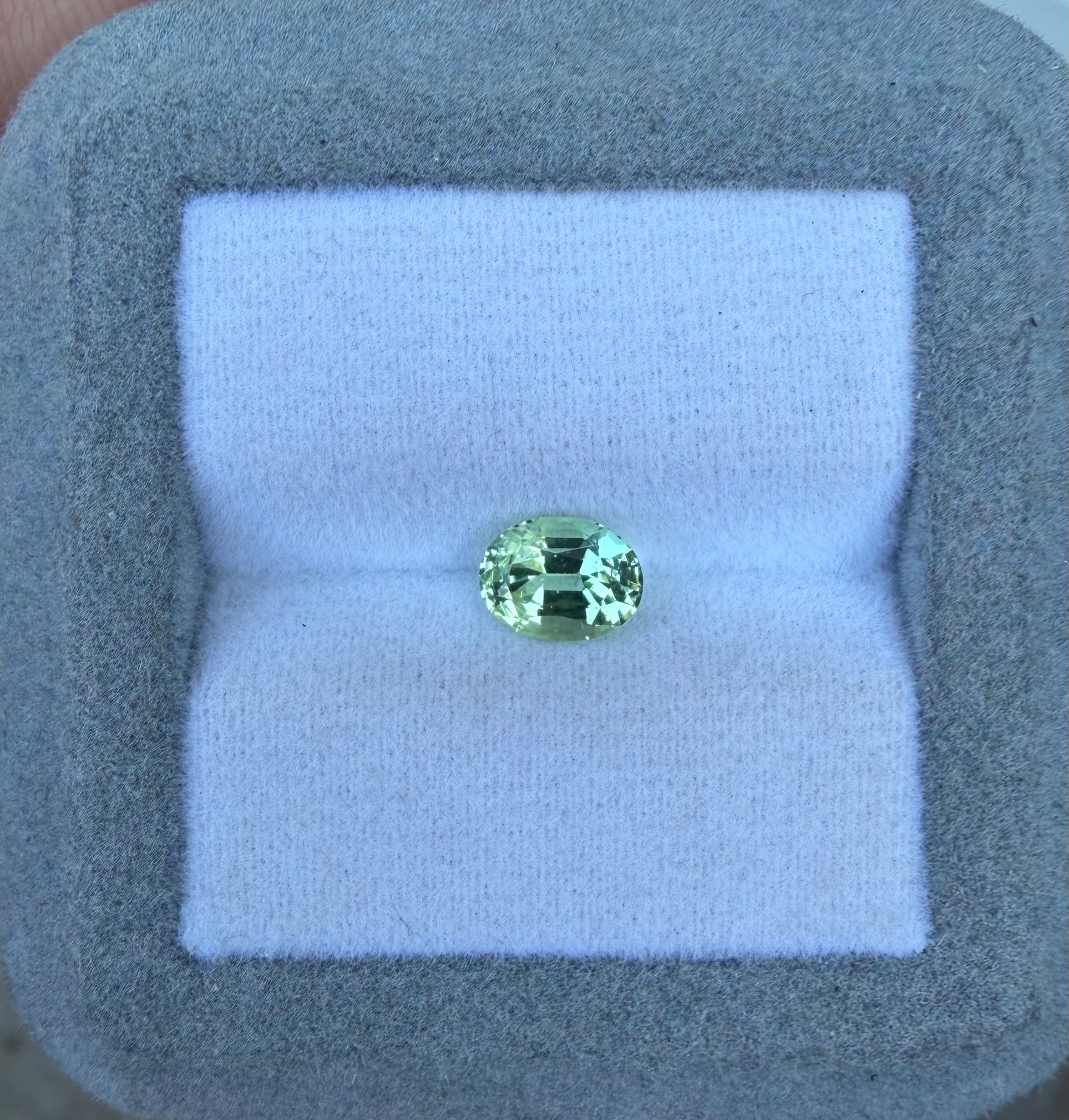
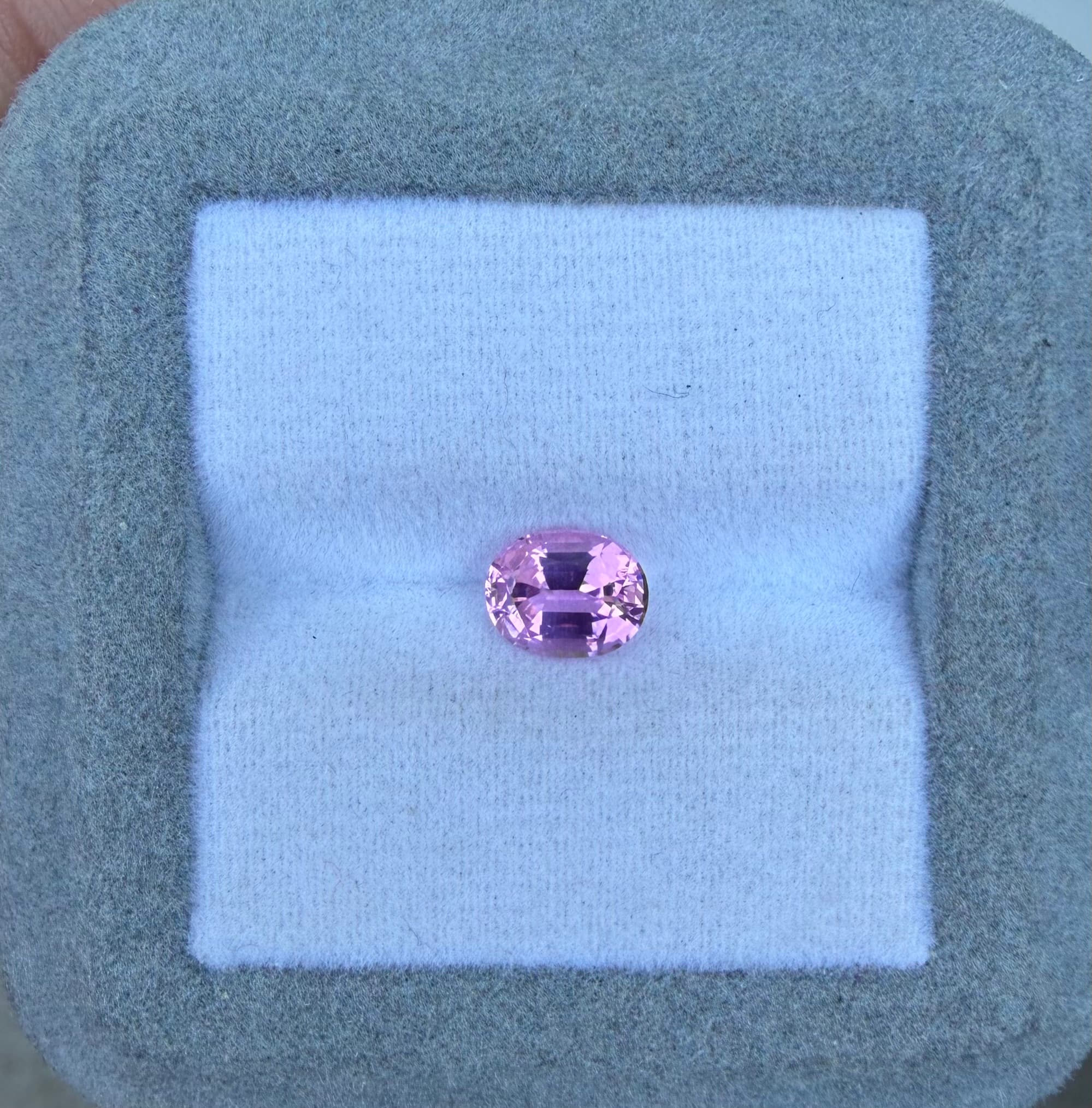
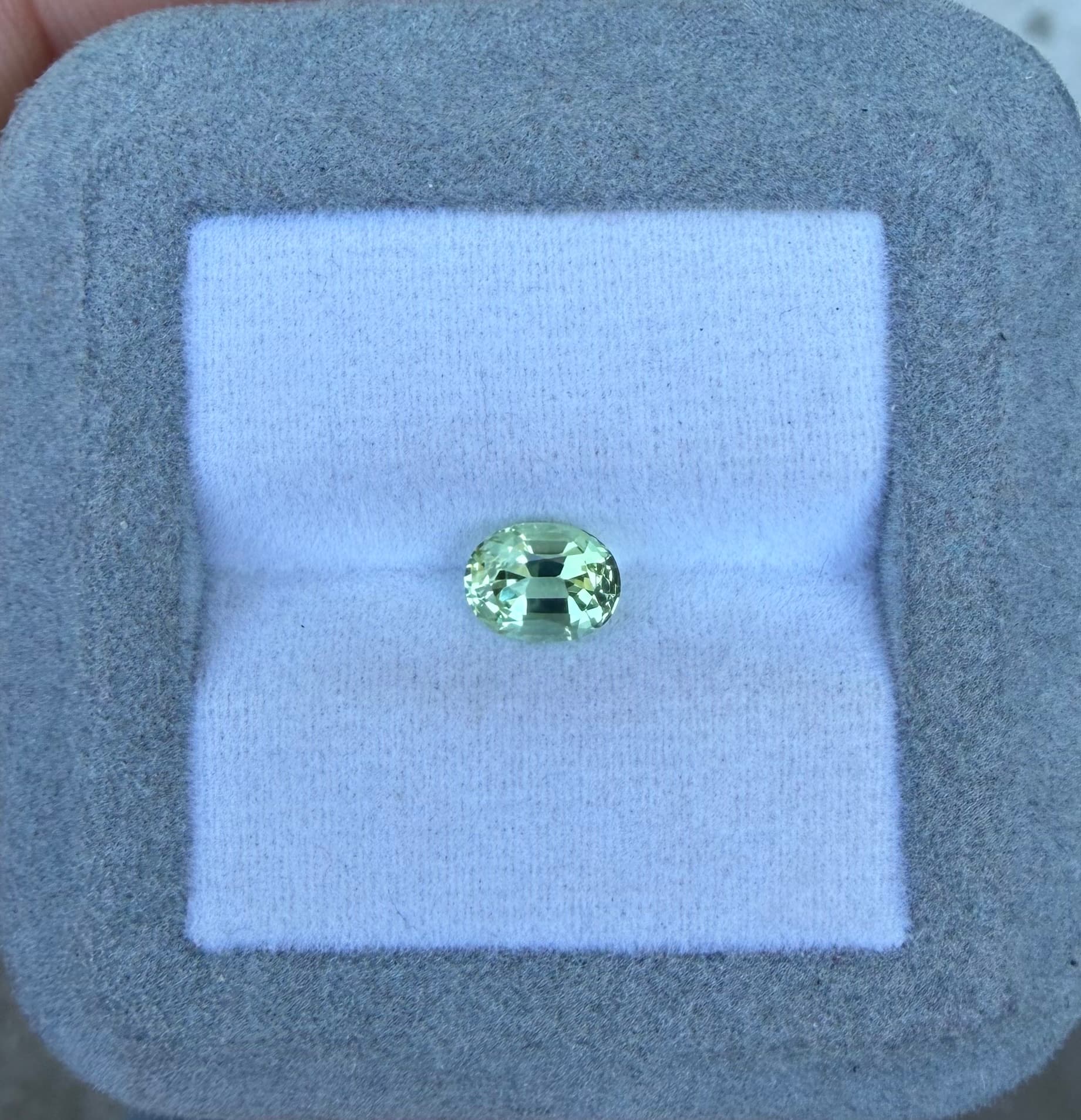
Tourmaline is one of the most diverse gemstone families in the world. It occurs in virtually every colour — pink, green, blue, yellow, red, black and bi-colour. Its extraordinary chromatic richness has long earned it the name…
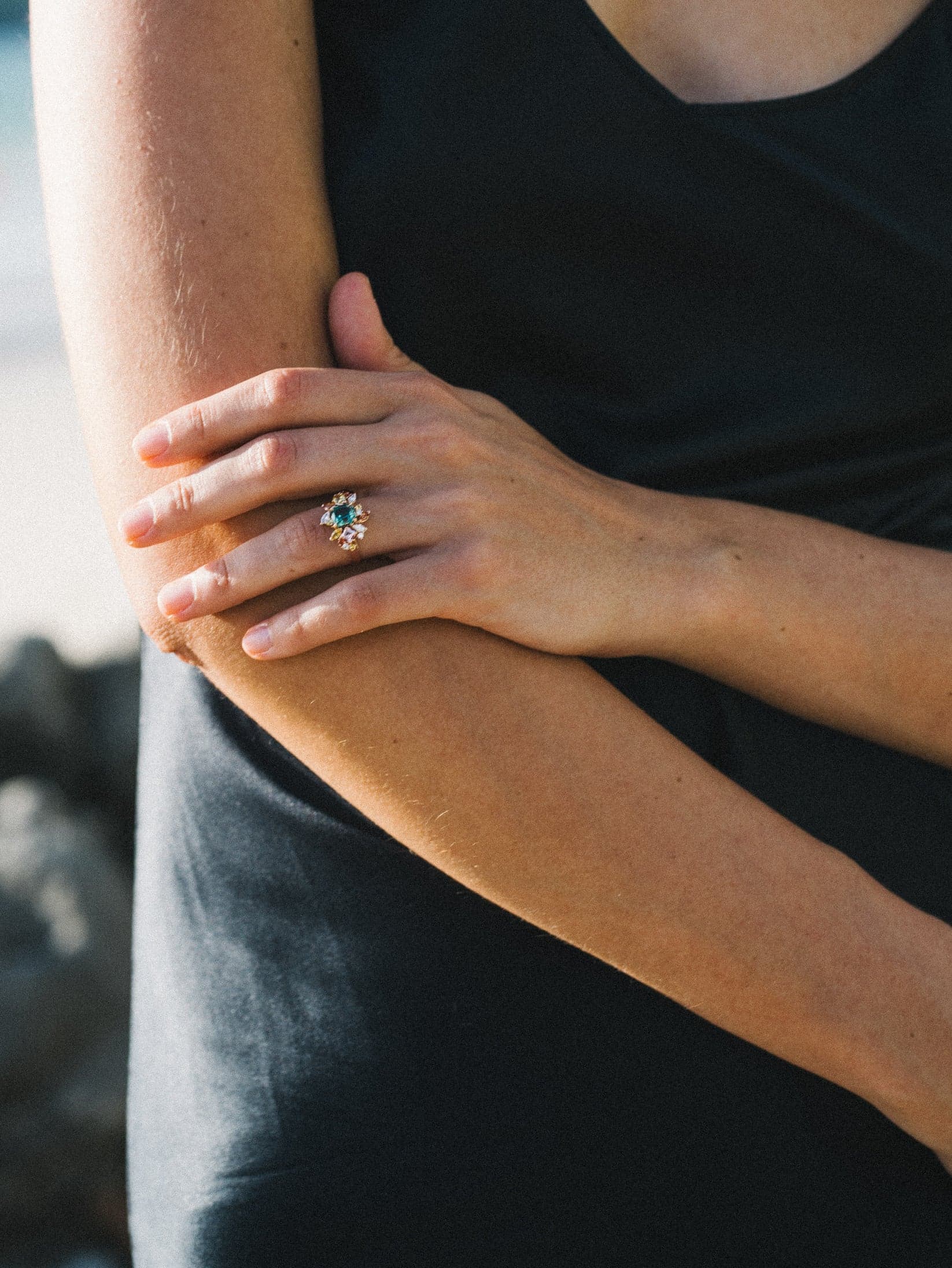
Configure your ring
With Studio Bonnot, become the architect of your dream ring
Rating based on 100 customer reviews
Trusted by clients the world over
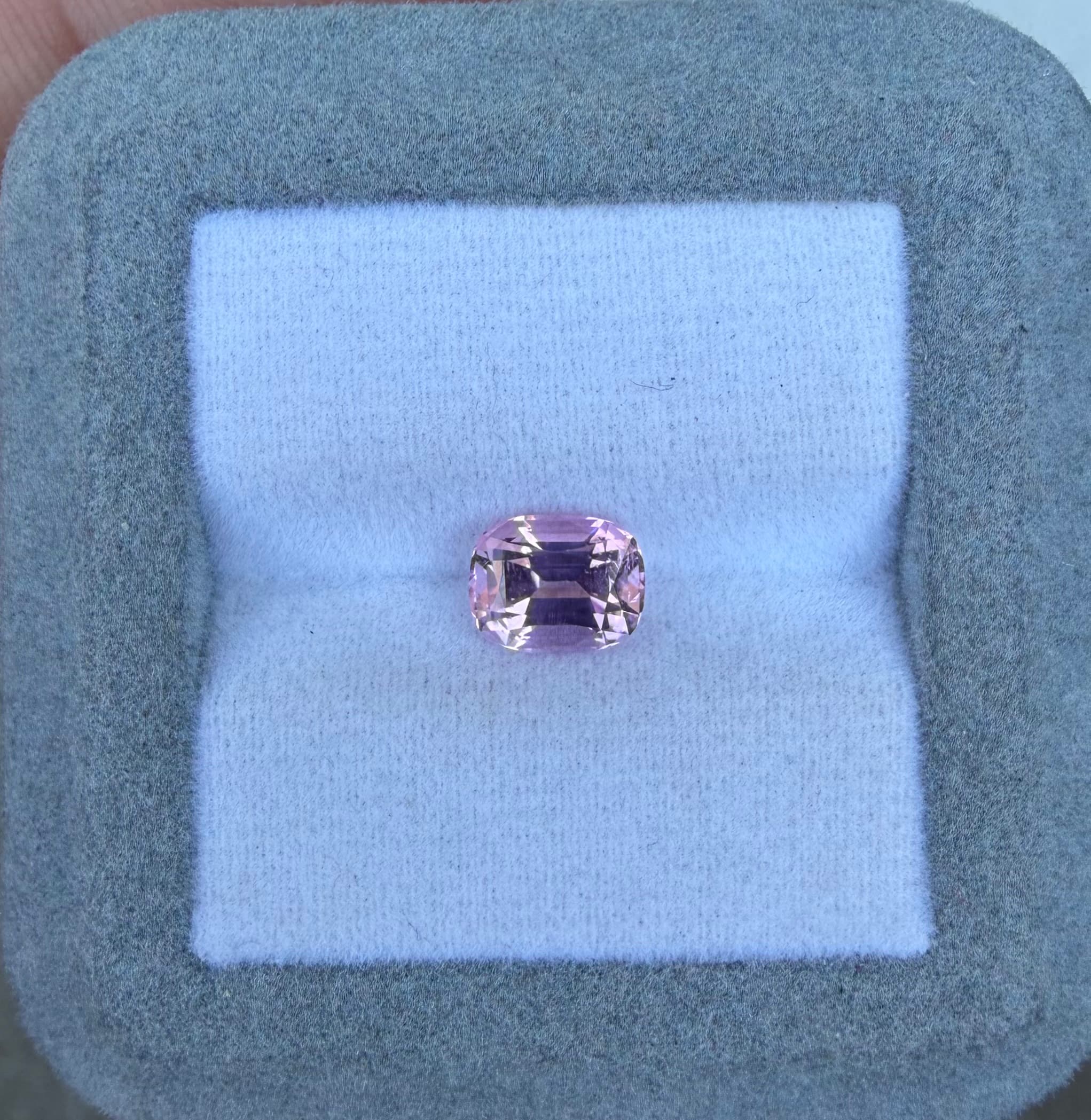
€653incl. VAT
ICA Member
The only French jeweller to be a member of the International Colored Gemstone Association
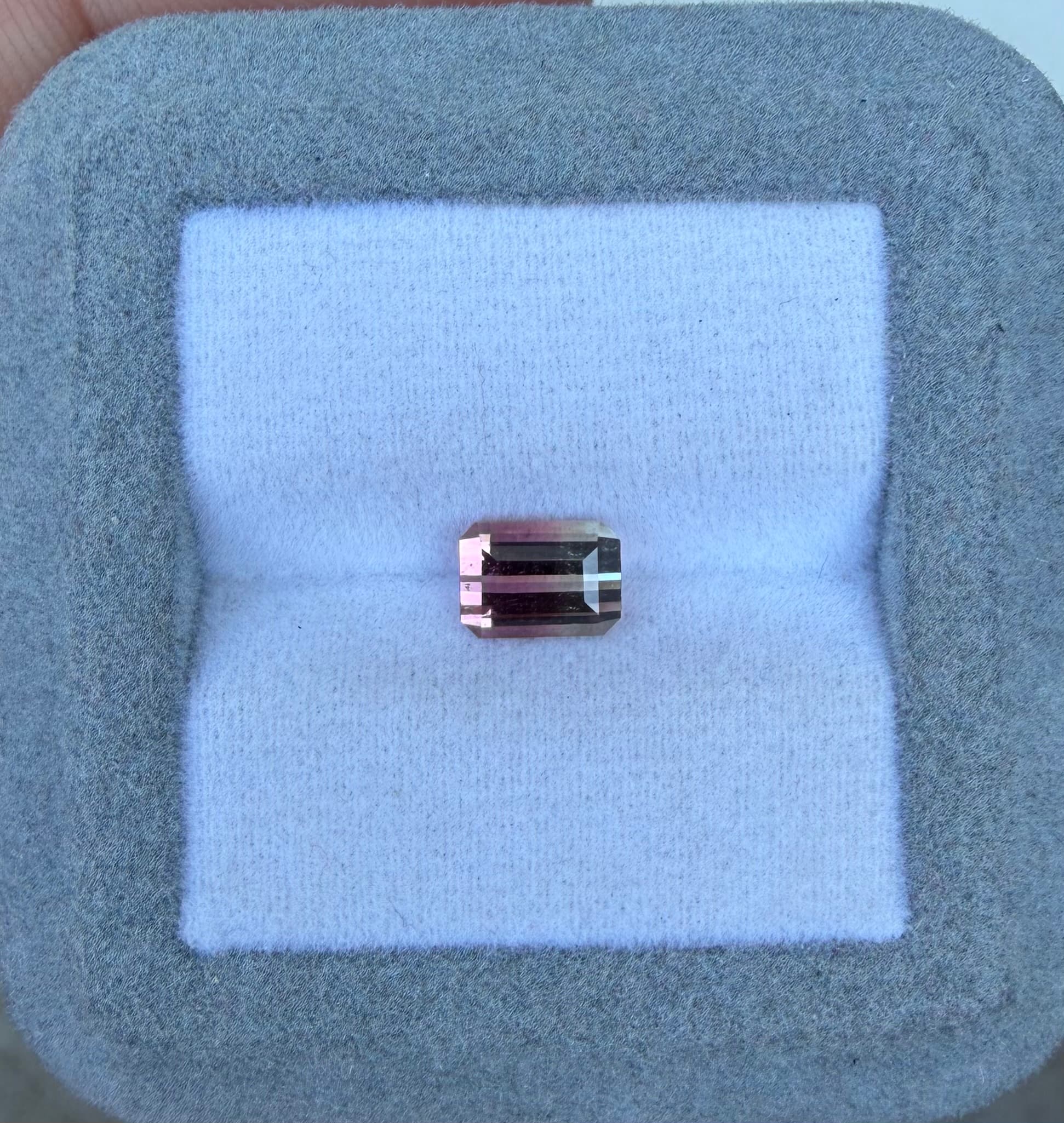
€581incl. VAT
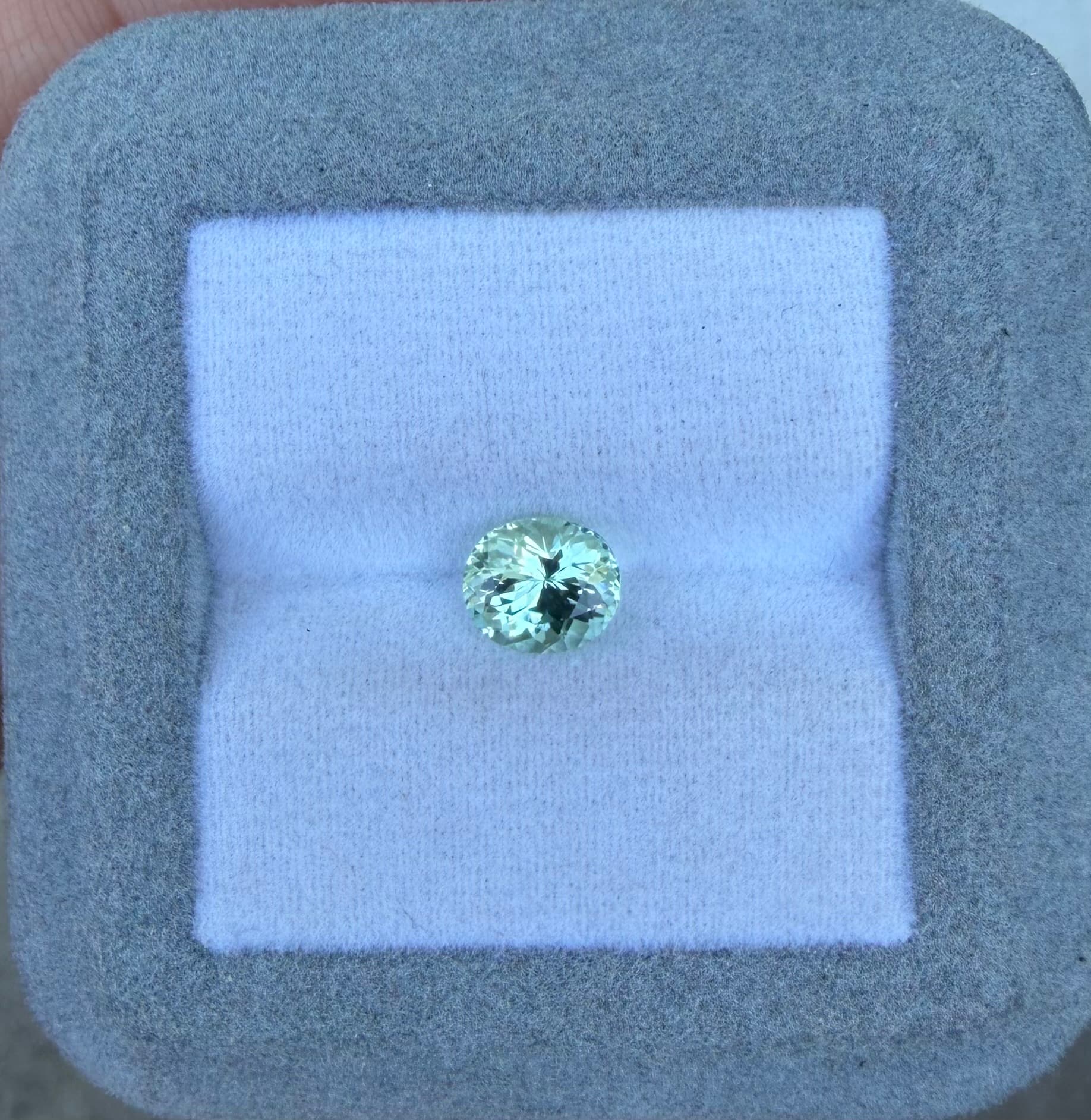
€499incl. VAT
Bonnot Paris Showroom
Everything begins with an appointment at Bonnot Paris
€542incl. VAT
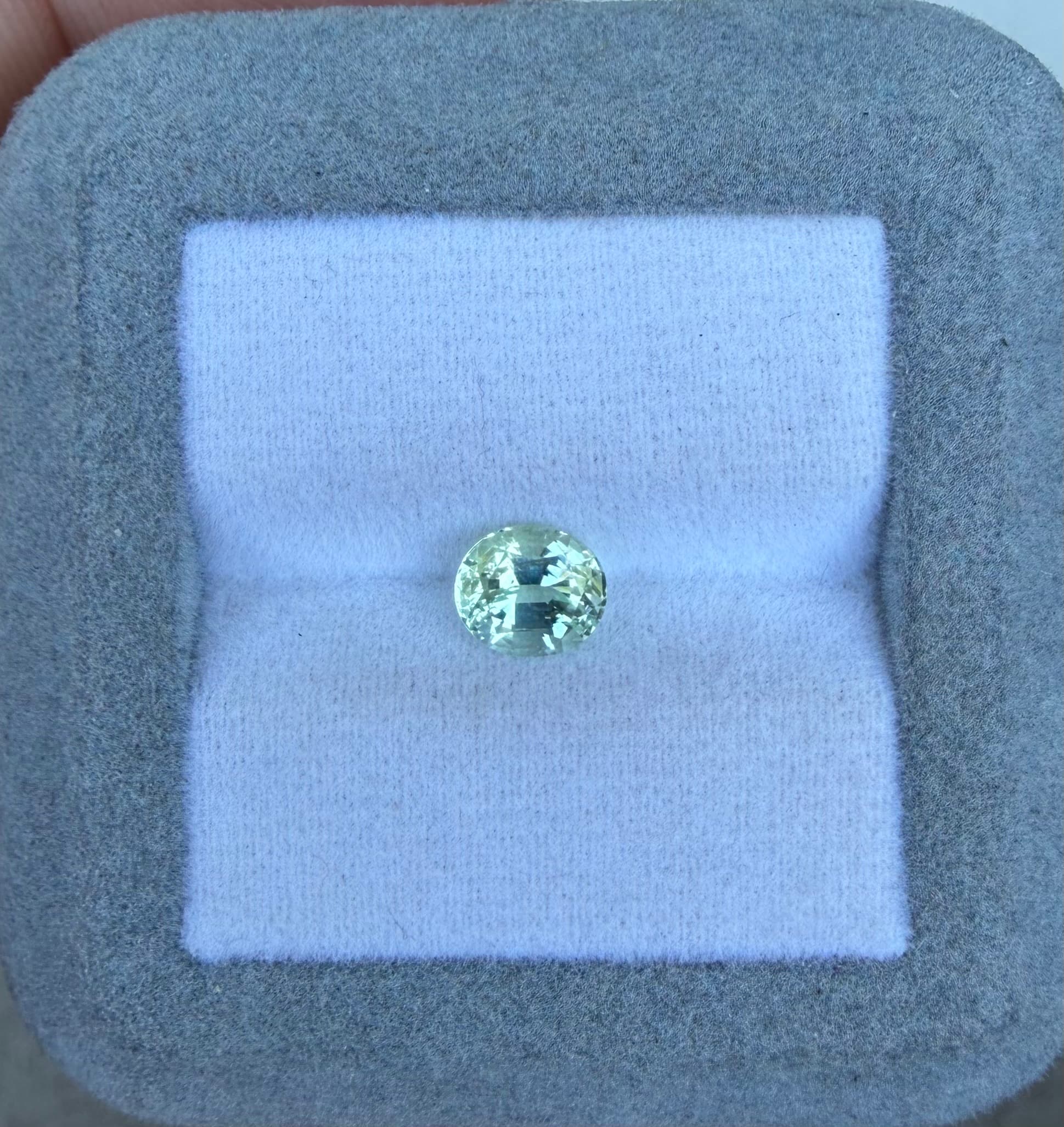
€528incl. VAT
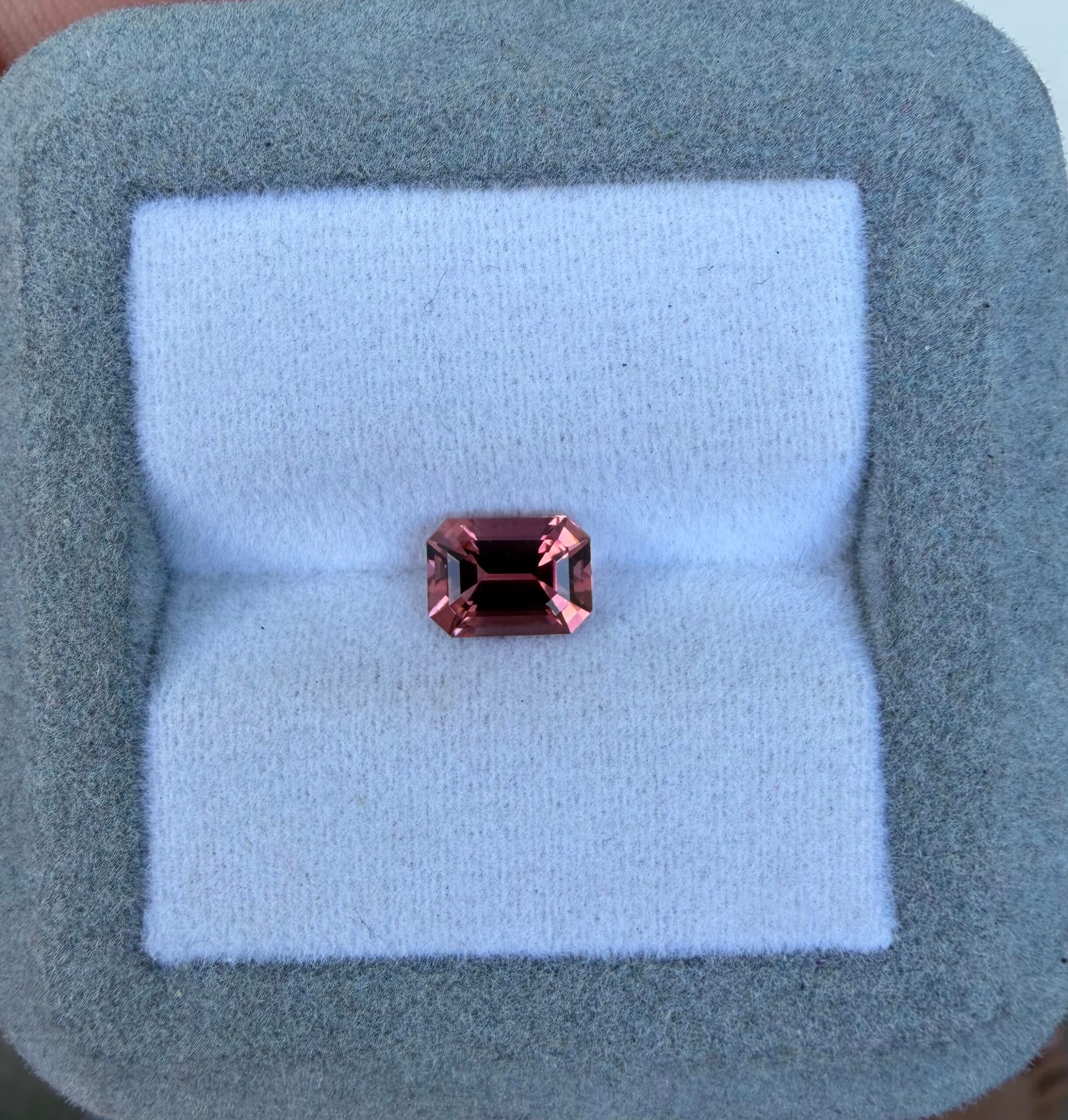
€456incl. VAT
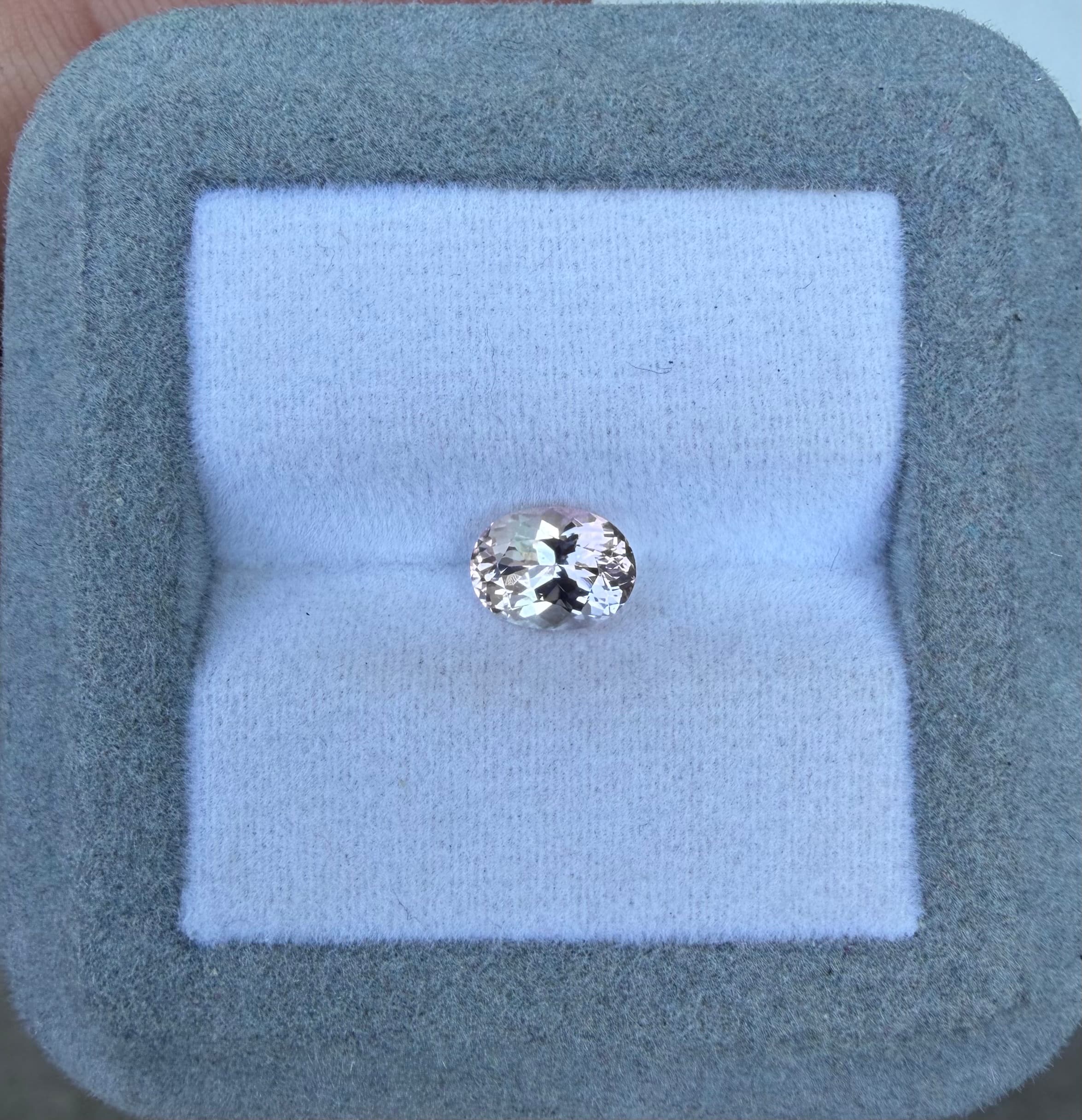
€456incl. VAT
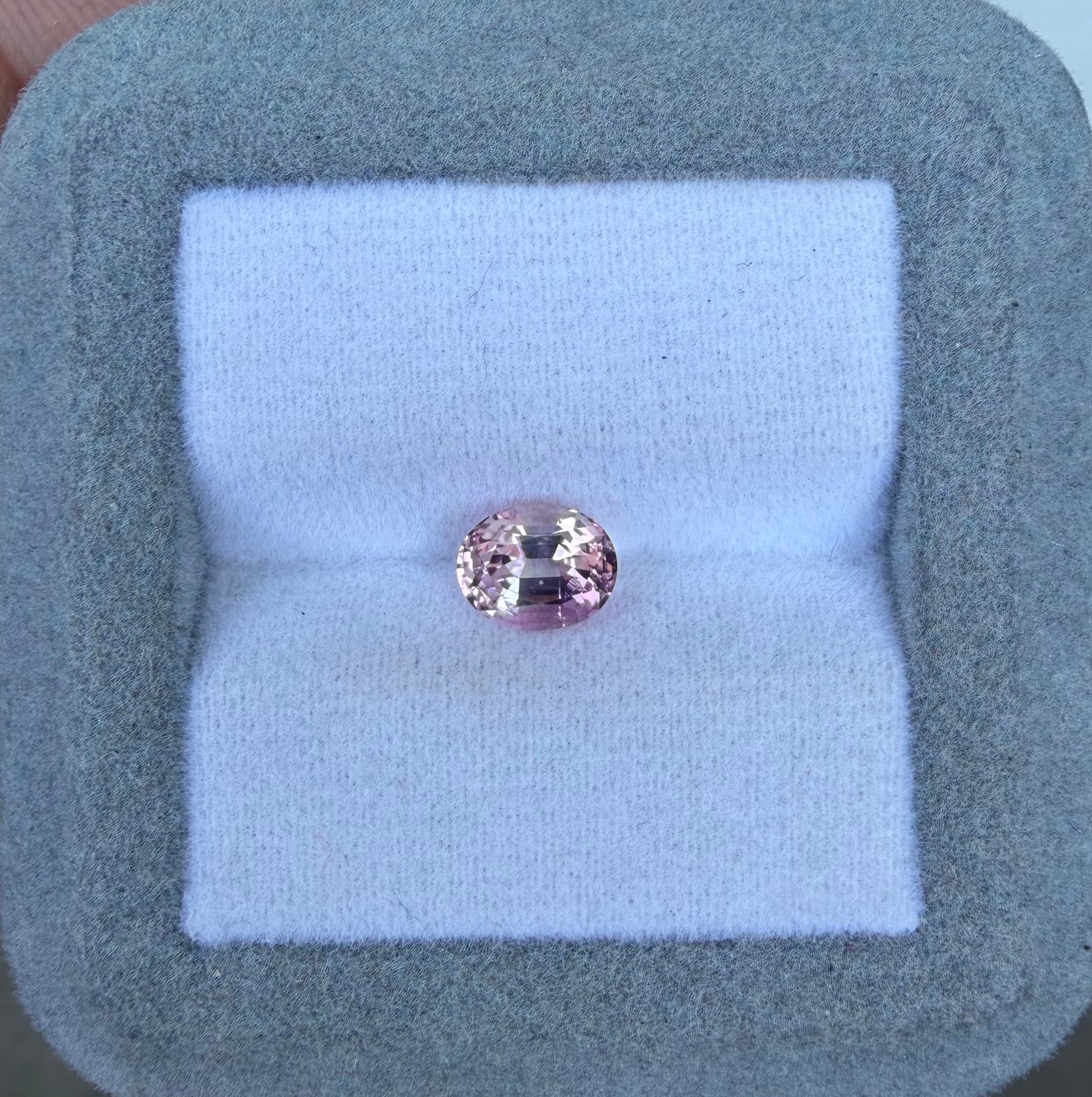
€456incl. VAT
€494incl. VAT
€442incl. VAT
€485incl. VAT
The Bonnot atelier
Every stone in this collection can be set in Paris on 18k gold, designed with you.
Explore
5/5
Excellent
5/5

Sophie Vincent
7 months ago
J'ai contacté la bijouterie Bonnot car je souhaitais un saphir Padparadscha, qui est assez rare. Toute la transaction a été faite à distance et s'est très bien passée. Ils sont très professionnels, à l'écoute et très sympathiques. J'ai reçu ma bague et elle correspond tout à fait à ma demande. Merci beaucoup 😋
5/5

Célia Gastel
6 months ago
L'adresse parfaite ! Bastien a été très à l'écoute, très bonne communication et très réactif ! Et leurs pierres sont superbes
5/5

Pn Ph
6 months ago
Excellente expérience avec Bastien pour la conception de notre bague de fiançailles sur mesure. Il a été disponible, les échanges ont été fluides et efficaces. La conception de la bague a été rapide, elle est magnifique et correspond exactement à ce que nous voulions. Nous recommandons fortement Bonnot pour son expertise, mais aussi son sens de l'écoute.
5/5

JFL lancelier
6 months ago
Très professionnels.un service impeccable une belle offre de bijoux de très grande qualité
5/5

Alan Cormand
6 months ago
J’ai récemment commencé une collection de pierres précieuses et je suis vraiment impressionné par la qualité. Les pierres sont magnifiques, bien taillées et correspondent parfaitement à la description. En plus, la livraison a été très rapide. Je recommande sans hésitation !
5/5

Alex
6 months ago
Une très belle maison qui allie savoir-faire et excellence du service. L’expérience client est fluide, rapide et d’une grande transparence. Merci à Bonnot Joaillerie pour cet accompagnement de qualité.
5/5

Christine Petit
6 months ago
Bastien est à la fois très sympathique et très professionnel. J'ai été très bien reçue, le contact et la communication sont faciles. J'ai fait transformer une marguerite en bague plus moderne et je suis ravie du résultat.
5/5

marielle frances
6 months ago
Une très belle rencontre autour d'une belle Pierre, merci à Bastien et François pour leur accueil! A très bientôt pour l'achat de nouvelles pierres!
5/5

Yac ine
5 months ago
Professionnels, réactifs et sympathiques, je recommande.

Exceptional precious stones at fair and transparent prices

Our unique gemstones reflect the purity and elegance of nature

Exclusively by renowned independent laboratories
Exceptional sourcing
At Bonnot Paris, every stone is selected for its rarity, clarity and ethical provenance, ensuring full traceability, exceptional quality and fair pricing.
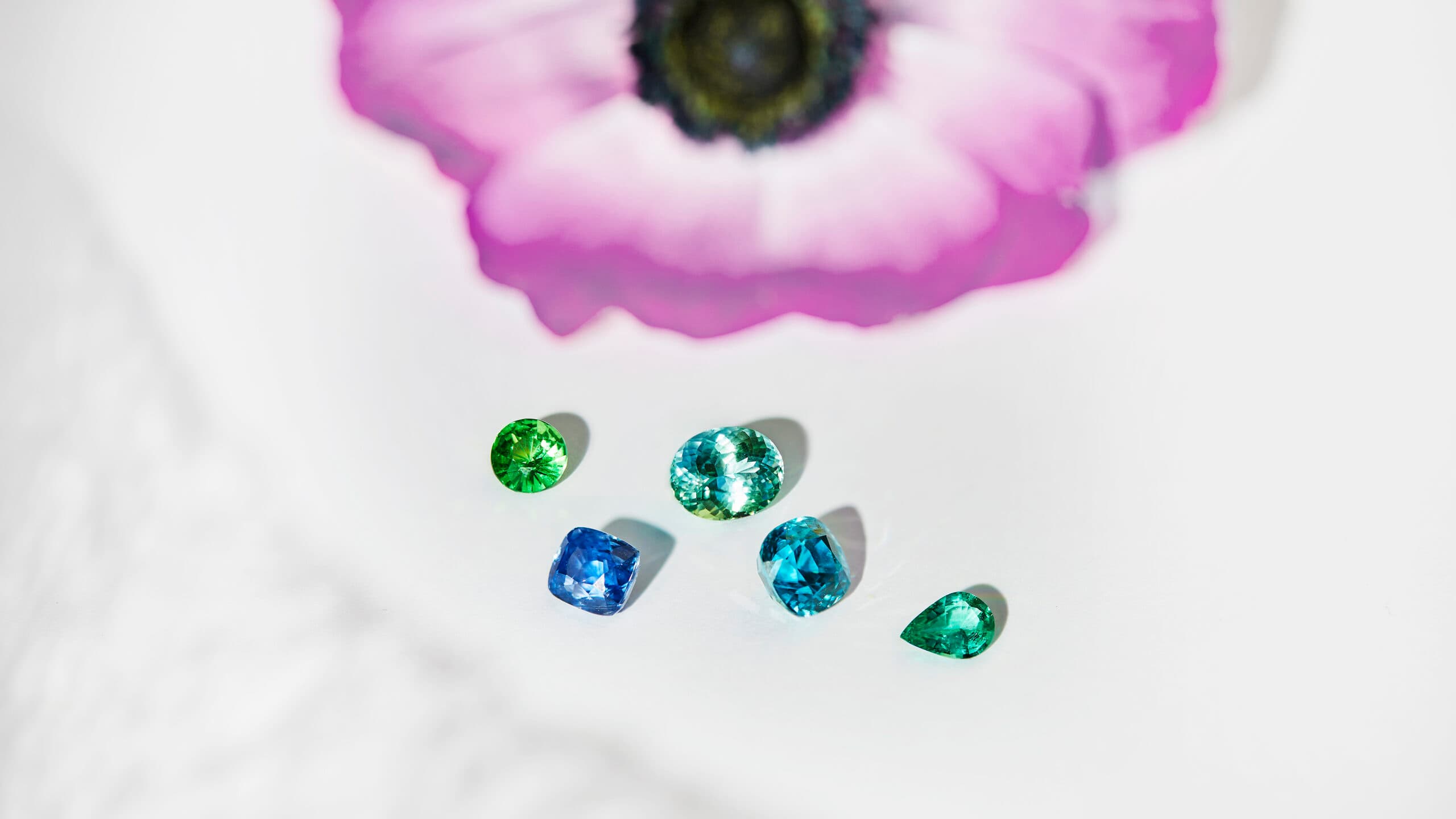
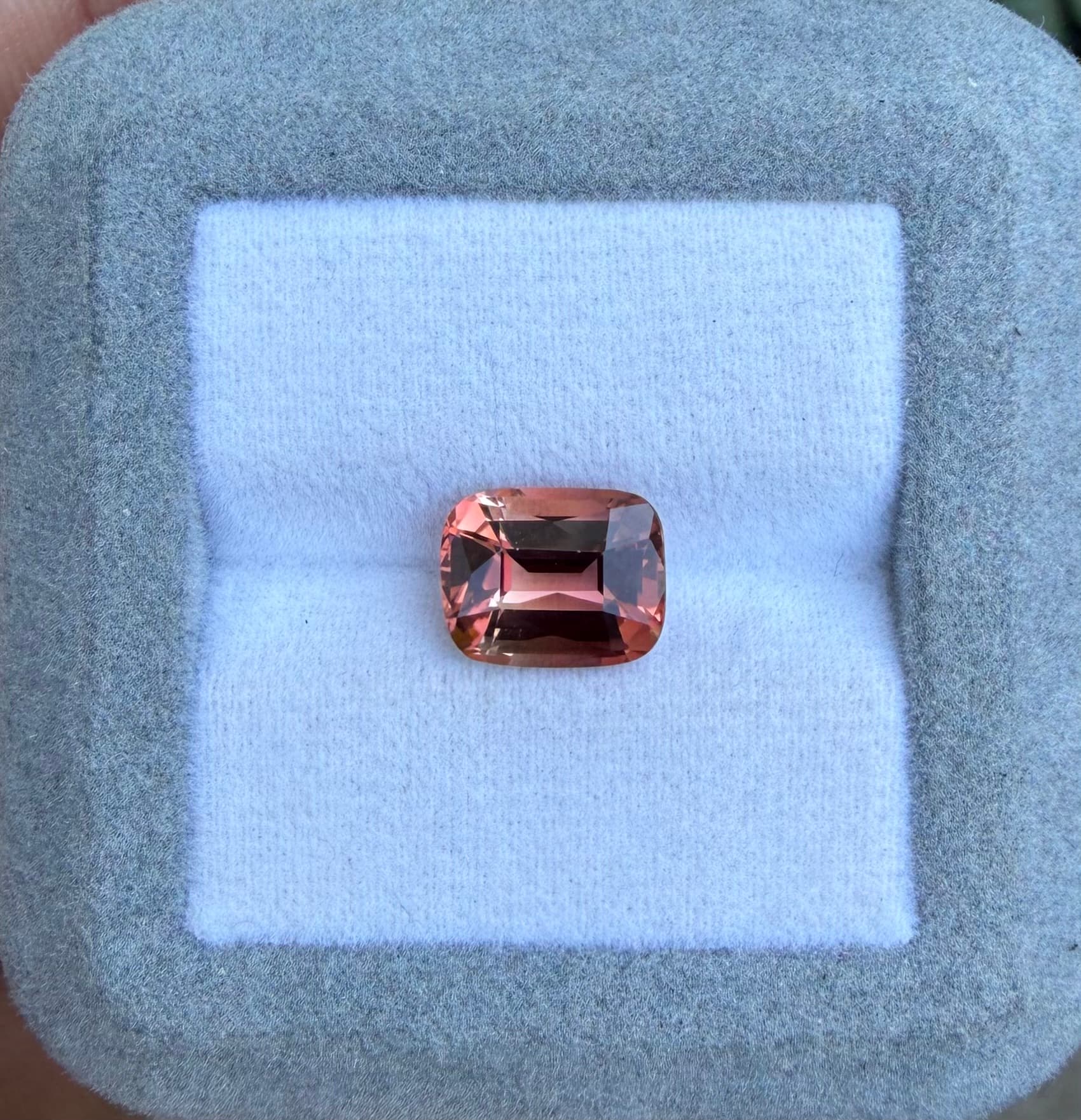
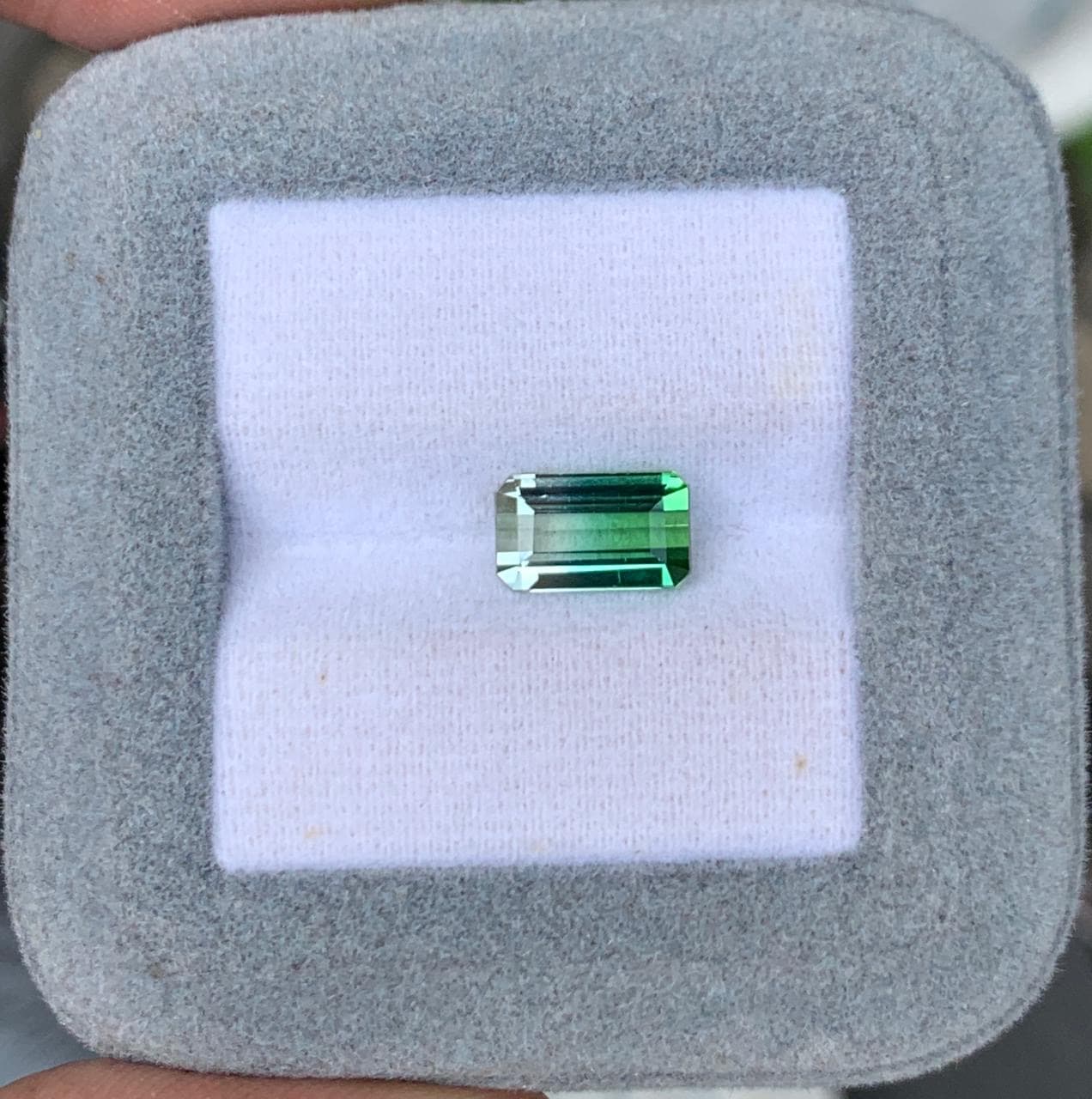
Tourmaline is a family of precious stones belonging to the complex silicates. It occurs naturally across an exceptionally wide colour palette. With a hardness of 7–7.5 on the Mohs scale, it offers good everyday wearability. Tourmaline grows in rocks called pegmatites — formed by the crystallisation of magma rich in rare elements. It is one of the very few gemstone families to offer such a breadth of colour variety.
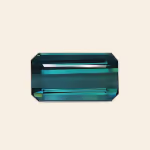
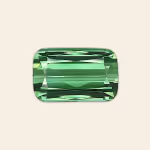
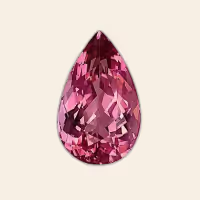
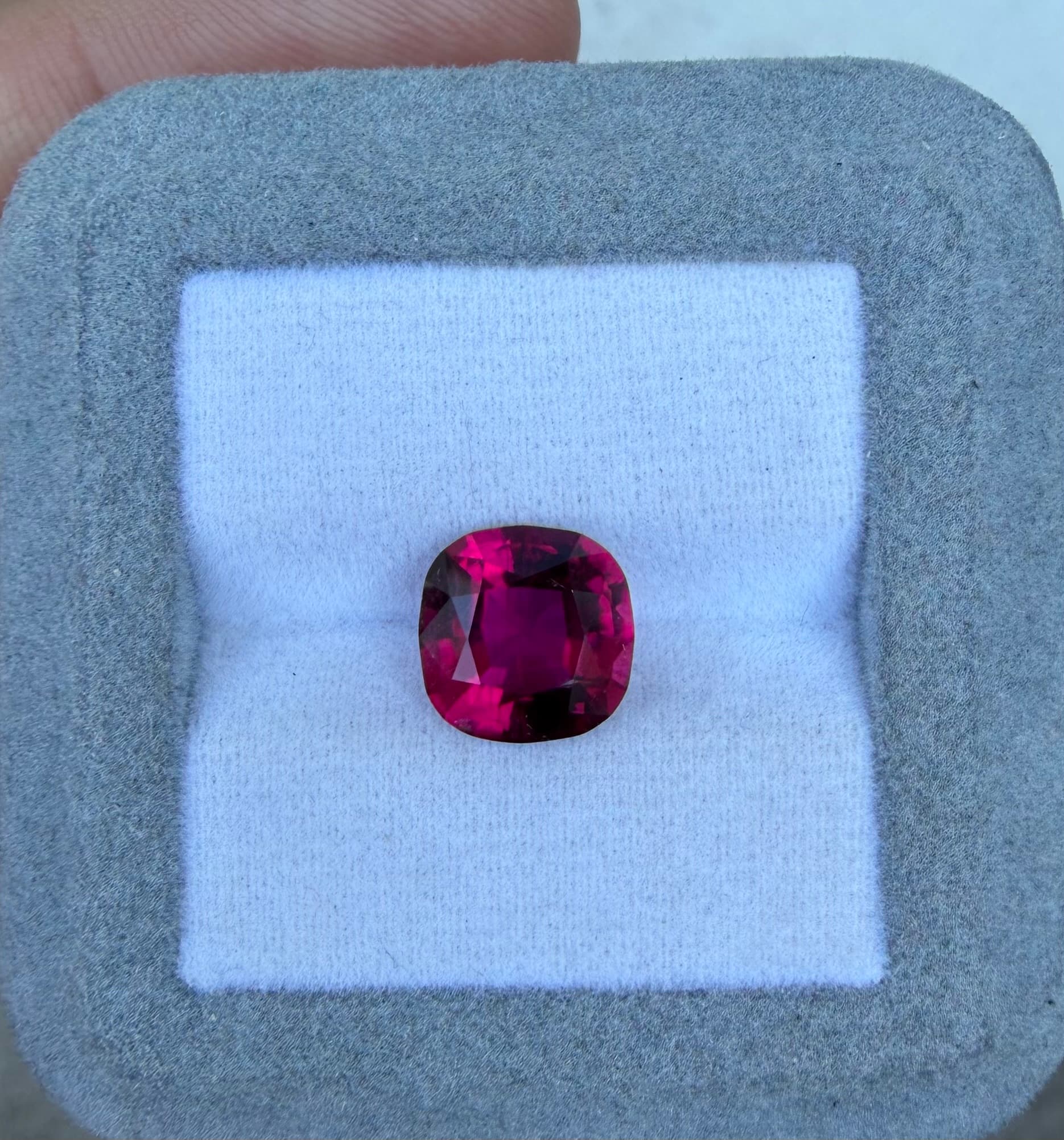
The tourmaline family comprises more than 30 recorded varieties, the best known of which carry specific names. Paraíba tourmaline refers to neon blue-green stones coloured by copper. Rubellite covers intense pink to red hues. Indicolite groups the blue tourmalines. Verdelite designates the green varieties. Chrome tourmaline offers a rare, deep and intense green. Dravite presents brown or yellow tones. Schorl corresponds to the opaque black varieties.
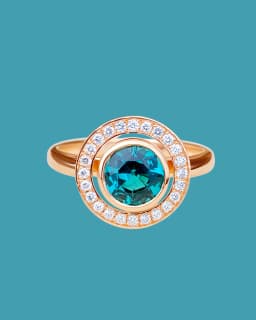
These three names refer to three distinct tourmaline varieties. Rubellite covers pink to red tourmalines, coloured by manganese. Indicolite groups the blue tourmalines, coloured by iron. Paraíba tourmaline displays its characteristic neon blue-green, due to copper. This variety was discovered in Brazil in the 1980s. Paraíba remains by far the most valuable of all tourmalines, with prices exceeding €20,000 per carat.
Tourmalines come primarily from four regions of the world. Brazil (Minas Gerais) has been the historic reference since the 18th century. Madagascar established itself as the world's second major source from the 1990s onwards. Afghanistan (Nuristan) produces exceptional tourmalines, notably indicolites and rubellites. Africa (Nigeria, Mozambique, Namibia, Tanzania) broadens the offering with a wide range of colours. Russia (the Urals) and the United States (California) also have historic production of note.
The price of a tourmaline varies enormously depending on variety and quality. For common varieties (green, light pink), expect €100 to €500 per carat. Gem-quality rubellite reaches €1,000 to €3,000 per carat. Well-saturated indicolite trades at €500 to €2,000 per carat. Chrome tourmaline frequently exceeds €2,000 per carat. Paraíba tourmaline is in a league of its own: €5,000 to €50,000 per carat depending on the intensity of its neon blue.
Most tourmalines reach the market in their natural state. A proportion do undergo low-temperature heating to intensify their colour — a treatment widely accepted by the trade and stable over time. Paraíba tourmalines are often heated to bring out their characteristic neon blue. Highly saturated rubellites may receive irradiation to deepen the pink. Bonnot Paris favours natural tourmalines, and any treatment is systematically disclosed on the independent certificate.
Yes, tourmaline is suitable for an engagement ring, with a few considerations. Its hardness of 7–7.5 on the Mohs scale makes it less resistant than sapphire or ruby, so a protective setting is advisable for intensive daily wear. That said, tourmaline offers a chromatic diversity unmatched in the gemstone world — making it possible to find a truly personal and original stone for a marriage proposal. Its infinite colour palette remains one of its greatest strengths alongside the classic precious stones.
Tourmaline carries a rich and varied symbolism according to its colour. Rubellite symbolises passion and romantic commitment through its pink to red hue. Indicolite evokes serenity, communication and wisdom. Green tourmaline represents balance, healing and prosperity. Black tourmaline (schorl) traditionally stands for energetic protection. It is a customary gift for an eighth wedding anniversary. Its chromatic diversity makes it a stone suited to every occasion.