Configure your ring
With Studio Bonnot, become the architect of your dream ring
Start creating
Bonnot Paris
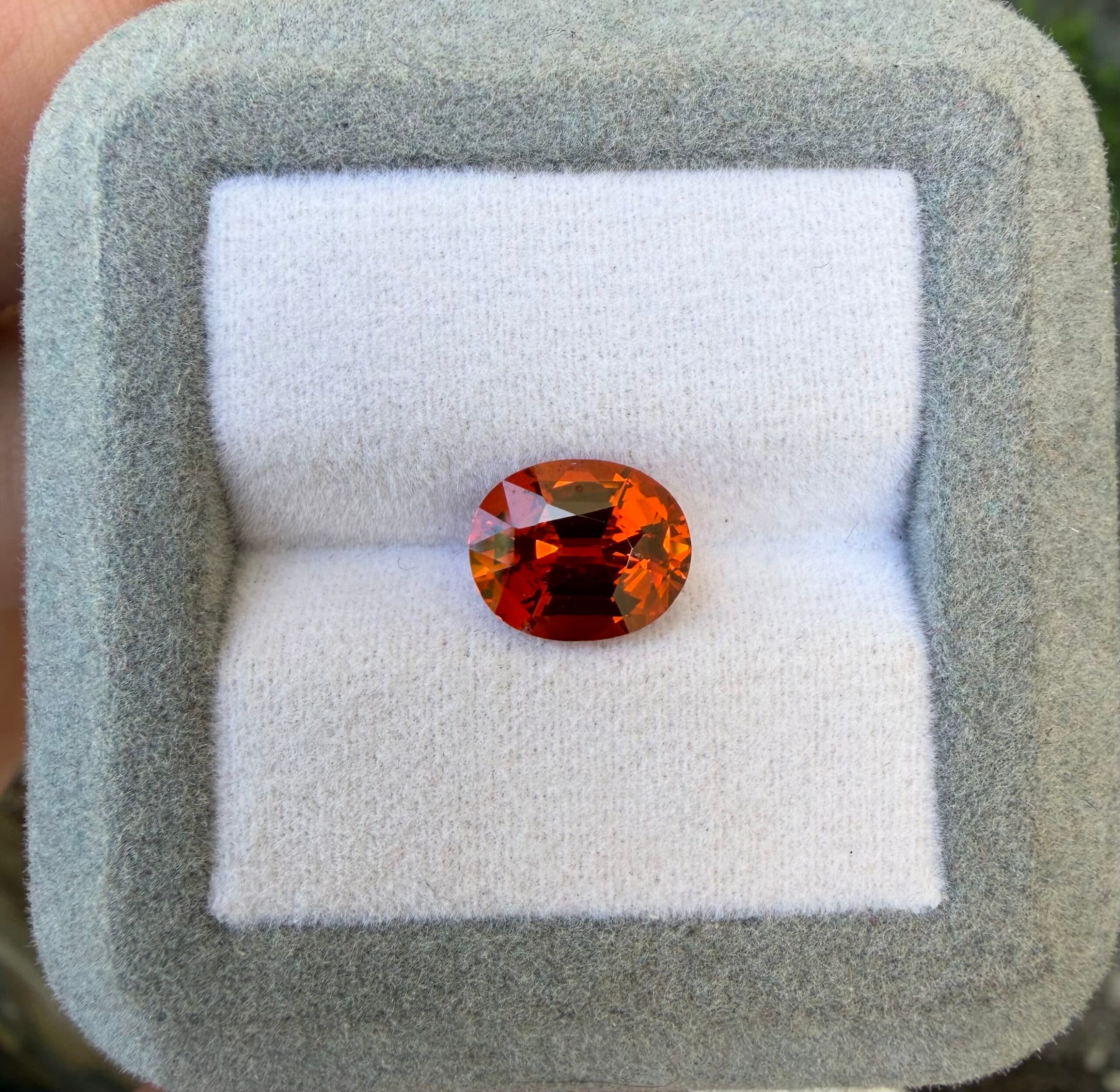
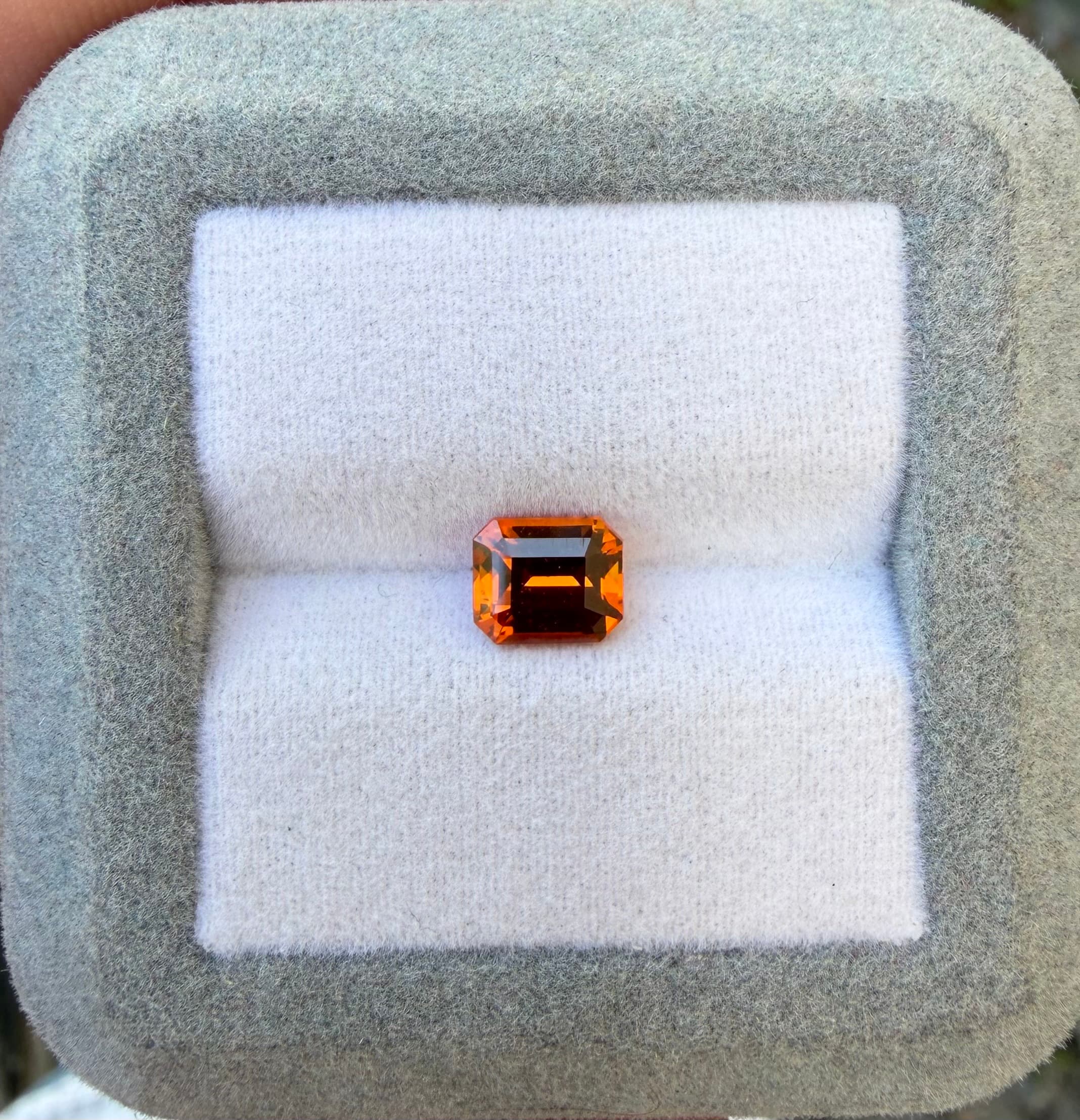
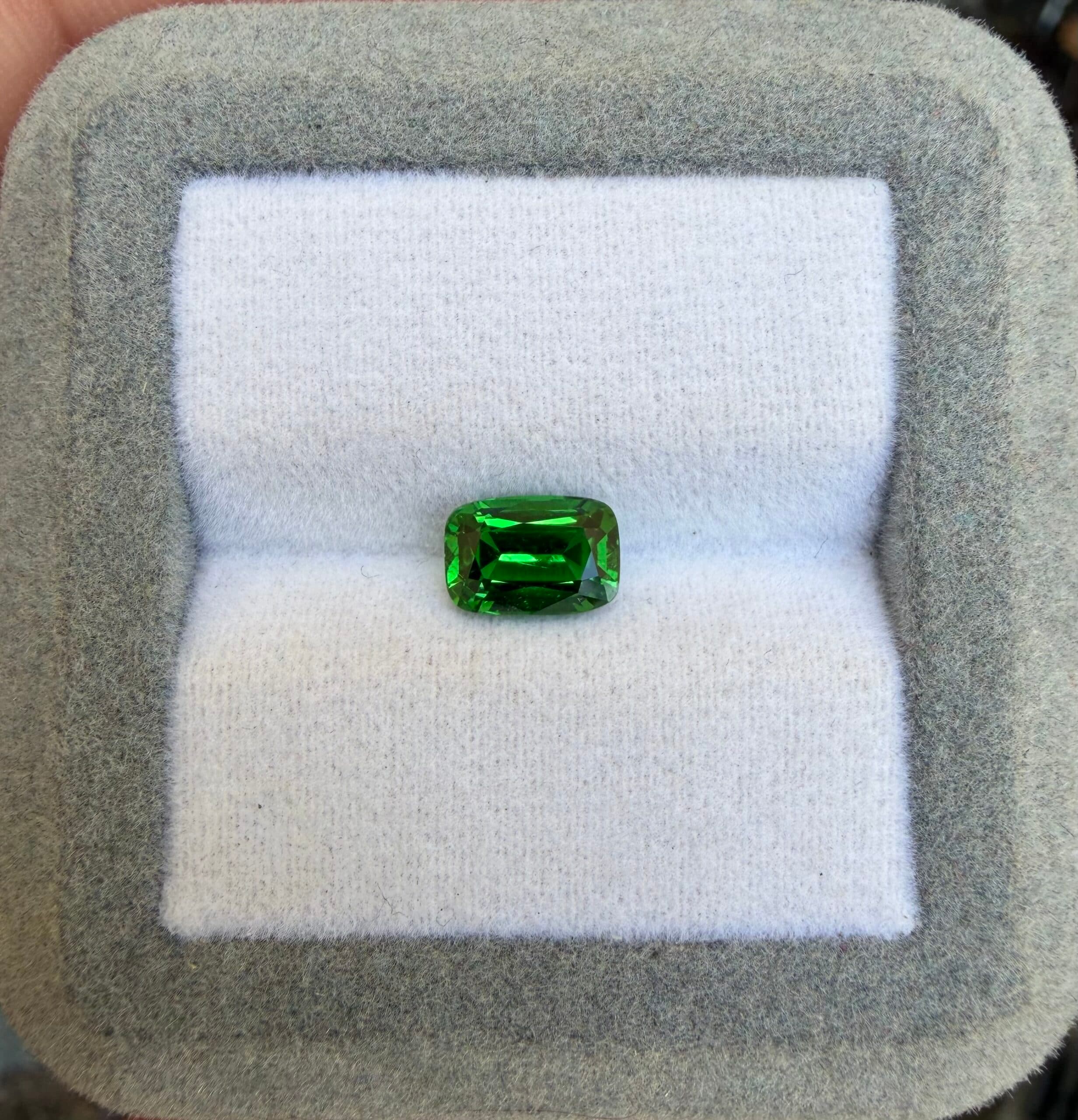
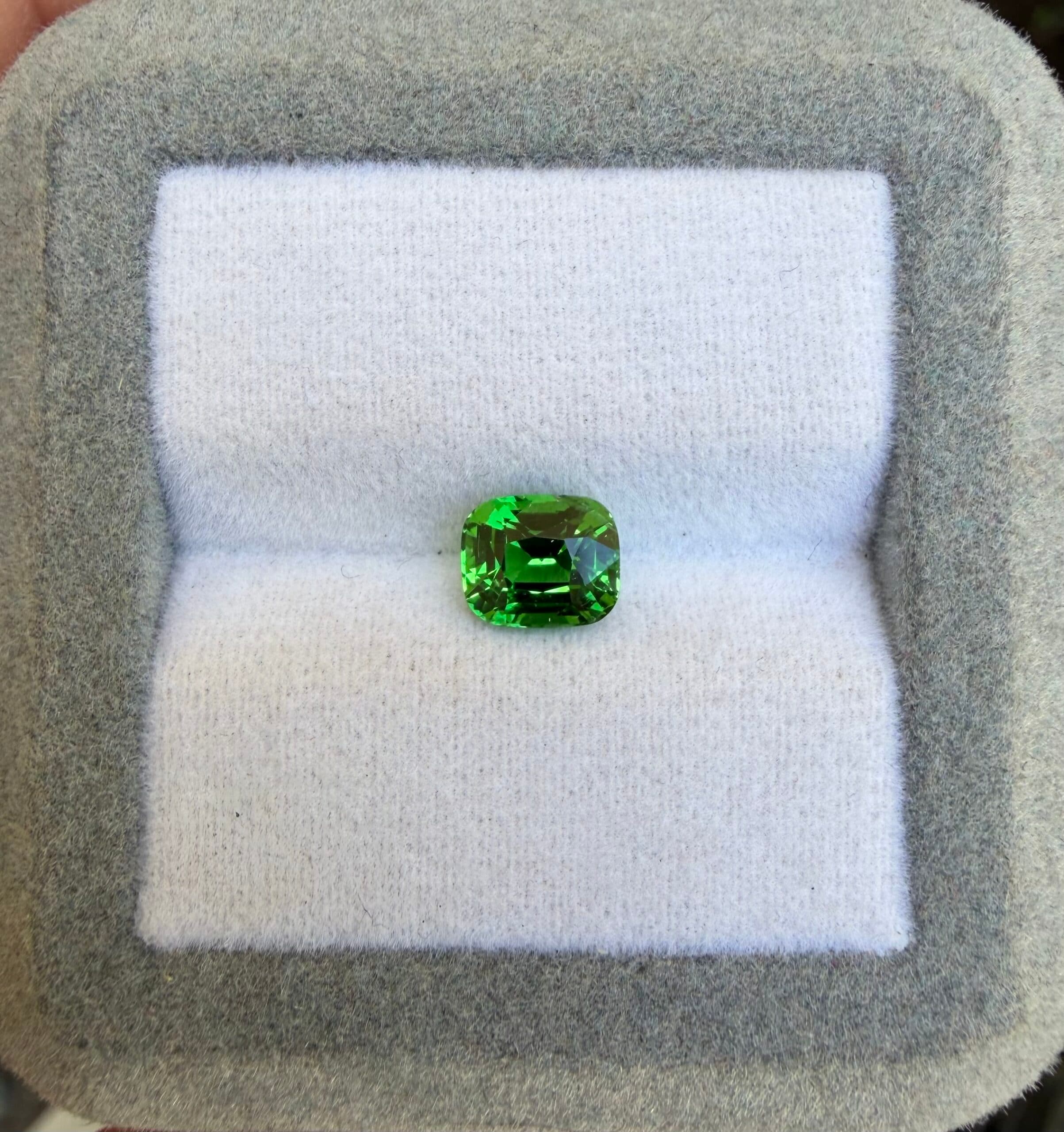
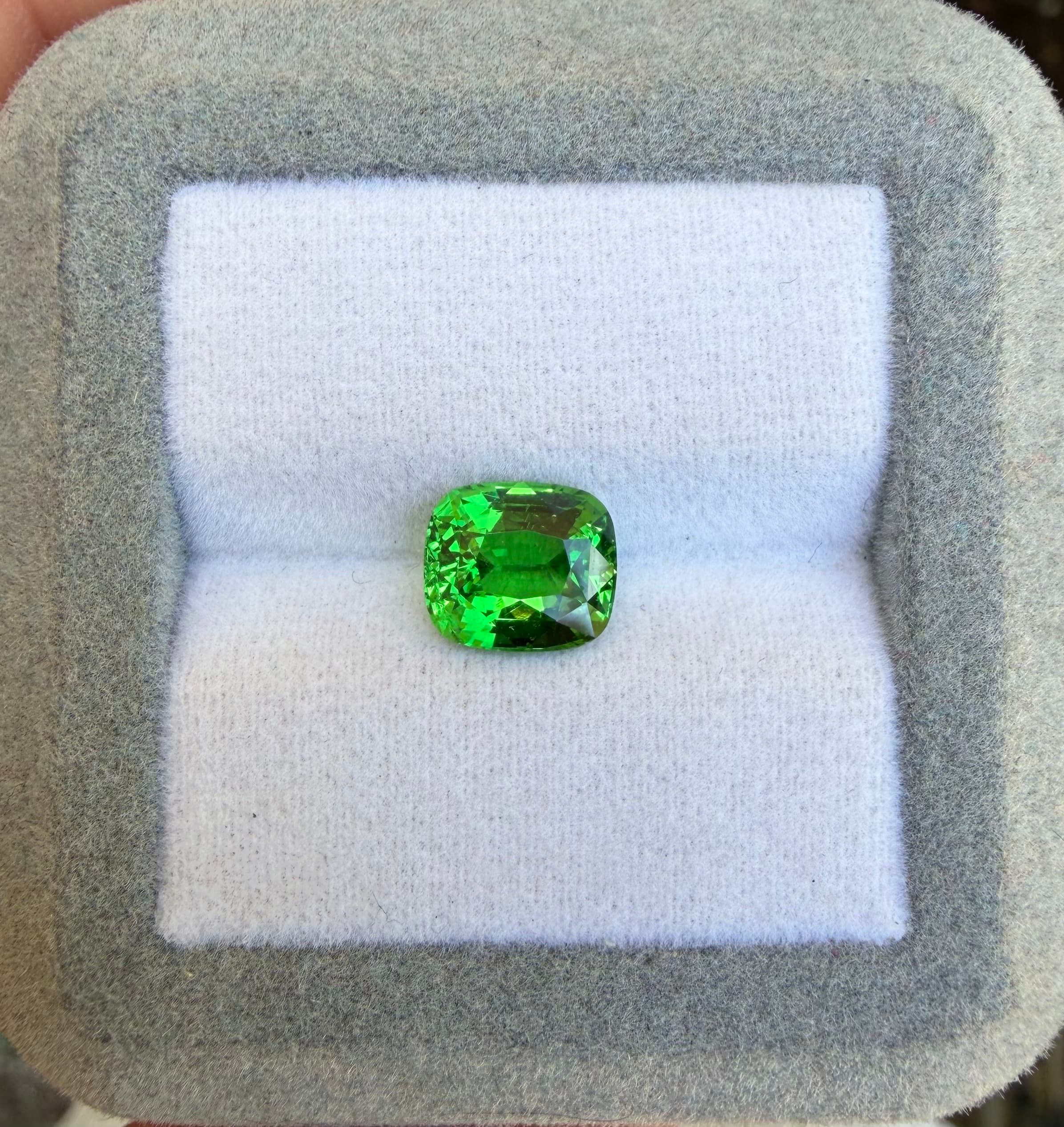
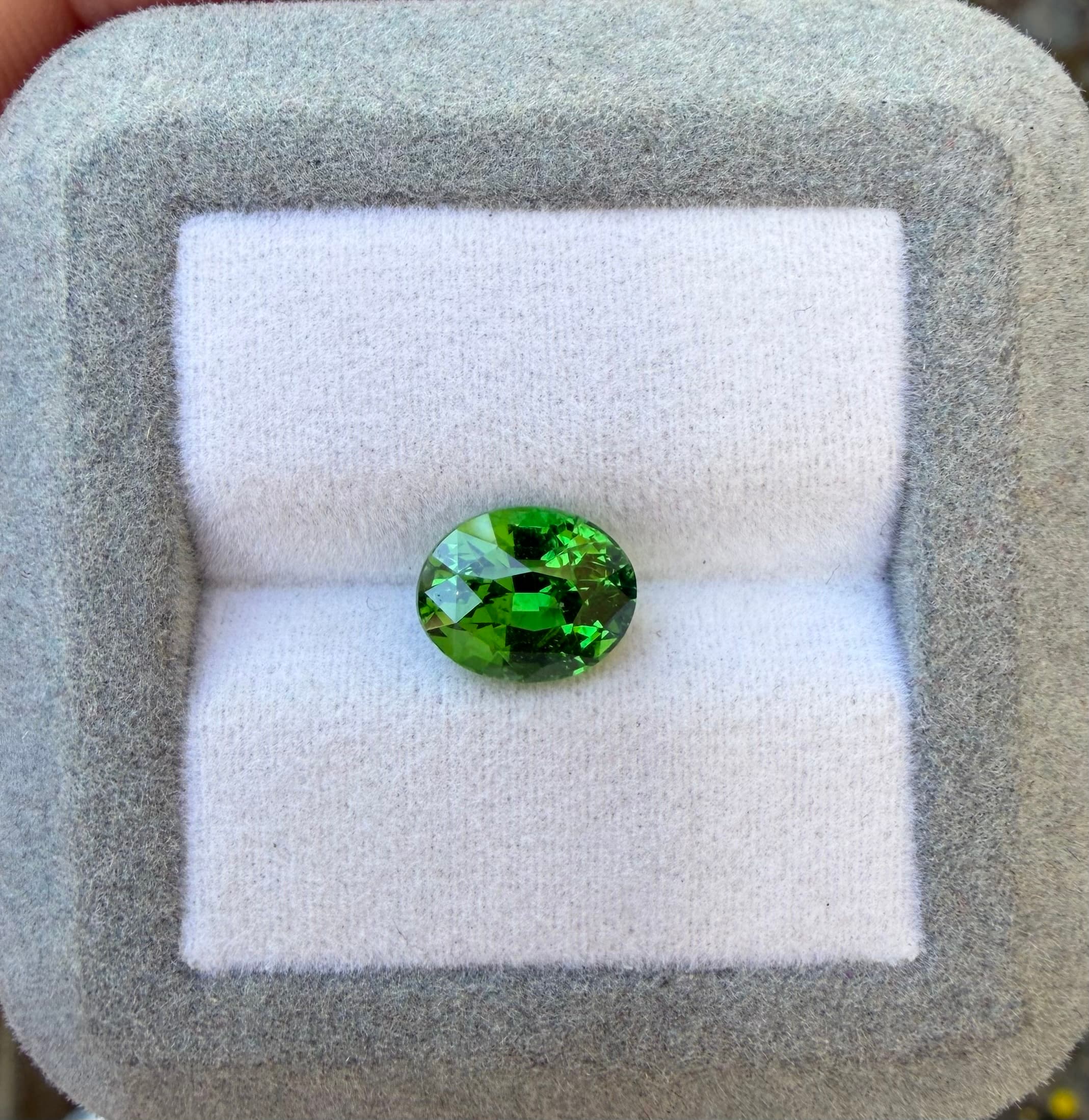
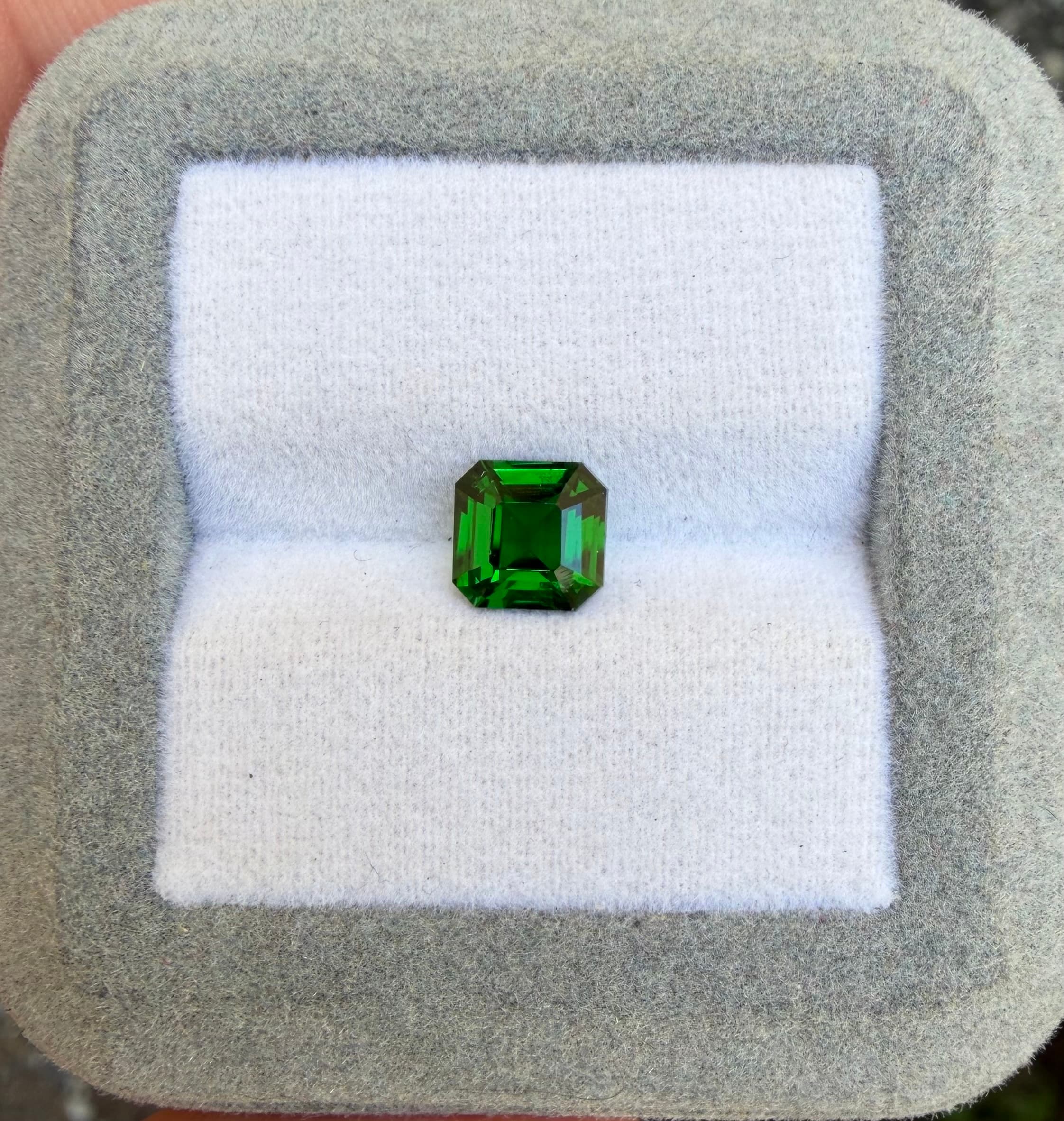
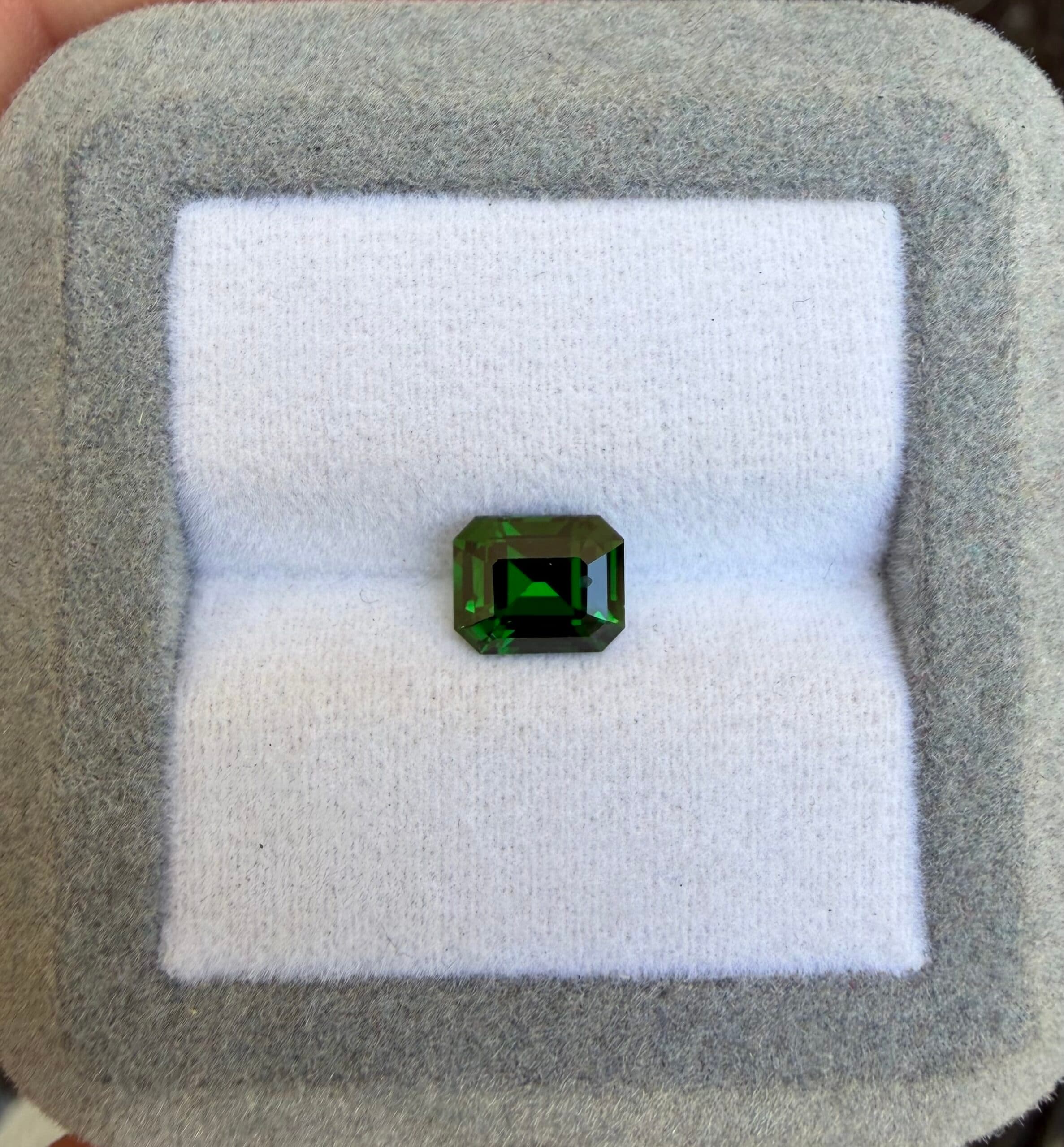
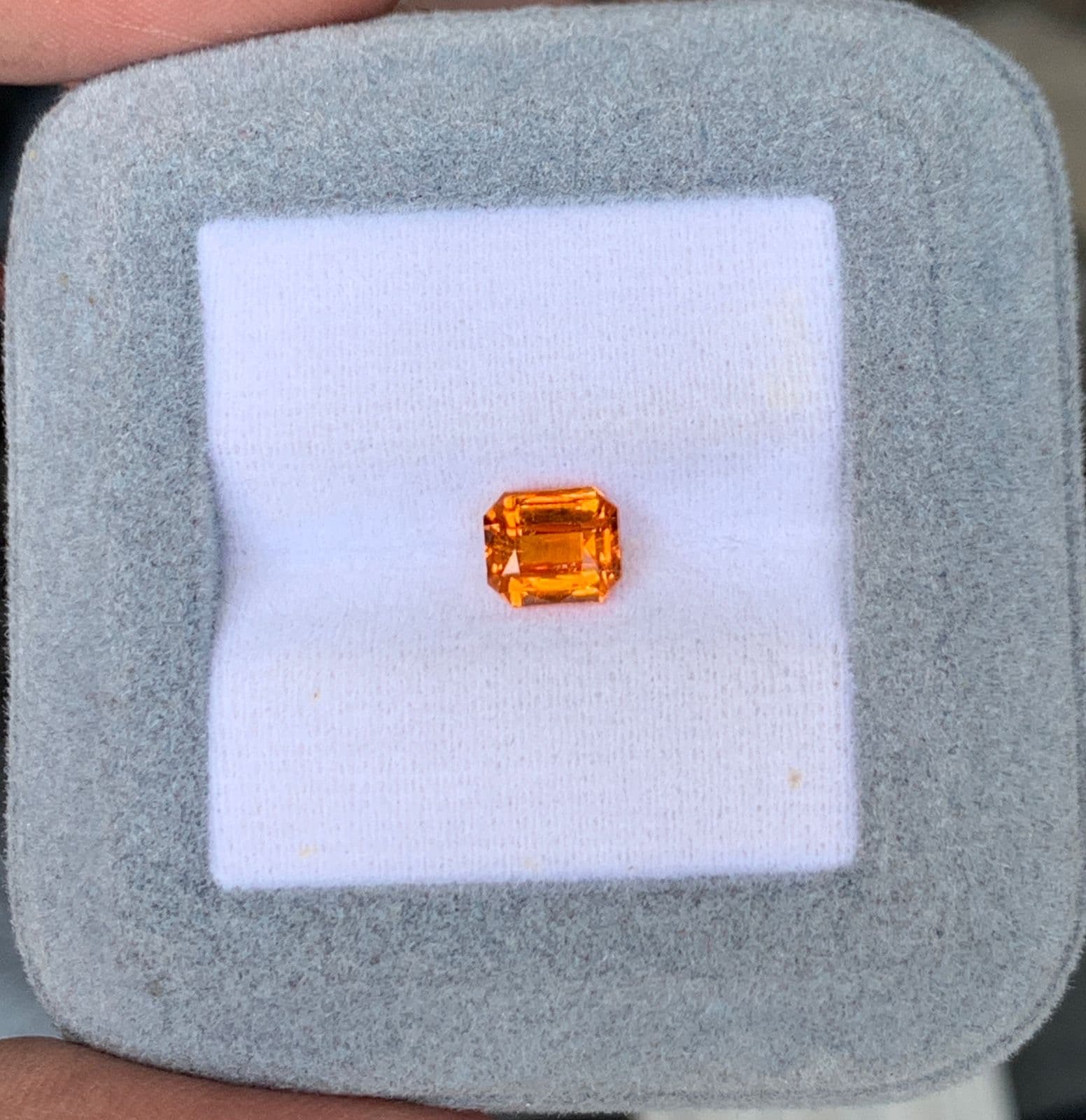
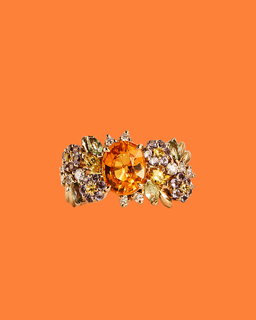
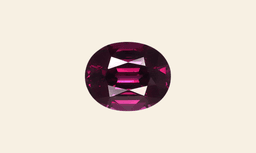
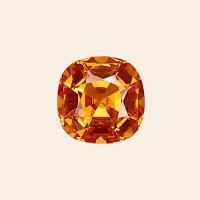
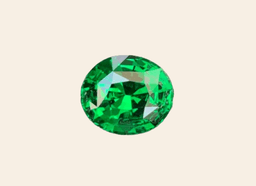
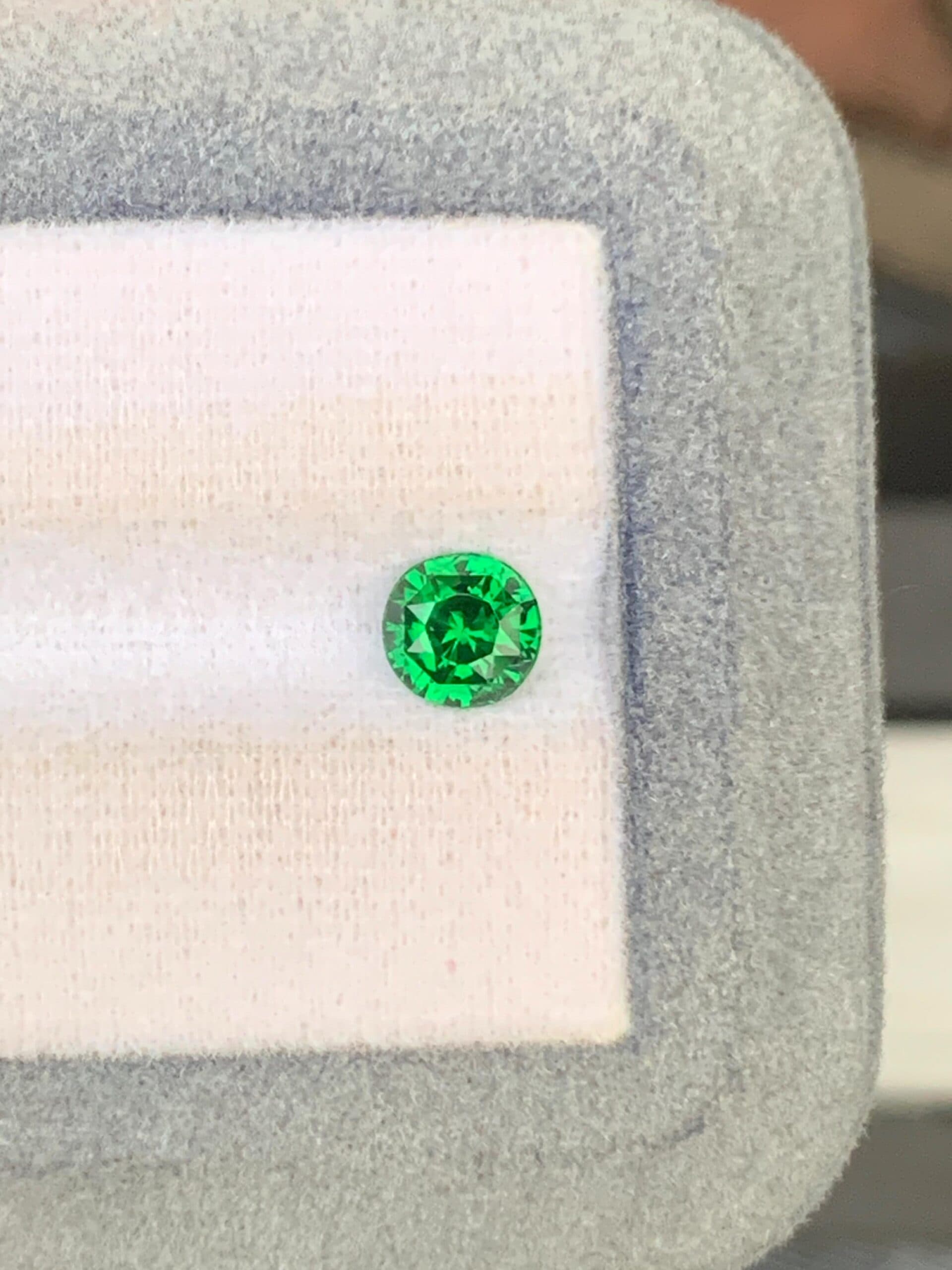
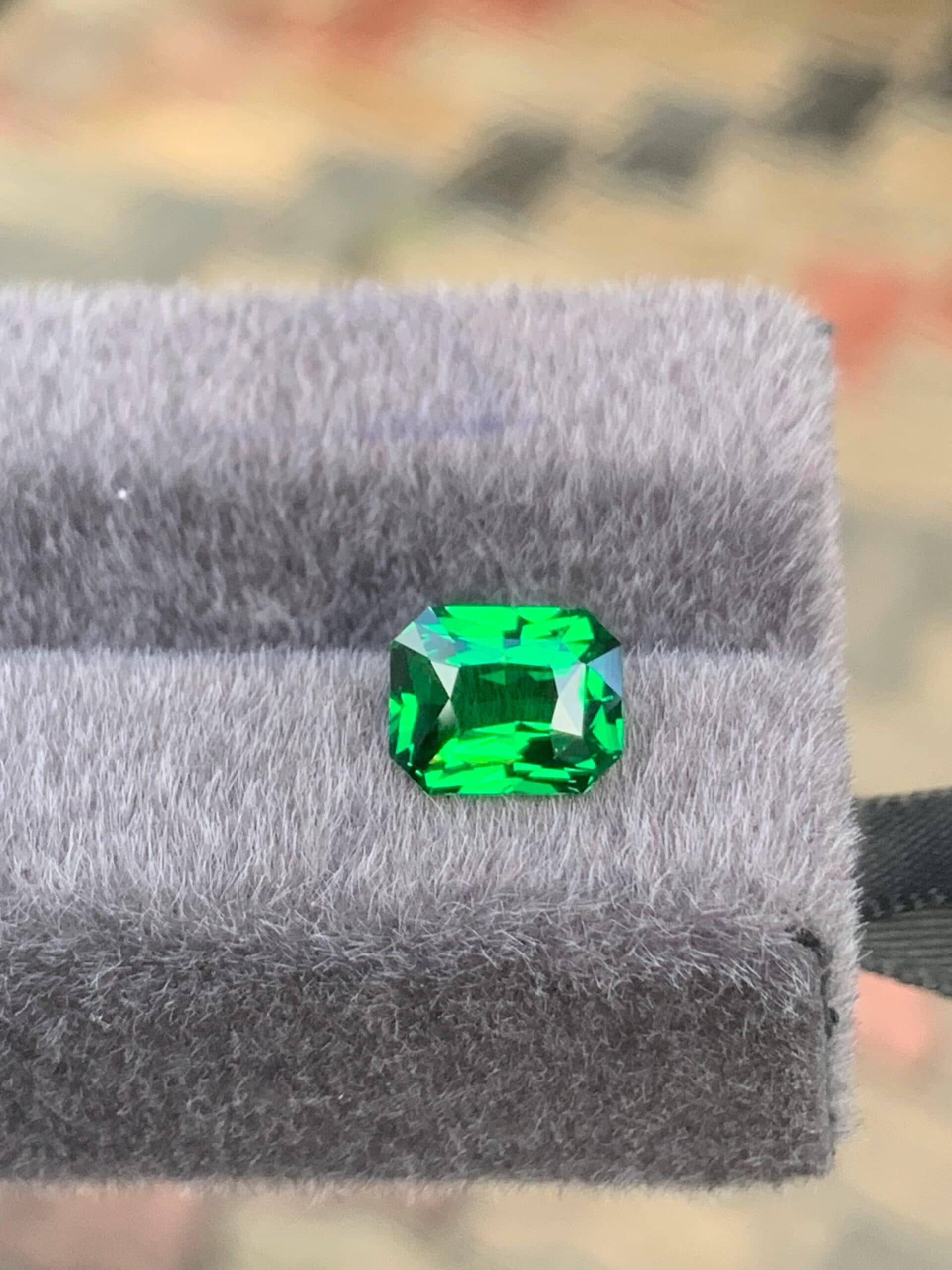
Garnet is an entire family of colours, far beyond the deep red it is so often reduced to: the electric green of the tsavorite , the mandarin orange of the spessartite , the raspberry hue of the rhodolite . Entirely natural stones…
Configure your ring
With Studio Bonnot, become the architect of your dream ring
Rating based on 100 customer reviews
Trusted by clients the world over
ICA Member
The only French jeweller to be a member of the International Colored Gemstone Association
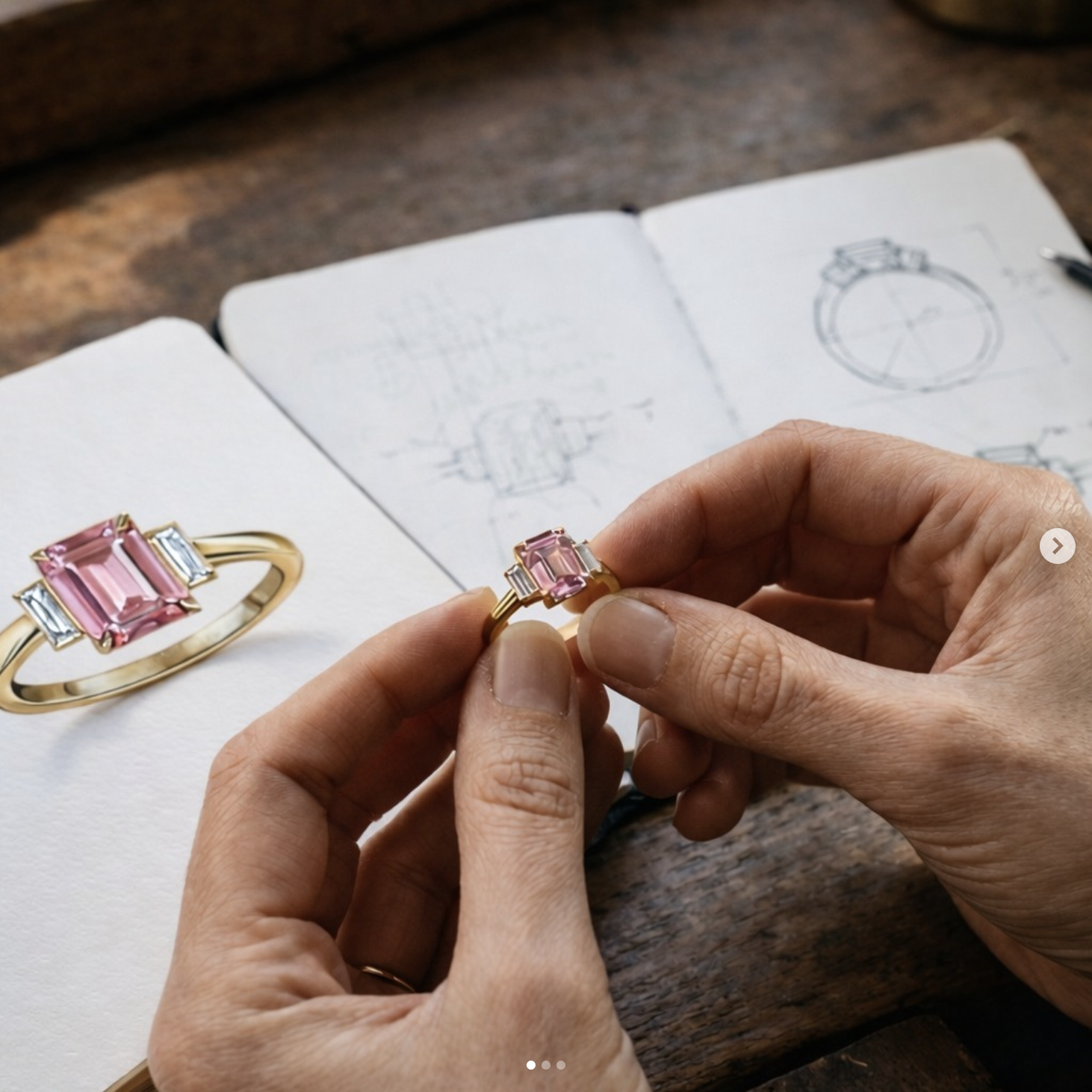
Bonnot Paris Showroom
Everything begins with an appointment at Bonnot Paris
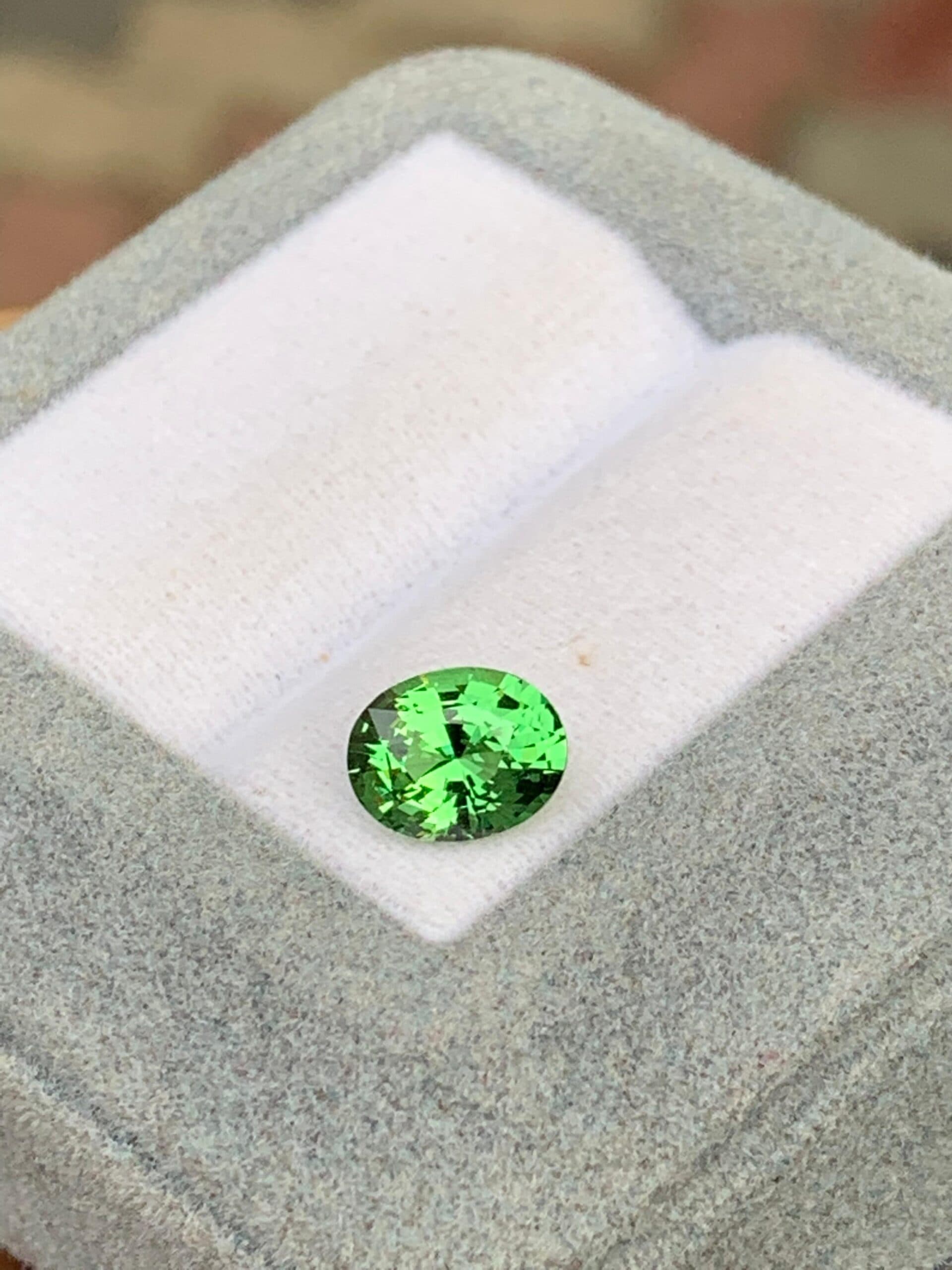
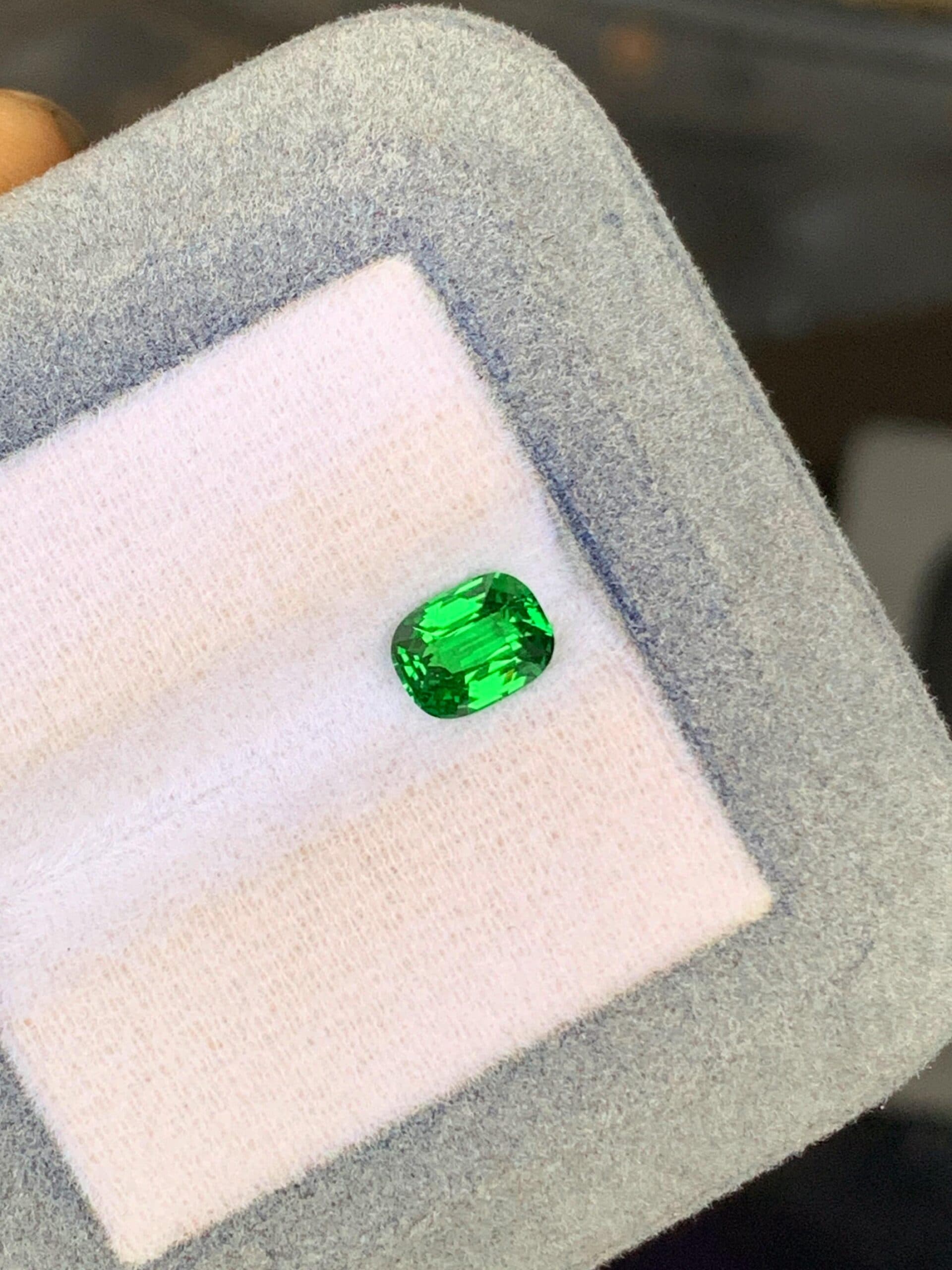
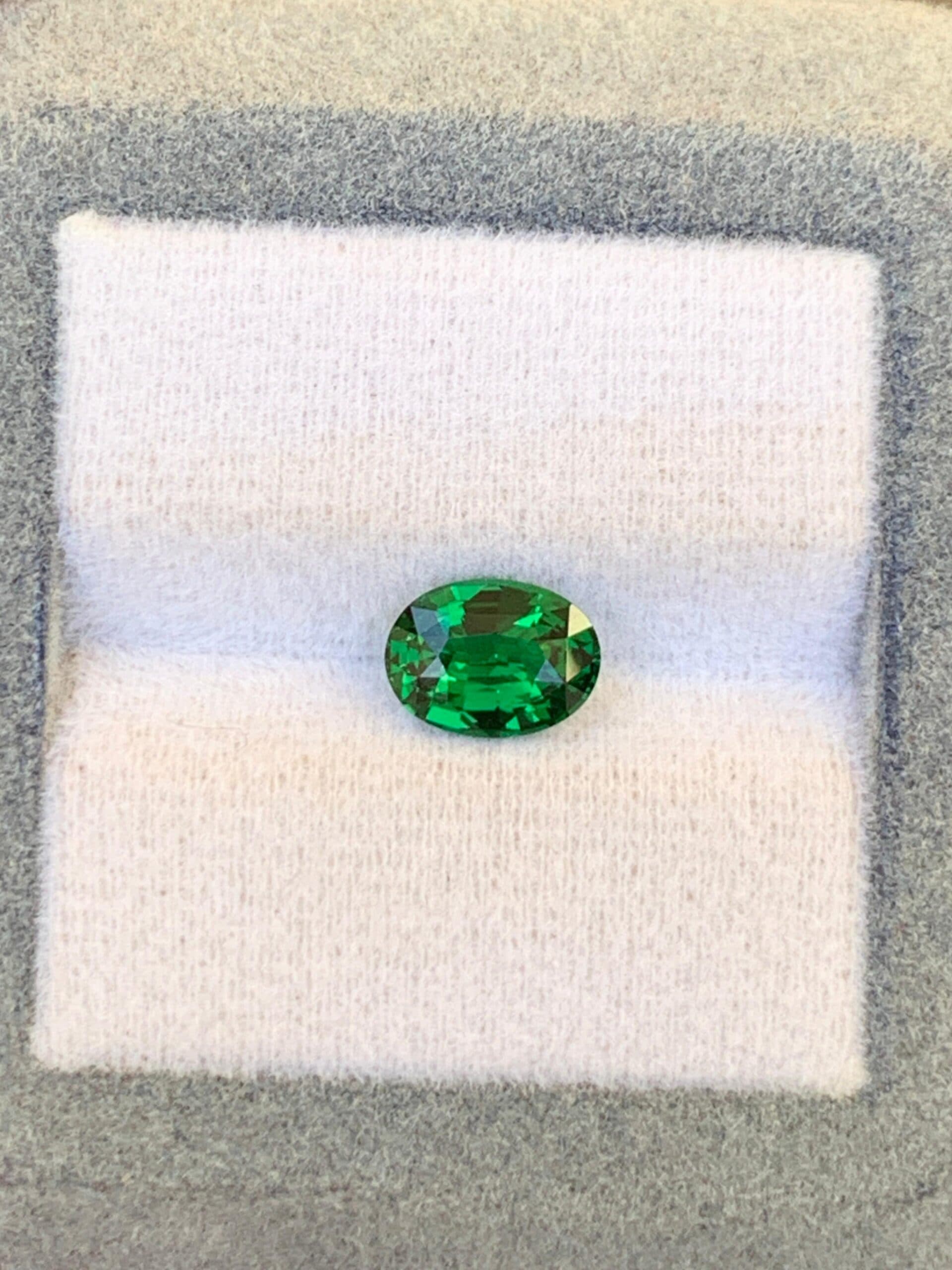
The Bonnot atelier
Every stone in this collection can be set in Paris on 18k gold, designed with you.
Explore
5/5
Excellent
5/5

Sophie Vincent
7 months ago
J'ai contacté la bijouterie Bonnot car je souhaitais un saphir Padparadscha, qui est assez rare. Toute la transaction a été faite à distance et s'est très bien passée. Ils sont très professionnels, à l'écoute et très sympathiques. J'ai reçu ma bague et elle correspond tout à fait à ma demande. Merci beaucoup 😋
5/5

Célia Gastel
6 months ago
L'adresse parfaite ! Bastien a été très à l'écoute, très bonne communication et très réactif ! Et leurs pierres sont superbes
5/5

Pn Ph
6 months ago
Excellente expérience avec Bastien pour la conception de notre bague de fiançailles sur mesure. Il a été disponible, les échanges ont été fluides et efficaces. La conception de la bague a été rapide, elle est magnifique et correspond exactement à ce que nous voulions. Nous recommandons fortement Bonnot pour son expertise, mais aussi son sens de l'écoute.
5/5

JFL lancelier
6 months ago
Très professionnels.un service impeccable une belle offre de bijoux de très grande qualité
5/5

Alan Cormand
6 months ago
J’ai récemment commencé une collection de pierres précieuses et je suis vraiment impressionné par la qualité. Les pierres sont magnifiques, bien taillées et correspondent parfaitement à la description. En plus, la livraison a été très rapide. Je recommande sans hésitation !
5/5

Alex
6 months ago
Une très belle maison qui allie savoir-faire et excellence du service. L’expérience client est fluide, rapide et d’une grande transparence. Merci à Bonnot Joaillerie pour cet accompagnement de qualité.
5/5

Christine Petit
6 months ago
Bastien est à la fois très sympathique et très professionnel. J'ai été très bien reçue, le contact et la communication sont faciles. J'ai fait transformer une marguerite en bague plus moderne et je suis ravie du résultat.
5/5

marielle frances
6 months ago
Une très belle rencontre autour d'une belle Pierre, merci à Bastien et François pour leur accueil! A très bientôt pour l'achat de nouvelles pierres!
5/5

Yac ine
5 months ago
Professionnels, réactifs et sympathiques, je recommande.

Exceptional precious stones at fair and transparent prices

Our unique gemstones reflect the purity and elegance of nature

Exclusively by renowned independent laboratories
Exceptional sourcing
At Bonnot Paris, every stone is selected for its rarity, clarity and ethical provenance, ensuring full traceability, exceptional quality and fair pricing.
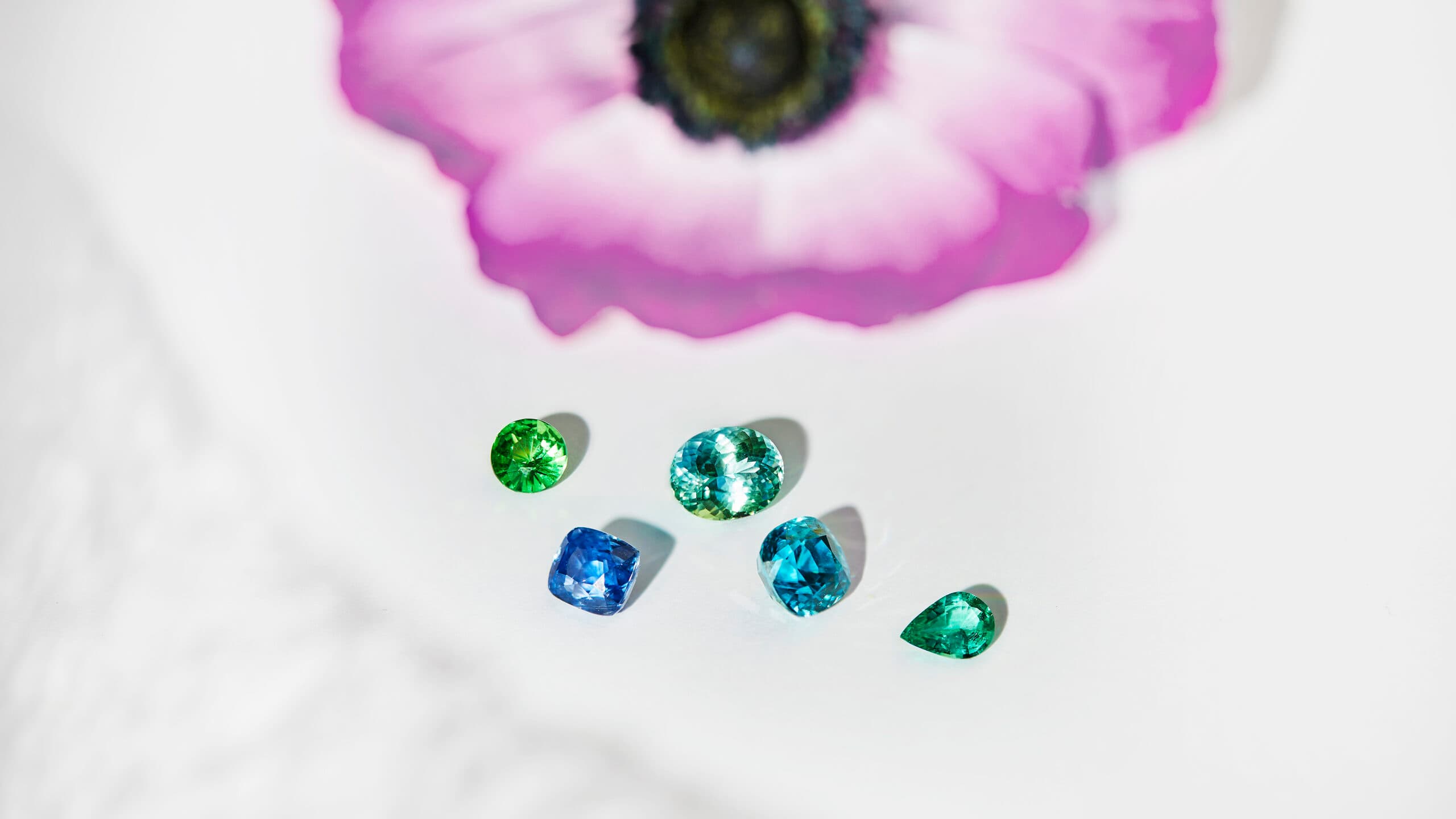
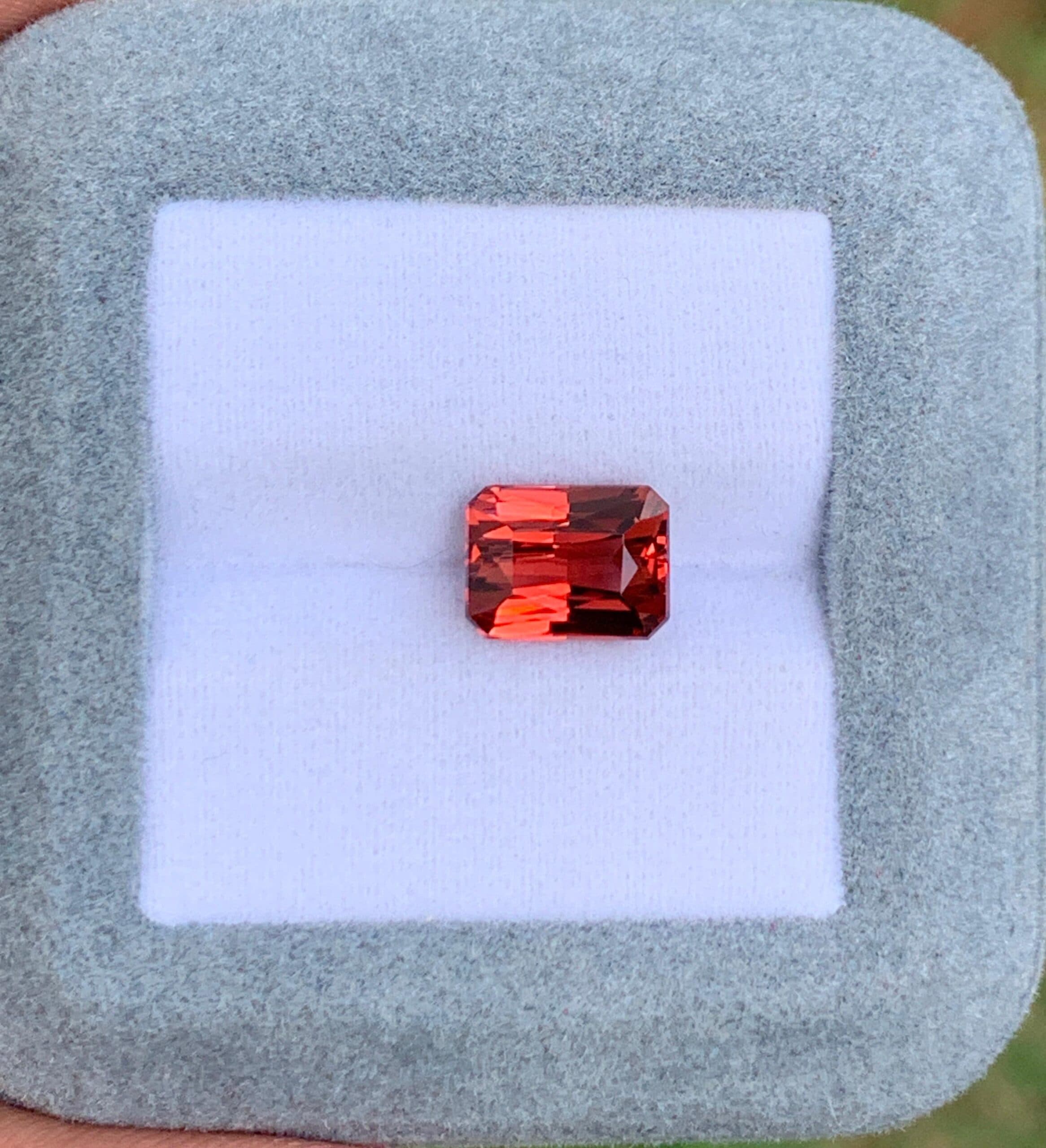
Garnet is not a single stone but a mineral family comprising more than 20 varieties, grouped into two main categories. The pyralspites include almandine (deep red), pyrope (fiery red), rhodolite (pink-violet) and spessartite (mandarin orange). The ugrandites include tsavorite (chrome green), demantoid (green with exceptional dispersion) and classic grossular. All share a cubic crystal structure yet offer colours ranging from fiery red to deep green, by way of brilliant orange and soft pink.
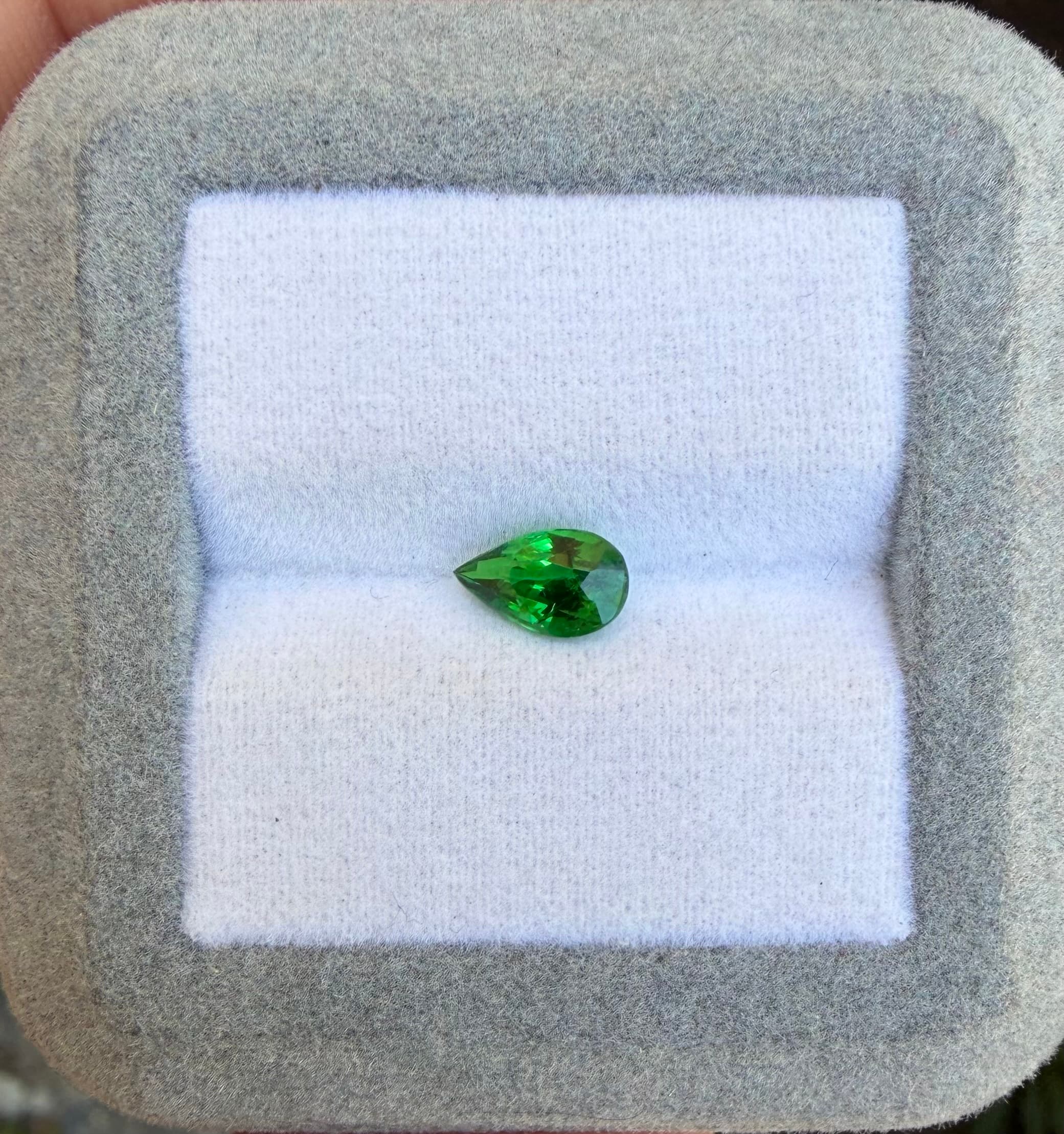
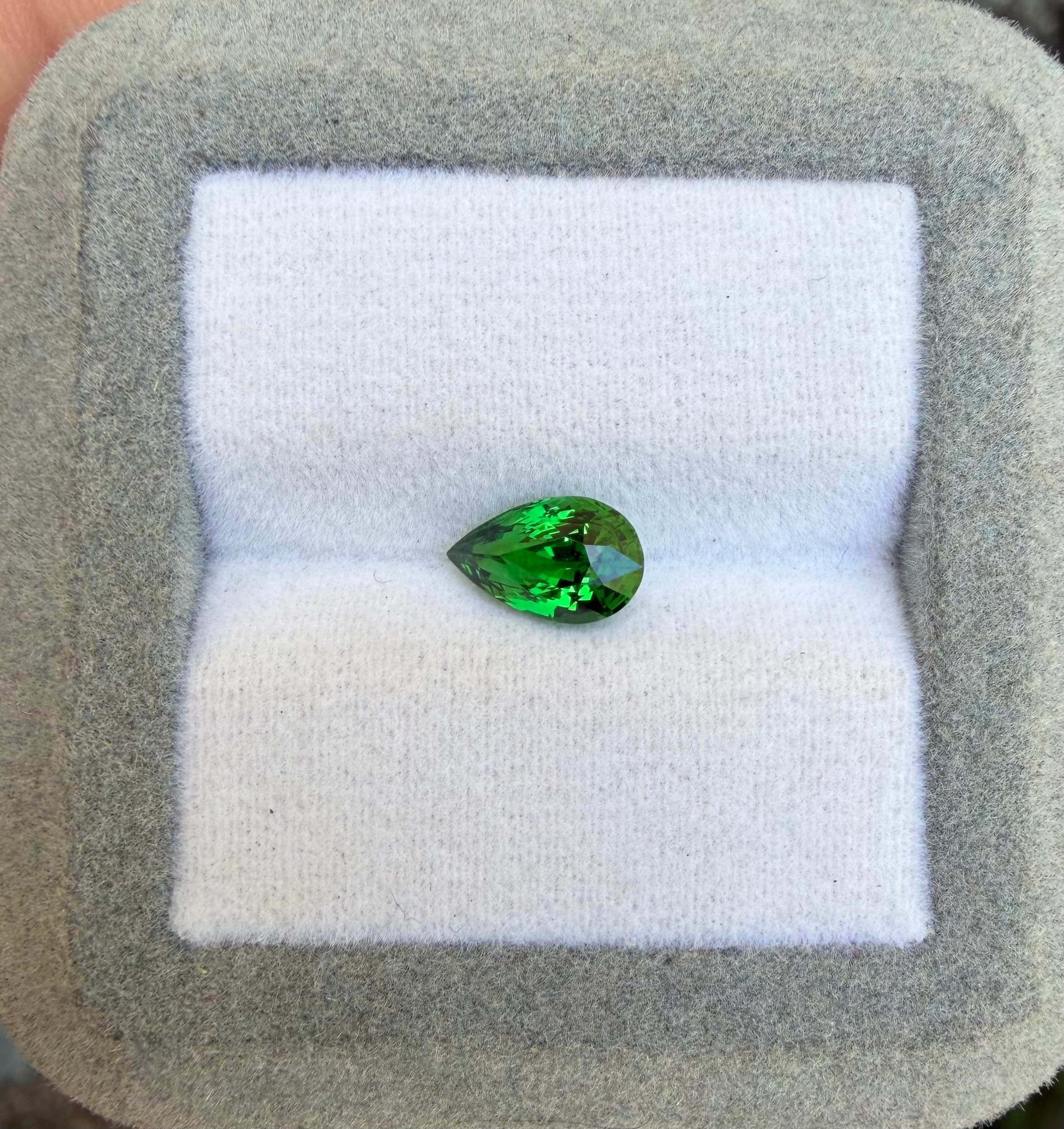
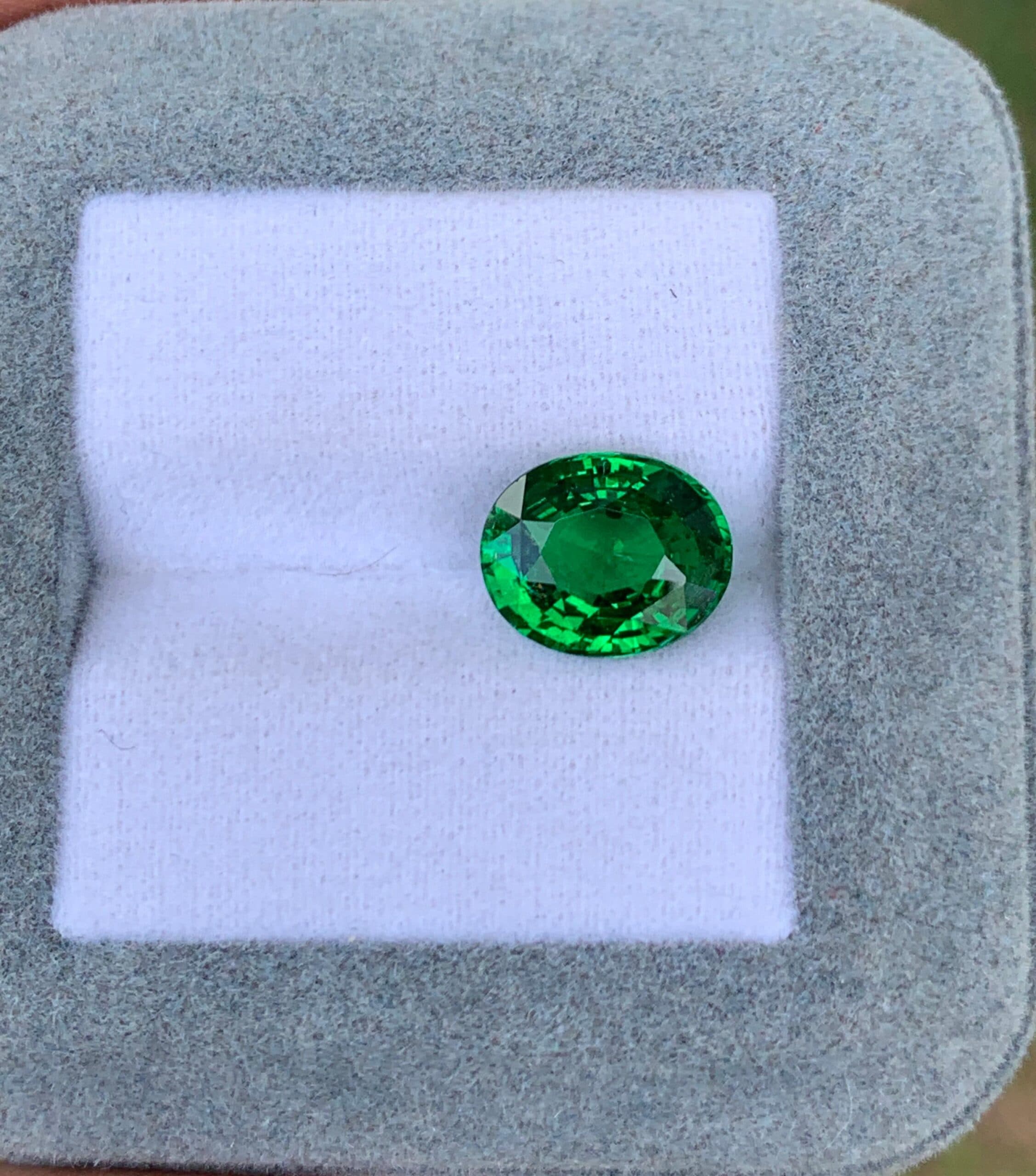
The two rarest and most prized varieties are both green: demantoid and tsavorite. Demantoid — found principally in Russia (the Urals) and Madagascar — has a light dispersion greater than that of diamond, producing characteristic multicoloured flashes. Exceptional Russian demantoids trade at several thousand euros per carat. Tsavorite (Kenya, Tanzania) offers a deep green close to emerald with near-perfect clarity — a fine tsavorite of 3 carats or more regularly exceeds €5,000 per carat.
Price varies considerably by variety. Classic red garnets (almandine, pyrope) remain the most affordable: €50 to €200 per carat for fine quality. Rhodolite in pink-violet trades at €200 to €600 per carat. Exceptional mandarin spessartite (Namibia) reaches €500 to €2,000 per carat. Tsavorite sits between €1,000 and €5,000 per carat depending on quality and weight. Demantoid, the rarest of all, starts at €2,000 per carat for modest stones and exceeds €10,000 per carat for fine Russian examples.
Because both share the cubic crystal structure and fundamental mineral composition of the garnet family (silicates with the structure A₃B₂(SiO₄)₃), with simply different chemical elements occupying the A and B sites. Tsavorite is a grossular garnet coloured by chromium and vanadium. Spessartite is a pure manganese garnet. The name “garnet” therefore refers to a mineral family, not a colour — hence the frequent confusion with the classic red of almandines and pyropes. It is precisely this chromatic diversity that makes the garnet family so captivating.
Yes, provided the right variety is chosen. Garnets have a hardness of 6.5 to 7.5 on the Mohs scale, which places them firmly in jewellery territory, though below sapphire and ruby (hardness 9). Tsavorite and demantoid in particular are perfectly suited to everyday wear. Softer varieties (almandine at 6.5) are better protected in a pendant or earring setting. Symbolically, garnet is associated with passion, vitality and fidelity — a powerful message. Bonnot Paris recommends a high claw or bezel setting for daily wear.
Garnets have a hardness ranging from 6.5 to 7.5 on the Mohs scale depending on the variety. The hardest garnets are pyrope, almandine and tsavorite (7–7.5). Spessartite and demantoid sit at around 7. This hardness makes them fully suited to jewellery — comparable to quartz or aquamarine — though lower than sapphire and ruby at hardness 9. In practice, a well-set garnet withstands daily wear without difficulty, but requires a little more care than a sapphire when it comes to scratches and direct impacts.
Three elements provide assurance: a gemmological certificate from an independent laboratory (SSEF, GIA, GRS, AGL) confirming the variety, origin and any treatment; a x10 loupe examination revealing the characteristic inclusions of each variety (crystals in rhodolite, “horsetail” inclusions in demantoid, fingerprint inclusions in tsavorite); and purchasing from a trusted specialist, ideally a dealer who is a member of a recognised association such as the ICA. Be wary of “garnets” that are unusually transparent, suspiciously inexpensive, or display improbable colours — these may be coloured glass or synthetic stones.
Origin varies by variety. Classic red garnets (almandine, pyrope) come from Mozambique, India, Madagascar and Tanzania. Rhodolite originates principally from Tanzania and Mozambique. Spessartite is mined in Nigeria, Namibia (where the particularly prized “mandarin” variety is found), Mozambique and Madagascar. Tsavorite is almost exclusively Kenyan and Tanzanian. Russian demantoid (the Urals) remains the historic benchmark, though Madagascar and Namibia also produce fine stones today. Bonnot Paris sources its garnets directly through its offices in Jaipur and Bangkok, with direct access to African deposits.