Configure your ring
With Studio Bonnot, become the architect of your dream ring
Start creating
Bonnot Paris
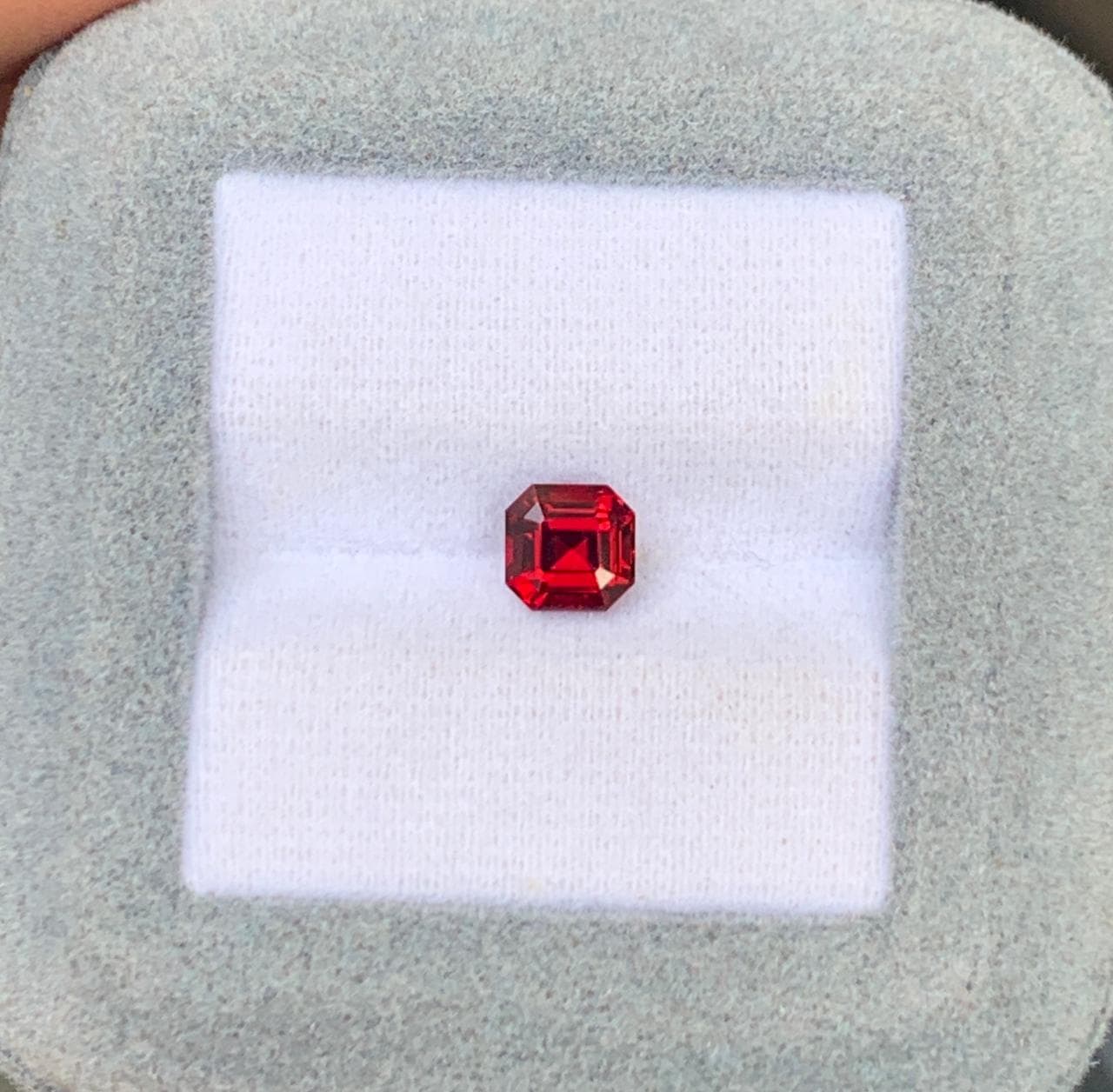
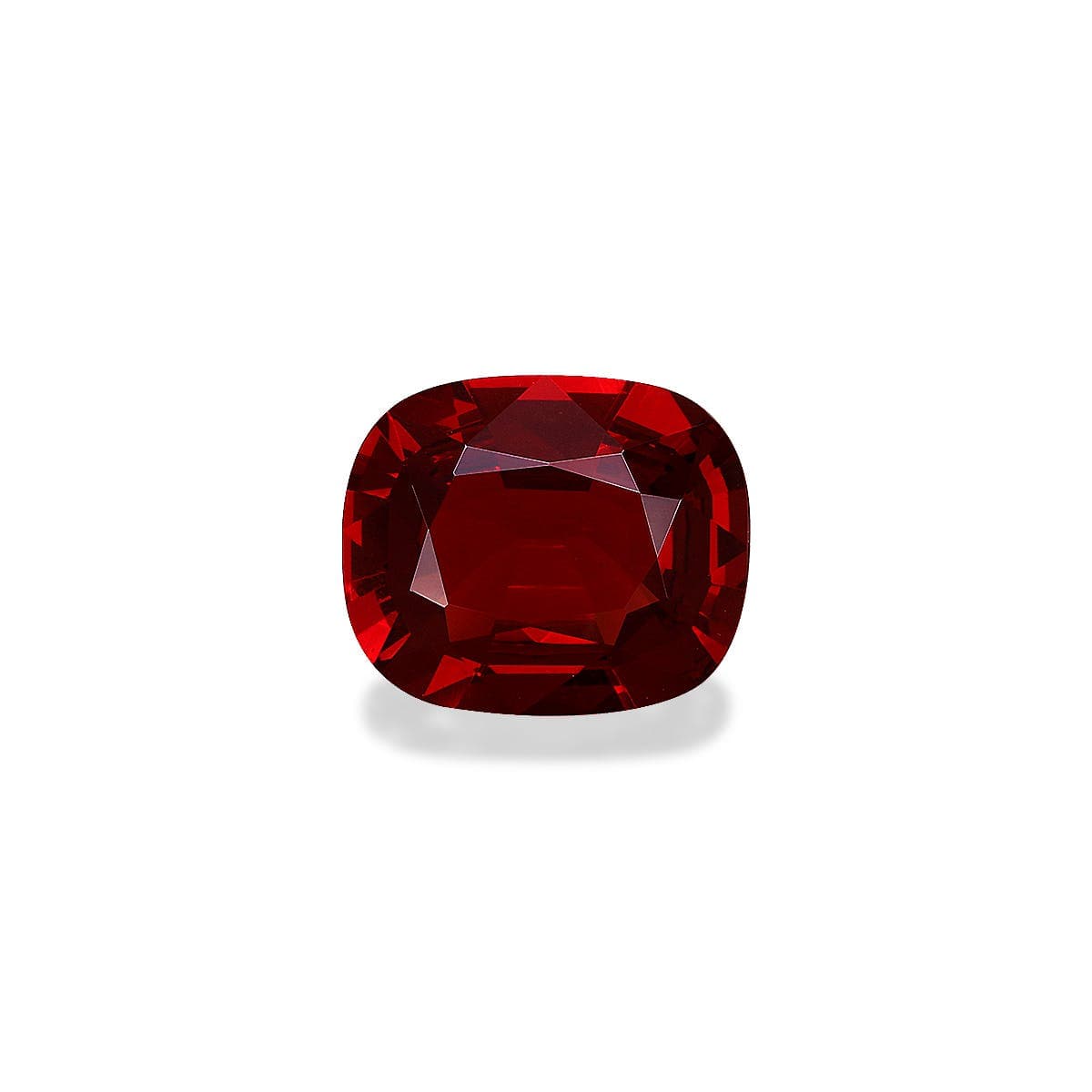
Red spinel is the historical equal of ruby: for centuries, the most celebrated 'rubies' in Europe's royal crowns were in fact spinels. Its frank red — slightly softer in tone than ruby — is almost always entirely natural,…
The Bonnot atelier
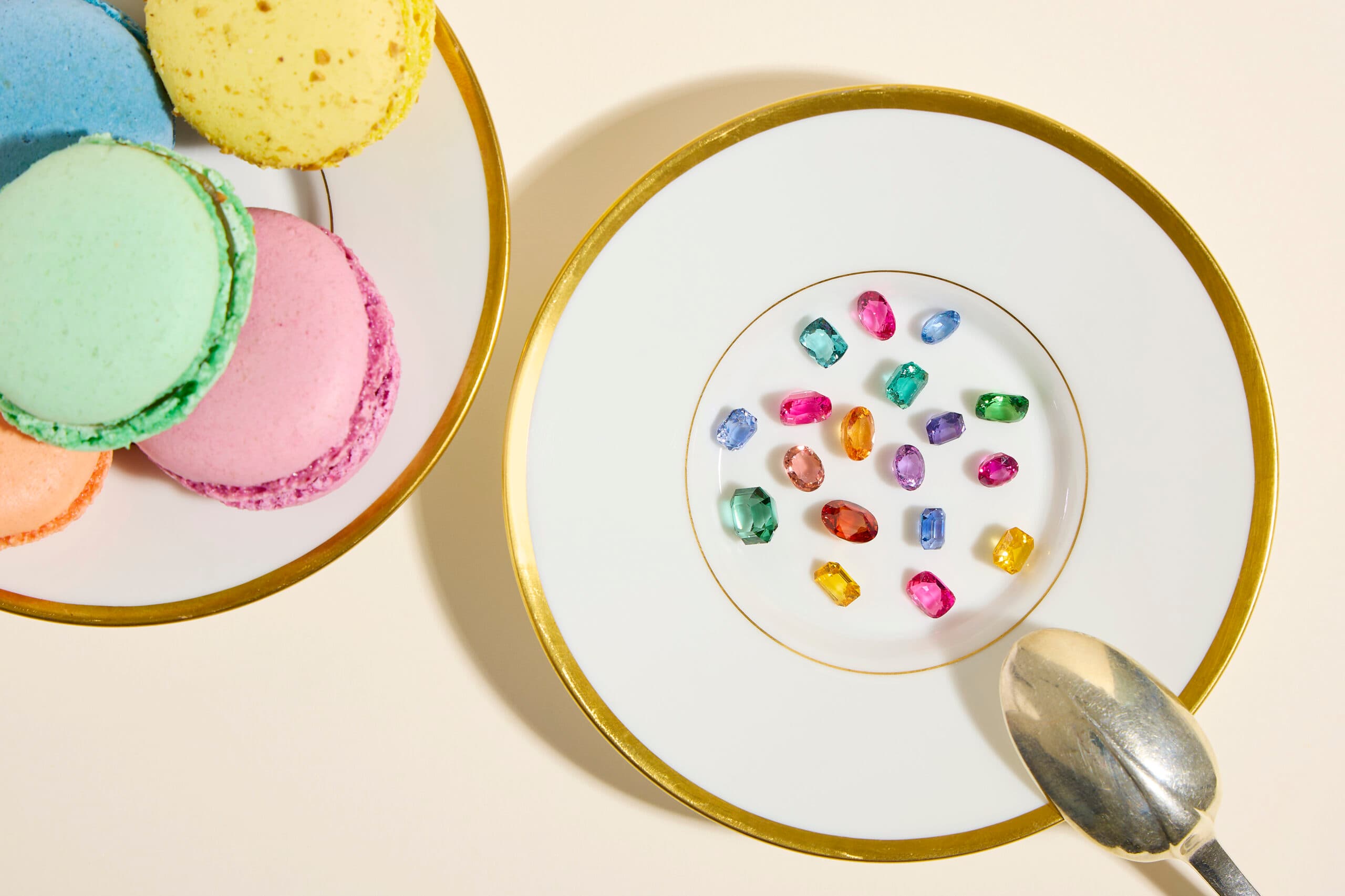
Every stone in this collection can be set in Paris on 18k gold, designed with you.
TRAVEL DIARY
In Luc Yen, cradle of the world's finest spinels, with local dealers.
Explore
5/5
Excellent
5/5

Sophie Vincent
7 months ago
J'ai contacté la bijouterie Bonnot car je souhaitais un saphir Padparadscha, qui est assez rare. Toute la transaction a été faite à distance et s'est très bien passée. Ils sont très professionnels, à l'écoute et très sympathiques. J'ai reçu ma bague et elle correspond tout à fait à ma demande. Merci beaucoup 😋
5/5

Célia Gastel
6 months ago
L'adresse parfaite ! Bastien a été très à l'écoute, très bonne communication et très réactif ! Et leurs pierres sont superbes
5/5

Pn Ph
6 months ago
Excellente expérience avec Bastien pour la conception de notre bague de fiançailles sur mesure. Il a été disponible, les échanges ont été fluides et efficaces. La conception de la bague a été rapide, elle est magnifique et correspond exactement à ce que nous voulions. Nous recommandons fortement Bonnot pour son expertise, mais aussi son sens de l'écoute.
5/5

JFL lancelier
6 months ago
Très professionnels.un service impeccable une belle offre de bijoux de très grande qualité
5/5

Alan Cormand
6 months ago
J’ai récemment commencé une collection de pierres précieuses et je suis vraiment impressionné par la qualité. Les pierres sont magnifiques, bien taillées et correspondent parfaitement à la description. En plus, la livraison a été très rapide. Je recommande sans hésitation !
5/5

Alex
6 months ago
Une très belle maison qui allie savoir-faire et excellence du service. L’expérience client est fluide, rapide et d’une grande transparence. Merci à Bonnot Joaillerie pour cet accompagnement de qualité.
5/5

Christine Petit
6 months ago
Bastien est à la fois très sympathique et très professionnel. J'ai été très bien reçue, le contact et la communication sont faciles. J'ai fait transformer une marguerite en bague plus moderne et je suis ravie du résultat.
5/5

marielle frances
6 months ago
Une très belle rencontre autour d'une belle Pierre, merci à Bastien et François pour leur accueil! A très bientôt pour l'achat de nouvelles pierres!
5/5

Yac ine
5 months ago
Professionnels, réactifs et sympathiques, je recommande.

Exceptional precious stones at fair and transparent prices

Our unique gemstones reflect the purity and elegance of nature

Exclusively by renowned independent laboratories
Exceptional sourcing
At Bonnot Paris, every stone is selected for its rarity, clarity and ethical provenance, ensuring full traceability, exceptional quality and fair pricing.
Red spinel is a variety of spinel whose colour ranges from cherry red to neon red. Its colour comes from traces of chrome within its crystal structure. With a hardness of 8 on the Mohs scale, it offers excellent resistance to everyday wear. Historically, it was frequently mistaken for ruby over many centuries. Red spinel belongs to the rare category of precious stones that are naturally untreated.
Both stones display similar red colours, yet their chemical composition differs. Ruby is a corundum (aluminium oxide) coloured by chrome. Spinel is a magnesium-aluminium oxide, also coloured by chrome. Ruby has a hardness of 9, compared to 8 for spinel. Ruby is frequently heat-treated, whereas red spinel remains almost always entirely natural. At equivalent quality, a red spinel costs 3 to 5 times less than a Burmese ruby. The finest Jedi spinels nonetheless rival 'pigeon blood' rubies in intensity.
The price of a red spinel varies according to hue, origin and weight. A good-quality red spinel (1 carat) typically ranges from €500 to €2,000 per carat. Mahenge red spinels reach €3,000 to €8,000 per carat. Jedi spinels from Burma can exceed €15,000 per carat. At equivalent quality, red spinel costs 3 to 5 times less than a Burmese ruby.
Red spinels originate primarily from three historic deposits. Burma (Mogok and Namya) produces the celebrated 'Jedi' stones with their neon hues. Tanzania (Mahenge) has offered intense reds since 2007. Tajikistan (Kuh-i-Lal) continues to mine the oldest known spinel deposit in the world, which has supplied the Russian imperial court for several centuries.
No — red spinel remains naturally untreated in virtually all cases. Over 95% of red spinels on the market receive no heating or chemical enhancement whatsoever. This is one of its greatest strengths over ruby, and a quality that particularly appeals to lovers of natural stones. Bonnot Paris guarantees the absence of treatment for every red spinel in its collection.
Yes — red spinel is an exceptional choice for an engagement ring. Its hardness of 8 on the Mohs scale ensures excellent durability over time, standing up to daily wear without requiring a protective setting. Its colour evokes passion, courage and absolute commitment. It offers a compelling alternative to ruby for those seeking a rare, natural and accessible stone. Its greater rarity than unheated ruby also makes it a meaningful long-term investment.