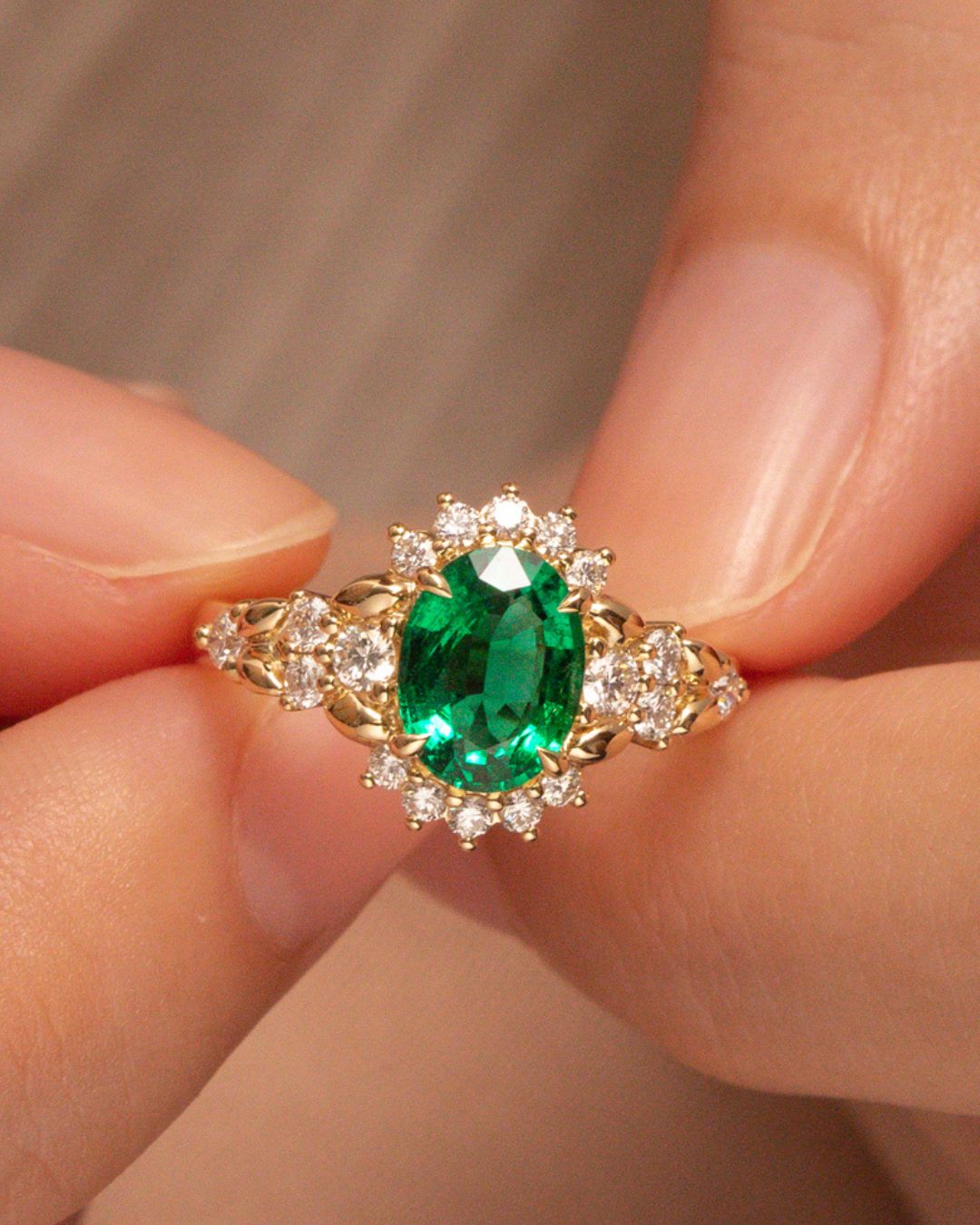


At Bonnot Paris, we have had the privilege of handling some truly exceptional alexandrites. Here we share everything worth knowing about this remarkable stone: its origins, its unique optical phenomenon, its quality criteria, its prices and its significance.
Alexandrite is a variety of chrysoberyl, a mineral composed of aluminium and beryllium oxide (BeAl₂O₄). What sets it apart from all other precious stones is its remarkable colour-change effect, known as the "alexandrite effect".
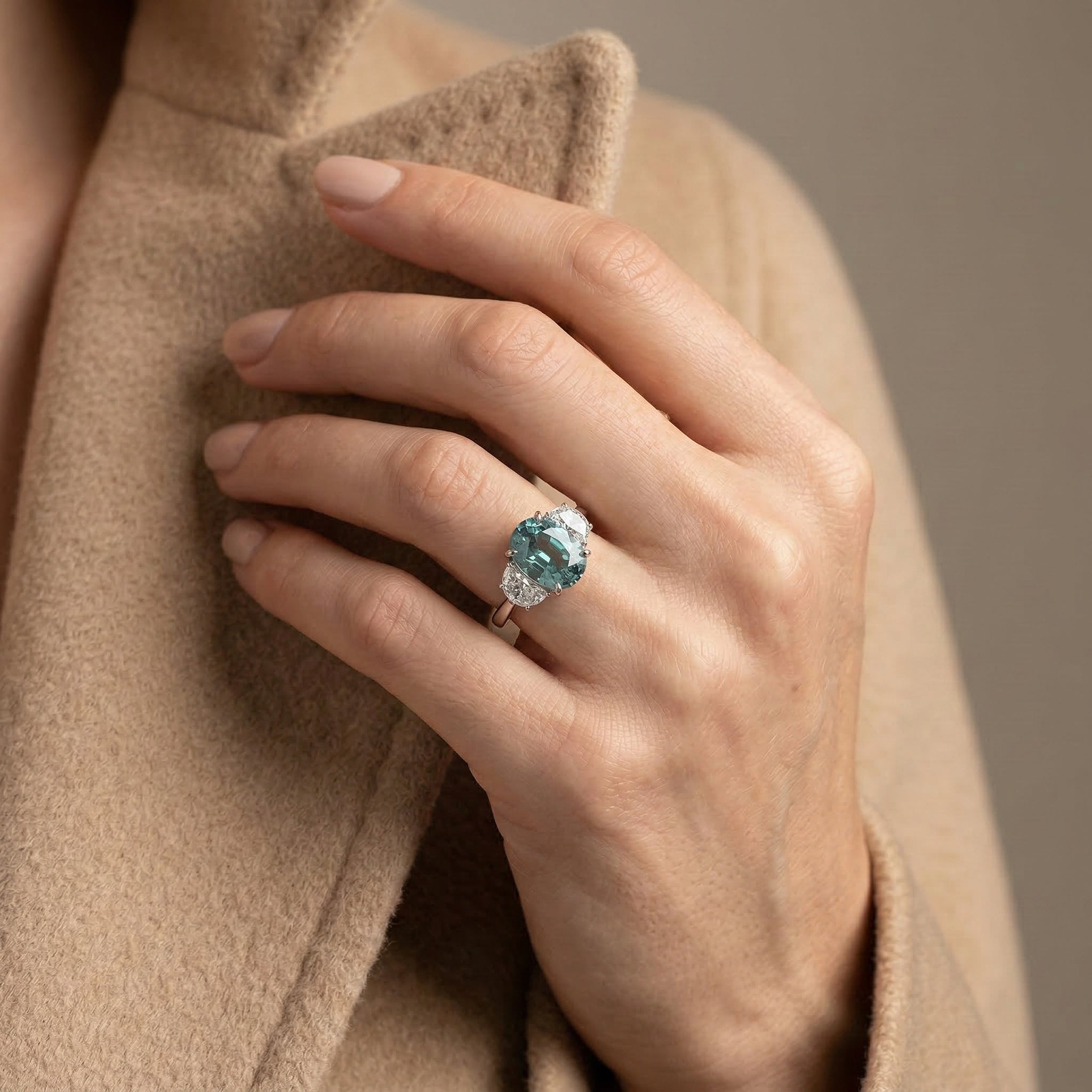
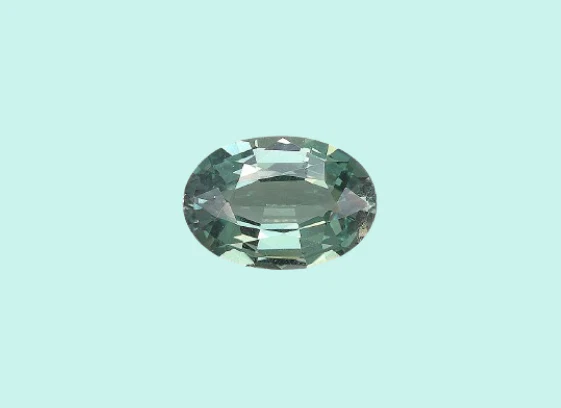
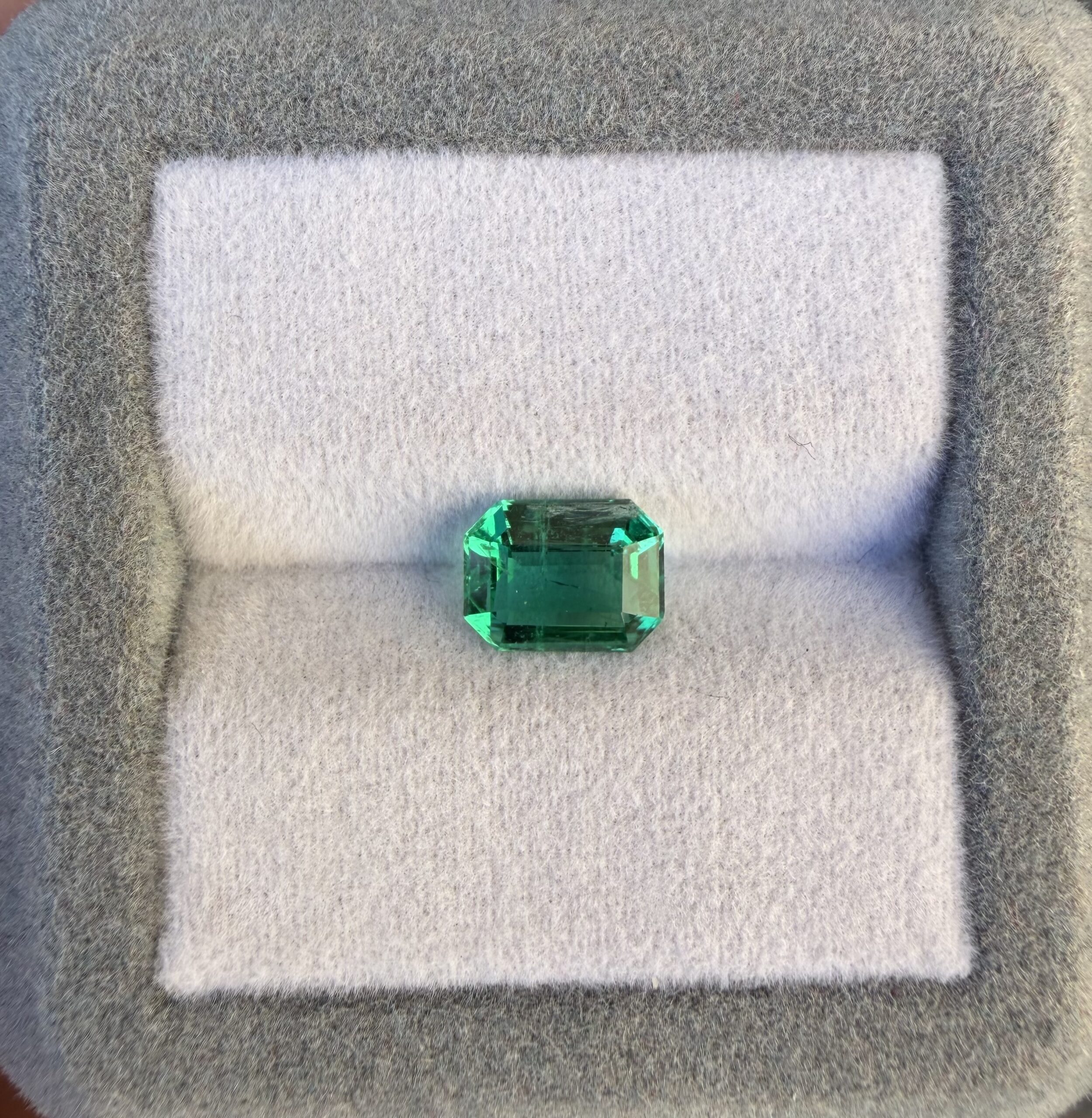
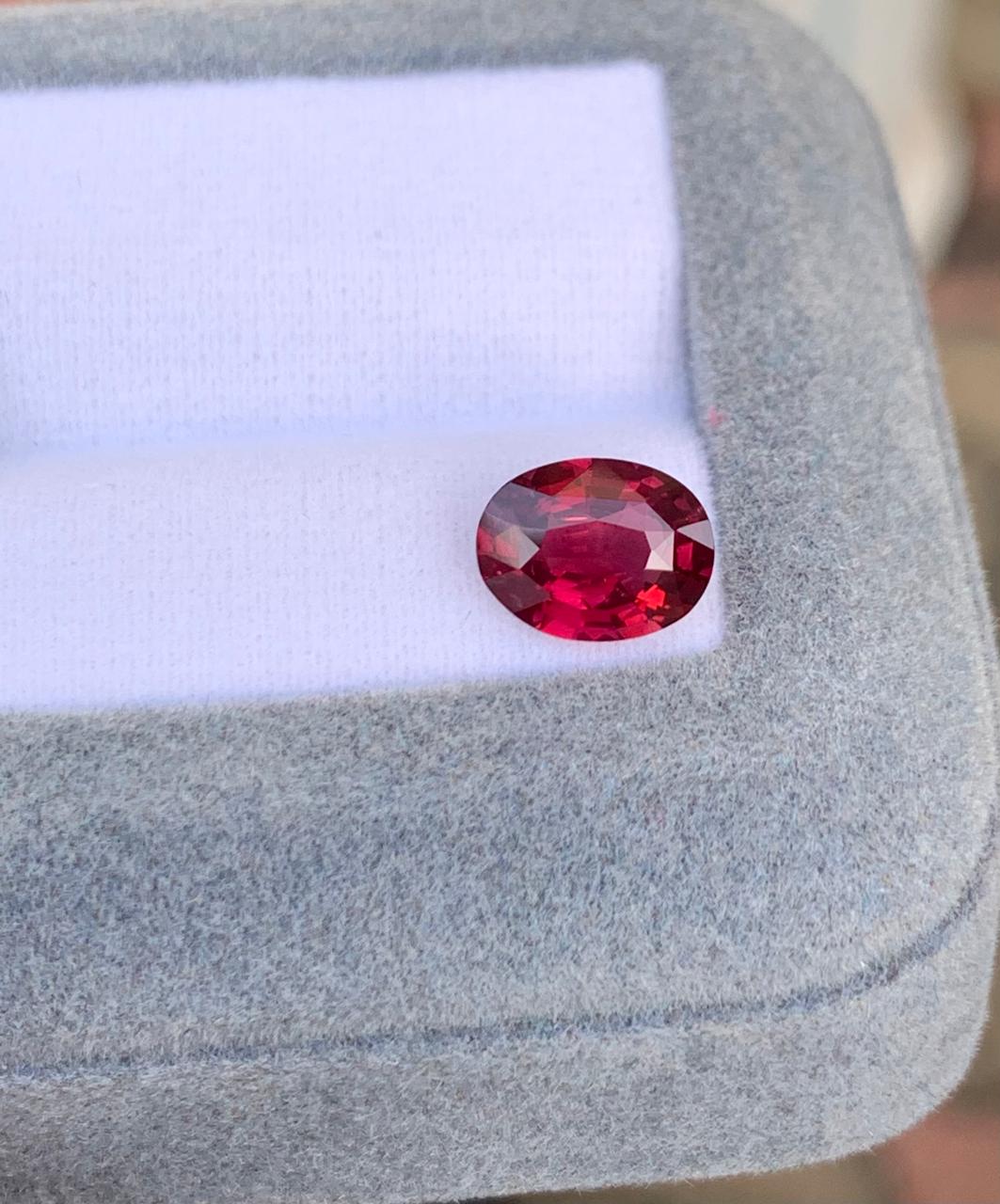
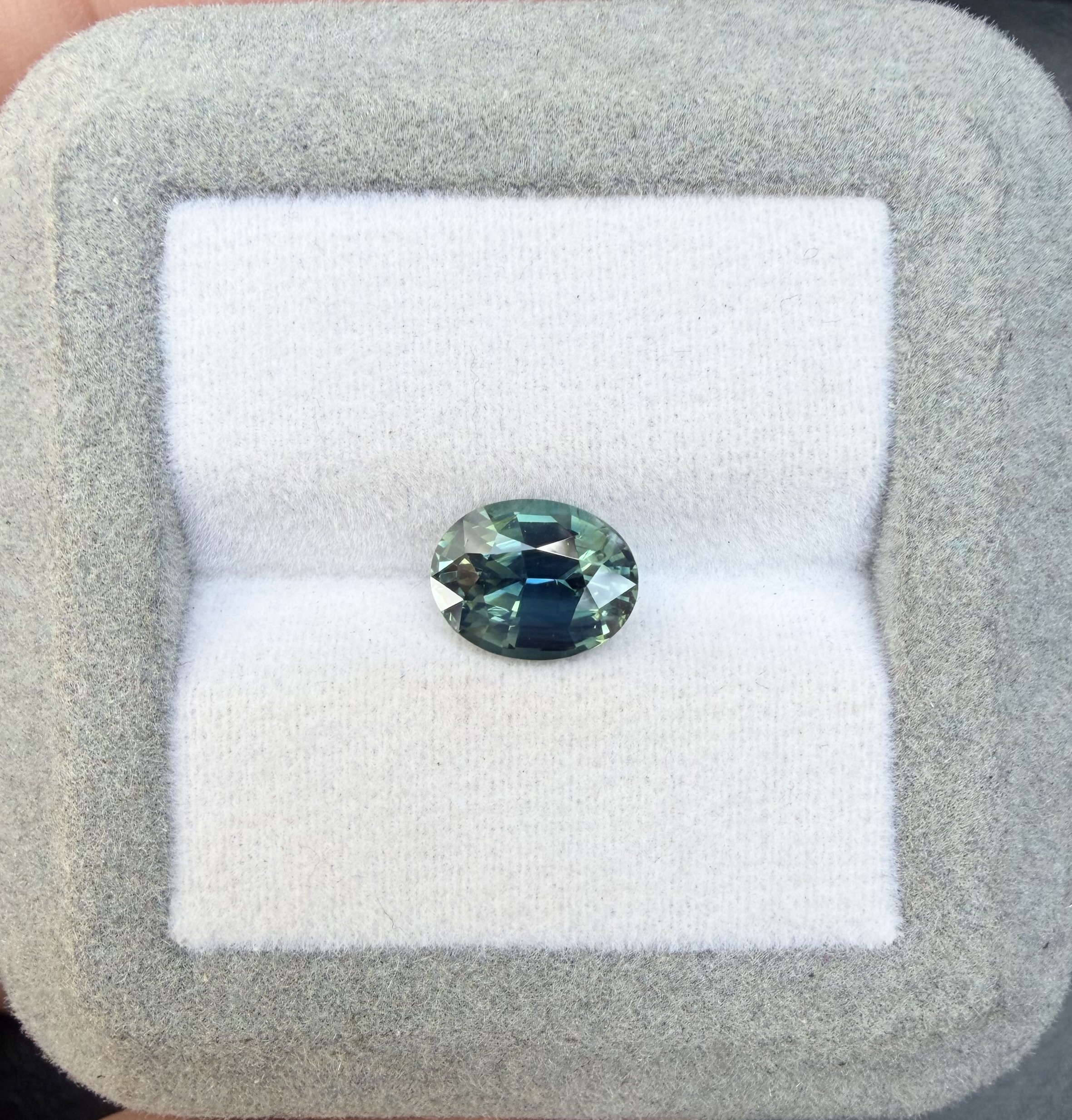
In natural daylight, it displays hues ranging from green to blue-green, sometimes with teal undertones. Under incandescent artificial light, it transforms entirely, revealing tones of red, purple-red or raspberry.
"Emerald by day, ruby by night"
The phrase that captures the magic of alexandrite
This phenomenon is explained by the presence of trace amounts of chrome within the chrysoberyl's crystal structure. Chrome selectively absorbs certain wavelengths of light: daylight, rich in blue and green wavelengths, brings out the green hues, while incandescent light, richer in red wavelengths, reveals the stone's purple tones.
Alexandrite is considerably rarer than diamond, emerald or ruby. Its colour-change phenomenon is the most spectacular in the entire mineral kingdom — no other natural precious stone can achieve it to the same degree.
The discovery of alexandrite is steeped in legend. According to the most widely told account, it was found in 1830 in the emerald mines of the Urals, in Russia, and named in honour of the future Tsar Alexander II, who came of age that very day.
The stone's colours — green and red — matched the imperial Russian colours, immediately conferring upon it the status of a national gem. The Russian Ural deposits produced some of the finest alexandrites ever discovered, with a particularly pronounced colour change.
Those mines are today virtually exhausted, making period Russian alexandrites exceptionally rare and sought after by collectors. Over the decades, further deposits have been discovered around the world, each yielding stones with their own distinct character.
Each provenance produces alexandrites with distinct characteristics, and the geography of a stone considerably influences its value on the market.
🇷🇺
The historic birthplace
The absolute benchmark. Spectacular colour change: deep, pure green → intense purple-red. Historic specimens regularly exceed €50,000 per carat. Current production is negligible.
🇧🇷
The leading contemporary source
Deposits of Hematita (Minas Gerais). Remarkable stones with a slightly bluish green → red-purple colour change. Some rival the finest historic Russian specimens.
🇱🇰
Stones of impressive size
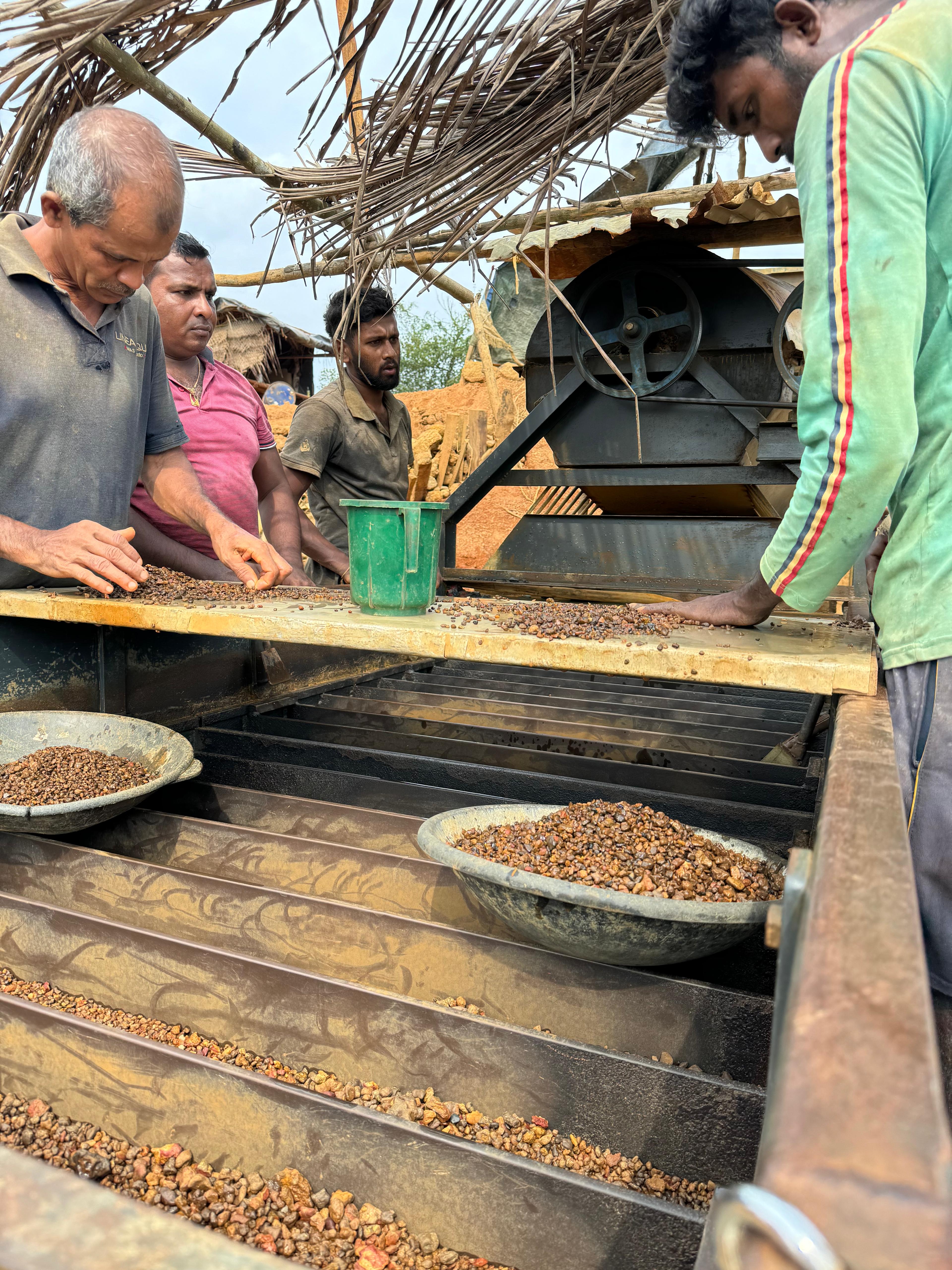
Alexandrites often of larger size (>5 ct). Olive green → reddish brown. The colour change is sometimes less dramatic, yet offset by the sheer size of the crystals.
🌍
Recent discoveries
Smaller stones, yet with a remarkable colour change. Tanzanian alexandrites are particularly prized for their vivid green hues and their very distinct shift in colour.
🇮🇳
A discreet production
Andhra Pradesh region. Smaller stones offering excellent value for those wishing to discover this exceptional gem.
Evaluating an alexandrite rests on specific criteria, quite distinct from those applied to diamonds or other coloured stones. Below are the determining factors, in order of importance.
The paramount criterion. The more pronounced the contrast between green (daylight) and red (lamplight), and the purer the colours, the more precious the stone. A "strong" change doubles or even triples the value.
A vivid, luminous green is worth far more than a dull olive. A vibrant red-purple surpasses a brownish red. The finest stones genuinely evoke both emerald and ruby.
An eye-clean stone with a strong colour change is truly exceptional. Inclusions are more readily accepted than in other gems, given the rarity. Cat's-eye alexandrite is rarer still.
The majority of stones weigh under 1 carat. Beyond 3 carats with a strong colour change, the stone enters exceptional territory. The price per carat rises exponentially.
Oval and cushion shapes are the most common, as they preserve weight while optimising optical properties. Symmetry and quality of polish are decisive.
For a sound investment, always prioritise the quality of the colour change over size. A small alexandrite with a spectacular shift will be more desirable than a larger stone with a lacklustre change.
Alexandrite is one of the most expensive precious stones in the world. Prices vary enormously according to quality, origin and the size of the stone.
| Quality | Characteristics | Price per carat |
|---|---|---|
| Commercial | Moderate change, smaller size | 3,000 — 10,000 € |
| Good quality | Distinct change, saturated colours, 0.5—1 ct | 15,000 — 30,000 € |
| Exceptional | Spectacular change, pure colours, +1 ct | 50,000 — 100,000 €+ |
| Historic Russian | Large size, certified Ural origin | 100,000 €+ per carat |
By way of comparison, a top-quality alexandrite can cost more than a diamond, a ruby or an emerald of equivalent size. This exceptional valuation is explained by the combination of natural rarity and sharply rising global demand, particularly across Asia.
Top-quality alexandrites have seen their prices rise steadily over twenty years, frequently outpacing the appreciation of other precious stones. Russian specimens and stones above 2 carats are particularly sought after by collectors.
Alexandrite is the birthstone for the month of June (alongside pearl and moonstone) and is traditionally associated with the 55th wedding anniversary.
In crystal-healing traditions, it is associated with balance and harmony between body and mind. Its colour change symbolises adaptability and flexibility, a reminder that change is one of life's constants. It is also regarded as a stone of luck and prosperity, inheriting its imperial Russian symbolism.
In sentimental jewellery, to give an alexandrite is to celebrate a rich, multifaceted relationship — a person whose character reveals itself differently in different lights. It is an ideal choice for those seeking a truly unique engagement ring, far removed from convention.
With a hardness of 8.5 on the Mohs scale (just below sapphire and ruby), alexandrite is perfectly suited to everyday wear. It resists the scratches and knocks of daily life, making it an excellent choice for an engagement ring or an everyday ring.
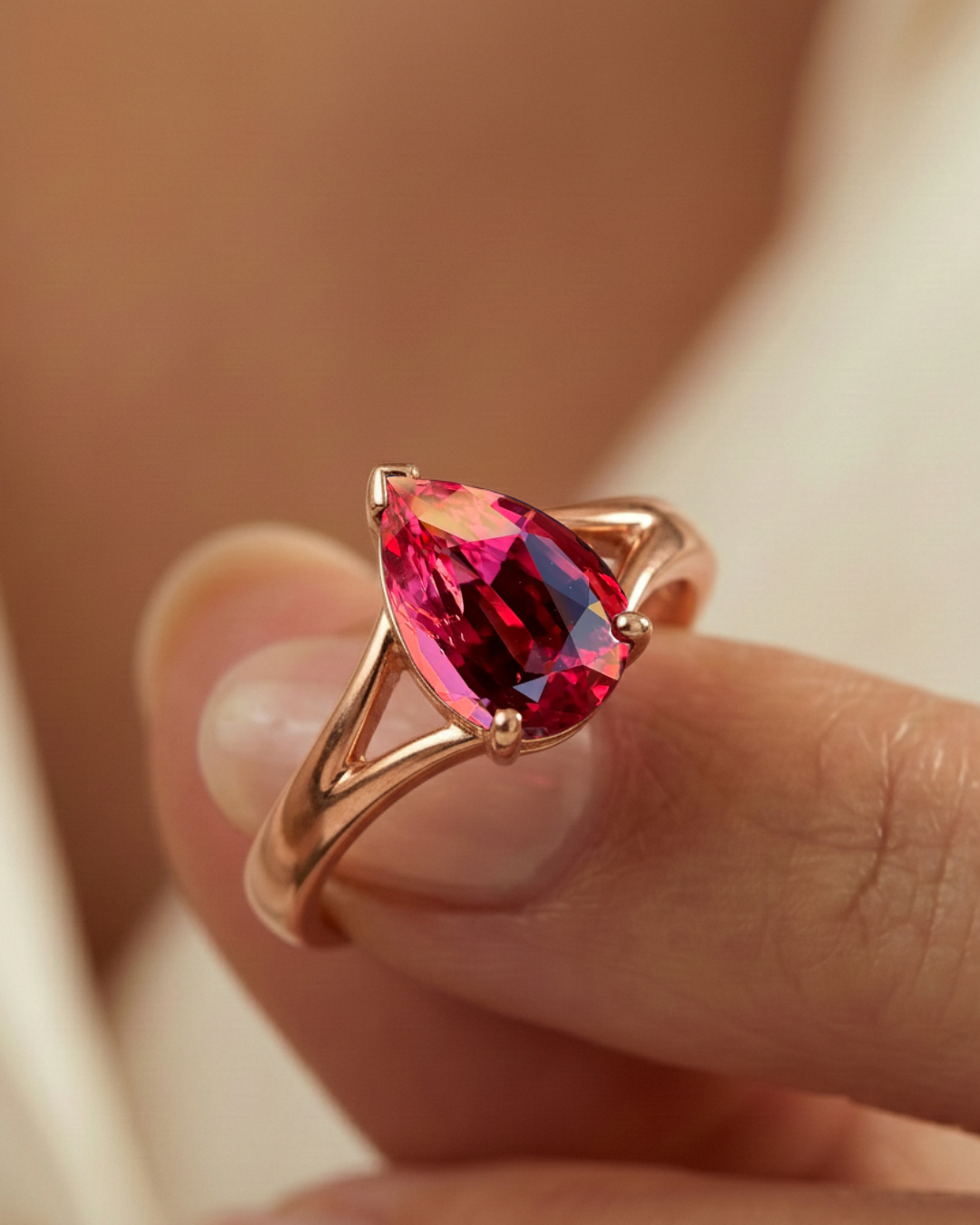
To allow the colour change to shine, a clean solitaire setting or a surround of small white diamonds is often preferred, so as not to compete with the stone's chromatic phenomenon.
At Bonnot Paris, we guide our clients in the search for exceptional alexandrites and the creation of bespoke pieces that bring out the full beauty of this extraordinary stone. Every alexandrite is selected for the intensity of its colour change and the beauty of its hues.
The rarity and high price of natural alexandrite have led to the development of synthetic versions. Synthetic alexandrite, produced in a laboratory by the Czochralski method or by flux growth, shares the same chemical composition and physical properties as the natural stone.
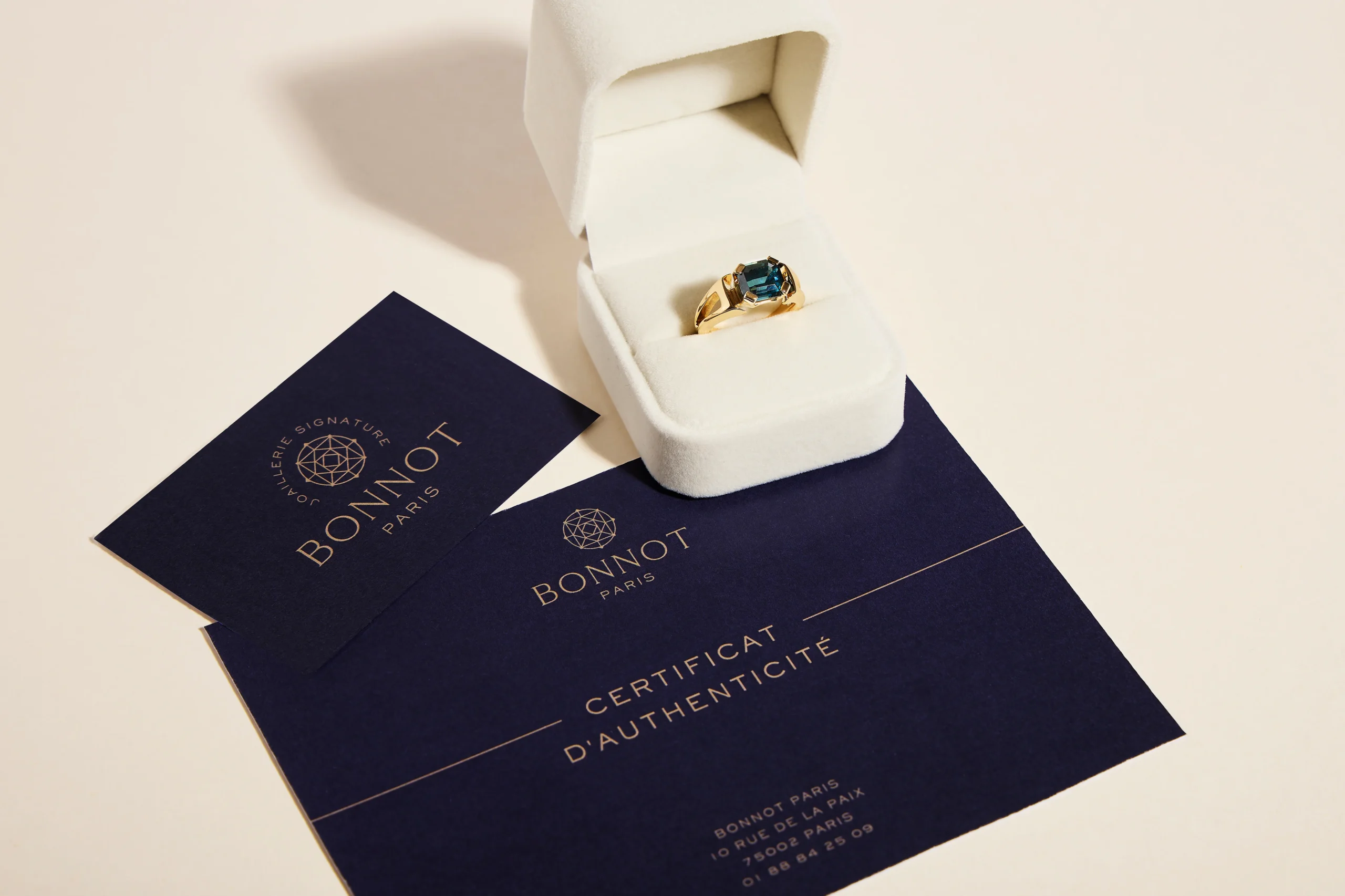
It is essential to purchase an alexandrite accompanied by a certificate issued by a recognised laboratory: GRS, Gübelin, SSEF or GIA. This certificate will confirm the stone's natural origin and the absence of treatment. At Bonnot Paris, every alexandrite we offer is certified by an internationally recognised laboratory.
Caring for an alexandrite is relatively straightforward, thanks to its excellent hardness. Here are our recommendations for preserving the beauty of your stone over the years.
For everyday cleaning, use lukewarm soapy water with a mild soap and a soft brush (such as a soft-bristled toothbrush). Rinse thoroughly with clean water and dry with a soft, lint-free cloth. Ultrasonic cleaning is generally safe for alexandrite, unless the stone has fractures or significant inclusions — if in doubt, opt for gentle hand-cleaning.
Avoid sudden thermal shocks and prolonged exposure to harsh chemicals (chlorine, household cleaning products). Store your alexandrite jewel separately from other pieces, ideally in an individual pouch or a dedicated compartment of your jewellery box.
Choosing an alexandrite for an engagement ring is a deeply personal and distinctive choice. Here is why this stone deserves your attention.
No other precious stone offers such a spectacular colour-change phenomenon. Your ring will be literally different at every moment of the day, shifting from green to red as the light changes. A beautiful metaphor for a love that continually reveals and renews itself.
Far rarer than diamond, emerald or ruby, alexandrite is the stone for those who refuse the conventional and seek the extraordinary. It is a declaration of love as unique as the person who will receive it.
With a hardness of 8.5 on the Mohs scale and good toughness, alexandrite is perfectly suited to the daily wear of an engagement ring. It will accompany you faithfully through the years, standing up to the inevitable wear of everyday life.
Unlike most precious stones, a fine-quality alexandrite is also an asset whose value tends to appreciate over time. A jewel that combines sentimental significance with lasting material worth.
Partagez ce post
Découvrez d'autres articles qui peuvent vous intéresser pour approfondir votre passion pour la joaillerie !
View all

At Bonnot Paris, we have had the privilege of handling some truly exceptional alexandrites. Here we share everything worth knowing about this remarkable stone: its origins, its unique optical phenomenon, its quality criteria, its prices and its significance.
Alexandrite is a variety of chrysoberyl, a mineral composed of aluminium and beryllium oxide (BeAl₂O₄). What sets it apart from all other precious stones is its remarkable colour-change effect, known as the "alexandrite effect".
In natural daylight, it displays hues ranging from green to blue-green, sometimes with teal undertones. Under incandescent artificial light, it transforms entirely, revealing tones of red, purple-red or raspberry.
"Emerald by day, ruby by night"
The phrase that captures the magic of alexandrite
This phenomenon is explained by the presence of trace amounts of chrome within the chrysoberyl's crystal structure. Chrome selectively absorbs certain wavelengths of light: daylight, rich in blue and green wavelengths, brings out the green hues, while incandescent light, richer in red wavelengths, reveals the stone's purple tones.
Alexandrite is considerably rarer than diamond, emerald or ruby. Its colour-change phenomenon is the most spectacular in the entire mineral kingdom — no other natural precious stone can achieve it to the same degree.
The discovery of alexandrite is steeped in legend. According to the most widely told account, it was found in 1830 in the emerald mines of the Urals, in Russia, and named in honour of the future Tsar Alexander II, who came of age that very day.
The stone's colours — green and red — matched the imperial Russian colours, immediately conferring upon it the status of a national gem. The Russian Ural deposits produced some of the finest alexandrites ever discovered, with a particularly pronounced colour change.
Those mines are today virtually exhausted, making period Russian alexandrites exceptionally rare and sought after by collectors. Over the decades, further deposits have been discovered around the world, each yielding stones with their own distinct character.
Each provenance produces alexandrites with distinct characteristics, and the geography of a stone considerably influences its value on the market.
🇷🇺
The historic birthplace
The absolute benchmark. Spectacular colour change: deep, pure green → intense purple-red. Historic specimens regularly exceed €50,000 per carat. Current production is negligible.
🇧🇷
The leading contemporary source
Deposits of Hematita (Minas Gerais). Remarkable stones with a slightly bluish green → red-purple colour change. Some rival the finest historic Russian specimens.
🇱🇰
Stones of impressive size
Alexandrites often of larger size (>5 ct). Olive green → reddish brown. The colour change is sometimes less dramatic, yet offset by the sheer size of the crystals.
🌍
Recent discoveries
Smaller stones, yet with a remarkable colour change. Tanzanian alexandrites are particularly prized for their vivid green hues and their very distinct shift in colour.
🇮🇳
A discreet production
Andhra Pradesh region. Smaller stones offering excellent value for those wishing to discover this exceptional gem.
Evaluating an alexandrite rests on specific criteria, quite distinct from those applied to diamonds or other coloured stones. Below are the determining factors, in order of importance.
The paramount criterion. The more pronounced the contrast between green (daylight) and red (lamplight), and the purer the colours, the more precious the stone. A "strong" change doubles or even triples the value.
A vivid, luminous green is worth far more than a dull olive. A vibrant red-purple surpasses a brownish red. The finest stones genuinely evoke both emerald and ruby.
An eye-clean stone with a strong colour change is truly exceptional. Inclusions are more readily accepted than in other gems, given the rarity. Cat's-eye alexandrite is rarer still.
The majority of stones weigh under 1 carat. Beyond 3 carats with a strong colour change, the stone enters exceptional territory. The price per carat rises exponentially.
Oval and cushion shapes are the most common, as they preserve weight while optimising optical properties. Symmetry and quality of polish are decisive.
For a sound investment, always prioritise the quality of the colour change over size. A small alexandrite with a spectacular shift will be more desirable than a larger stone with a lacklustre change.
Alexandrite is one of the most expensive precious stones in the world. Prices vary enormously according to quality, origin and the size of the stone.
| Quality | Characteristics | Price per carat |
|---|---|---|
| Commercial | Moderate change, smaller size | 3,000 — 10,000 € |
| Good quality | Distinct change, saturated colours, 0.5—1 ct | 15,000 — 30,000 € |
| Exceptional | Spectacular change, pure colours, +1 ct | 50,000 — 100,000 €+ |
| Historic Russian | Large size, certified Ural origin | 100,000 €+ per carat |
By way of comparison, a top-quality alexandrite can cost more than a diamond, a ruby or an emerald of equivalent size. This exceptional valuation is explained by the combination of natural rarity and sharply rising global demand, particularly across Asia.
Top-quality alexandrites have seen their prices rise steadily over twenty years, frequently outpacing the appreciation of other precious stones. Russian specimens and stones above 2 carats are particularly sought after by collectors.
Alexandrite is the birthstone for the month of June (alongside pearl and moonstone) and is traditionally associated with the 55th wedding anniversary.
In crystal-healing traditions, it is associated with balance and harmony between body and mind. Its colour change symbolises adaptability and flexibility, a reminder that change is one of life's constants. It is also regarded as a stone of luck and prosperity, inheriting its imperial Russian symbolism.
In sentimental jewellery, to give an alexandrite is to celebrate a rich, multifaceted relationship — a person whose character reveals itself differently in different lights. It is an ideal choice for those seeking a truly unique engagement ring, far removed from convention.
With a hardness of 8.5 on the Mohs scale (just below sapphire and ruby), alexandrite is perfectly suited to everyday wear. It resists the scratches and knocks of daily life, making it an excellent choice for an engagement ring or an everyday ring.
To allow the colour change to shine, a clean solitaire setting or a surround of small white diamonds is often preferred, so as not to compete with the stone's chromatic phenomenon.
At Bonnot Paris, we guide our clients in the search for exceptional alexandrites and the creation of bespoke pieces that bring out the full beauty of this extraordinary stone. Every alexandrite is selected for the intensity of its colour change and the beauty of its hues.
The rarity and high price of natural alexandrite have led to the development of synthetic versions. Synthetic alexandrite, produced in a laboratory by the Czochralski method or by flux growth, shares the same chemical composition and physical properties as the natural stone.
It is essential to purchase an alexandrite accompanied by a certificate issued by a recognised laboratory: GRS, Gübelin, SSEF or GIA. This certificate will confirm the stone's natural origin and the absence of treatment. At Bonnot Paris, every alexandrite we offer is certified by an internationally recognised laboratory.
Caring for an alexandrite is relatively straightforward, thanks to its excellent hardness. Here are our recommendations for preserving the beauty of your stone over the years.
For everyday cleaning, use lukewarm soapy water with a mild soap and a soft brush (such as a soft-bristled toothbrush). Rinse thoroughly with clean water and dry with a soft, lint-free cloth. Ultrasonic cleaning is generally safe for alexandrite, unless the stone has fractures or significant inclusions — if in doubt, opt for gentle hand-cleaning.
Avoid sudden thermal shocks and prolonged exposure to harsh chemicals (chlorine, household cleaning products). Store your alexandrite jewel separately from other pieces, ideally in an individual pouch or a dedicated compartment of your jewellery box.
Choosing an alexandrite for an engagement ring is a deeply personal and distinctive choice. Here is why this stone deserves your attention.
No other precious stone offers such a spectacular colour-change phenomenon. Your ring will be literally different at every moment of the day, shifting from green to red as the light changes. A beautiful metaphor for a love that continually reveals and renews itself.
Far rarer than diamond, emerald or ruby, alexandrite is the stone for those who refuse the conventional and seek the extraordinary. It is a declaration of love as unique as the person who will receive it.
With a hardness of 8.5 on the Mohs scale and good toughness, alexandrite is perfectly suited to the daily wear of an engagement ring. It will accompany you faithfully through the years, standing up to the inevitable wear of everyday life.
Unlike most precious stones, a fine-quality alexandrite is also an asset whose value tends to appreciate over time. A jewel that combines sentimental significance with lasting material worth.
Partagez ce post
Découvrez d'autres articles qui peuvent vous intéresser pour approfondir votre passion pour la joaillerie !
View all