Zambian or Colombian Emerald?
Bonnot Paris22/9/2026
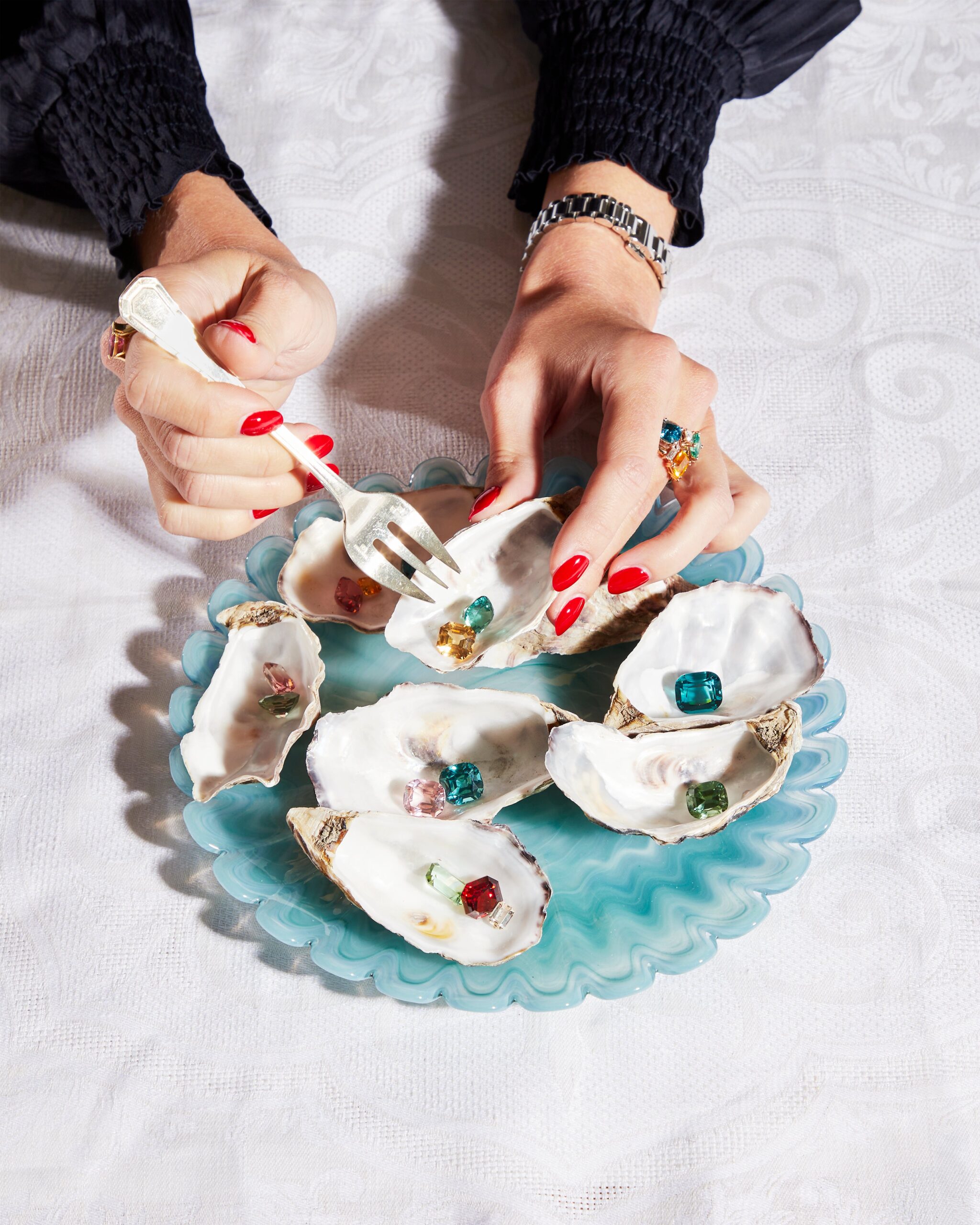



In 2026, the precious-stone market has evolved: while diamonds remain a classic, sapphires have taken a prominent place in engagement projects—and with them, price differences that can be confusing. This guide gives you the tools we ourselves use, as dealers, to assess a stone.
One principle above all: no serious appraisal can be made without a certificate. All our stones are certified by independent laboratories—GIA, London Gem Lab, Bellerophon and other prestigious laboratories. Discover our direct sourcing →
Weight (carat) drives the price up exponentially, but a 1-carat sapphire has no fixed price. Its value depends on four factors, in this order:
Saturation determines the price. A vivid, even blue is worth more than a washed-out blue; a greyish or overly dark blue can lose up to half its value.
Does the stone have inclusions visible to the naked eye? An “eye-clean” gem commands a significantly higher price.
A sapphire from Kashmir or Ceylon will command a much higher premium. Madagascar now offers superb stones at more accessible prices.
An unheated, entirely natural sapphire commands a soaring price. Heated or unheated: what it changes →
Still unsure about the shade? Our guide to sapphire colours reviews the blue, the teal, the padparadscha and every other shade.
Let us be clear: a sapphire is never valued by the gram, but by the carat (0.20 grams). To reason by the gram is to apply the logic of precious metals to an object whose value lies elsewhere: in the rarity of a colour, the clarity of a crystal, an origin.
This is the first instinct to adopt when faced with a listing: if the seller speaks in grams, or displays an enticing “price per gram”, move on. And remember that two stones of the same weight can vary tenfold in value — only reading the certificate makes it possible to understand why.
The range is immense: you can find a 1-carat sapphire for less than €1,500, while an exceptional gem will exceed €6,000, or even €10,000. Why such a difference? Rarity sets the rules.
And the price per carat increases with size: a 3-carat sapphire is infinitely rarer — and therefore more expensive per carat — than a 1-carat sapphire. This is why it is crucial torequest a gemmological certificate when making your purchase.
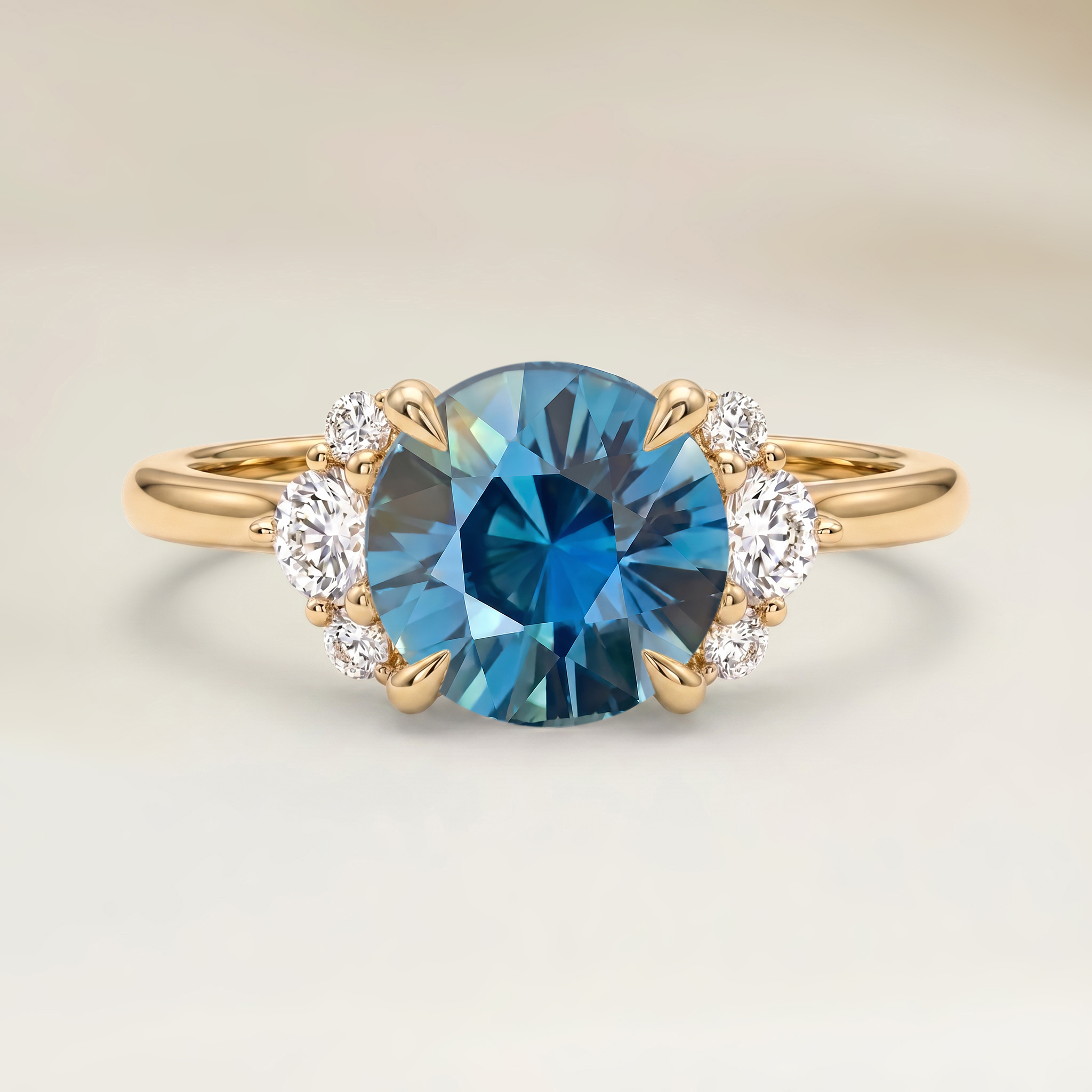
Teal sapphire
4 920 €
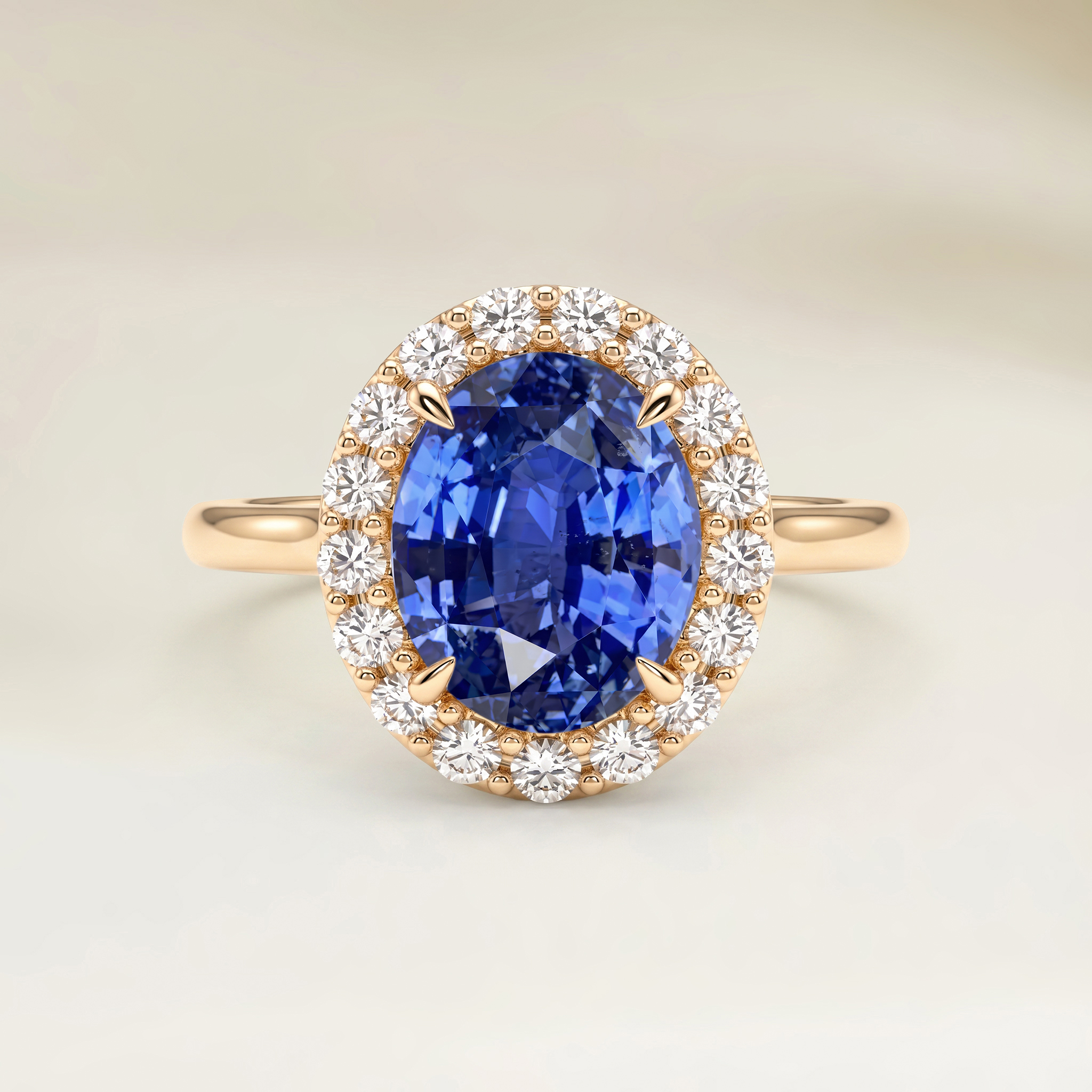
Blue sapphire
9 600 €
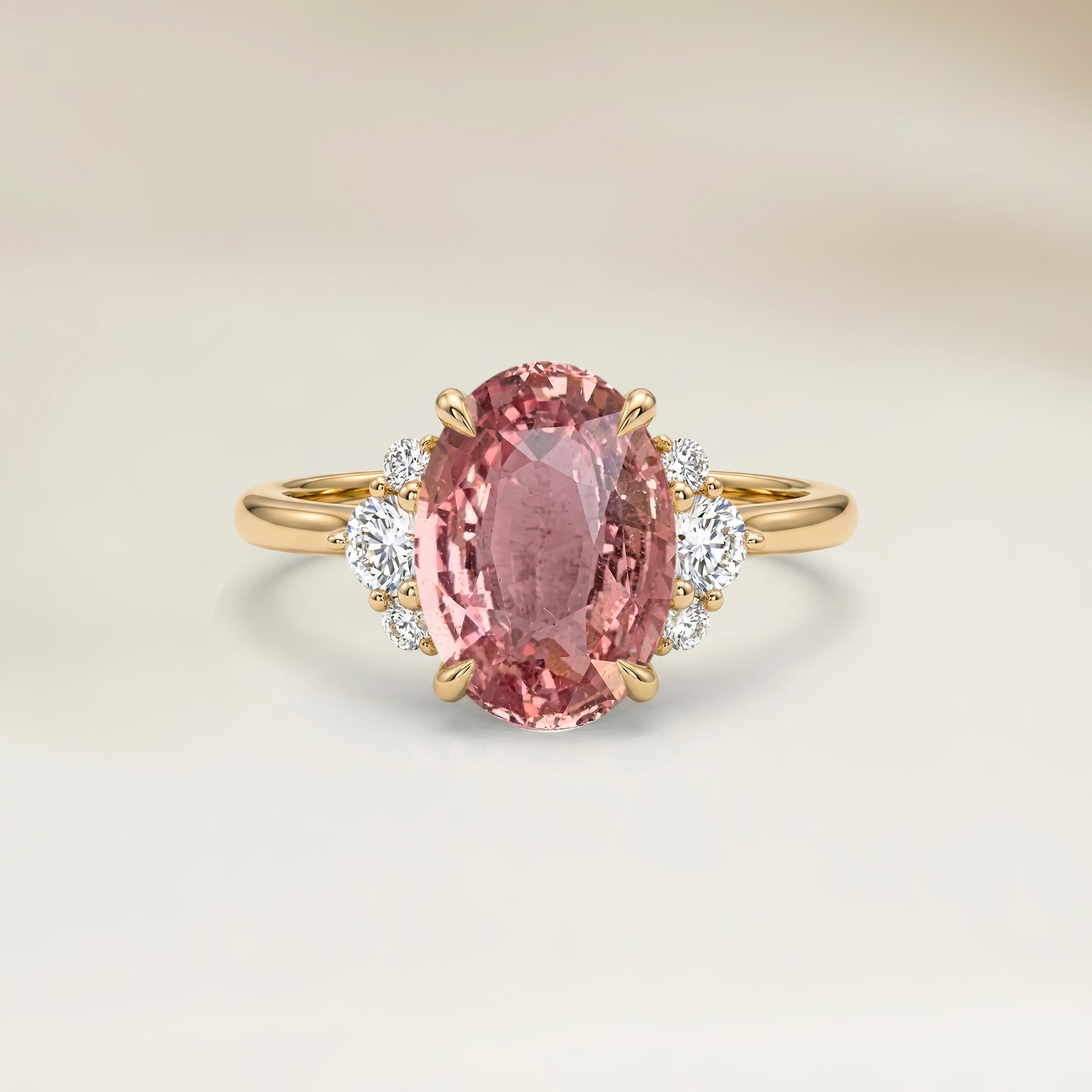
Padparadscha
12 600 €
Prices observed in August 2026, each stone being unique.
Each stone is certified by the leading independent experts: GIA, London Gem Lab, Bellerophon and other prestigious laboratories. The certificate confirms the species, origin and treatment — it is what makes two quotes comparable.
The blue sapphire remains the benchmark. In 2026, demand for “Royal” and “Cornflower” blue stones drove prices up, notably due to the gradual depletion of certain mines in Madagascar and Sri Lanka.
| Shade | Character | Effect on price |
|---|---|---|
| Royal Blue | Deep, intense, saturated. | Highest valuation |
| Cornflower | Velvety cornflower blue, lighter, highly sought after for engagement rings. | Very high valuation |
| Greyish blue / too dark | Dull colour or closed in the light. | Up to −50% |
Sapphires from Kashmir or Burma are in a category of their own: some exceed $30,000 per carat at auction. For a ring project, Ceylon and Madagascar offer the best balance between beauty and budget. Want to see the colour when worn? Browse our blue sapphire engagement rings.
The star of 2026
A subtle blend of pink and orange reminiscent of the lotus flower, it is the rarest colour in the world: the 50/50 balance between the two hues is a geological whim. The designation requires a laboratory certificate (GIA, GRS, Lotus).
The valuation on the rise
Deep blue-green, shifting with the light: the major trend in modern jewellery has driven up its value, though it has not yet reached the heights of royal blue. The perfect time to enjoy it.
The romantic choice
From soft pink to vivid pink, a highly sought-after hue for engagements, whose finest specimens come from Madagascar and Sri Lanka.
The best beauty-to-price ratio
Less publicised, these hues now offer spectacular stones at still reasonable prices — the smart choice for a stone with character.
90% of sapphires on the market are heat-treated thermally. This is an age-old and accepted practice that imitates nature to improve colour and clarity: the stone remains natural and can be worn for a lifetime. An unheated sapphire with a beautiful colour is significantly rarer — its certificate explicitly states this, and its price reflects the premium.
The subject deserves a guide of its own: heated or unheated sapphire, which should you choose? Remember the essentials: declared heating is not a flaw; the treatments we refuse (beryllium, lead glass, irradiation) are.
A 3-carat sapphire is not worth three times the price of a 1-carat sapphire — it can be worth ten times more. Rarity increases exponentially with size.
At equal weight, saturation determines the price. A 1.5 ct stone with vibrant colour is preferable to a dull 2 ct stone.
Origin, treatment, species: without an independent laboratory certificate, no comparison is possible. It is the first document to request.
Stone + bespoke setting: budgets, cost items and real examples are detailed in our sapphire engagement ring guide.
From less than €1,500 to more than €6,000–10,000 for an exceptional gemstone. Colour, clarity, origin and treatment make all the difference — the certificate helps you understand them.
Because weight is only one of four criteria. At equal carat weight, colour saturation determines the price: a greyish or overly dark blue can lose half its value. Clarity, origin and treatment also come into play.
Yes: 90% of sapphires on the market are heated, and the rarity of unheated stones comes at a price. Read more in our guide heated or unheated sapphire.
Very much so: royal blue and cornflower blue are benchmarks, padparadscha is at the height of rarity, teal is rapidly rising, while yellow/purple/green offer the best beauty-to-price ratio. See all sapphire colours.
Fine certified, unheated stones have increased in value, driven by the depletion of certain mines. But a ring is first and foremost bought to be worn: if its heritage value matters to you, prioritise certification, colour and the absence of treatment.
Our creations start at around 2 500 €, with the heart of the collection between €4,500 and €12,000. Everything is detailed in the sapphire engagement ring guide.
Share this post