Zambian or Colombian Emerald?
Bonnot Paris22/9/2026
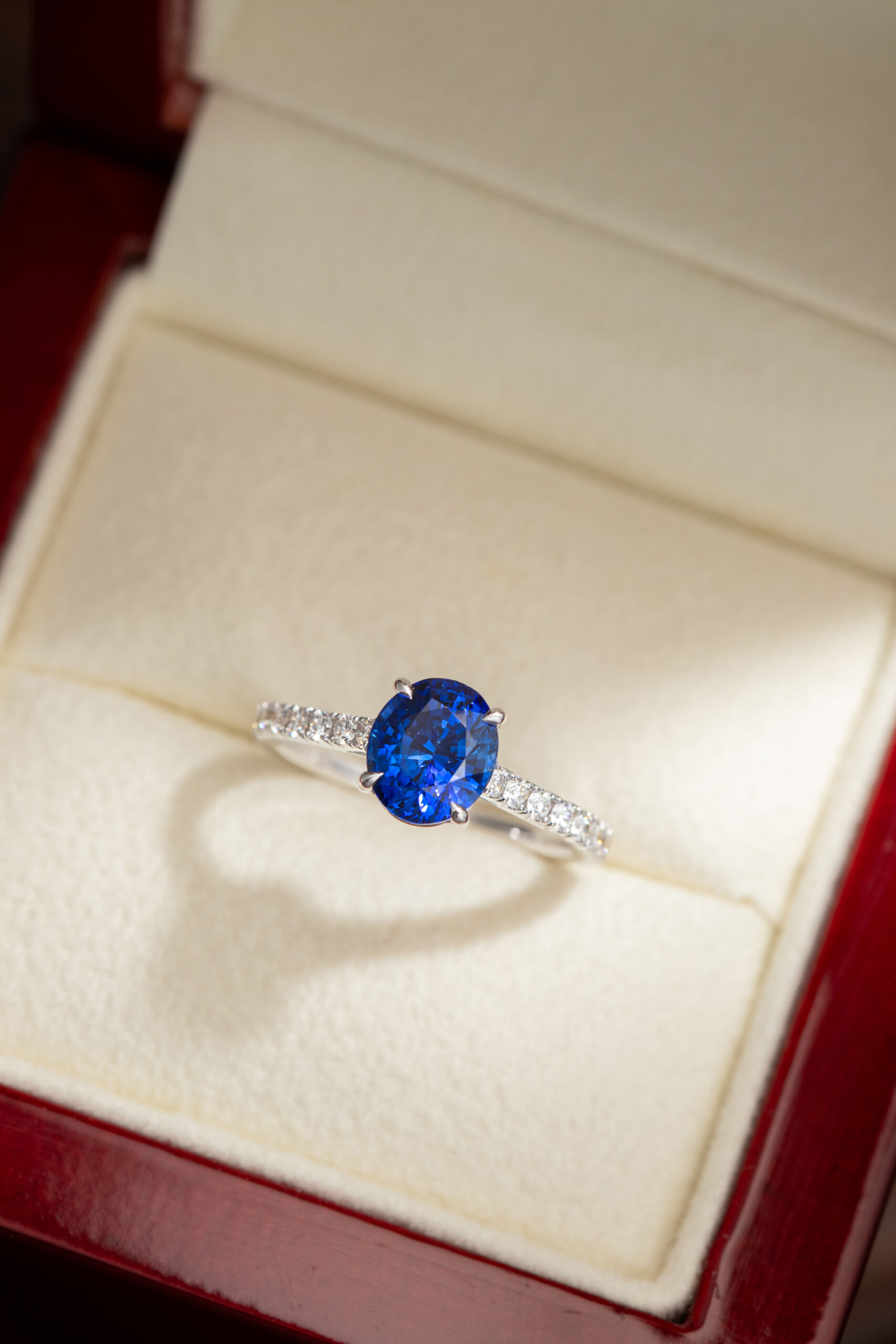



The title’s question has a counterintuitive answer: sapphire has no inherent colour. Pure corundum — crystallised aluminium oxide — is perfectly colourless. Everything we see in a display case comes from trace impurities.
This article explains this mechanism, then what to do with it in practice: how to read the vocabulary of the market, how to assess a hue, and why two stones sold under the same name may have nothing in common. For the complete palette, family by family, our complete colour chart takes over.
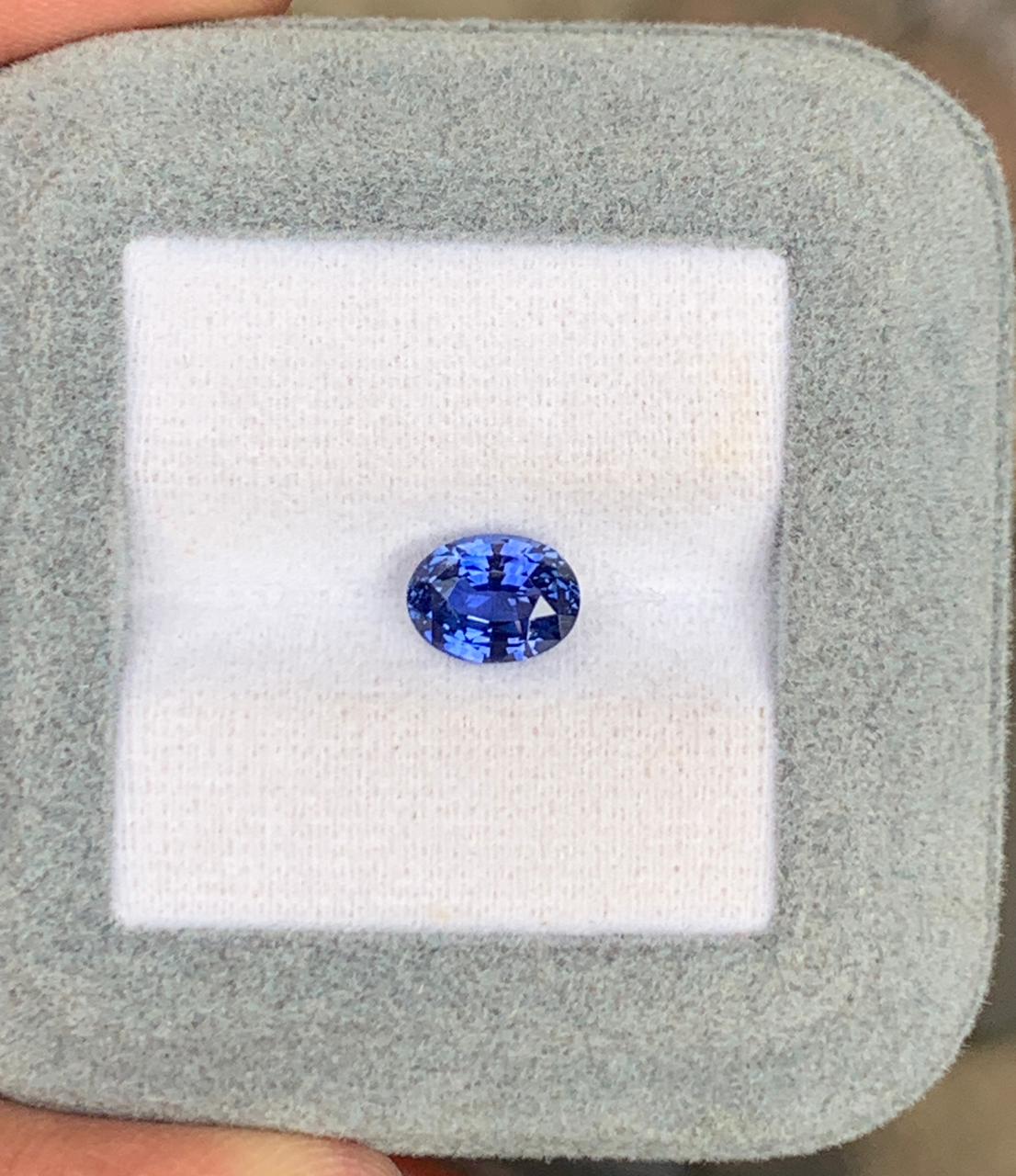
The mechanism is the same for every shade: a foreign element enters the crystal lattice and absorbs part of the light spectrum. What is not absorbed emerges — and that is what we call the stone’s colour.
| Element | What it produces | Families concerned |
|---|---|---|
| Iron + titanium | A charge transfer between the two atoms, particularly effective at absorbing light. | Blue, teal |
| Iron alone | Depending on its proportion, from pale lemon to forest green. | Yellow, green |
| Chromium | Pink — and, combined with orange colour centres, padparadscha. | Pink, padparadscha |
| Vanadium | Violet, sometimes accompanied by a colour change depending on the lighting. | Violet |
| Nothing | The corundum remains colourless. We use it mainly as accent stones. | White sapphire |
Two practical consequences follow from this, and they explain almost everything else in this article. First, colour is never perfectly uniform : impurities are distributed randomly as the crystal grows, producing areas of deeper colour than others. Then, no hue is reproducible. Two sapphires from the same deposit and of the same weight never look quite alike.
This is the phrase we use every day, and it is literally accurate. Sapphire spans the entire spectrum — blue, teal, green, yellow, orange, peach, pink, violet, bicolour, colourless — with one single exception, which bears another name.
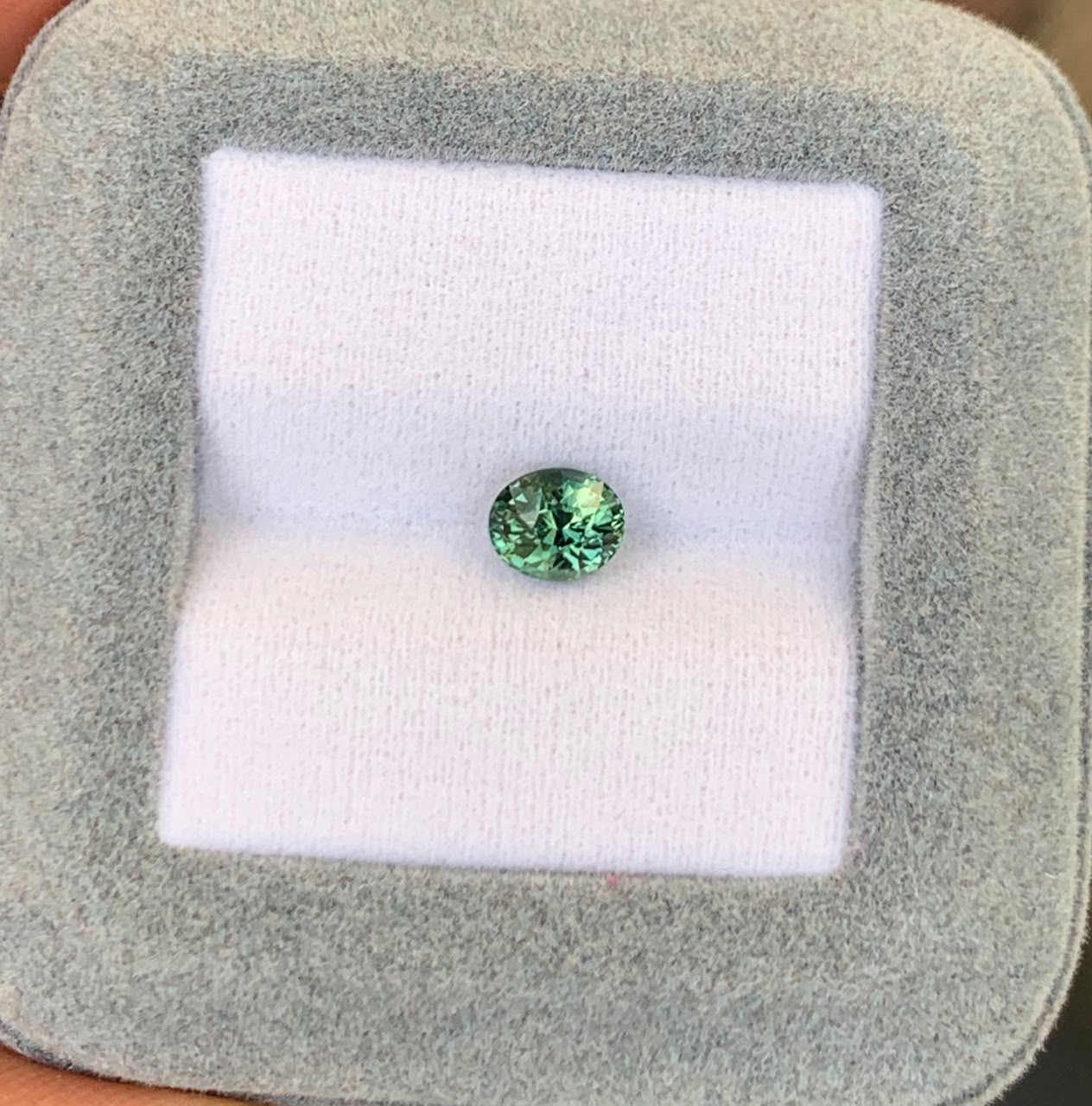
Without titanium to make it blue, iron turns the stone green. Long overlooked by the market, this family is returning in the wake of teal — and remains the least contested of all, therefore the most accessible at equal size.
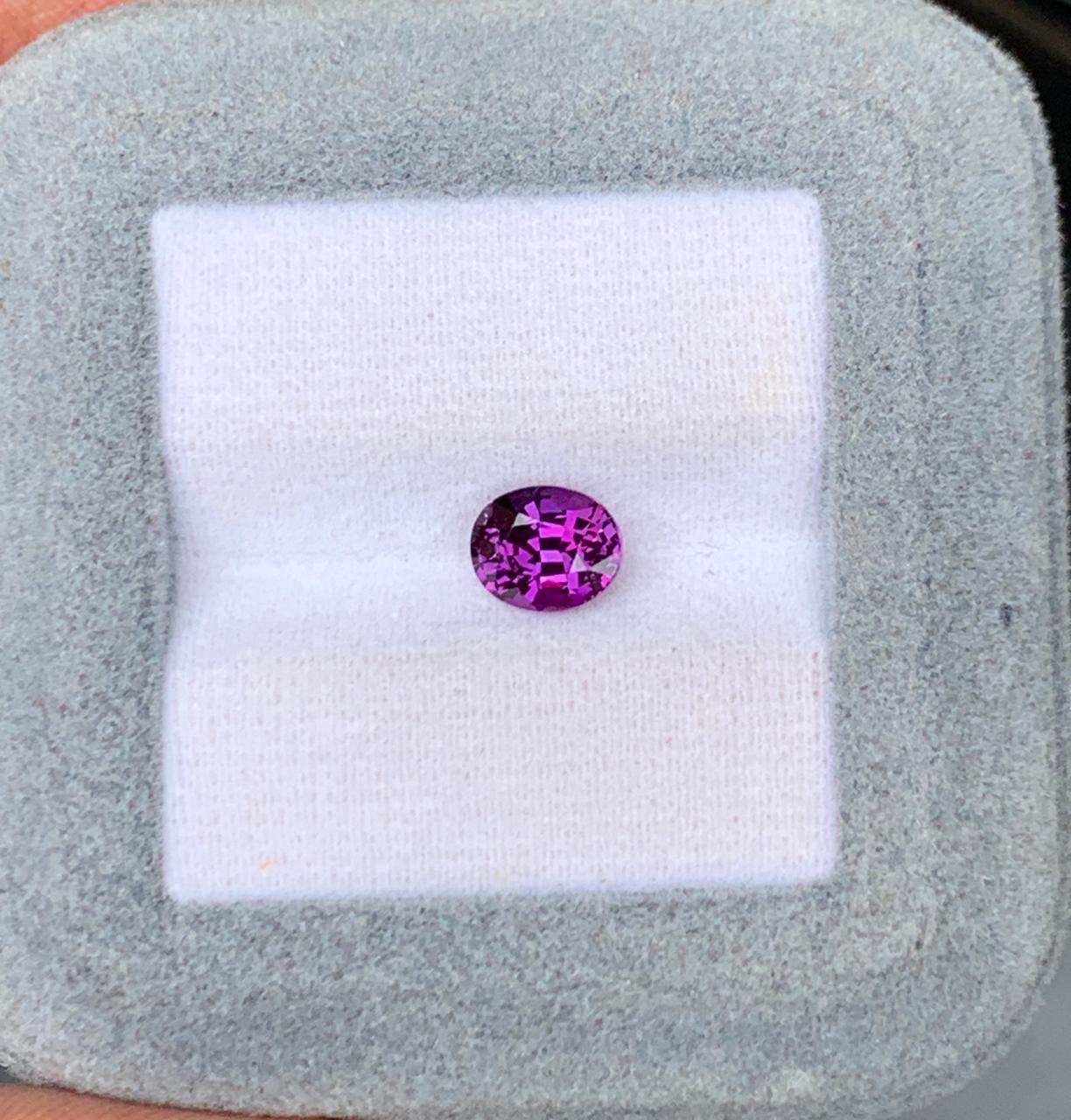
The least known colour of corundum, and one of the most unstable: some stones shift to blue in daylight and violet under a lamp. Rarer than blue, yet markedly less expensive — demand remains limited.
1.08 ct green sapphire · €852 — 1.60 ct violet sapphire · €1,848. Prices observed in September 2026.
The market has named its preferences, and these names determine the price. However, note that: they are commercial designations, not measurements. Some laboratories mention them on their reports according to their own criteria; others refuse to do so. None is standardised across laboratories.
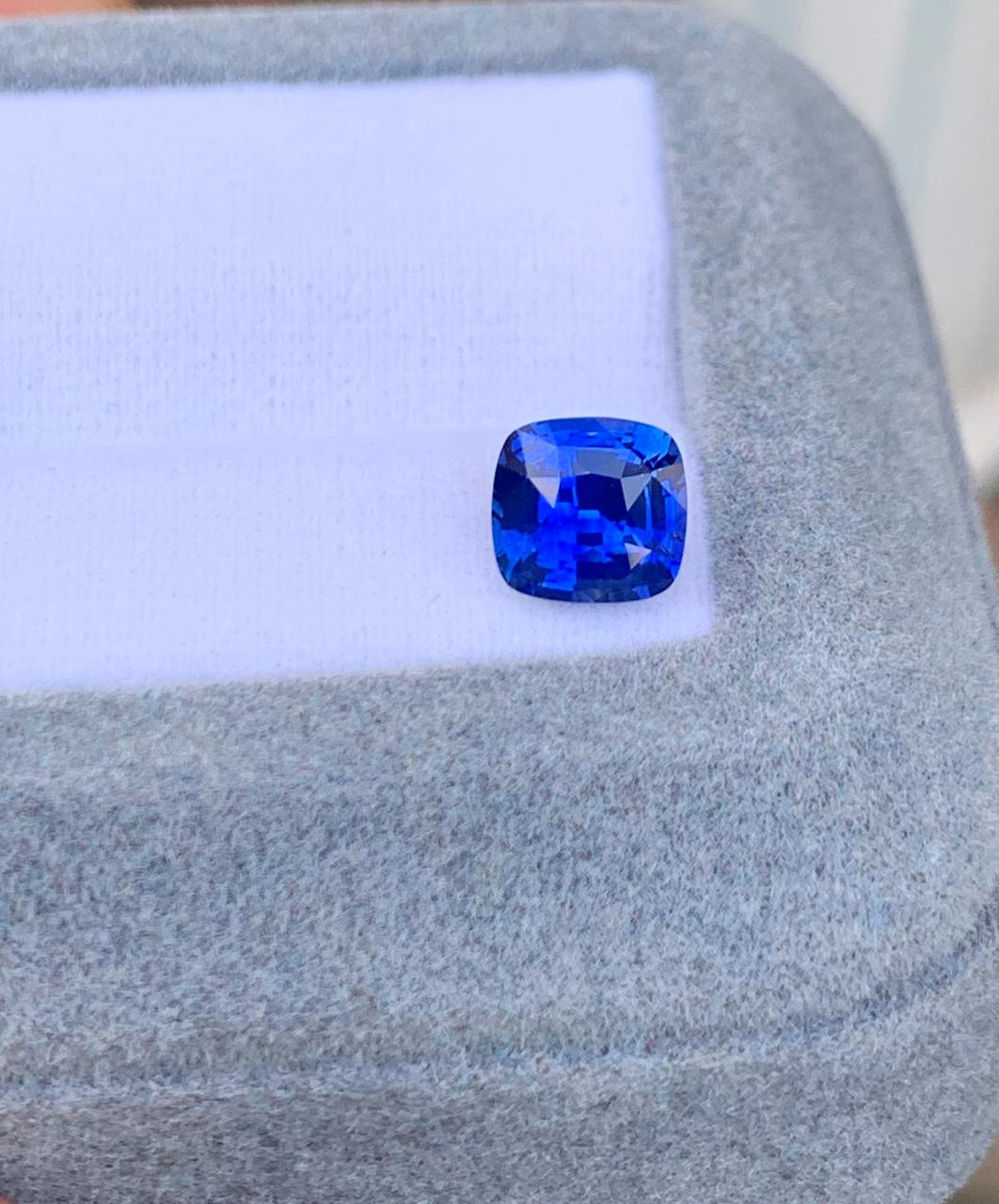
The quintessential electric blue: clear, intense, without grey. It catches the eye even before the setting.
8 808 €
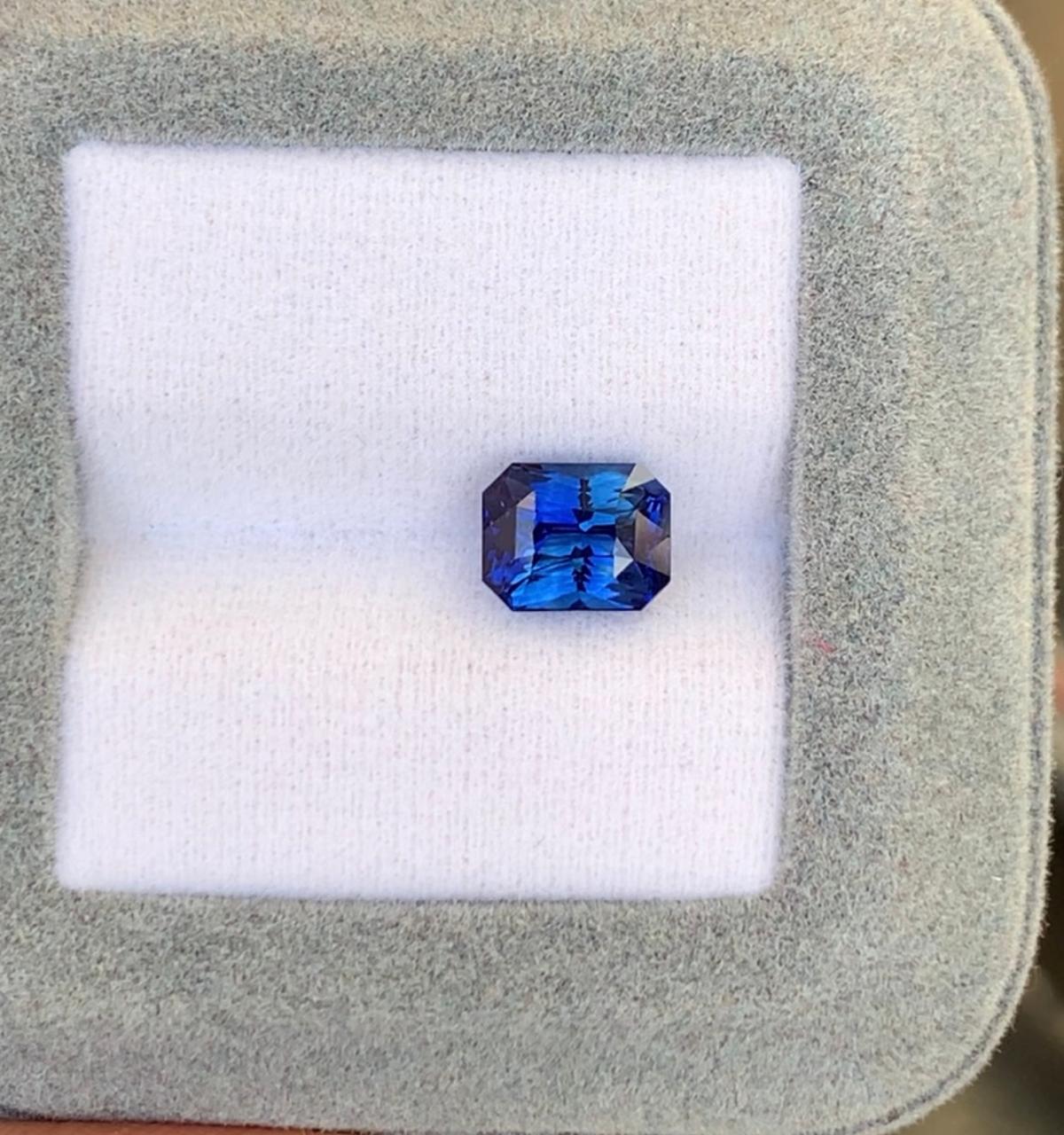
A dense blue, brought to life by the radiant cut through its multitude of facets. Beyond a certain tone, the stone would lose its lustre in the evening.
9 552 €
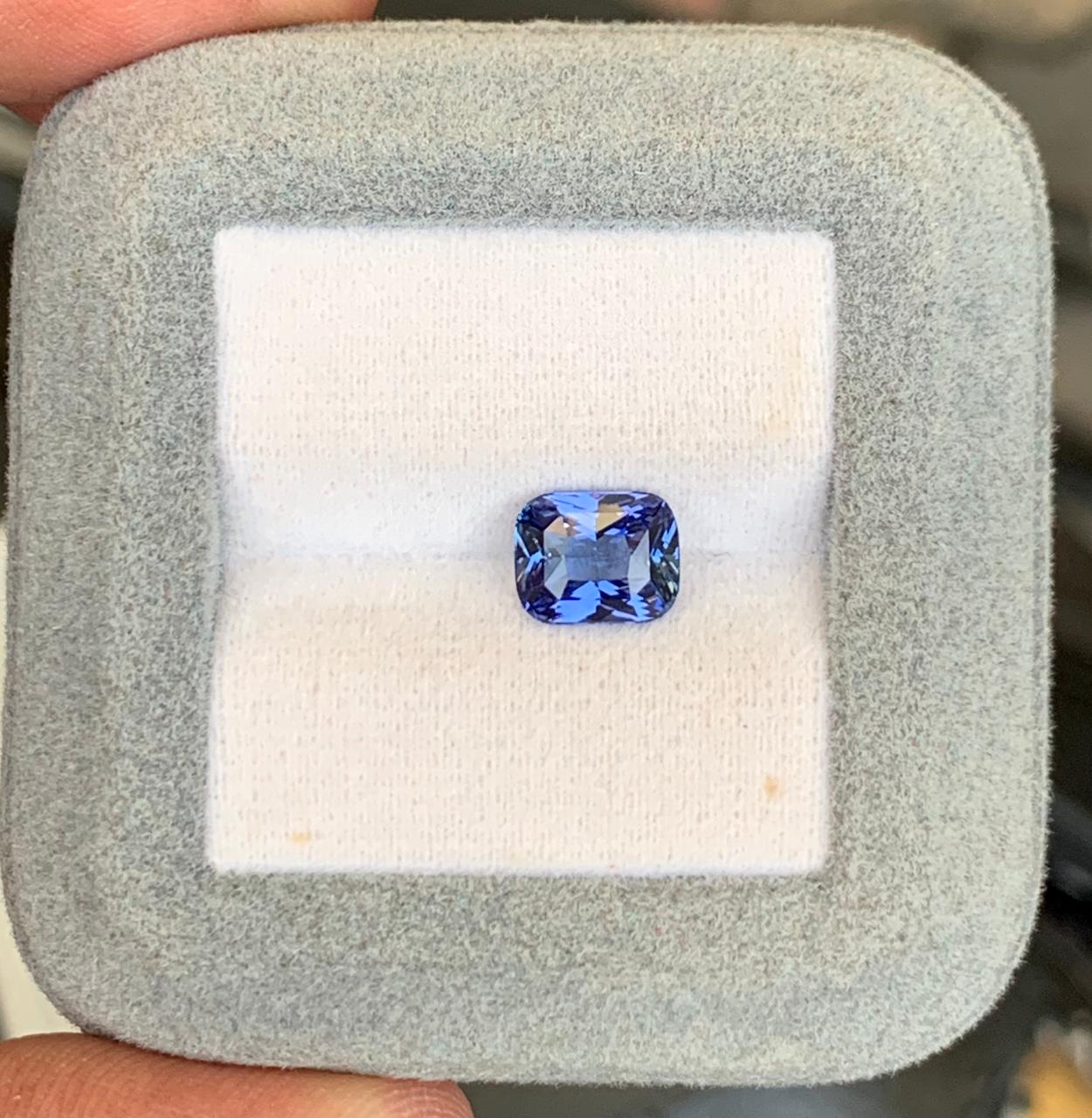
The luminous softness characteristic of Sri Lanka, tempered and without harshness. Neither too dark nor pale enough to lose its character.
5 400 €
Loose stones, prices observed in September 2026.
Three terms recur constantly. Royal blue refers to intense, deep blues. Cornflower, or cornflower blue, a lighter, velvety blue. Ceylon blue refers to an origin — Sri Lanka — rather than a specific hue: when it is claimed, it must be documented by the stone’s report, not by the seller.
“The darker, the more expensive” is false. A greyish or overly dark blue loses a considerable part of its value, because it fades as soon as the light dims. What the market pays for is an intense blue that remains alive in the evening — intensity must never come at the expense of luminosity.
Diamonds have their four Cs. Sapphires have no equivalent grading scale, but they do have a framework for reading them — the one we apply to every stone, in this order.
The colour family: blue, teal, pink. And the undertones, which matter just as much as the main hue.
The vibrancy of the colour. It is the parameter that has the greatest impact on price, for equal dimensions.
The amount of darkness. Too high, the stone fades; too low, it loses its character.
Areas of colour, bands, extinction in the corners. Zoning can be a flaw — or a signature.
Looking at the stone in daylight, then in a room lit in the evening. If the colour collapses, we do not select it. It is the only test that matters, and the one no photograph can replace.
There is only one clear boundary across this entire colour chart: the one that changes the stone’s name. When chromium becomes concentrated enough to shift the colour into red, the sapphire becomes a ruby.
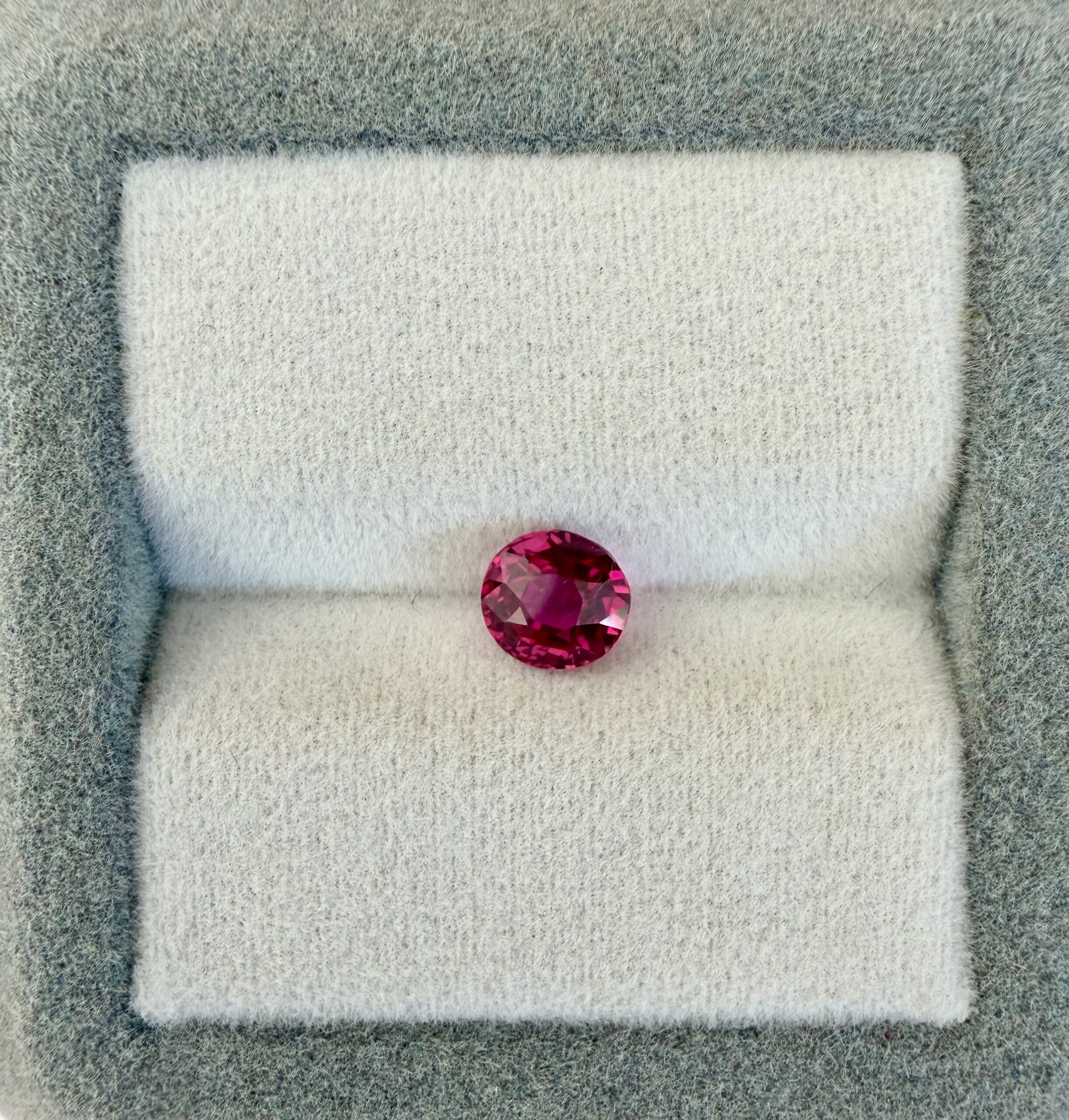
What makes this boundary fascinating is that it is not clear-cut. The tipping point is debated among laboratories : the GIA places it earlier than the SSEF. Two reports may therefore reach different conclusions about the same gem — one “pink sapphire”, the other “ruby” — with a considerable difference in price at stake.
A practical consequence, and one that works to your advantage: at comparable quality, a pink sapphire remains significantly more accessible than a ruby. It is the most elegant alternative for those who love red without having the budget for it. Conversely, if it is truly a pure red that you are looking for, only a ruby engagement ring will deliver it — no pink sapphire, however saturated, will cross the line.
A stone does not create light: it reflects what it is given. Warm light draws hues towards red, daylight towards blue. The same teal sapphire may appear distinctly blue in a display case and noticeably green by a window.
The phenomenon sometimes goes much further. Some sapphires, known as color change, shift from blue to violet depending on the light source. It is spectacular, sought after by collectors, and comes at a price.
Hence the rule we repeat at every appointment: never choose a shade on a screen. No screen is calibrated like yours, and no photograph can reproduce the behaviour of a stone under different lighting conditions. This is why we film each gem under several lights, on a neutral hand and with no colour retouching whatsoever.
The ten colour families, with thirty real stones, their shade codes and the corresponding ring, are brought together in our complete sapphire colour chart. It is the natural continuation of this article.
None. Pure corundum is colourless: all colours come from trace impurities — a few atoms per million. Iron and titanium produce blue, iron alone yellow and green, chromium pink, and vanadium violet.
Sapphire comes in every colour except red: blue, teal, pink, padparadscha, yellow, orange, peach, green, violet, bicolour, and even colourless. When chromium becomes concentrated enough to shift the stone into red, it changes name and becomes a ruby.
These are commercial colour designations: royal blue for an intense, deep blue; cornflower, or cornflower blue, for a lighter, velvety blue. They are not standardised across laboratories—some mention them according to their own criteria, while others do not—and they have a strong influence on price.
By its hue, saturation, tone and uniformity. A stone that is too dark loses its lustre as soon as the light fades; a stone that is too light loses its character. A good sapphire retains its colour in low light—this is the only test that matters.
No. A greyish or overly dark blue loses a considerable part of its value. What the market seeks is an intense blue that retains enough light to remain vibrant in the evening: intensity must never come at the expense of brightness.
Because the stone reflects only what the light gives it: a warm source pulls towards red, daylight towards blue. Some so-called colour-change sapphires shift distinctly from blue to violet depending on the source. No screen can replace holding the stone in your hand.
With chromium concentration, and nothing else. The tipping point is debated between laboratories: the GIA places it earlier than the SSEF, and two reports may reach different conclusions on the same gem. If it is true red that you are looking for, only a ruby engagement ring will provide it.
The loose stones in this guide, with their full characteristics, can be explored from the sapphire.
Share this post