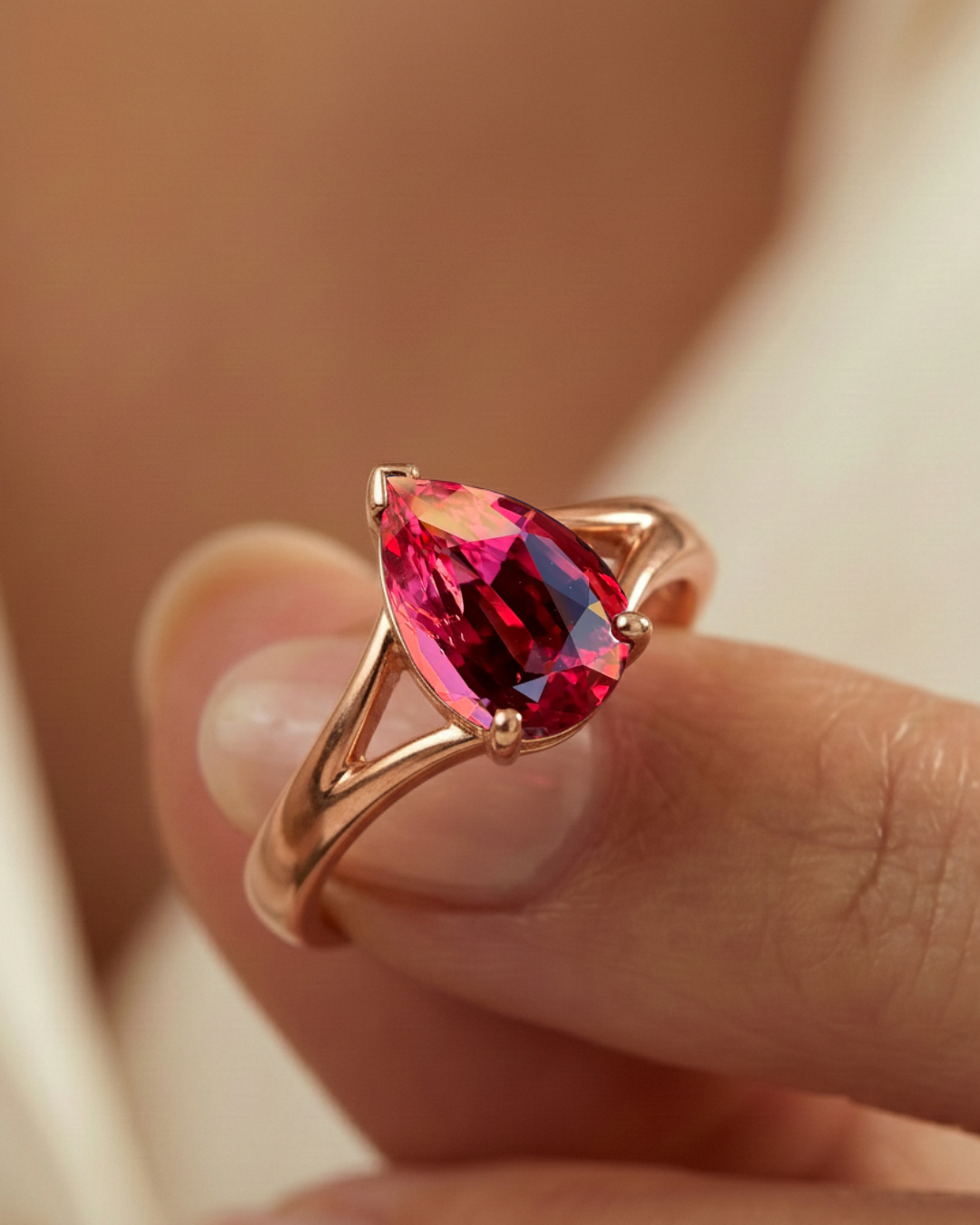
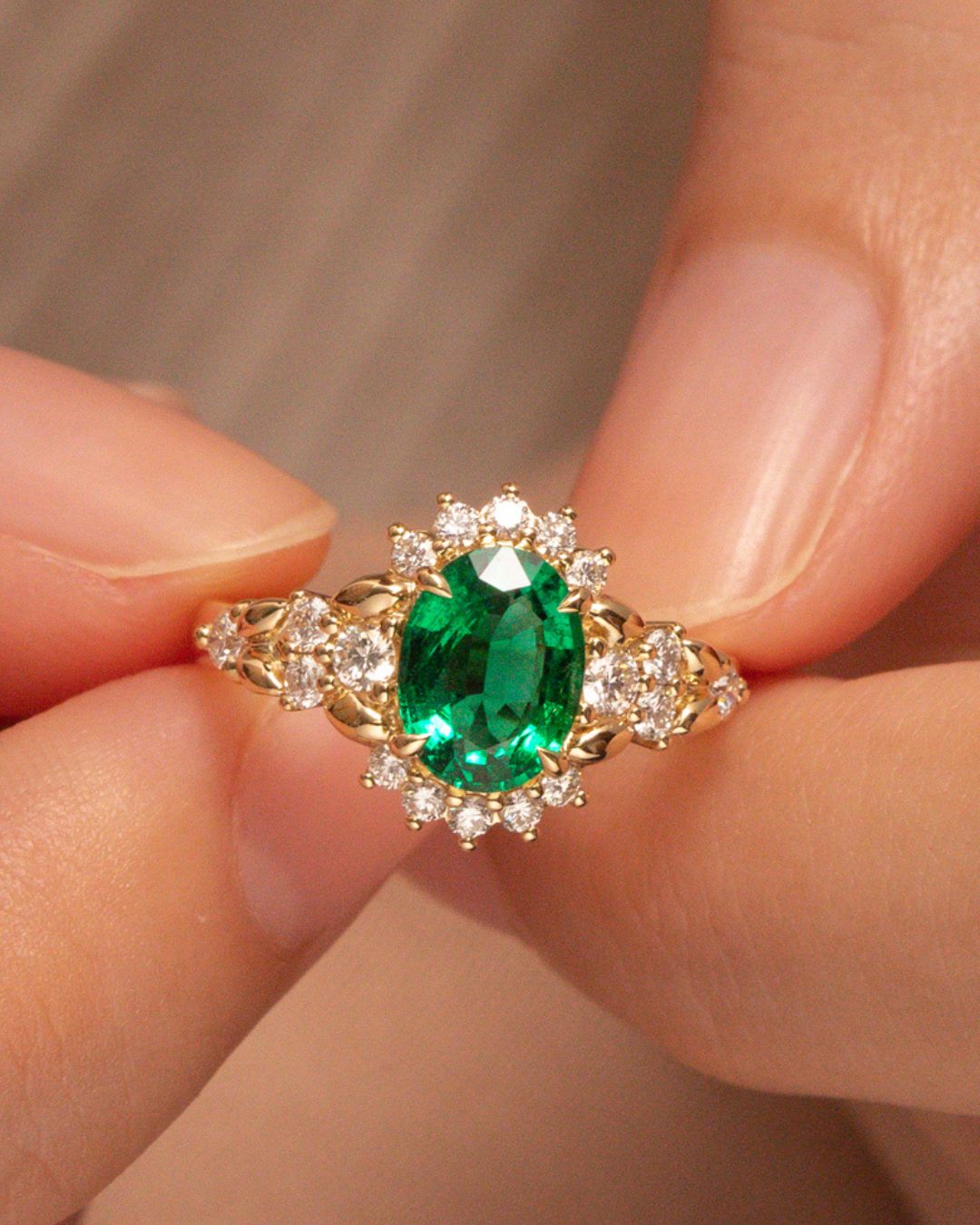
Zambian or Colombian Emerald?
Bonnot Paris22/9/2026
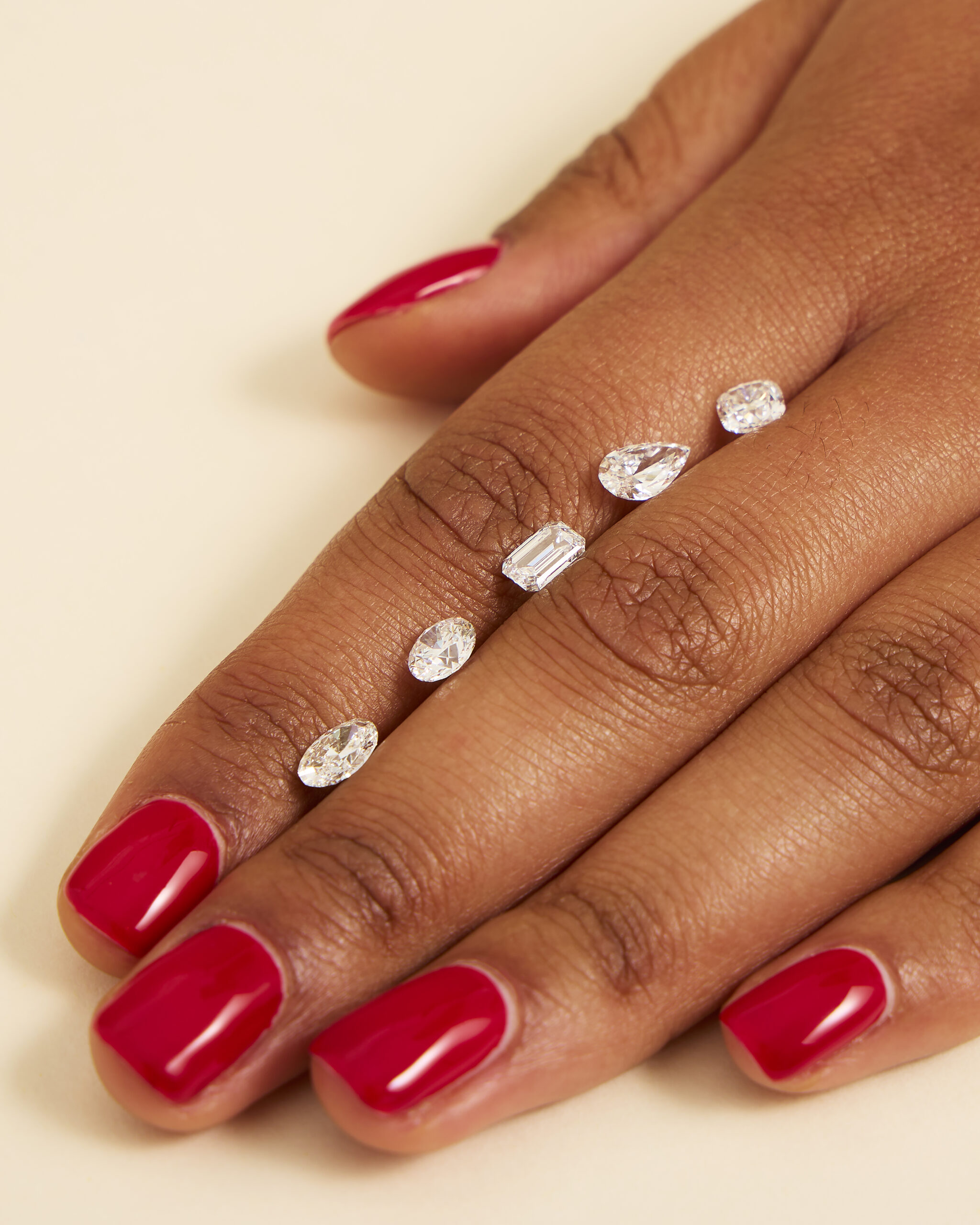



We are dealers in coloured stones, and we set diamonds in almost all our creations. In other words, we have no interest in tearing one down to sell the other. This comparison sets out what truly separates the two stones, including when it does not suit us.
One useful clarification before we begin: sapphire and ruby are the same mineral, corundum. Everything said here about sapphire’s durability applies equally to ruby.
A diamond is bought according to a standardised grading system: the four Cs — colour, clarity, cut, carat. Two stones with the same grading are, more or less, interchangeable. This is a major advantage: one can compare, negotiate and verify.
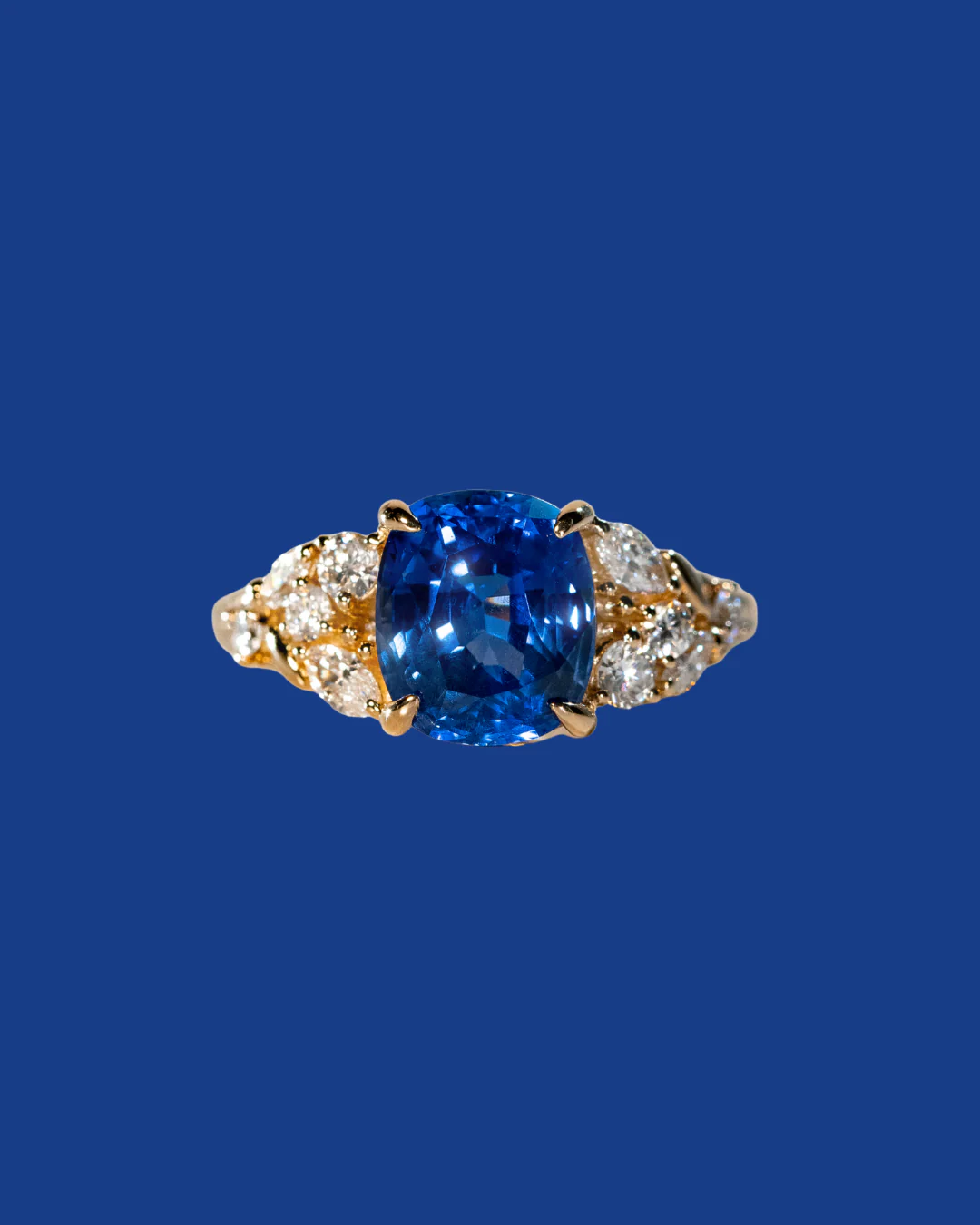
A sapphire has no equivalent grading system. Its value lies first and foremost in its colour, and colour cannot be graded: it is assessed by eye, under different lighting conditions. Two sapphires of the same weight and origin never look quite alike.
This is the real dividing line. A diamond reassures those seeking an objective benchmark; a coloured stone suits those who prefer a piece that no one else will wear. It is not a question of quality, but of temperament.
It is the argument most often used in favour of diamonds, and the most misunderstood.
Diamond is 10 on the Mohs scale, corundum 9. The difference seems slight; in fact, it is considerable, because the scale is not linear. Except that this changes almost nothing in everyday life: above 8, a stone is no longer scratched in everyday life, except through contact with another gemstone.
The Mohs scale measures scratching, not impact strength — and in this respect, diamond has a weakness that corundum does not: cleavage planes. A violent impact on a corner can make it shatter. Sapphire and ruby have none, and offer excellent toughness.
| Diamond | Sapphire and ruby | |
|---|---|---|
| Mohs hardness | 10 | 9 |
| Cleavage | Cleavage planes present | None |
| Everyday wear | Without reservation | Without reservation |
| Common treatment | Variable | Traditional heat treatment, disclosed |
| Main criterion | The 4Cs | Colour |
For comparison, emerald ranks between 7.5 and 8 and requires a protective setting.
Neither hardness nor cleavage, nine times out of ten: it is the setting. A worn or loosened prong after an impact can let the stone fall out, whatever the stone. A check-up every two years settles the matter — it is offered free for life with us.
For a diamond, the price reads almost like a price list: from the four Cs and the weight, one knows the range. Transparency is real, room for negotiation is limited, and the buyer can verify it independently.
For a sapphire, everything depends on colour — hue, saturation, tone — then on transparency, cut quality, treatment and origin. Two stones of the same weight can differ tenfold. It is more opaque, but it leaves room for something the diamond grading system has eliminated: personal choice.
The essence of a sapphire’s value. A stone that retains its colour in low light is worth more than an extra half-carat.
The premium for an unheated stone increases with weight: around twice as much at 1.5 ct, three times as much at 2.5 ct.
The price per carat rises in tiers. Moving from 2 to 3 ct costs far more than one-third extra.
It influences the price, but never on its own. A beautiful stone from Madagascar surpasses an average stone from Ceylon.
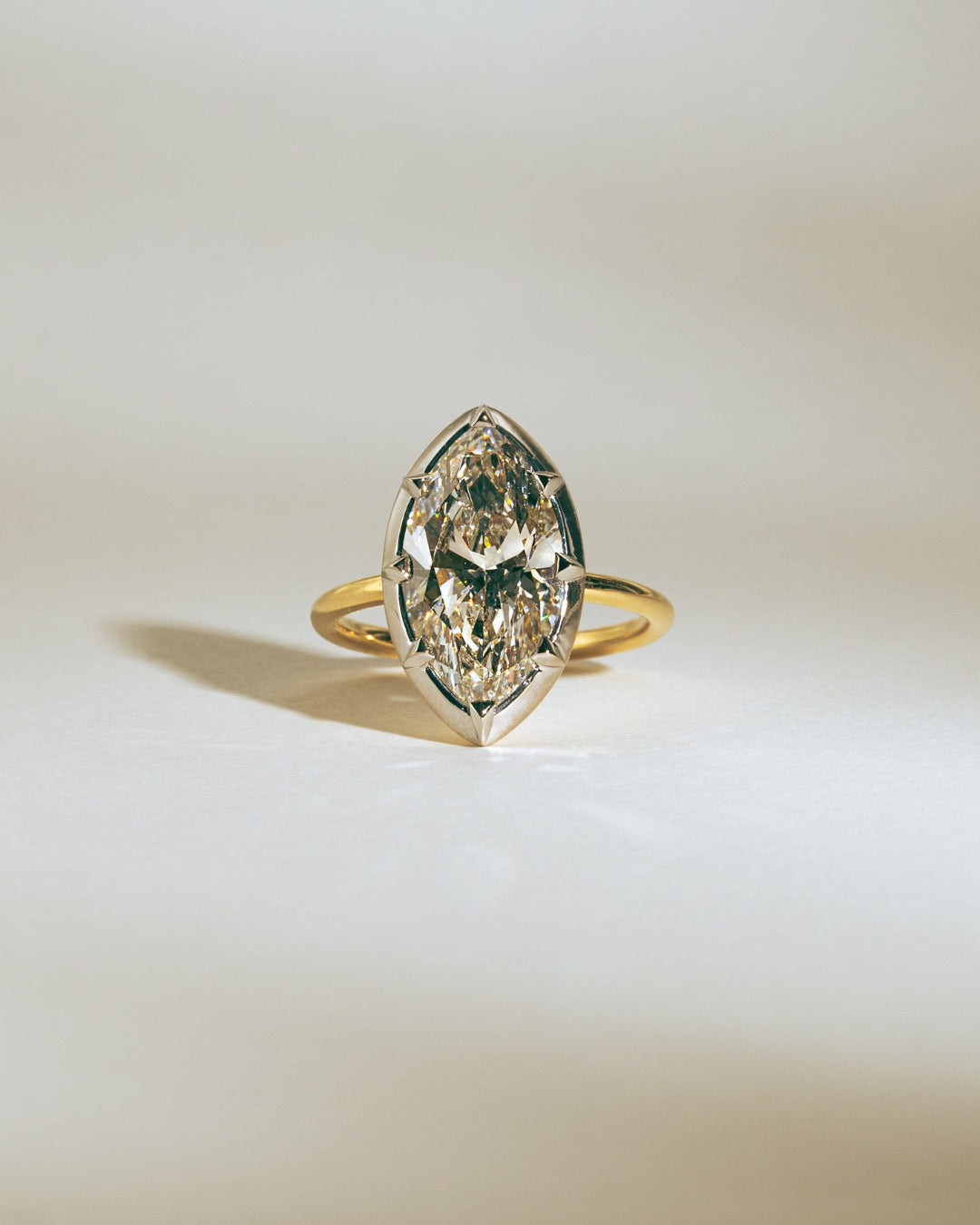
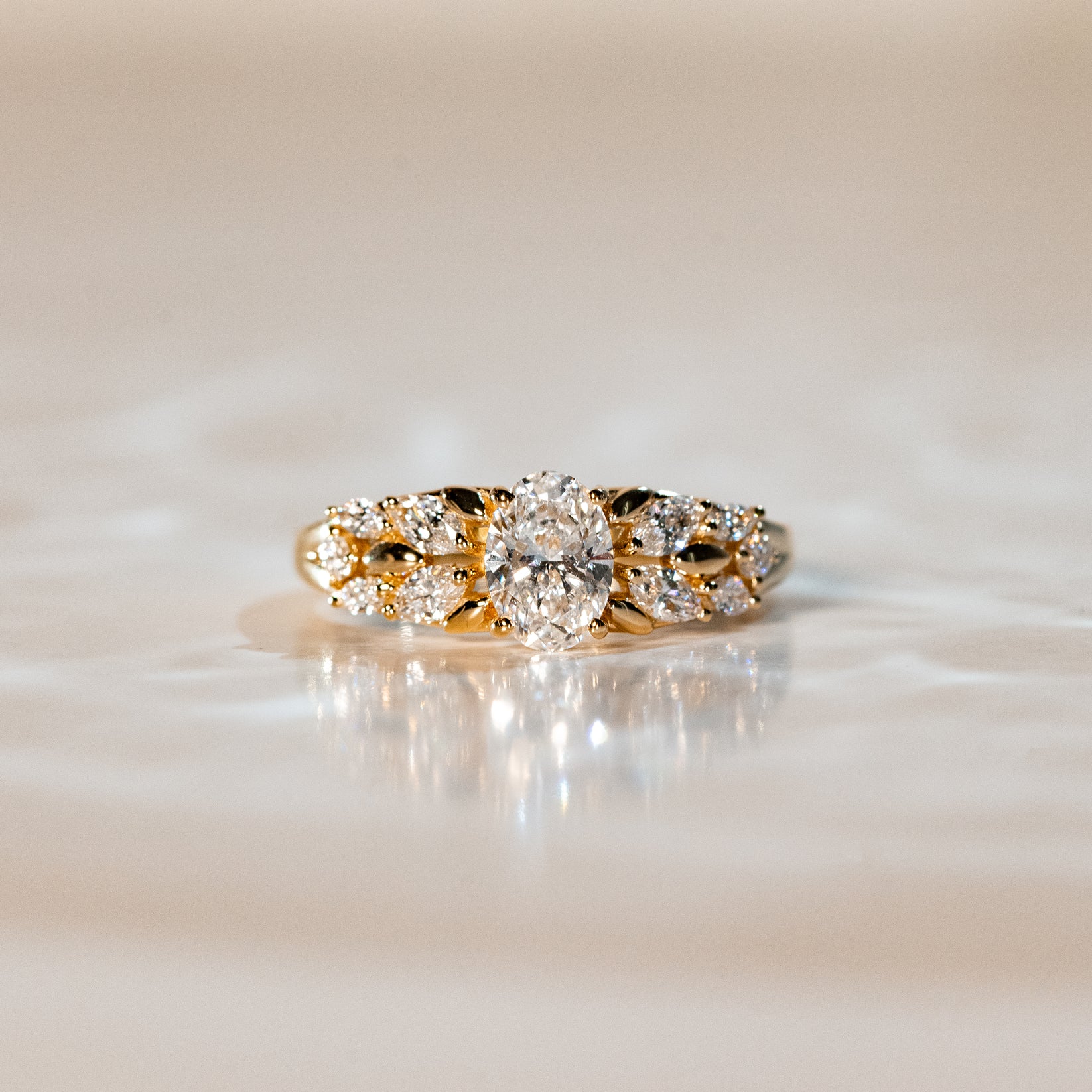
Three creations available today, within a very narrow budget range. This is the most honest way to answer the question of price: not a theory, but what money actually buys.
10 320 €

4 080 €
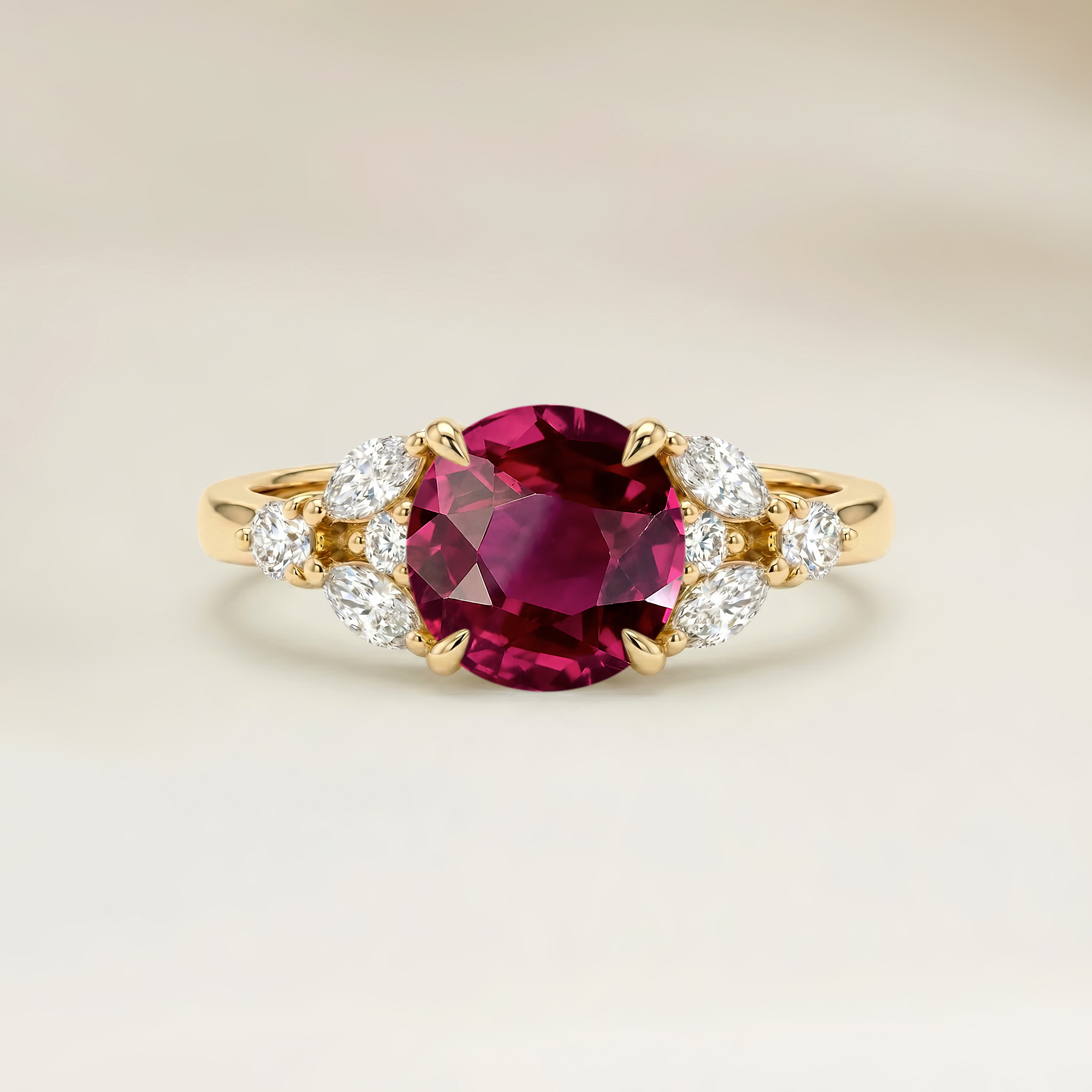
10 080 €
Creations available, prices observed in September 2026. As each stone is unique, the comparison applies to these three pieces, not as a general benchmark.
This three-part overview says it all. With a comparable budget, sapphire offers more generous dimensions — but the difference depends on the quality, weight, treatment and cut of the stones being compared, and is by no means automatic. As for a ruby engagement ring, it is instead above the diamond at equal weight: it is red corundum, and its rarity above two carats sends prices soaring.
We must say things calmly, without falling into the opposite narrative. The diamond is not a common stone, and the finest qualities remain difficult to find. But its image of absolute rarity owes more to eighty years of advertising than to geology.
In the markets where we buy, the observation is consistent: natural sapphires combining beautiful colour, good proportions and significant dimensions are considerably less abundant than comparable jewellery-grade diamonds. This is particularly evident above certain weights, and in unheated stones.
The real hierarchy, as we experience it when sourcing: a fine-coloured ruby above two carats is the hardest to find, followed by padparadscha sapphire and large unheated corundums. Ordinary jewellery-grade diamonds, on the other hand, can be bought every day.
Rarity is read on a laboratory report and in a purchasing notebook, not on a product sheet. When a seller says “rare” without being able to say rare compared with what, the word is worthless. See our sourcing firsthand →
It is impossible to compare sapphire and diamond in 2026 without discussing it. Let us be precise: a laboratory diamond is chemically and physically a diamond. It is not fake. It simply has no geological origin — and it is the laboratory, through inclusions and growth structures, that makes the difference.
Its production has increased sharply in recent years, and its prices have fallen in the same proportions. This makes it an accessible option for obtaining volume, with a trade-off that must be faced head-on: the long-term value of an industrial product that can be reproduced at will is, by nature, uncertain. We do not claim to know where it will go.
Our position is simple, and we apply it to all categories: we sell only natural stones. No synthetic corundum, no hydrothermal emerald, no laboratory diamond. This is not a moral judgement on these products; it is the trade we have chosen — that of geological rarity.
The question in the title has an answer we give ten times a week: both. A coloured stone at the centre, diamonds around it — marquises arranged like petals, aligned baguettes, discreet pavé. Diamond brings light and contrast; colour brings singularity.
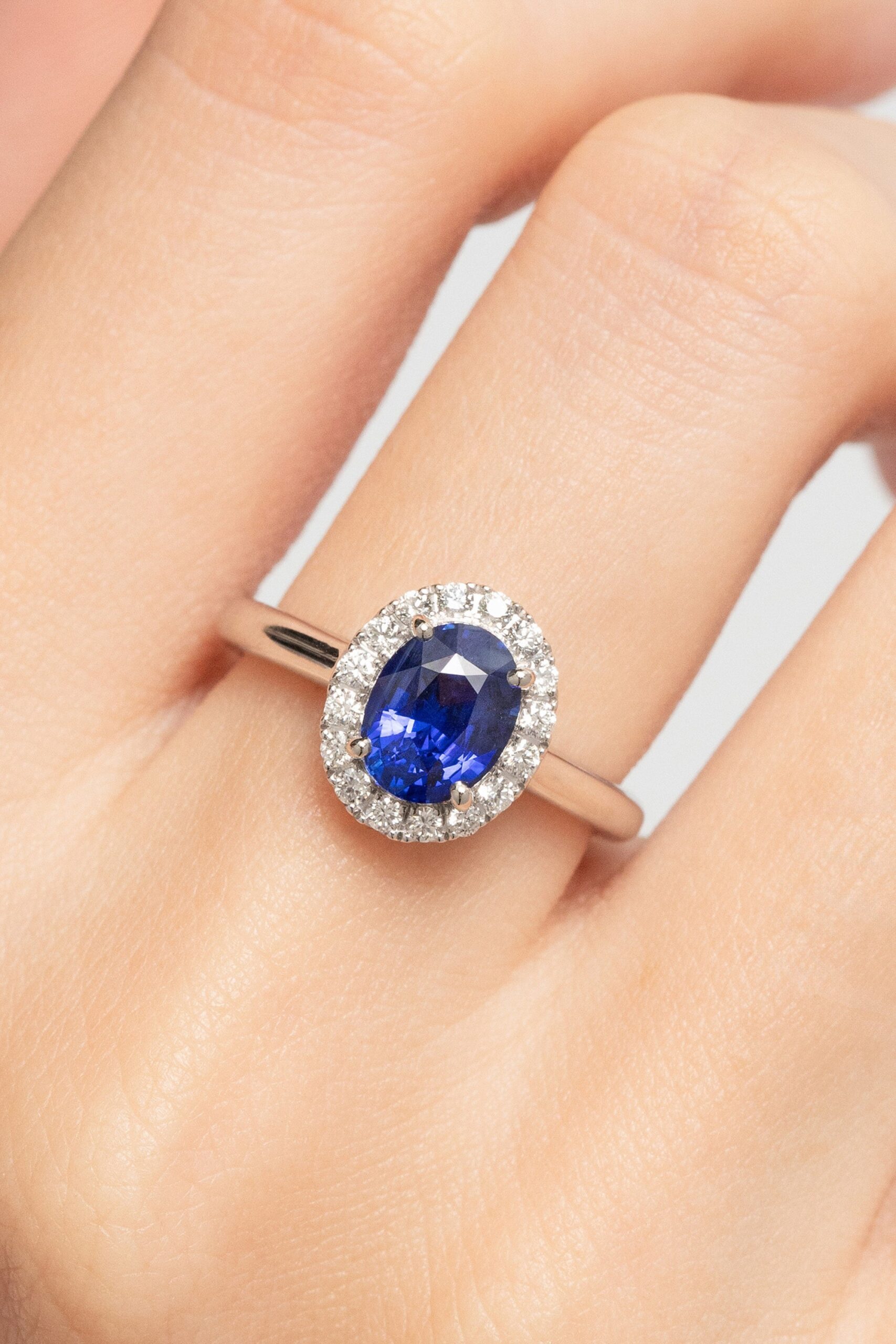
This has, in fact, been the clearest shift in our commissions in recent years. Diamonds have not disappeared from engagement rings: they have moved from centre stone to accompanying stone. They are no longer the subject; they are the light.
The codes are changing: a wider band, a lower-set stone, and most often a coloured stone rather than a diamond. Our most requested configuration is a blue step-cut sapphire, bezel-set — discreet, durable, and with nothing to catch. View all rings →
Diamond, at 10 on the Mohs scale, compared with 9 for sapphire. But the scale is not linear, and the difference is practically imperceptible in everyday wear: both can be worn every day without reservation. Diamond does, however, have cleavage planes, which corundum lacks — a very violent impact on an edge can cause it to shatter.
With a comparable budget, it often allows for a more generously sized centre stone. The difference depends greatly on the quality, weight, treatment and cut of the two stones being compared: an unheated sapphire of exceptional colour can exceed a diamond of the same weight.
Less so than its image suggests. In our sourcing markets, sapphires combining beautiful colour, good proportions and significant size are markedly less abundant than comparable jewellery-grade diamonds. And a ruby engagement ring features the rarest of the four great gemstones above two carats.
It is a real diamond from a chemical and physical standpoint: it is not fake; it simply has no geological origin. Its prices have fallen sharply as production has increased, making it an accessible option whose long-term value remains uncertain. We sell only natural stones.
Colour accounts for the bulk of its value, and is assessed by eye under several lighting conditions. Next come transparency, cut quality, treatment and origin. This is what makes comparing two sapphires more difficult — and the advice of a dealer more useful.
It is the most common setting in our workshop: a coloured stone at the centre, surrounded by diamonds in marquise, baguette or pavé cuts. Diamond brings light; colour brings singularity. The question then no longer arises.
A wider band, a lower-set stone, and most often a coloured stone rather than a diamond. The blue step-cut sapphire in a bezel setting is our most requested configuration.
To compare loose stones rather than set rings, the entire stock can be browsed from the precious stones.
Share this post