Zambian or Colombian Emerald?
Bonnot Paris22/9/2026
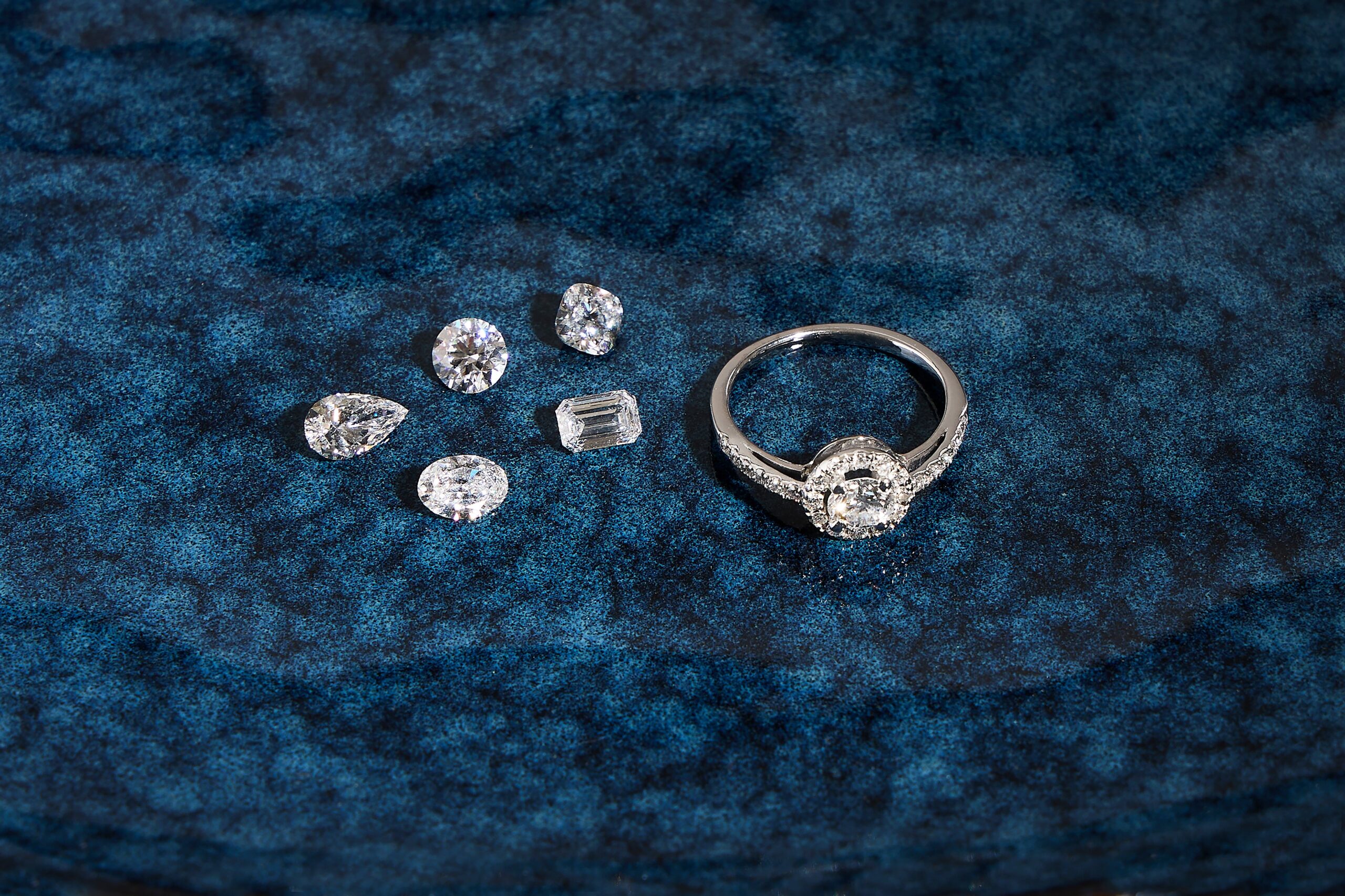



The short answer can be summed up in one sentence: coloured diamonds eclipse everything else, by several orders of magnitude. The global podium is contested neither by ruby, emerald nor sapphire.
This article provides the true ranking, supported by auction records, then distinguishes between stones that genuinely sell and those whose quoted value corresponds to no market. It ends with the only question that matters to a buyer.
Prices per carat achieved at public auction for exceptional stones. These are peaks, not market averages.
| Rank | The stone | Record price per carat | The gem |
|---|---|---|---|
| 1 | Blue diamond | ≈ $3.9M/ct | Oppenheimer Blue, 14.62 ct, 2016 |
| 2 | Pink diamond | ≈ $1.2M/ct | Pink Star, 59.60 ct, 2017 |
| 3 | Burmese ruby | > $1M/ct | Sunrise Ruby, 25.59 ct, 2015 |
| 4 | Imperial jadeite | Several hundred thousand | Hutton-Mdivani Necklace, 2014 |
| 5 | Kashmir sapphire | $271,515/ct | Regent Kashmir, 35.09 ct, 2025 |
| 6 | Colombian emerald | ≈ $305,000/ct | Rockefeller Emerald, 18.04 ct, 2017 |
Results from Christie’s and Sotheby’s public sales. The natural red diamond, rarer still, does not appear here: the few known specimens have never been offered at auction, so no verifiable price exists.
Two observations on this table. First, it does not rank families, but individual records : each line corresponds to a unique stone, in an exceptional state of preservation, with exceptional origin and provenance. Secondly, the gap between the first and last lines reaches a factor of thirteen — and between the blue diamond and a fine jewellery sapphire, a factor of several thousand.
The paradox is complete: diamond is the most commonplace stone in the trade, yet it is also the most expensive in the world. Everything depends on its colour.
An exceptional white diamond — colourless, with no inclusions visible under a loupe — trades for a few thousand euros per carat. Its annual production is measured in millions of carats: rare on a geological scale, commonplace on a market scale.
A natural blue diamond, coloured by traces of boron, belongs to an entirely different world. The Oppenheimer Blue, 14.62 carats, sold for $57.5 million in 2016 — nearly $3.9 million per carat, the world record per carat across all gemstones.
The pink diamond holds the record in total value: the Pink Star, 59.60 carats, sold for $71.2 million in 2017. And above both, in theory, the red diamond — only a few dozen specimens are known worldwide, none of which has ever been offered for public sale. Its value is therefore an estimate, not a price.
“Diamond is the most expensive stone.” False, if it is white. An unheated Burmese ruby or a Kashmir sapphire of the same weight can be worth one hundred times as much as a white diamond of comparable quality. The popularity of white comes from an advertising campaign in 1947, not from its rarity.
Outside diamonds, no gemstone comes close to ruby. It is the most expensive coloured gemstone in the world, and the record has a name.
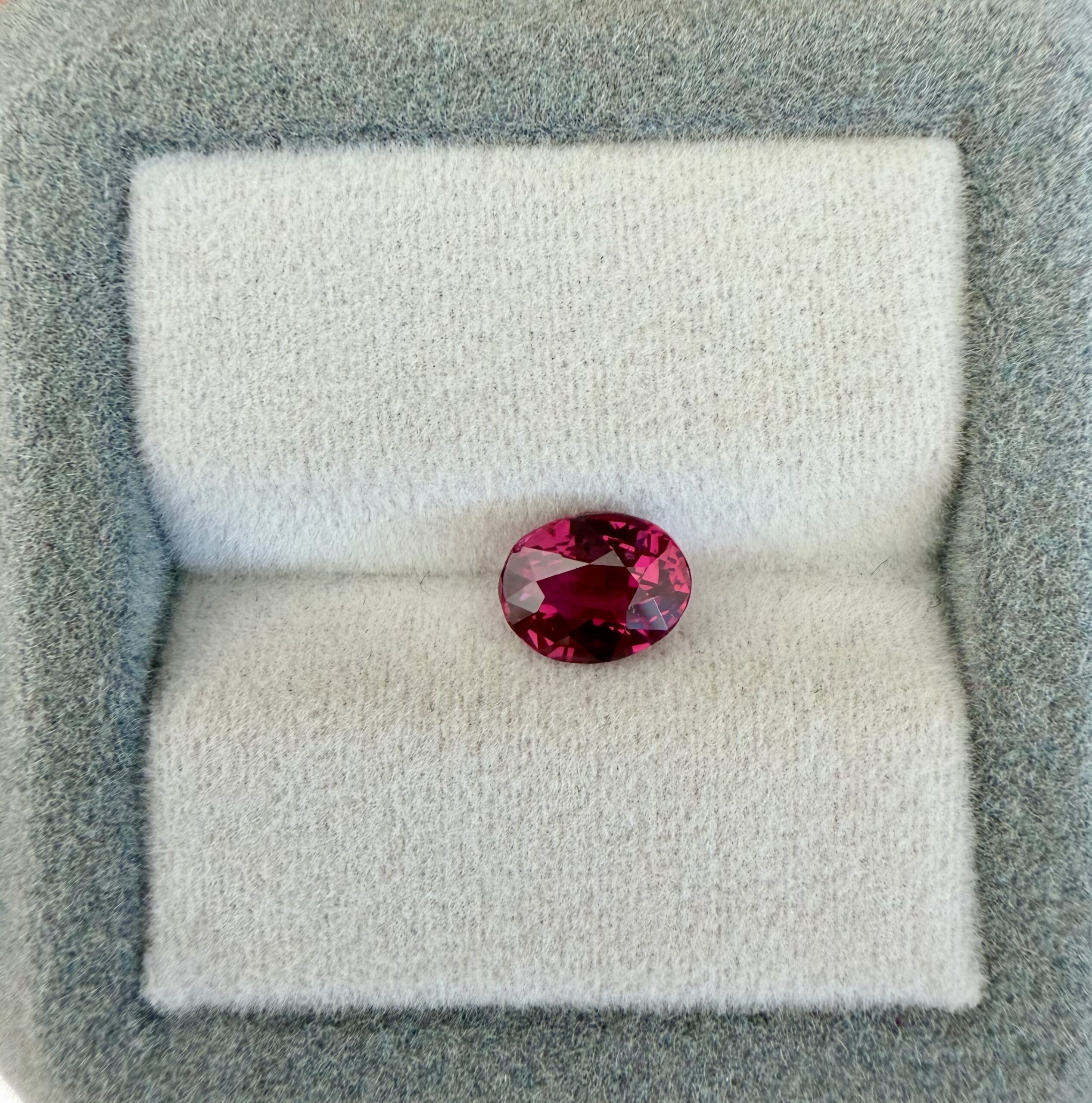
The Sunrise Ruby, a 25.59-carat unheated Burmese ruby, sold for approximately $30 million at Sotheby’s Geneva in 2015 — more than one million dollars per carat. It remains the most expensive coloured stone ever sold at auction.
Three factors combine to produce this price. First, rarity : beyond two carats, a ruby of fine colour is the hardest to find among the four major gemstones, as the chromium that produces the red weakens the crystal during its growth. Then,origin : the Mogok Valley in Burma has produced reds for centuries that contemporary deposits rarely match. Finally,the absence of treatment , which multiplies the value of an already rare stone.
One must grasp what this represents. This record is several hundred times the per-carat price of a very fine jewellery-grade Mozambique ruby — which already ranks among the most expensive stones a private individual can buy.
This is the most interesting case in the ranking, because it rests entirely on an exhausted resource.
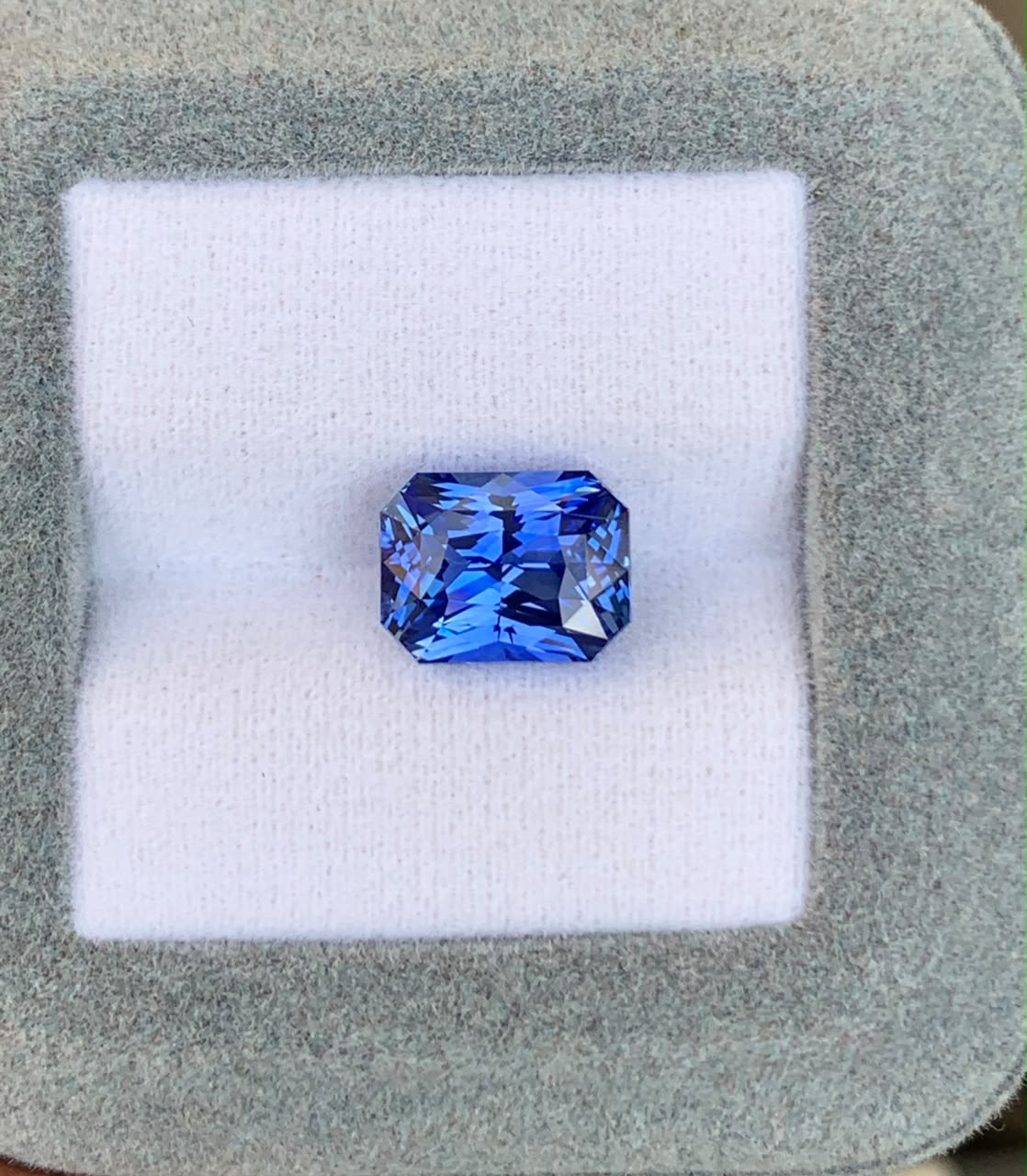
The Kashmir mines, worked at the end of the 19thth century, yielded blues of a particular velvety quality for a few decades, then ran dry. Everything in circulation today comes from stones extracted more than a hundred years ago — a finite stock that will not be replenished.
The record is recent: the Regent Kashmir, a 35.09-carat unheated sapphire, achieved $9.5 million at Christie’s Hong Kong in May 2025, or $271,515 per carat — a new world per-carat record for a sapphire. The same stone had already set a record ten years earlier, at $209,689 per carat.
The direct consequence for a buyer: a stone presented as “Kashmir” without a laboratory report should be regarded with the utmost caution. The designation multiplies the price by ten or by a hundred — precisely the kind of discrepancy that attracts imprecise claims.
Two greens, two markets with nothing in common.
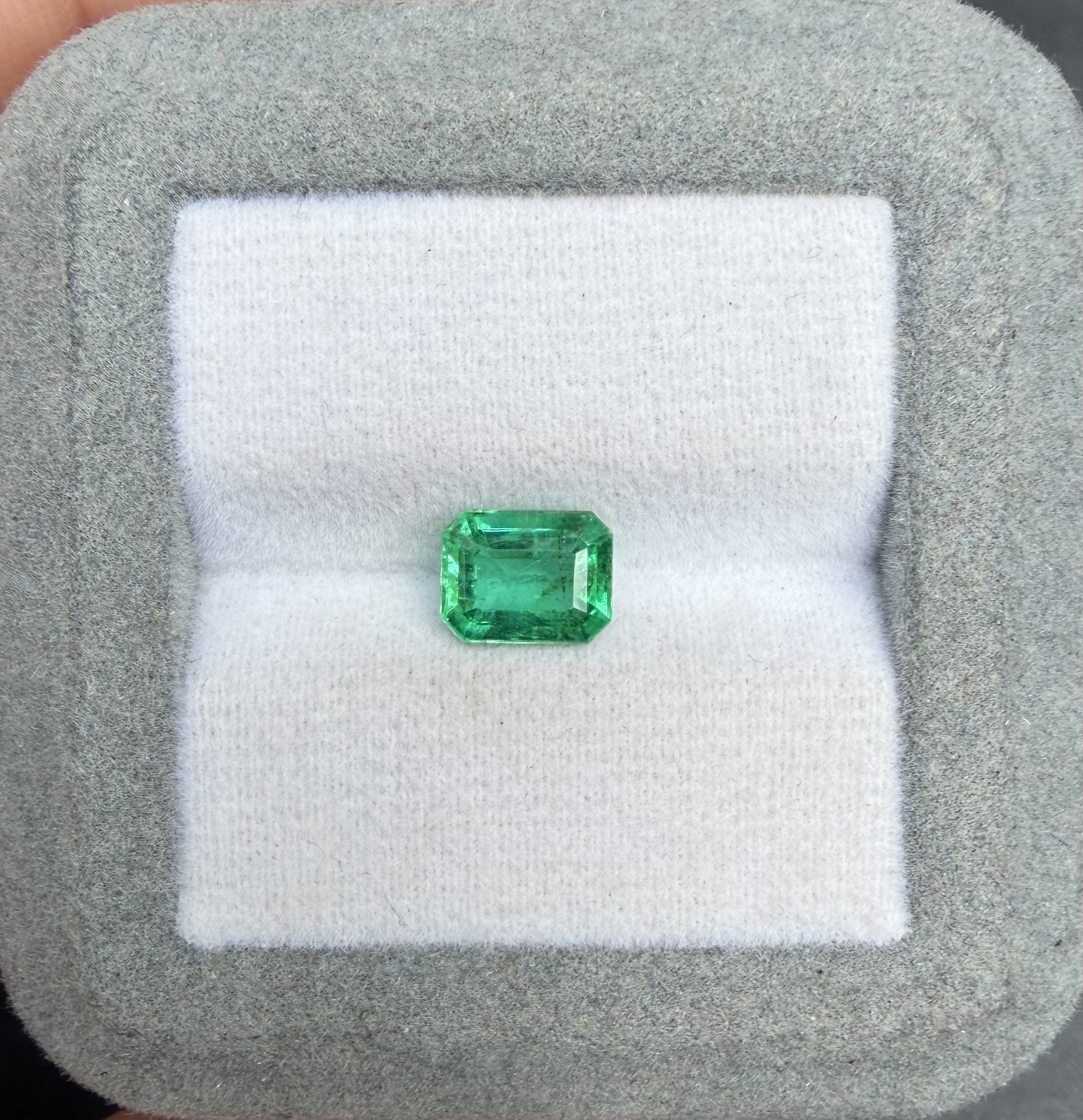
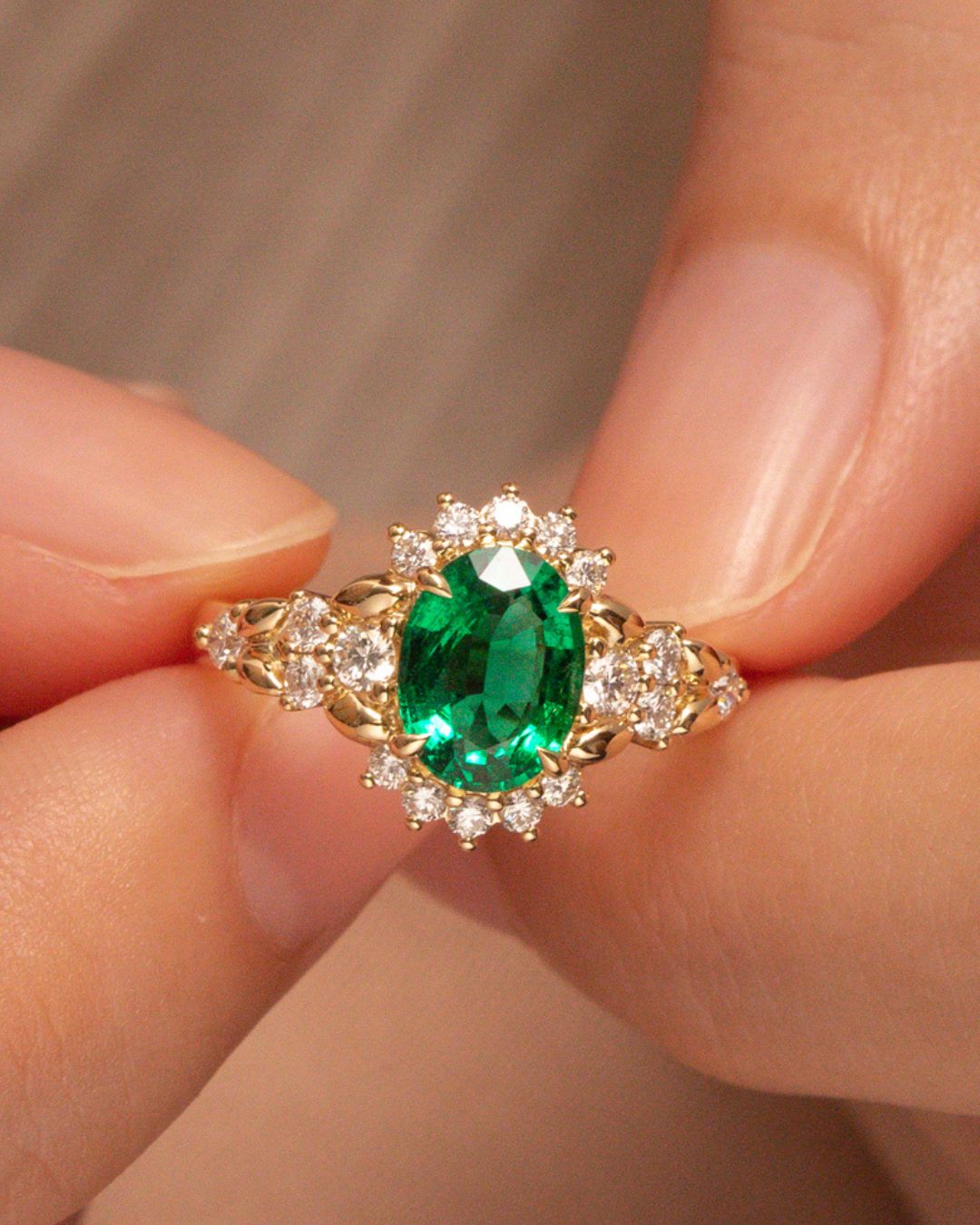
The Colombian emerald. The Rockefeller Emerald, 18.04 ct, sold for 5.5 million dollars in 2017, or around 305,000 dollars per carat. The Muzo and Chivor deposits have supplied the market for five centuries, and stones of this calibre without oiling are extremely rare.
Imperial jadeite. A translucent green of distinctive intensity, prized in Asia for centuries. The Hutton-Mdivani necklace reached 27.4 million dollars in 2014. We do not show an image of it here for one simple reason: we do not work with this stone, and illustrating jadeite with anything else would make no sense.
The case of jadeite deserves attention, because it illustrates something Western rankings forget: the value of a gemstone depends on a culture. Imperial jadeite reaches prices that few emeralds come close to, but almost exclusively on the Asian market. Move the stone, and its value changes.
Every article on this subject ends up citing the same names: painite, musgravite, grandidierite, taaffeite, benitoite, red beryl. With dizzying prices per carat, sometimes higher than those of Burmese ruby.
Treat these figures with great caution. These minerals have one thing in common: there is virtually no market for them. A few dozen known specimens, no regular production, no jewellery demand, and therefore no verifiable price benchmark. The prices quoted come from isolated transactions between collectors, when they are not simply copied from one website to another for fifteen years.
A gemstone has value only if there are buyers in sufficient numbers. This is what separates Burmese ruby — whose records are public, dated, and auctioned in salerooms — from a mineral of which three examples have changed hands in twenty years.
When faced with a spectacular price per carat, ask: which sale, what date, which house? A genuine record has a name, a year and an official report. A mineral curiosity’s quoted value has none of these.
Nothing, or almost nothing — and that is the most useful point on this page.
The stones mentioned above have three characteristics that no jewellery gemstone shares: an exceptional size, a origin certified by the finest laboratories, and often a historical provenance — a collection, a crown, a name. They belong to the art market. Citing a record to justify the price of a two-carat stone is like citing the price of a master painting to sell a lithograph.
At the scale of a ring, the hierarchy is far flatter. In our own catalogue, ruby remains the most expensive family per carat — around nine and a half times the price of blue sapphire — followed by emerald and padparadscha, while the less sought-after sapphire colours stand at around €1,000 to €1,200 per carat.
What these differences do not reflect must be said: no difference in durability. A blue sapphire engagement ring costs almost twice as much as a teal sapphire and ten times less than a ruby, even though all three stones have the same hardness of 9 on the Mohs scale and the same absence of cleavage planes. What you pay extra for is colour and renown.
That a stone is an investment. A gemstone is not a financial product : spectacular auction increases concern a few dozen exceptional stones a year, and the resale value of a piece of jewellery generally remains far below its purchase price.
Coloured diamonds, by a very wide margin. The Oppenheimer Blue, a 14.62 ct blue diamond, sold for $57.5 million in 2016, or nearly $3.9 million per carat. The Pink Star, a 59.60 ct pink diamond, holds the record for total value at $71.2 million in 2017.
Unheated Burmese ruby. The Sunrise Ruby, 25.59 ct, sold for around $30 million at Sotheby’s Geneva in 2015, or more than $1 million per carat — the world record for a coloured stone.
The per-carat record belongs to the Regent Kashmir, a 35.09 ct unheated sapphire sold for $9.5 million at Christie’s Hong Kong in May 2025, or $271,515 per carat. The deposits have been virtually exhausted for more than a century.
No, and this is the most widespread misconception. An exceptional white diamond trades for a few thousand euros per carat, while an unheated Burmese ruby or a Kashmir sapphire of the same weight may be worth one hundred times more.
The prices quoted for these ultra-rare minerals should be treated with caution: there is virtually no market for them. Only a few dozen known specimens, no real jewellery demand, and therefore no verifiable price benchmark.
No. These stones combine exceptional size, certified origin and often historical provenance. They belong to the art market. Citing a record to justify the price of a two-carat gem is a sales argument.
No. Its future value depends on markets that no one can predict, and the resale value of a piece of jewellery is generally far lower than its purchase price. Spectacular increases concern a few dozen stones a year, not the mainstream market.
Share this post