Zambian or Colombian Emerald?
Bonnot Paris22/9/2026



This guide takes the twelve months one by one. For each: the stone, its colour, its symbolism, and what people almost always forget to mention— its durability, which determines the jewel that can be made from it. A pearl and a sapphire are both birthstones; only the latter can withstand being worn on the finger every day.
The idea is ancient. It is traced back to the twelve stones of Aaron’s breastplate, described in the Book of Exodus, which much later authors associated with the twelve months of the year and the twelve signs of the zodiac.
The list everyone uses today is much more recent. It dates from 1912 : an association of American jewellers then established an official correspondence, month by month. It has since been revised — the tanzanite was added to December in 2002, and the spinel was added to August in 2016.
These revisions explain the variations found from one source to another, and the fact that several months feature two or three stones. This is not an approximation: it is a living list, often adjusted for very practical reasons — natural pearl had become impossible to find, opal too fragile for many uses.
| Month | Stone(s) | Mohs hardness | On the finger every day |
|---|---|---|---|
| January | Garnet | 6,5 – 7,5 | With a protective setting |
| February | Amethyst | 7 | With a protective setting |
| March | Aquamarine, bloodstone | 7,5 – 8 | With a protective setting |
| April | Diamond | 10 | Without reservation |
| May | Emerald | 7,5 – 8 | With a protective setting |
| June | Pearl, moonstone, alexandrite | 2.5 to 8.5 | Alexandrite only |
| July | Ruby | 9 | Without reservation |
| August | Peridot, spinel, sardonyx | 6.5 to 8 | Spinel without reservation |
| September | Sapphire | 9 | Without reservation |
| October | Opal, tourmaline | 5.5 to 7.5 | Tourmaline, with protection |
| November | Topaz, citrine | 7 – 8 | With a protective setting |
| December | Tanzanite, turquoise, zircon | 5 to 7.5 | Best reserved for jewellery subject to little exposure |
Current reference list. Hardness is given on the Mohs scale, from 1 to 10.
Garnet garnet is not a single stone, but an entire family — and that is the best news for anyone born in January. It is often imagined as a deep red, almost burgundy: this is the colour of almandine and pyrope, the most widespread varieties, and the one that gave the family its name, from the Latin granatum, the pomegranate.

But the family extends far beyond that. spessartite leans towards mandarin orange, tsavorite is a vivid green that rivals emerald, rhodolite hovers between pink and purple. All are garnets, and all are therefore January birthstones — making it the most open-ended month in the calendar.
In practical terms, garnet has two rare advantages: it is almost never treated, and remains accessible in most of its varieties. Its hardness, from 6.5 to 7.5 depending on the species, does however call for a setting that protects its edges for everyday wear.
Symbolism: courage, loyalty, energy. It was said to protect travellers.
Purple quartz, ranging from pale mauve to deep purple. It was long as highly prized as ruby, before the discovery of the great Brazilian deposits in the 19thcentury century, caused its price to collapse. Today, it is one of the most accessible coloured gemstones.
Hardness 7: suitable for a ring, provided the setting protects its corners. One point to bear in mind: some amethysts fade with prolonged exposure to sunlight.
Symbolism: serenity, balance, lucidity — its Greek name means “not intoxicated”.
Aquamarineaquamarine is a blue beryl — from the same mineral family as emerald, but without its inclusions. Its blue ranges from pale and translucent to deep blue with a slight greenish tint, and it often forms in large, exceptionally clean crystals.

Hardness 7.5 to 8: it is one of the most durable birthstones after sapphire, ruby and diamond. It is suitable for a ring, with a setting that protects its corners.
Symbolism: hope, peace, protection at sea — its name comes from the Latin aqua marina, seawater. March also shares the bloodstone, a dark green chalcedony flecked with red.
The hardest gemstone there is, at 10 on the Mohs scale, and the only one in the calendar that can truly be worn without any surface precautions. Most often colourless, but also yellow, pink, blue or green in the case of coloured diamonds, whose rarity is beyond comparison.
A nuance few people know: diamond is very hard, but it has cleavage planes. A sharp blow in the wrong direction can chip it — unlike sapphire.
Symbolism: strength, commitment, invincibility — its name comes from the Greek adamas, the indomitable.
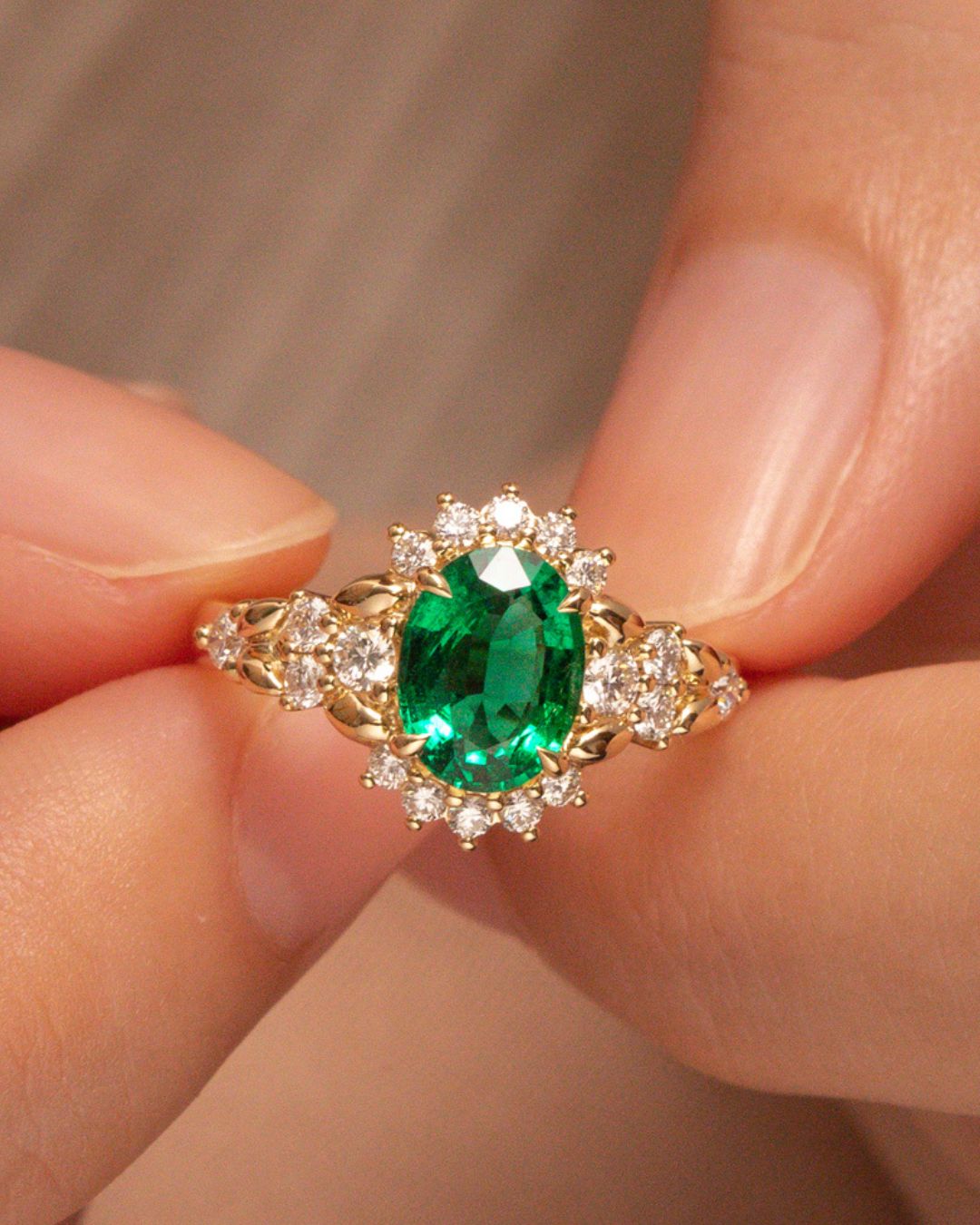
The green variety of beryl, coloured by chromium. Theemerald is the only major gemstone whose imperfections are accepted — and even expected: its natural inclusions, what the trade calls the jardin, are the hallmark of the species.
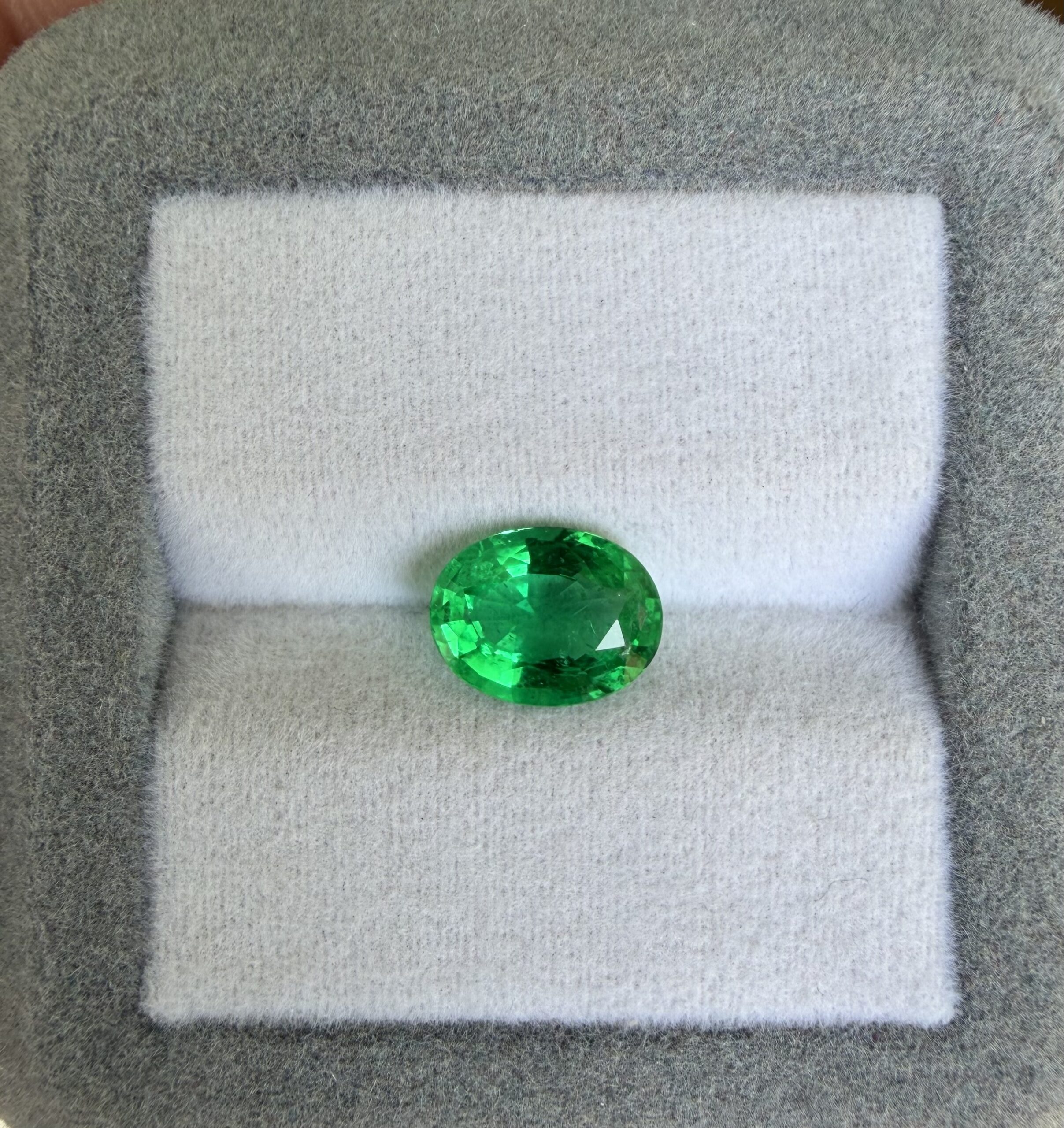
Its hardness of 7.5 to 8 and its inclusions make it sensitive to sharp impacts rather than scratches. An emerald engagement ring is therefore perfectly suited to everyday wear, provided the setting protects its corners — a bezel setting or a low setting, determined at the design stage.
Symbolism: hope, renewal, fidelity. It was believed to have the power to protect those who love one another.
June is the most singular month in the calendar, and the most sought-after. It has three stones, and none is a transparent, coloured gemstone in the classical sense. Each has its own logic.
Pearl. The only birthstone of animal origin, formed within a mollusc. It is also the most fragile stone in the calendar: 2.5 to 4.5 on the Mohs scale, sensitive to acids, perfumes and perspiration. Best reserved for necklaces, earrings and rings worn occasionally.
Moonstone. A feldspar crossed by a bluish sheen that appears to float beneath the surface — adularescence. Soft and poetic, it remains tender (6 to 6.5) and cleaves easily. The same care is required as for pearl when worn on the finger.
Alexandrite. It is June’s most spectacular stone, and one of the rarest in all gemmology. Discovered in the Urals in the 19th century,alexandrite changes colour depending on the light : green in daylight, purplish red under incandescent light. With a hardness of 8.5, it is also the only one of June’s three stones that can be worn on the finger without reservation.
We have none in our display cases today — it is a stone we source through dedicated searches, with the lead time this entails. We prefer to say so rather than show you another gemstone in its place. Fine-quality alexandrites, with a distinct colour change, are very rare above one carat.
Symbolism: purity for pearl, intuition for moonstone, duality and transformation for alexandrite — the stone that changes its face according to the light.
The ruby is a corundum coloured red by chromium — exactly the same mineral as sapphire, with only the concentration of chromium distinguishing them. Hardness 9, no cleavage planes: it can be worn on the finger without reservation, and only diamond performs better.
It is also the most expensive birthstone: beyond two carats, a ruby of fine colour is the rarest of the four great gemstones. Heating is traditional and accepted; lead-glass filling, on the other hand, dramatically reduces its value — hence the importance of the certificate.
Symbolism: passion, courage and vitality. It was once worn on armour, long before rings.
Three stones, and a recent history. The peridot, with its luminous olive green, is August’s historic stone; soft at 6.5–7, it requires a protective setting. The sardonyx, a reddish-brown chalcedony, is the oldest of the three, and is now rarely set.
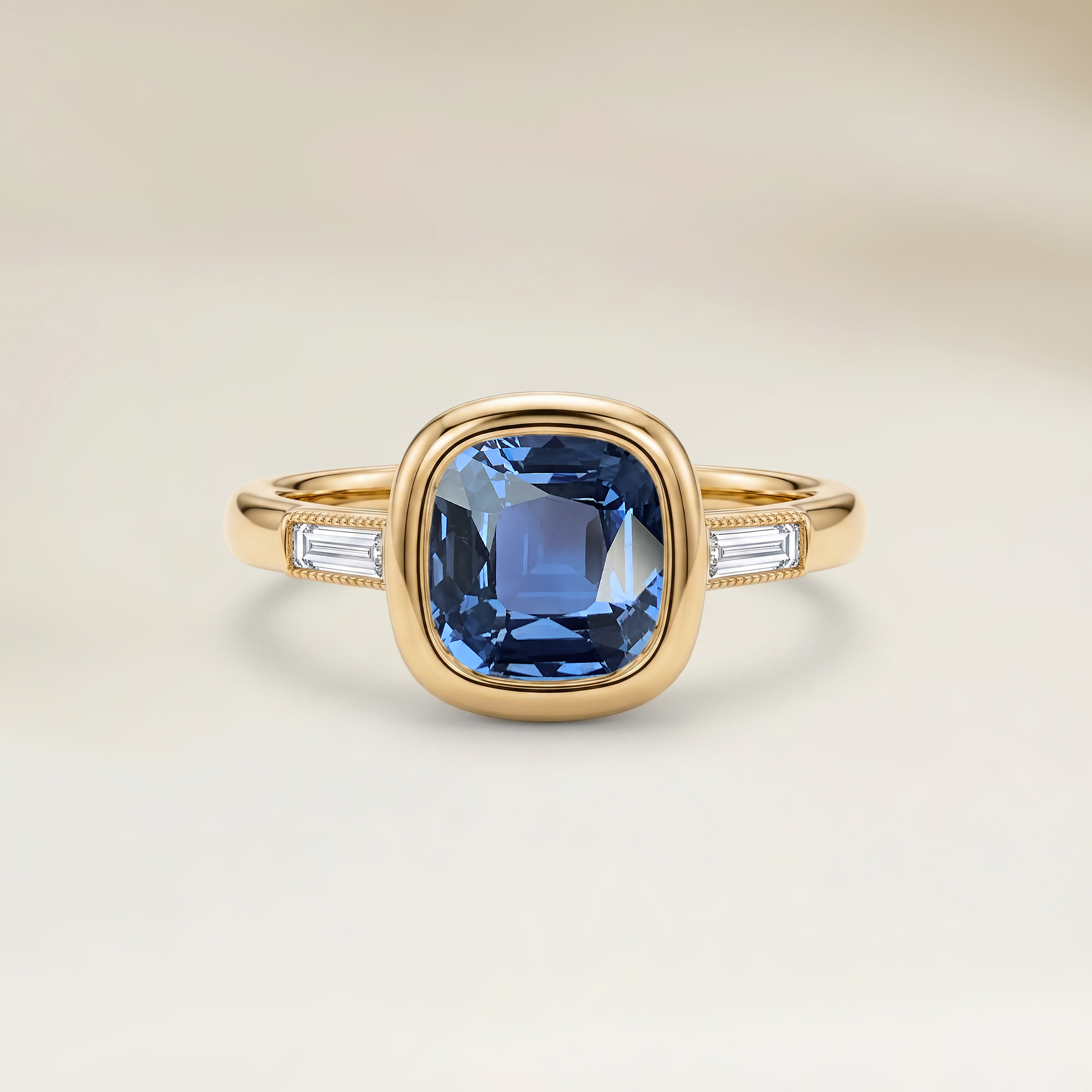
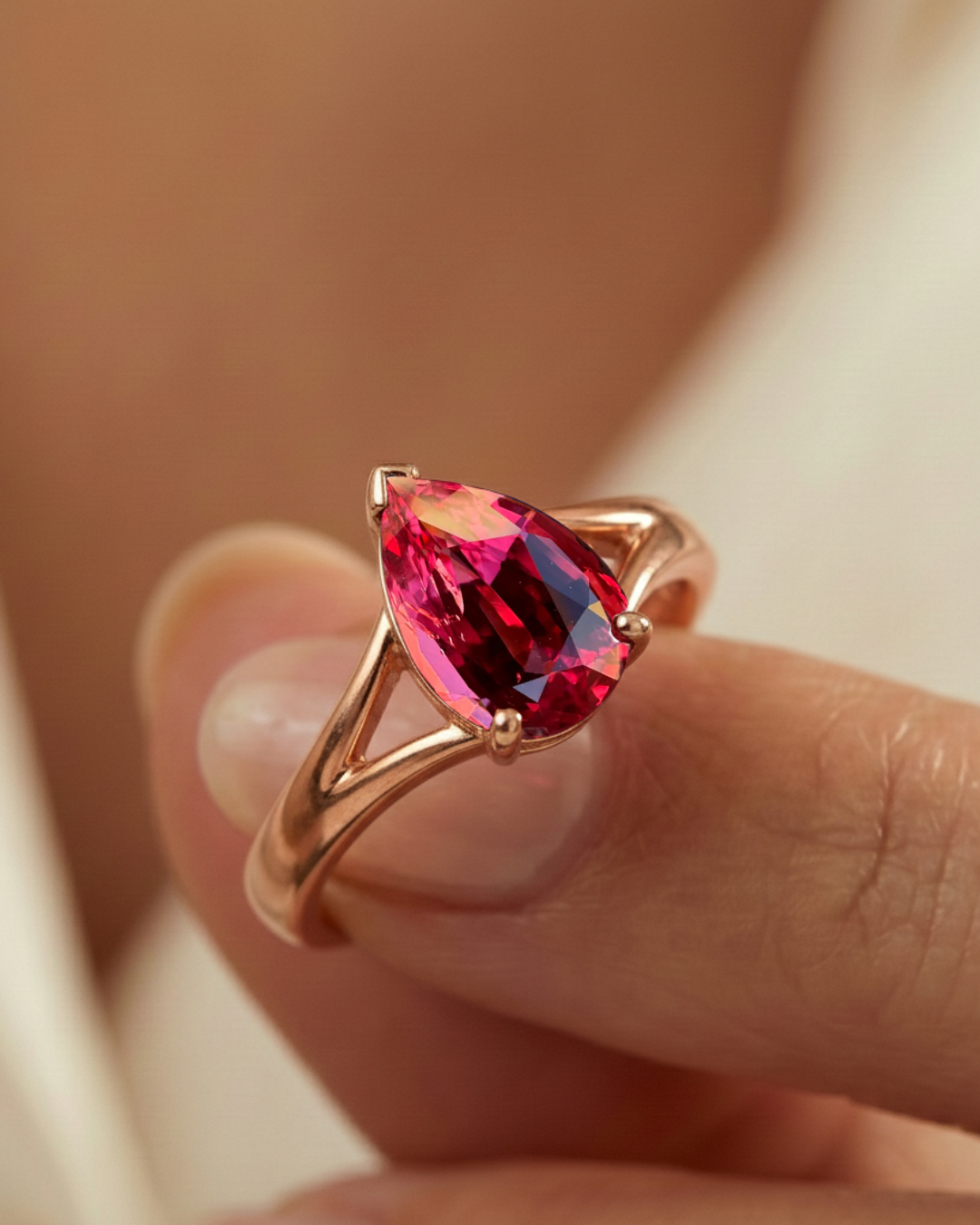
The spinel, finally, joined the month of August in 2016. Long confused with ruby — several “rubies” in royal crowns are in fact spinels — it exists in red, vivid pink, blue and mauve. It has two decisive advantages: a hardness of 8, and the fact that it is generally untreated.
It is therefore the August stone to choose for jewellery worn every day: a spinel engagement ring can be worn without the precautions required by peridot.
Symbolism: confidence and luck for peridot, vitality and renewal for spinel.
Of all birthstones, sapphire is the one best suited to jewellery worn for a lifetime. Hardness 9, no cleavage planes, excellent toughness: it fears neither scratches nor ordinary knocks. A sapphire engagement ring can be worn for thirty years without any particular precautions.
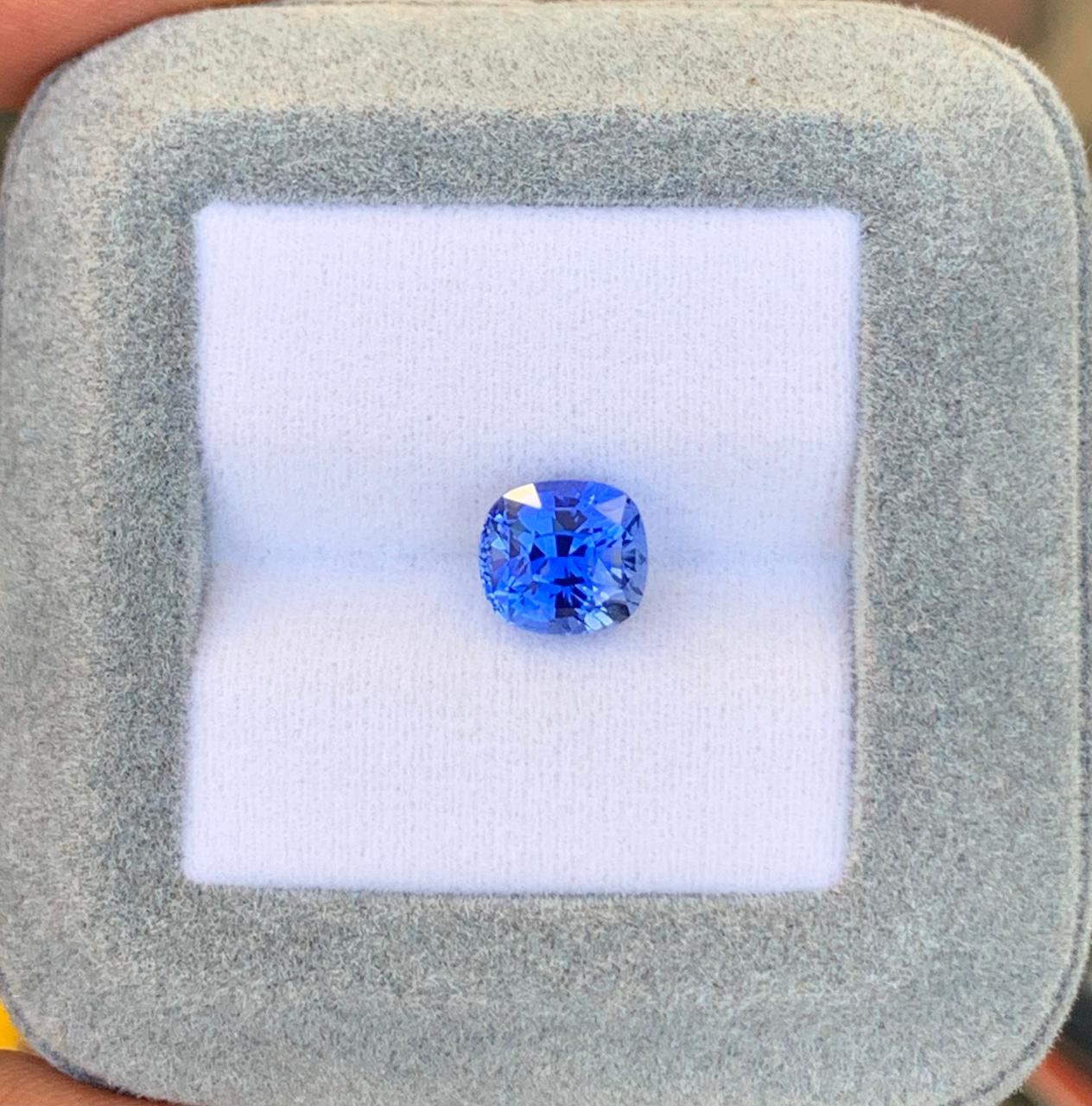
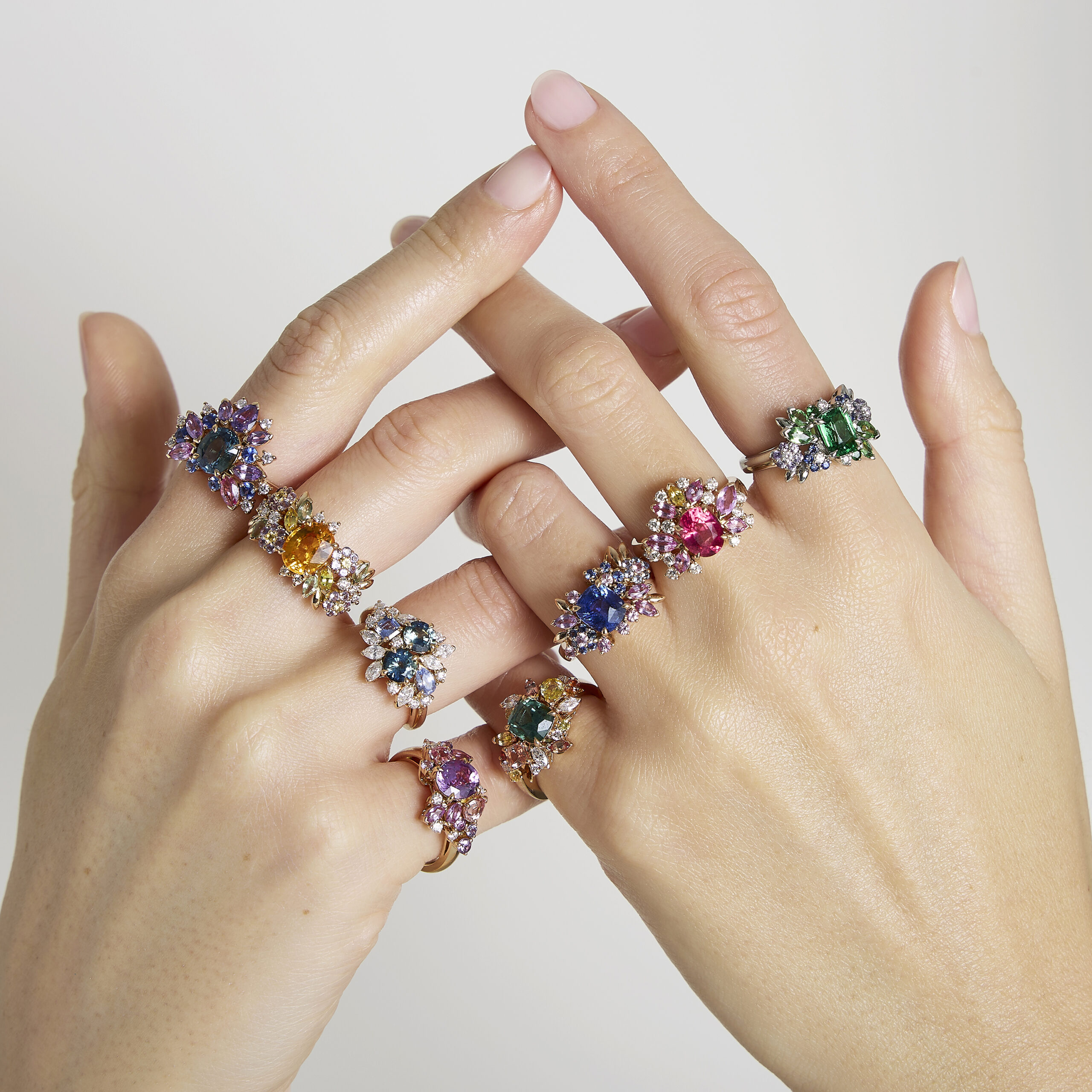
And it is the birthstone that offers the greatest choice. It is imagined as blue, but sapphire comes in every colour except red : teal, between blue and green, pink, violet, yellow, green, orange, and padparadscha, both pink and orange. They are all sapphires, and therefore all September stones.
In budgetary terms, the difference between colours is considerable: in our stock, teal and yellow are around €1,000 per carat, blue around €1,780, and padparadscha around €2,850. Their durability, however, is exactly the same.
Symbolism: loyalty, truth, wisdom. It is also the stone for sapphire anniversaries, at sixteen years of marriage.
October offers two stones with opposing temperaments — one for jewellery to be handled with care, the other for jewellery to be worn.
Opal is famed for its play of colour, those flashes of rainbow that shift with the light. It is also fragile: 5.5 to 6.5 on the Mohs scale, sensitive to knocks, heat and drying out. Magnificent in a pendant or earrings, it is best avoided for an everyday ring.

The tourmaline is October’s other choice, and the more practical one. No family covers such a broad palette: green, pink, red, blue, yellow, and bi-colours that layer two shades within the same crystal. It also offers the largest sizes for a given budget of all coloured stones.
Its hardness of 7 to 7.5 calls for a setting that protects its corners, but it can be worn perfectly well on the finger. A tourmaline engagement ring thus allows for a beautifully sized stone on a modest budget.

Symbolism: hope and creativity for opal, balance and protection for tourmaline.
Two golden stones, often confused. Topaz comes in imperial yellow, pink and blue — the latter almost always obtained through treatment. Its hardness of 8 is misleading: it has a distinct cleavage plane, and a knock can split it. Citrine is a yellow to orange quartz, hardness 7, and very affordable.
For a ring, citrine is the easiest to wear; topaz requires a setting that protects it from knocks.
Symbolism: joy, optimism, warmth — two sunstones for the darkest month of autumn.
December has three stones, all blue or almost so, and includes the youngest gem on the calendar.

The tanzanite joined December in 2002. Discovered in 1967, it comes from just one deposit in the world, at the foot of Kilimanjaro in Tanzania. Its deep blue-violet changes hue according to the angle and the light, and it remains remarkably accessible for stones of several carats — the price of tanzanite per carat is around a quarter of that of a blue sapphire of the same weight.
Its trade-off: a hardness of 6 to 7 and a cleavage plane. It is ideal in a pendant, earrings, or a ring worn occasionally.
The turquoise, opaque and milky blue-green, is one of the world's oldest ornamental stones; soft and porous, it is sensitive to water and cosmetics. Finally, zirconis a natural stone not to be confused with synthetic cubic zirconia: highly brilliant and often blue, it is hard but brittle at the edges.
Symbolism: serenity and transition for tanzanite, protection for turquoise, wisdom for zircon.
It is the question we are asked least often, and the one that matters most before having a birthstone set in a ring.
| Use | Birthstones |
|---|---|
| Everyday ring, without reservation | Diamond, sapphire, ruby, alexandrite, spinel |
| Everyday ring, with a protective setting | Emerald, aquamarine, garnet, tourmaline, amethyst, citrine, topaz |
| Occasional ring, pendant, earrings | Tanzanite, peridot, zircon, moonstone |
| Jewellery with limited exposure to impact | Pearl, opal, turquoise |
Several months have two or three stones: choose the one that suits your intended wear. And if yours is too soft for a ring, nothing prevents you from wearing it as a pendant — or from choosing the stone of another month that matters to you, the month of a meeting or a birth.
June has three: pearl, moonstone and alexandrite. Alexandrite, which changes colour depending on the light, is by far the rarest and the only one of the three that can be worn on the finger without reservation.
Turquoise, zircon and tanzanite. Added in 2002, tanzanite is the newest stone on the calendar; it comes from only one deposit in the world, in Tanzania.
Opal and tourmaline. Opal is soft and sensitive to knocks; tourmaline, which is more resistant, offers the widest palette of colours of all gemstones.
Garnet. It is not a single stone but a family: the deep reds of almandine and pyrope are the best known, but there are also orange and green garnets.
Sapphire, the calendar’s stone best suited to a ring worn every day: hardness 9, no cleavage planes, and ten possible colours.
Its distant origin goes back to Aaron’s breastplate described in Exodus. The modern list dates from 1912, then was revised: tanzanite joined December in 2002, and spinel joined August in 2016.
It depends on the month. Diamond, sapphire, ruby, alexandrite and spinel can be worn without reservation. Emerald, aquamarine, garnet and tourmaline require a protective setting. Pearl, opal and turquoise are best reserved for jewellery subject to little wear.
Share this post